REVIEW · MUMBAI
Best Combo Tour: Dabbawalas, Dhobi Ghat and Slum with Train
Book on GetYourGuide →Operated by India Trip Explore · Bookable on GetYourGuide
Mumbai runs on lunchboxes and laundry. In one 4-hour loop, you get the city’s daily machinery—handled with human hands. I love how this combo links dabbawalas logistics to the rhythm of a local train commute, so you’re not just looking at landmarks, you’re seeing how Mumbai moves.
I also like the sensory contrast: Dhobi Ghat is hands-on, open-air washing you can actually watch, then the tour pivots to Dharavi’s street-level work and everyday commerce. The third “layer” is the community walking tour in Dharavi, where the guide helps you connect what you see to how people make a living.
One consideration: this is a walking-and-commute kind of tour. You’re on your feet (including two train segments and a 2-hour Dharavi walk), and food isn’t included—so bring your energy and wear shoes you can trust.
In This Review
- Key things I’d clock before you go
- A 4-hour loop that shows Mumbai as a working city
- Starting at Churchgate: where your tour gets grounded
- The dabbawalas segment: lunchboxes, sorting, and efficiency you can see
- Mumbai’s local train ride: the best kind of chaos
- Dhobi Ghat: the world’s largest outdoor laundry, up close
- Dharavi on foot: workshops, street commerce, and daily resilience
- Ending near Sai Multispeciality Hospital: plan your next step
- Price and logistics: what you really get for $32
- Who should book this combo tour, and who might not love it
- Should you book this Dabbawalas, Dhobi Ghat and Dharavi with Train tour?
- FAQ
- Where is the meeting point for this tour?
- How long is the tour?
- What’s included in the price?
- Is food included?
- Where does the tour end?
- Can I cancel for a full refund?
Key things I’d clock before you go
- Churchgate launch point near DAVA DISCOUNT means an easy start you can find.
- Train time is part of the tour, not just transportation between sights.
- Dhobi Ghat at work: you’ll see handwashing and drying in outdoor concrete troughs.
- Dharavi on foot for about 2 hours with a local English guide.
- A guide can make or break this; Abi and Hardik are names you may hear—both praised for patience and careful explanations.
- You get water, but not food, so plan a light snack before or after.
A 4-hour loop that shows Mumbai as a working city
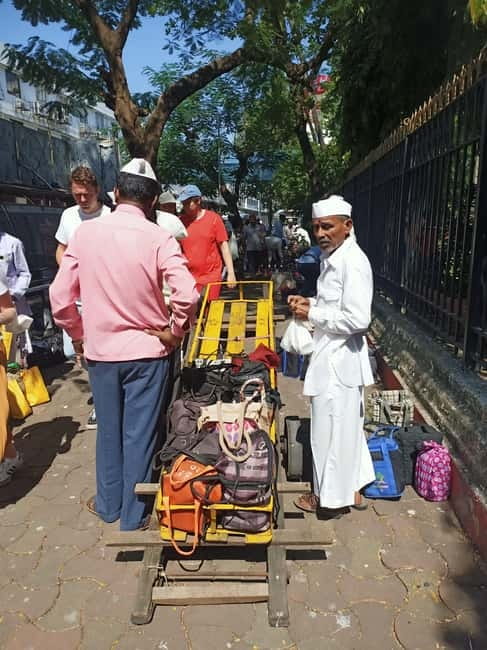
This tour is built around one simple idea: Mumbai isn’t just scenery. It’s a network of jobs, routines, and routes that keep the day running. In about four hours, you move through systems that usually stay invisible unless you know where to stand.
You’ll start at Churchgate Railway Station and end near Sai Multispeciality Hospital & Research Centre. The time window is tight, so the pace stays “cover-ground without rushing past the meaning.” It’s also a good length if you want big variety without surrendering a full morning or afternoon.
You can also read our reviews of more tours and experiences in Mumbai.



Starting at Churchgate: where your tour gets grounded
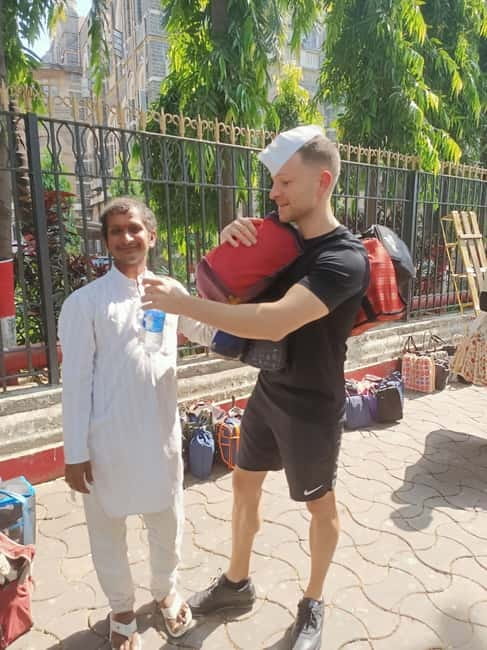
Your meeting point is Churchgate Railway Station near the ticket window at the Chemist shop called DAVA DISCOUNT. From there, you’ll have a short guided segment and a photo stop area for about 30 minutes, plus some walking. This matters because Mumbai trains can feel chaotic until you’re oriented, and Churchgate is where that first orientation helps.
Churchgate also sets the theme. You’re in a transit hub tied to commuter life, not a quiet museum courtyard. That’s why the tour “clicks” for many people: you begin with the city’s movement, then you watch movement in three forms—delivery work, rail commute, and community enterprise.
If you’re traveling with camera gear, this is a decent moment to reset your settings. Bright light can bounce off station walls, and you’ll likely be shooting through crowds later at Dharavi and Dhobi Ghat.
The dabbawalas segment: lunchboxes, sorting, and efficiency you can see
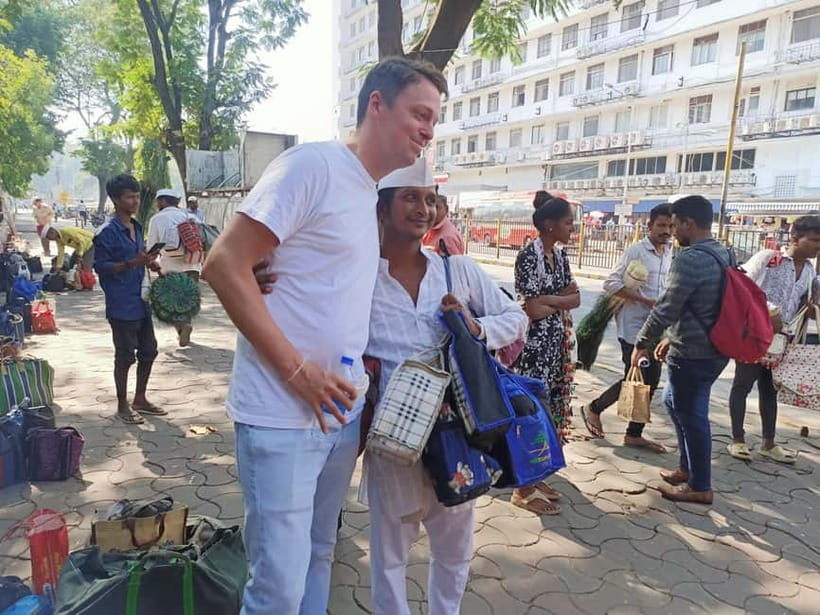
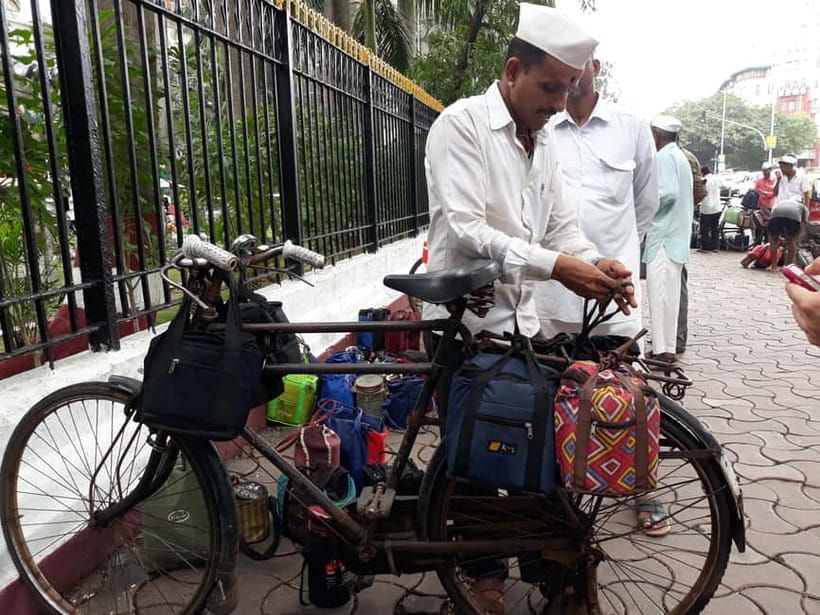
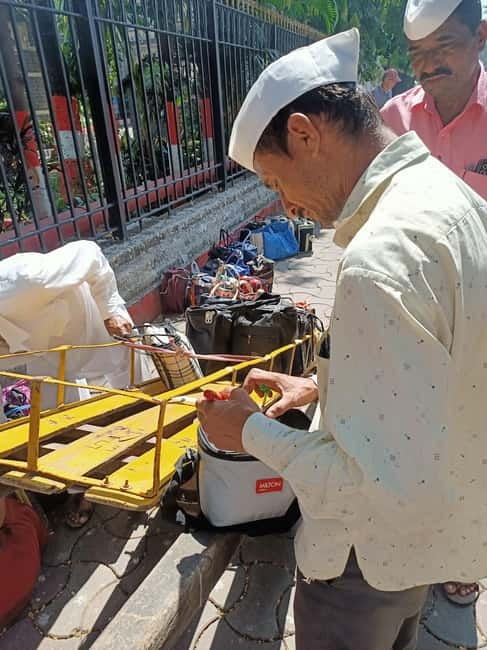
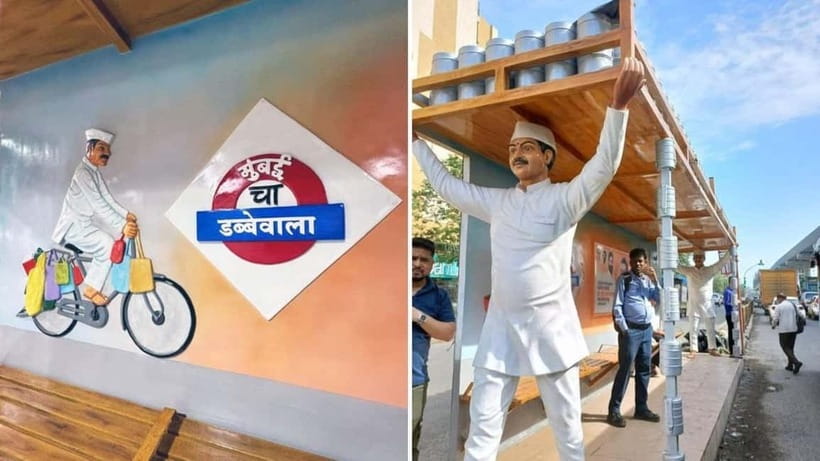
The dabbawalas are the headline for a reason. This legendary lunchbox delivery service has been operating in Mumbai for over a century, and the tour is designed so you can actually witness the workflow: sorting, delivering, and transporting lunchboxes across the city.
What I like about the dabbawalas part is that it turns an abstract idea into something tangible. You’re not just hearing a success story; you’re seeing the steps that make it work. That makes the whole tour feel smarter, because later stops (Dhobi Ghat and Dharavi) also revolve around work done with skill and routine.
Also, keep an eye out for how the guide frames it: this isn’t presented as magic. It’s presented as logistics plus discipline plus community systems. When the guide is patient, like Abi was described in one praised experience, you’ll get answers to the questions that pop up naturally—How do they coordinate? How do they manage scale? How does the day-to-day process hold together?
Mumbai’s local train ride: the best kind of chaos
You’ll then take a short train segment—about 5 minutes first, followed by another 10 minutes later. The tour includes local train tickets, and the guide handles the process so you’re not stuck figuring it out while the platform is busy.
This is the part where you see the real Mumbai commute, up close. Expect crowds, quick movement, and that layered mix of sounds and smells that you only get when you’re in the middle of daily life. The gift here is perspective: you’ll understand where the city’s energy comes from, and you’ll notice how much coordination happens in tiny moments.
A quick practical note: train cars can be warm and crowded. You’re there for a short window, but dress like you’ll be standing in a city air system that doesn’t always slow down for tourists.
Dhobi Ghat: the world’s largest outdoor laundry, up close
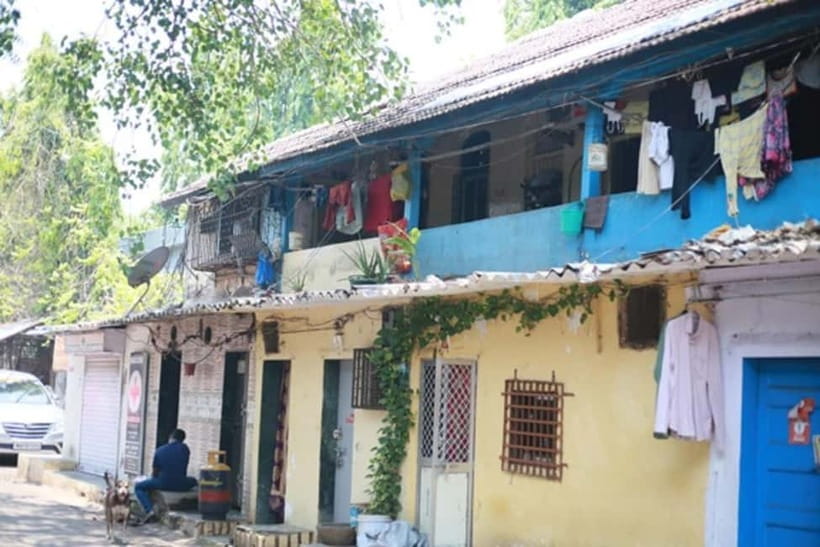
Dhobi Ghat is next, and it’s the stop many people remember most clearly. You’ll spend about 30 minutes here with a guided visit, photo stop, and walking. The setting is open-air laundry work in outdoor concrete troughs, where dhobis (handwashers) wash and dry clothes by hand.
I love this stop because it’s visual and tactile. You can see the steps—washing, working the fabric, drying—and the whole operation feels like an outdoor workshop. Even if you’ve read about it before, being there changes the scale. You realize you’re watching an institution that has a daily rhythm and a practical purpose.
There’s also a history angle in the guide’s explanation and a daily-life angle in what you observe. The work is physical, and the space is functional. It’s not a staged “look at us” moment. It’s people doing their job in the open.
If you don’t like strong smells (laundry detergent and wet clothing can be noticeable), you might find the air intense right at the troughs. Timing and wind can change things, so plan to stand where the guide suggests and take short steps instead of hovering too long in one spot.




Dharavi on foot: workshops, street commerce, and daily resilience
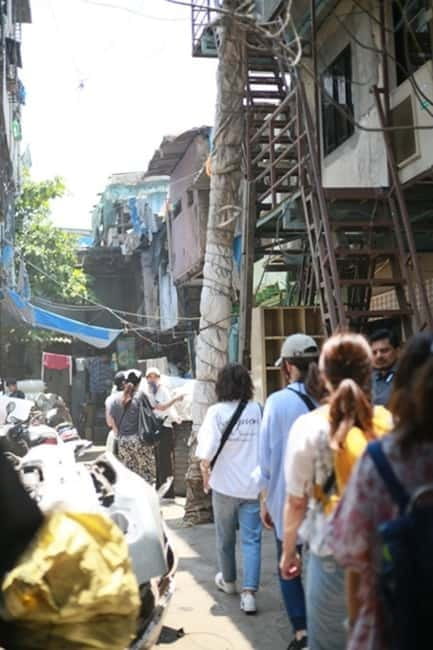
Then the tour moves into Dharavi, with about 2 hours for photo stops, guided tour, sightseeing, and walking. This is where the tour becomes less about “what to see” and more about “how to understand what you’re seeing.”
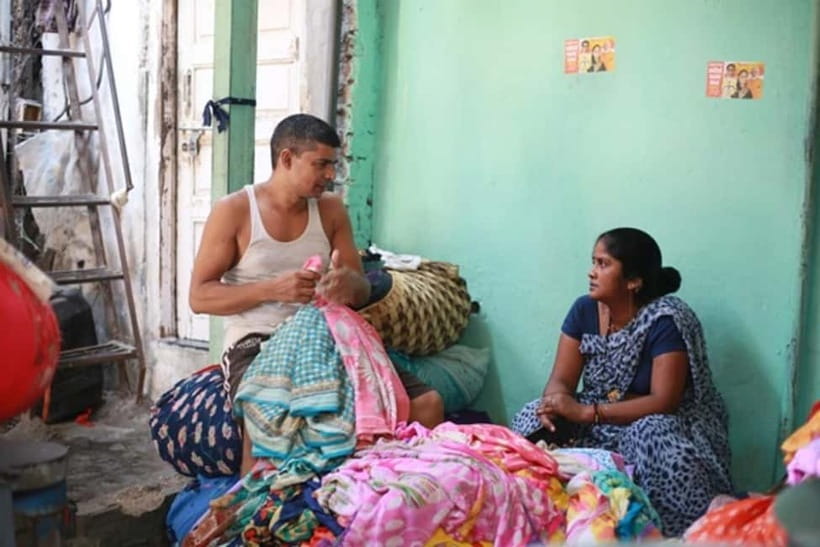
Dharavi is described as one of Asia’s largest slums, and the tour’s purpose is to show resilience, creativity, and an entrepreneurial spirit—through what people are doing, where they’re working, and how daily commerce flows down narrow lanes. Because you’re with an English-speaking guide, you’re not left alone with questions. You can ask why certain workshops exist, how the neighborhood supports business, and how people navigate cramped spaces.
Safety is also part of the experience. One of the praised descriptions says the group felt secure at every stage, with the guide looking after them carefully in Dharavi. That’s the big reason to do this with a guide rather than trying to self-navigate: you get local context and a safer-feeling flow through busy areas.
A considerate tip: keep your camera use respectful. If the guide says not to photograph specific activities, follow that. You’ll understand more when you’re not turning people’s workplaces into a photo shoot.
Ending near Sai Multispeciality Hospital: plan your next step
The tour finishes at Sai Multispeciality Hospital & Research Centre. That final location is useful because you can likely connect to onward plans without trekking all the way back to Churchgate immediately.
Because the tour is only 4 hours and food isn’t included, I suggest a realistic plan for what happens after: either eat near your hotel route or grab something quick after you’re done exploring. If you tend to get lightheaded when walking, take a small snack before you meet.
Price and logistics: what you really get for $32
At $32 per person for around 4 hours, the value is tied to three things you’d otherwise have to piece together: an English-speaking guide, local train tickets, and the structured route connecting dabbawalas, Dhobi Ghat, and Dharavi. You’re also given bottled water.
If you tried to do these stops on your own, you’d spend time figuring out transit and timing between Churchgate, Dhobi Ghat, and Dharavi. This tour compresses that effort into a guided flow. The “skip the ticket line” note can also reduce friction at the train entry points, which is a real savings when station crowds are moving fast.
What you don’t get is food. That’s not a small detail at this price. It means the tour is strongest for people who plan their meals around it—either before departure or after finishing. For someone who expects everything to be handled, that could be the one mismatch.
Also note the pacing: photo stops plus walking plus trains. This isn’t a slow sit-and-stare tour. It’s a “keep moving, keep learning” tour. If you love efficiency and real city texture, that’s perfect.
Who should book this combo tour, and who might not love it
I’d recommend this for:
- First-time visitors who want more than sightseeing and want to understand daily systems.
- People who enjoy photo opportunities, but also want context from a guide.
- Travelers comfortable with trains, crowds, and walking in an urban working area.
- Anyone curious about how Mumbai’s services and neighborhood economies function.
I’d be more cautious if:
- You want a relaxing, low-activity outing.
- You’re very sensitive to the smell and physical closeness that can come with an active laundry area.
- You strongly prefer food included in the price.
If you’re the type who likes asking questions, this tour rewards you. A patient guide helps a lot—especially for places like Dhobi Ghat and Dharavi, where you need explanations to understand what you’re seeing.
Should you book this Dabbawalas, Dhobi Ghat and Dharavi with Train tour?
I’d book it if you want an efficient, human-scale Mumbai experience that connects three working realities: lunch delivery logistics, hand laundry in an outdoor institution, and neighborhood enterprise in Dharavi. At $32 and 4 hours, the structure is the value—you’re paying for guided meaning plus included train tickets and water, and you avoid the hassle of stitching it all together.
I wouldn’t book it if you hate walking, dislike train crowds, or need food fully included. But if you can handle a brisk city rhythm and plan your meal, this combo is a strong way to see Mumbai’s everyday engine, not just its postcard faces.
FAQ
Where is the meeting point for this tour?
You meet at Churchgate Railway Station near the ticket window at the Chemist shop named DAVA DISCOUNT.
How long is the tour?
The tour lasts 4 hours.
What’s included in the price?
It includes an English-speaking guide, local train tickets, and a water bottle.
Is food included?
No. Food and drinks are not included.
Where does the tour end?
You finish at Sai Multispeciality Hospital & Research Centre.
Can I cancel for a full refund?
Yes. You can cancel up to 24 hours in advance for a full refund.