REVIEW · MUMBAI
Highlights of Mumbai Sightseeing Tour: TRAVELLERS CHOICE AWARDED
Book on Viator →Operated by Amaze Mumbai Tour · Bookable on Viator
Mumbai moves fast. Your day here shouldn’t get messy. This tour gives you a customizable hit list of South Mumbai’s biggest sights in one organized loop. Hotel pickup and drop-off, plus a private climate-controlled car, means you spend less time figuring things out and more time actually looking.
What I love most is the smart pacing: you get quick stops that still allow photos and a real sense of place. Second, I like that the itinerary is adjustable, so if you care more about architecture than markets (or vice versa), your guide can steer the day without turning it into a scramble.
One consideration: traffic can be intense. If you’re staying far from the action, expect a longer ride to the Gate of India, and your schedule may feel tighter than the clock says.
In This Review
- Quick hits you’ll feel right away
- Mapping Mumbai in 5 to 6 Hours, Without Feeling Rushed
- Gateway of India and Colaba: Starting With the Sea-Facing Landmark
- Oval Maidan to Kala Ghoda: Victorian South Mumbai in Bite-Sized Chunks
- CSMVS Museum and Crawford Market: Big Culture Meets Real Life
- Marine Drive to Churchgate: Waterfront Views and a Local Train Moment
- Chhatrapati Shivaji Terminus: The Railway Cathedral Stop
- Mani Bhavan Gandhi Museum and Kamala Nehru Park: A Pause With Purpose
- Dhobi Ghat and Banganga: Watching Work and Following Water
- How Guides and Drivers Make or Break the Day
- Price and Value: Is $33 a Good Deal for This Route?
- When This Tour Might Not Fit Your Style
- Should You Book the Highlights of Mumbai Tour?
- FAQ
- What is included in the Highlights of Mumbai Sightseeing Tour?
- Is lunch included?
- How long is the tour?
- Which parts of the itinerary have admissions included?
- Do I get picked up from my hotel?
- Can I customize what I see?
- Is this tour private?
Quick hits you’ll feel right away
- Private, air-conditioned transport with hotel pickup and drop-off, so the day runs on rails even if the city doesn’t
- A choose-your-own-style route across landmarks, markets, waterfront views, and major rail and religious stops
- Local train option included from Churchgate for a genuine Mumbai transit taste
- Many stops with no admission hassle (plus a couple where tickets may be extra)
- Tour managers and drivers named across the experience (Imran, Dinesh, Loki, Dawood, Ganesh, Surendra Pal, Abdul Ahad, and more) who keep things moving smoothly
Mapping Mumbai in 5 to 6 Hours, Without Feeling Rushed
If you only have a day, Mumbai can feel like it’s daring you to keep up. This tour is built for that reality. You’re picked up and dropped off at your hotel, then moved around in an air-conditioned vehicle. Instead of spending half your time on directions, you get a focused route through the city’s most famous South Mumbai landmarks.
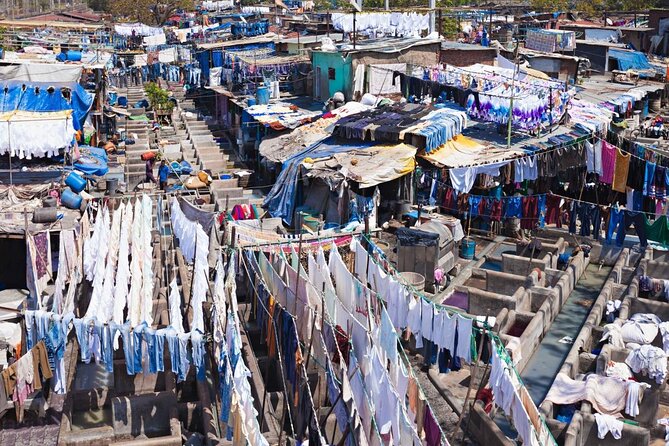
The sweet spot here is the mix of iconic photo stops and places that show how Mumbai works. Yes, you’ll see the well-known sites like the Gateway of India and Marine Drive. But you also get stops that feel more lived-in, like Dhobi Ghat, where open-air laundry is a daily routine.
A big plus for first-timers: the stops are timed to your attention span. You get brief but meaningful windows at each location—enough time to look around, take photos, and listen to the story behind the place. If you want more time in one spot, your guide can usually adjust. That flexibility is why this doesn’t feel like a boring bus tour.
One more practical note: it’s listed as a private tour/activity, meaning it’s only your group. That matters. In a city like Mumbai, your day goes more smoothly when you’re not herded with strangers.
You can also read our reviews of more tours and experiences in Mumbai.

Gateway of India and Colaba: Starting With the Sea-Facing Landmark
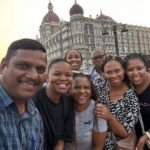
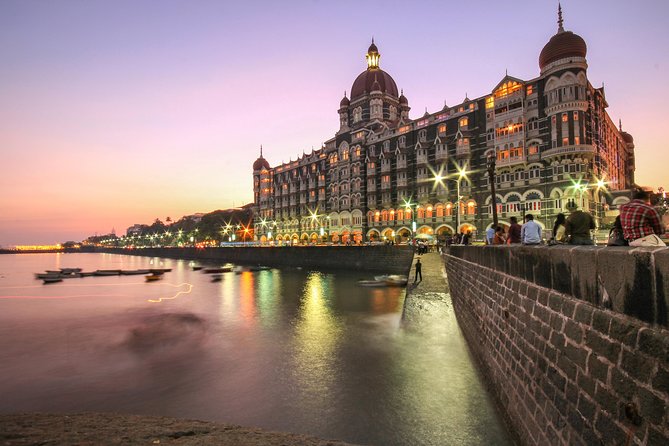
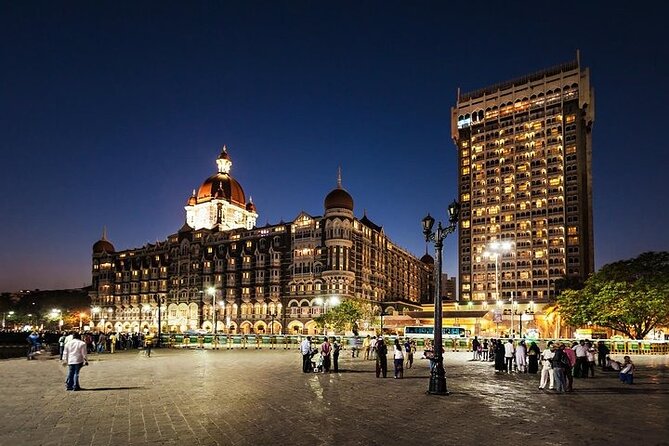
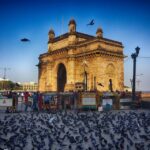
The day often begins at Gateway of India, an arch monument tied to the early twentieth century and the landing of the first British monarch in India. Even if your interest is purely architectural, the scale hits fast. You’re right at the waterfront, and the energy around the area is very Mumbai.
From there, you head into Colaba, a neighborhood known for its tourist pull and classic South Mumbai atmosphere. This is the part of the day where you get your bearings. The streets and the vibe help you understand why this part of the city is the default for visitors.
Expect the stop at Gateway and Colaba to be relatively quick. The goal isn’t to slow-walk every corner; it’s to place you in the right zone for the next stops. If you’re the kind of traveler who likes to linger, tell your guide early so they can weigh more time against later priorities.
Oval Maidan to Kala Ghoda: Victorian South Mumbai in Bite-Sized Chunks
Next up: a stretch that’s basically Mumbai’s “official” face. Oval Maidan puts you near Mumbai University, the Rajabai Clock tower, and Bombay High Court. You see big civic buildings without needing a long museum day. That’s a smart trade when time is tight.
After that, you explore Kala Ghoda, an area associated with architecture and heritage. This is where walking makes more sense than driving. You’ll get a sense of style—period details, building lines, and the way the neighborhood holds its identity.
Then you get a short photo stop at the Town Hall / Asiatic Society Library area. It’s short, but photography-focused. If you love old facades and clean angles, you’ll appreciate this breathing space built into the schedule.
A quick tip: these stops are mostly exterior views. So wear shoes that can handle pavement and steps. You’ll do a bit of getting in and out of car positions, and you’ll likely step around for pictures.
CSMVS Museum and Crawford Market: Big Culture Meets Real Life
One stop you’ll see on many versions of the route is the Chhatrapati Shivaji Maharaj Vastu Sangrahalaya (CSMVS), formerly known as the Prince of Wales Museum of Western India. Even without going deep inside, just being near it reminds you Mumbai isn’t only a city of crowds. It also has institutions with strong cultural weight.
After the museum, you head to Crawford Market. It’s one of South Mumbai’s most famous markets, originally named after Arthur Crawford. Market stops can be hit-or-miss on tours, but this one works because it’s not just shopping. It’s a snapshot of daily commerce—people moving, vendors working, and the market functioning as a social space.
Two practical thoughts for you here:
- Bring patience. Markets take longer to watch than they do to pass.
- Decide if you want to shop or just observe. If shopping is your goal, you may want a quick guide-led path so you don’t lose time.
Also note that some site admissions can be free while others may require tickets. For example, Oval Maidan is specifically noted as admission not included. Your guide can help you plan around that reality so you’re not surprised at a ticket point.
Marine Drive to Churchgate: Waterfront Views and a Local Train Moment
Then comes Marine Drive, a famous 3.6-kilometre boulevard in South Mumbai. This is the kind of stop where you do two things: look back over your shoulder at the skyline and understand why Mumbai’s image travels worldwide. The road is connected to major benefactors like Bhagojisheth Keer and Pallonji Mistry, which gives the waterfront more context than just pretty views.
After Marine Drive, the route reaches Churchgate Railway Station. Here’s a standout feature: you can opt to take a Mumbai Local Train ride, and it’s included in the tour price. For many visitors, this is the “wow, we’re actually moving like locals” moment.
A local train ride changes your perspective quickly. Even if you’re only on it for a short segment, you’ll feel Mumbai’s pace from ground level. It’s also an easy way to break up a day of sightseeing with something practical and real.
If you’re sensitive to crowds or motion, you might want to skip the train ride option and stay with the scenic stops. But if you’re curious—and comfortable with public transit—this is one of the most memorable parts of the day.


Chhatrapati Shivaji Terminus: The Railway Cathedral Stop
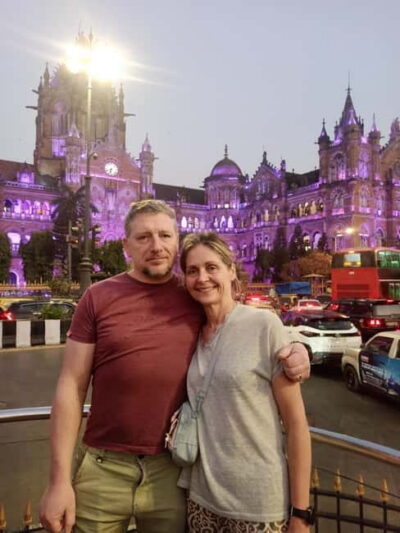
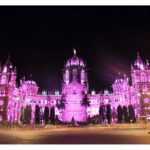
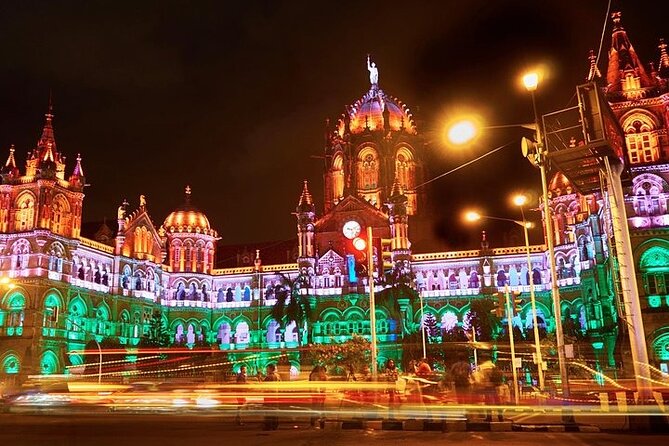
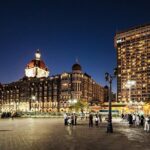
Next: Chhatrapati Shivaji Terminus (CSMT). The facts are clear—built in 1887, and it’s the headquarters of Central Railways. What you feel, though, is the architecture. This is one of those places where you stop, look up, and realize the city has been building big for a long time.
For train lovers, it’s a bonus. For everyone else, it still works because it’s visually dramatic and historically important. It also adds variety. After waterfront and markets, you get a totally different kind of scene.
Mani Bhavan Gandhi Museum and Kamala Nehru Park: A Pause With Purpose
The route often includes Mani Bhavan Gandhi Museum, dedicated to Gandhi at Laburnum Road in the Gamdevi precinct. This stop is included with admission, so you don’t have to hunt for the ticket logic. It’s a chance to connect Mumbai to India’s political and social history in a direct, human way.
Then you get Kamala Nehru Park, part of the Hanging Gardens complex. It covers about 16,000 square meters. This is your breather stop—an area that lets you step back from the nonstop motion of the street-level day.
This is also a smart pairing. A museum stop can feel heavy. A park stop helps your brain reset so you can enjoy the later sights.
Dhobi Ghat and Banganga: Watching Work and Following Water
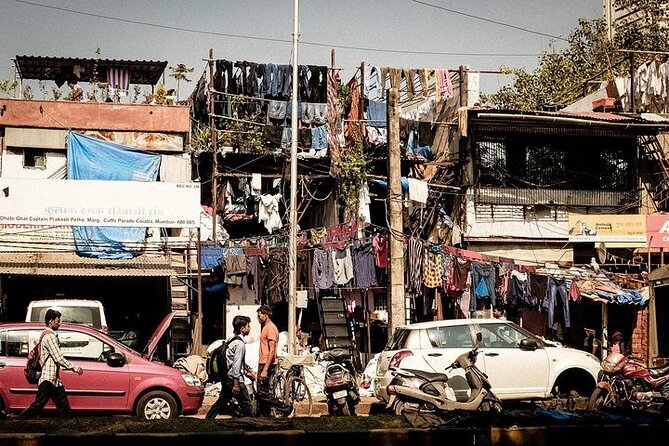
If you want the Mumbai that doesn’t show up on postcards, this part of the day delivers.
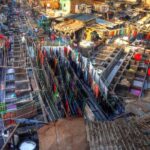
First: Dhobi Ghat, the open-air laundromat where dhobis work with linens and clothes from hotels and hospitals. The fact that it’s outdoors and still operating is what makes it powerful. You’re seeing a working system, not a staged exhibit. This stop is included with admission, which makes it easier to plan without extra ticket planning.
Then you head to Banganga (Banganga Talav), an ancient water tank in the Walkeshwar Temple complex area on Malabar Hill. It’s short, but it’s a neat shift in mood. Water ties the spiritual and practical sides of the city together in a way you can feel instantly.
After Banganga, the route may include a Jain temple stop. It’s a place of worship for Jains. Keep your attitude respectful and quiet your phone camera if you’re unsure about rules in the space.
These stops are where you notice Mumbai’s mix: spiritual practice, daily labor, and history all sharing the same geography.
How Guides and Drivers Make or Break the Day
This tour lives and dies by the quality of the guide and driver. The names vary by departure and group, but the pattern in the experience is consistent: the best days happen when your guide makes the city understandable without turning it into a lecture.
I’ve seen guides called out by name like Imran, Dinesh, Loki, Dawood, Ganesh, Alam, and Surendra Pal. You’ll also hear about drivers like Ranij, Mohamed, Abdul Ahad, Prabhakar, Mujeed, and Gulshan. The recurring theme is smooth timing, careful driving, and clear English narration.
That pacing is important because Mumbai traffic can be intense. One traveler noted a long drive time from near the airport to the Gate of India—about 1–2 hours with heavy traffic. So if you’re car-sick or easily stressed, plan for it. Bring something for nausea if you need it, and don’t schedule anything tight right before pickup.
One more nice touch shown in the experience: guides sometimes add small food moments. Pav bhaji and samosas show up in people’s memories, plus snacks and drinks are part of the tour concept. Just remember lunch isn’t included, so if you’ll want a full meal after, plan to eat once you’re back.
Price and Value: Is $33 a Good Deal for This Route?
At around $33 per person, the value isn’t just the cost—it’s what’s built around it: hotel pickup and drop-off, an air-conditioned car, an English-speaking tour manager, and a guided loop across major landmarks. Many stops are marked as free admission, which can stretch the day further than you’d expect.
Add in the fact that the Local Train ride option from Churchgate is included, and the tour becomes more than a list of buildings. You’re doing movement plus sightseeing in one day.
Also, the tour is customizable. That matters when you’re paying for time. Instead of watching a fixed script, you can nudge the route to match your priorities—architecture, markets, Gandhi sites, or the rail/sea history vibe.
The main “watch-outs” for value are simple:
- Lunch is not included, so factor that into your spending.
- Some sights may require tickets depending on the stop (Oval Maidan is called out as not included).
- If you’re staying far from South Mumbai, the drive time can eat into your feeling of a “half day” feeling.
When This Tour Might Not Fit Your Style
This is a great choice for many people, but it’s not for every traveler.
You might skip it if:
- You want slow, deep time in one museum. The stops are designed for coverage, not marathon studying.
- You feel strongly uncomfy with traffic and road motion. Mumbai driving can be intense, and the car size might feel tight for some solo travelers depending on the vehicle used.
- You prefer totally off-the-beaten-path routes. This tour focuses on major highlights and the areas around them.
You’ll probably love it if:
- You’re in Mumbai for the first time and want the big sights in one day.
- You want an efficient introduction to places like Gateway of India, Marine Drive, Dhobi Ghat, and Mani Bhavan.
- You like having a local guide steer the context so you understand what you’re seeing.
Should You Book the Highlights of Mumbai Tour?
I’d book it if your goal is high impact, low stress. The big wins are the private pickup/drop-off, the AC car, and the mix of major landmarks with real working-city stops like Dhobi Ghat. For a time-limited day, it’s one of the easiest ways to get your bearings fast.
Before you go, do one thing: decide what you care about most—Gandhi, architecture, markets, or rail and transit. Then ask your guide to shape your day around that. With guides like Loki, Imran, Dinesh, Dawood, or Ganesh (when available on your departure), you’re not just ticking boxes. You’re getting stories that make Mumbai click.
FAQ
What is included in the Highlights of Mumbai Sightseeing Tour?
It includes transport by air-conditioned car, an English-speaking tour manager, a guided tour, hotel pickup and drop-off, and pickup depending on your situation (including options for cruise passengers). It also includes the guided sightseeing and a Local Train ride option from Churchgate in the tour price. Snacks and drinks are part of the tour concept.
Is lunch included?
No. Lunch is not included.
How long is the tour?
The sightseeing tour is about 5 to 6 hours (approx.). Duration can vary by the option you choose, like 6 hours for sightseeing plus street food, 7 hours for City + Dharavi, or 9 hours minimum for City + Elephanta caves.
Which parts of the itinerary have admissions included?
Some stops are free, like Gateway of India, Colaba, Kala Ghoda, Town Hall/Asiatic Society Library area, Crawford Market, Marine Drive, Chhatrapati Shivaji Terminus, and Kamala Nehru Park. Admission is specifically included for stops like Churchgate Railway Station (Local Train ride option), Mani Bhavan Gandhi Museum, and Dhobi Ghat. Oval Maidan is marked as admission not included.
Do I get picked up from my hotel?
Yes. Hotel pickup and drop-off are included.
Can I customize what I see?
Yes. It’s described as customizable, with your own itinerary from multiple standout attractions.
Is this tour private?
Yes. It’s a private tour/activity, with only your group participating.