REVIEW · MUMBAI
Dharavi Slum & Dhobi Ghat Mumbai: Private Guided Tour
Book on Viator →Operated by Explore Mumbai Tours · Bookable on Viator
Mumbai shows its grit fast—if you know where to look. This private Dharavi Slum & Dhobi Ghat tour connects two iconic places and tells the story behind them, with respectful, local-led guidance and a focus on Dharavi’s day-to-day enterprise instead of movie-style stereotypes. I especially like the way the guide handles sensitive topics while still keeping things practical, and the Dhobi Ghat segment is built for seeing the action from the right designated vantage point—a setup guides like Priti are known for, based on past visitors’ praise.
One thing to consider: you won’t go inside Dhobi Ghat, and Dharavi is a walking experience through narrow lanes, so you’ll want to dress comfortably and keep expectations about photography and access in line with what’s actually possible.
In This Review
- Key highlights you’ll care about
- Why Dhobi Ghat and Dharavi belong together on one tour
- Dhobi Ghat: what you’ll see from the vantage point (and what you won’t)
- Dharavi on foot: industries, people, and the truth behind the stereotypes
- The guides make or break the experience (and these ones land well)
- Price and value: what $17.57 covers (and why it feels fair)
- Timing, route flow, and where you’ll end up
- What to wear and how to handle photos respectfully
- Who this tour suits best (and who might want a different plan)
- Should you book this Dharavi Slum & Dhobi Ghat private tour?
- FAQ
- How long is the Dharavi Slum & Dhobi Ghat private guided tour?
- What are the main stops on the itinerary?
- Is there an admission ticket cost for the stops?
- Will we enter Dhobi Ghat or just view it from outside?
- Is the tour private or shared with strangers?
- What’s included in the price?
- Where does the tour start and where does it end?
- What is the cancellation policy?
Key highlights you’ll care about
- Dhobi Ghat from a clear viewing spot: you get the big picture without entering the laundry area
- Dharavi’s industries get explained on foot: pottery, leatherwork, recycling, and textiles come up in the route
- Professional English-speaking guidance: guides like Shruti, Max, Ruba, and Priti are repeatedly described as prompt and responsive
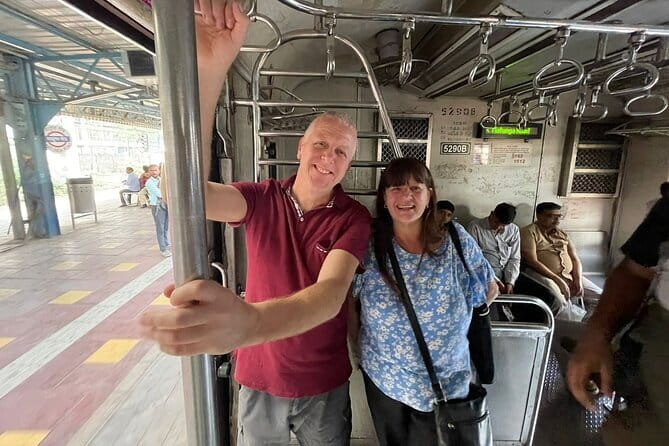
- Train tickets included: you’re not piecing together transit for two very different neighborhoods
- Private tour setup: it’s only your group, so questions don’t get lost in the shuffle
Why Dhobi Ghat and Dharavi belong together on one tour
If you only hit one side of Mumbai’s story, you miss the point. Dhobi Ghat shows how daily labor keeps the city moving—manual work at huge scale—while Dharavi shows how small businesses and skilled hands create jobs and products in the middle of a dense urban patchwork.
What makes this pairing work is the tour’s angle: it’s not about shock. It’s about function, creativity, and survival-by-enterprise. That’s why you’ll spend your time hearing how clothes move through Dhobi Ghat all day, then shifting to how work happens inside Dharavi’s maze of lanes, workshops, and recycling activity.
Also, the tour is timed for real viewing. Dhobi Ghat is brief on purpose (about 15 minutes), so you’re not stuck under the sun waiting for a long lecture. Then you get the longer stretch in Dharavi on foot, where the guide can explain how the neighborhood’s economy operates.
You can also read our reviews of more guided tours in Mumbai



Dhobi Ghat: what you’ll see from the vantage point (and what you won’t)
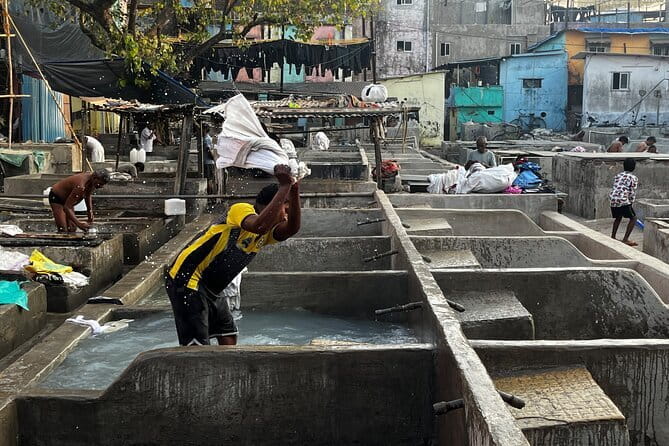
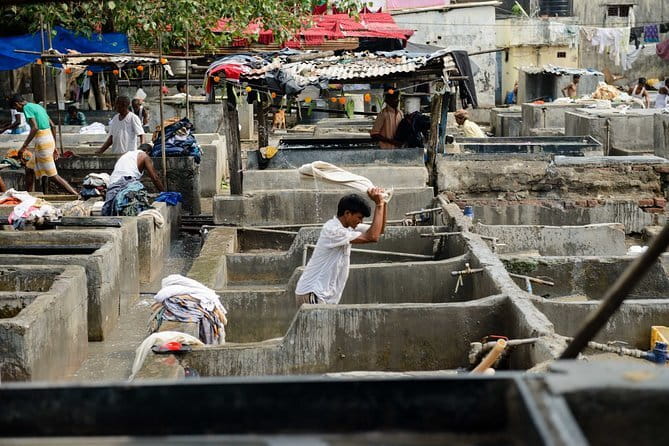
Dhobi Ghat is described as the world’s largest open-air laundry, and the best part of this tour is that you don’t treat it like a museum. Your guide explains how Mumbai’s dhobis (washermen) manually wash clothes here and how the workflow runs through the day—washing, drying, and pressing—serving hotels, hospitals, and households around the city.
You won’t enter inside the working areas. Instead, the guide brings you to a designated viewing area, which matters for two reasons. First, you get organized views instead of wandering and guessing where you can stand. Second, it’s a more respectful way to observe: you watch what’s happening without stepping into people’s work.
This stop is also strong for photos, because the vantage point is chosen for visibility. Just don’t expect private, up-close portraits. Think wider context: movement, lines of washing, and the scale of operations—what Dhobi Ghat looks like when hundreds of garments are part of the same daily machine.
Practical tip: wear shoes you can walk in for a short time and dress for heat. Even if the stop is only 15 minutes, the area is active and you’ll want to stay comfortable enough to focus on what the guide is explaining.
Dharavi on foot: industries, people, and the truth behind the stereotypes
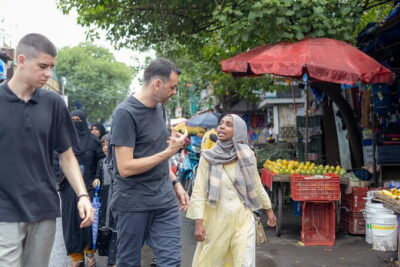
The second half of the tour is where the tone really matters. Dharavi is not positioned as a curiosity. It’s explained as a working neighborhood and an economic hub—something that only makes sense when you hear it step-by-step while walking through it.
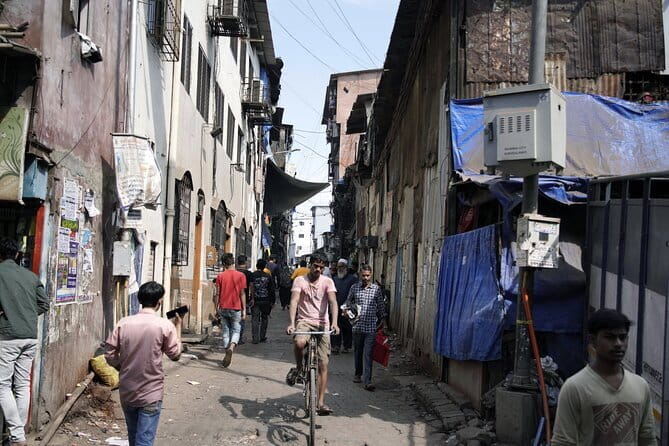
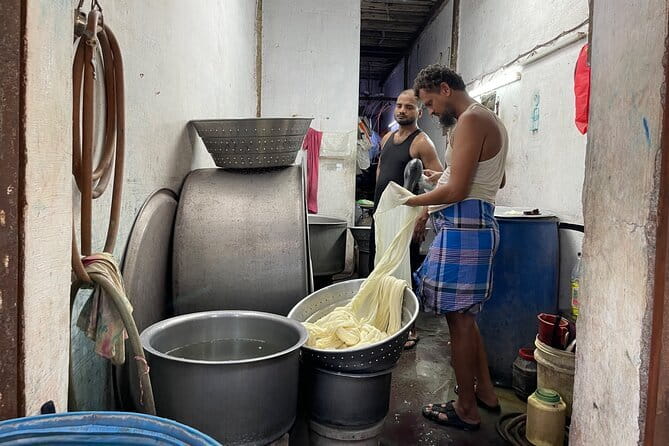
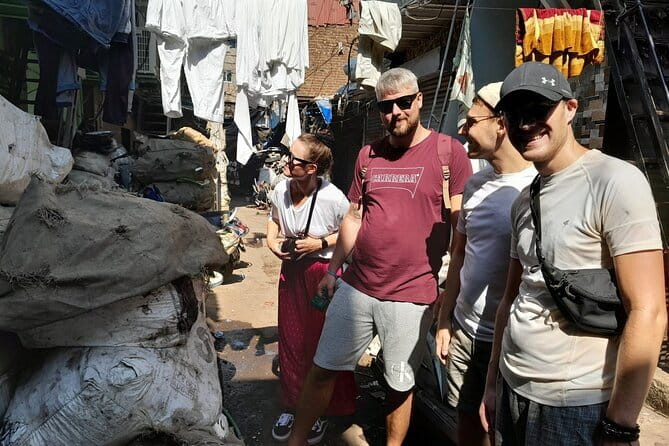
On this route, your local guide points out small-scale industries that define daily life there. You’ll get an on-the-ground look at pottery work (including Kumbharwada), leather-related work, textile production, and plastic recycling. The tour’s framing matters: it focuses on entrepreneurship and how residents build livelihoods in tight spaces.
You should also expect a history-and-community thread. The guide covers how Dharavi developed over time and how community spirit shows up in the way people run businesses and share knowledge. This is the part that helps the tour feel more grounded and less like a headline.
A key limitation to keep in mind: this is a walking tour through narrow lanes. That means the experience depends on basic comfort and attention. If you’re someone who needs wide sidewalks and long pauses, this part might feel intense. If you’re okay moving slowly, listening, and adjusting your pace, you’ll get more out of it.
Another important note: the tour is respectful and guided, but it’s still a real neighborhood. You’ll want to keep your phone use thoughtful and avoid blocking foot traffic. The point is to learn how the place works—not to treat it like a photo booth.
The guides make or break the experience (and these ones land well)
A big reason this tour earns top marks is the guide quality. Past visitors highlight that guides were prompt, friendly, and very informative, and that they answered questions without brushing people off.
Names that come up again and again include Shruti, who was praised for being on time and helpful with questions, and Priti, who earned strong recommendations after visitors felt unsure at the start but left with a clearer understanding of how integral Dhobi Ghat and Dharavi are to Mumbai’s larger story. Max is also mentioned for attention to requests and lots of information, and Ruba gets credit for good insight into daily life.
What you should take from that, as a practical traveler, is this: plan to ask questions. This kind of tour isn’t just “see and go.” It works best when you engage—especially around topics like labor, recycling, and how industries survive and adapt.
If your goal is to understand how people live and work in Mumbai beyond tourist headlines, a strong guide turns that goal from vague into specific. You’ll walk away with answers that connect the two stops rather than two disconnected sightseeing boxes.
Price and value: what $17.57 covers (and why it feels fair)
At $17.57 per person, this tour is priced like a budget add-on—but it doesn’t act like one. You’re getting a private setup for your group, a professional English-speaking guide, bottled water, and train tickets included.
That mix is where the value comes from. Mumbai can be tricky when you’re trying to move between neighborhoods, especially when your route spans very different kinds of spaces. Including train tickets means you don’t spend your time bargaining with maps or guessing routes for a tight 3-hour window.
You’re also getting both featured stops: Dhobi Ghat and Dharavi. Dhobi Ghat is short but tightly focused for viewing. Dharavi is the longer segment at around 2 hours on foot. So your money buys actual time with a guide in both locations, not just quick photo stops.
One thing to consider: the tour is private for your group, but it is still a fixed route with set viewing limitations (like not entering Dhobi Ghat). If you’re hoping for inside access to working areas, you’ll want to adjust expectations. But if you want a respectful, informative walk that stitches together how Mumbai’s labor economy works, the price-to-content ratio is solid.
You can also read our reviews of more private tours in Mumbai





Timing, route flow, and where you’ll end up
The tour runs about 3 hours. Your first stop is Dhobi Ghat for roughly 15 minutes. Then you shift to Dharavi for about 2 hours of walking and guided explanation.
The meeting point is specific: Third Wave Coffee, Tip Road, Unit no. 58, Ground, Ram Mahal, Senapati Bapat Marg, Marinagar Colony, Station, Mahim, Mumbai, Maharashtra 400016. It’s the kind of address you’ll want to copy carefully into Google Maps so you don’t waste time circling.
You end at Dhobi Ghat, in Shanti Nagar, Lower Parel. The good news is you’re not stuck. The tour concludes there so you can catch an Uber or take a train back to your hotel.
That ending location matters for planning dinner or evening plans. Lower Parel connects well to other parts of the city, so you’re not forced into a long backtrack after the tour’s walking portion.
What to wear and how to handle photos respectfully
This tour touches two real, working environments. That means your best travel instincts are the boring ones: show up ready, move calmly, and keep a light footprint.
For clothing and comfort:
- Wear comfortable shoes because Dharavi is a walking route.
- Dress for Mumbai’s heat and humidity since the Dhobi Ghat viewing happens outdoors.
- Carry water if you’re the type who gets thirsty fast, even though bottled water is included.
For photography:
- Plan for context photos rather than close-up “grab shots.”
- Use your phone at a slower pace. If someone is working, give them space.
- Listen first. When you understand what you’re seeing, your photos and questions get better.
The goal here is learning with dignity. The tour is designed to steer you away from sensationalism, and your behavior helps make that work.
Who this tour suits best (and who might want a different plan)
This experience is a good fit if you want:
- A respectful introduction to how Mumbai runs, through labor and small industry
- A guide-led walk with specific explanations (pottery, leather, recycling, textiles)
- Dhobi Ghat context without crowds or aimless wandering
- A private group experience with English-speaking storytelling
It may be less ideal if you:
- Want inside access to the laundry area at Dhobi Ghat
- Dislike walking through narrow lanes or prefer fully structured, wide-surface routes
- Are expecting the kind of “look and move on” sightseeing that doesn’t require listening
If you’re curious but cautious, don’t worry. The structure and guide focus are built to keep the experience understandable and respectful—two qualities that visitors repeatedly call out.
Should you book this Dharavi Slum & Dhobi Ghat private tour?
I’d book it if your idea of a great Mumbai day is understanding how daily work and small businesses shape the city. The price is reasonable for what you get, the guide support looks consistently strong (with names like Priti, Shruti, Max, and Ruba standing out in feedback), and the route is designed so you see both places with a clear learning thread.
I’d skip it if your top priority is “inside access” or you want long sightseeing without walking. This tour is short at Dhobi Ghat by design, and Dharavi is a real neighborhood you’ll experience on foot.
If you want a trip that feels grounded—less like a headline, more like how the city functions—this one is worth your time.
FAQ
How long is the Dharavi Slum & Dhobi Ghat private guided tour?
The tour runs about 3 hours (approx.).
What are the main stops on the itinerary?
You visit Dhobi Ghat first and then take a guided walking tour through Dharavi.
Is there an admission ticket cost for the stops?
No admission ticket is required for Dhobi Ghat (it’s listed as free), and the Dharavi stop is also listed with free admission.
Will we enter Dhobi Ghat or just view it from outside?
You won’t be entering inside Dhobi Ghat. You’ll view the activity from a designated vantage point.
Is the tour private or shared with strangers?
It’s a private tour/activity, so only your group participates.
What’s included in the price?
Included items are bottled water, train tickets, and a professional English-speaking guide.
Where does the tour start and where does it end?
It starts at Third Wave Coffee, Tip Road, Unit no. 58, Ground, Ram Mahal, Senapati Bapat Marg, Marinagar Colony, Station, Mahim, Mumbai. It ends at Dhobi Ghat, Shanti Nagar, Lower Parel, Mumbai.
What is the cancellation policy?
Free cancellation is available up to 24 hours in advance for a full refund. If you cancel less than 24 hours before the start time, you don’t get a refund.