REVIEW · MUMBAI
Vegetarian Indian Cuisine Virtual Cooking Class Experience from Mumbai
Book on Viator →Operated by Mystical Mumbai · Bookable on Viator
Mumbai cooks move fast and smell even faster.
This live vegetarian Indian cooking class from Kajal in Mumbai gives you real-time Skype Q&A while you cook, plus easy-to-follow online recipes. I also like that it’s built around one of India’s best-loved dishes, mattar paneer, so you leave with something you can actually repeat at home. The main drawback: the video won’t be Hollywood-quality, and you’re relying on your internet connection.
It’s a home-kitchen experience with cultural context built in, and the pace is hands-on rather than lecture-style. You’re not just watching from afar; you’re cooking alongside a local chef, asking questions as you go. Group size stays small, with a maximum of 6 people, so your questions aren’t getting lost in a crowd.
In This Review
- Key things I’d watch for before you join
- From Mumbai to your kitchen: what the Skype setup feels like
- Kajal’s vegetarian approach: why matar paneer is a smart centerpiece
- The hands-on lesson flow: how each stage plays out
- Recipes you can actually follow: managing ingredients at home
- The cultural part: meeting Mumbai through a home kitchen
- Price and logistics: why $20 for 90 minutes can be good value
- Small drawbacks you should plan for (so you’re not surprised)
- Who should book this class, and who might want to skip
- Should you book Vegetarian Indian Cuisine with Kajal from Mumbai?
- FAQ
- How long is the virtual cooking class?
- What dishes will I learn to make?
- How do I ask questions during the class?
- Do I get recipes to follow along?
- What if I have allergies?
- What do I need to participate successfully?
Key things I’d watch for before you join
- Live Skype coaching while your pan heats: you ask as you cook, not after.
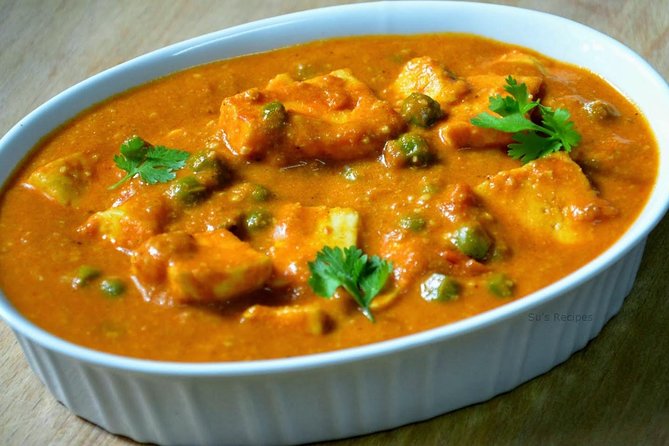
- A clear focus on vegetarian classics: especially matar paneer, a great entry point.
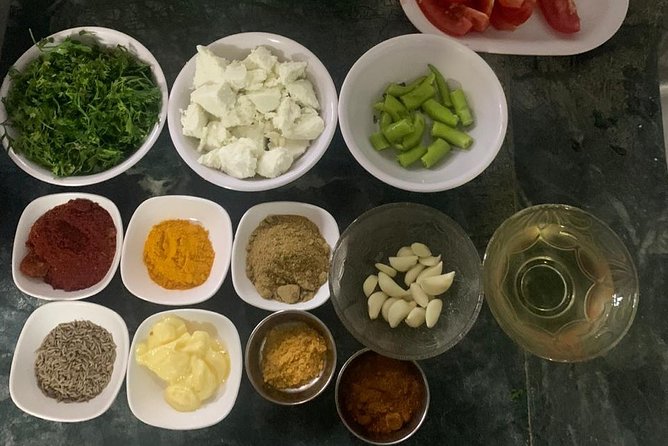
- Ingredient guidance before class: you get an ingredient list and can flag what you might not find.
- A home-kitchen setting: including family stories and the realities of cooking from a small space.
- Video is practical, not professional: plan for imperfect camera work but solid instruction.
- Small group size: max 6 travelers keeps attention on you.
From Mumbai to your kitchen: what the Skype setup feels like
This is one of those classes that works best when you treat it like a live lesson, not a prerecorded show. You’ll connect on Skype during the class window, and you cook in real time with Kajal, who’s based in Mumbai. The format is designed so you can ask questions while something is actively happening on your stove.
You also have a cameraman/second helper vibe in the background. In one account of the experience, Shailesh is mentioned as holding the camera, which helps explain why the setup is intentionally simple and clear. Translation: don’t expect cinematic angles. Do expect to see what matters for cooking—hands, pans, and what’s going into the pot.
Also note the time zone reality. Available times are in IST (Indian Standard Time). If you’re in the US or Europe, double-check the start time conversion before you commit, because a wrong time zone guess turns a great lesson into a rushed scramble.
Practical tip: join a few minutes early and make sure your audio works. If your mic is flaky or you’re fighting connectivity, you’ll lose the whole advantage of live Q&A.
You can also read our reviews of more cooking classes in Mumbai


Kajal’s vegetarian approach: why matar paneer is a smart centerpiece
The class centers on popular vegetarian Indian dishes from Mumbai, with mattar paneer (cottage cheese gravy with peas) highlighted as the favorite. That choice is smart for a home cook: it’s familiar enough in style to be learnable, but flexible enough that you can adapt ingredients depending on what you find locally.
Kajal’s background matters here. She comes from a very traditional Indian family and learned these recipes from her mom and older sister. That’s usually a sign you’ll get real cooking technique rather than just fancy flavor talk. And since she started food tours in 2017, she’s also taught these dishes to people outside her household, which helps the class translate to an international audience.
You might find the most value in how she explains the “why” behind steps like heating spices, balancing gravy thickness, and timing peas/cottage cheese so it comes out tasting like food you’d order in India—rather than bland curry-like gravy.
If you’re brand-new to Indian cooking, this is a good starting point. A lot of recipes elsewhere assume you already know what “toast the spices” or “until it coats” means. Live Q&A helps close that gap fast.
The hands-on lesson flow: how each stage plays out
Even without a formal public schedule of multiple “stops,” this class has a clear rhythm. Think of it as four phases: prep, setup, cooking with coaching, then wrapping with takeaways.
Before class (prep and ingredient readiness). After booking, you’re sent an ingredient list and instructions. The key practical detail: you can tell Kajal if something is hard to find in stores so she can advise. That one small feature can save you from last-minute substitutions that throw off texture or flavor.
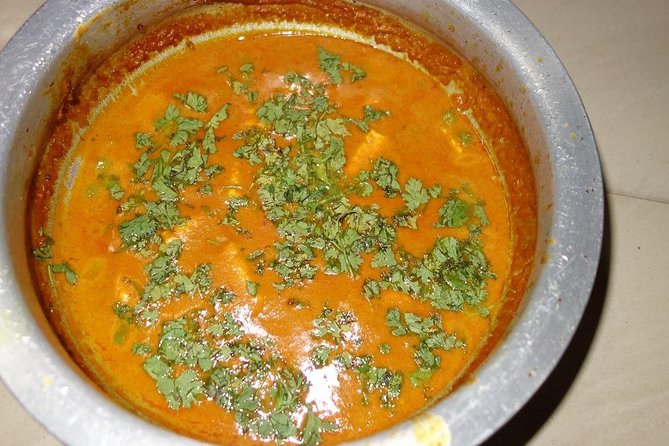
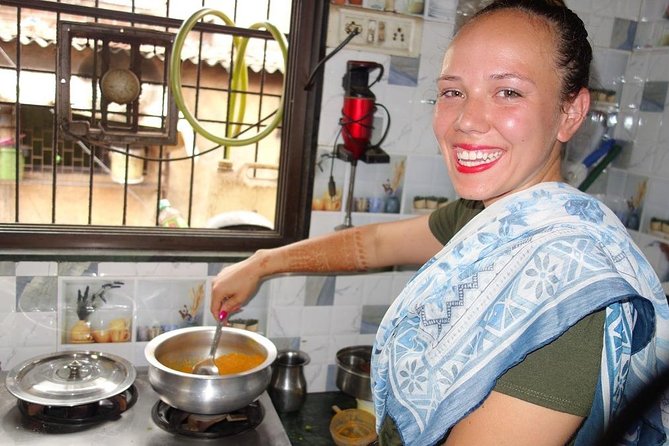
During class (step-by-step cooking). You’ll follow along in real time as Kajal cooks from her home kitchen in Mumbai. You’ll be expected to do the same steps alongside her: chopping, heating, tempering spices, building the gravy, and incorporating the peas and paneer/cottage cheese.
Real-time questions (the feature you’ll actually use). The session is set up for you to ask questions while things are underway. If your masala looks too dry, too thick, or your spice mix smells wrong, you can ask right then. That’s the difference between “I watched it” and “I made it.”
After class (keeping your momentum). You’ll have the online recipes to continue at home. The class is about learning the process so you can repeat it, not just collecting a single meal’s worth of skills.
One more nuance: this isn’t described as a professional cooking class. It’s more like cooking with a local home-chef, with stories and cultural context woven in. That can be a plus if you like food the human way—messy hands, real conversation, and the occasional explanation that starts with why a family does things a certain way.
Recipes you can actually follow: managing ingredients at home
You get online recipes ahead of (or alongside) the session to make following along easier. That sounds basic, but in practice it matters a lot for Indian cooking because small differences in spice handling and liquid amounts can change the final dish.
Here’s how to set yourself up for success:
- Use the ingredient list they send you. Don’t freestyle on day one.
- Flag likely substitutions early. If you can’t find something, message the chef with what you can get. One review specifically mentions that the ingredient list came shortly after booking and included instructions to let them know if items could not be found.
- Treat timing like part of the recipe. Live classes teach pacing. If Kajal adds peas at a certain moment to preserve texture, you’ll want to match that pacing rather than dump everything together.
Also, the experience asks you to share allergies with the chef. That’s your responsibility, but it’s also reassuring that the format leaves room for ingredient awareness. Don’t stay silent on allergens. A quick message helps the chef plan guidance appropriately.
If you live far from specialty Indian ingredients, this is where patience helps. You might need to order paneer or specific spice blends. If you want to be eating on a realistic timeline, buy what you can a week in advance when you book—booking tends to be about 7 days out on average.
The cultural part: meeting Mumbai through a home kitchen
What I like about this class is that food isn’t treated like an isolated chemistry experiment. Kajal and her household bring the dish into its home setting, and the experience includes meeting the chef, learning about her culture, and hearing stories connected to the recipes.
The class is described as coming from a small home in Mumbai’s largest slum. That detail changes the emotional tone. It’s not a polished studio; it’s a real place where cooking is life. You’re getting a window into how families cook, what gets reused, and how traditional recipes survive outside a restaurant kitchen.
In practical terms, those stories often explain technique. For example, a chef might connect spice choices to what a family regularly keeps on hand or how the dish is served at home. You end up not just learning one outcome (a pot of matar paneer), but understanding why the process works.
It’s also a useful mental shift if you’re used to following step-by-step recipes online. Here, you’re following a person. That helps you correct course as you cook instead of guessing when something looks off.
You can also read our reviews of more tours and experiences in Mumbai





Price and logistics: why $20 for 90 minutes can be good value
At $20 per person for about 1 hour 30 minutes, this is not priced like a big production. The value comes from the things you normally pay more for: live coaching and active Q&A, plus recipes you can use again.
For this price, you’re buying three major benefits:
- Real-time questions while cooking (the fastest way to improve your technique)
- A local Mumbai home-chef with family-taught recipes
- Small group size (max 6), which increases the odds that your questions get time
If you were to recreate the same learning with a friend or by watching a video, you’d still be stuck guessing. The Skype interaction is what turns it into a skill-building class.
Logistics-wise, pickup is listed as offered, and mobile tickets are listed as a feature. Since this is a virtual class, I’d treat pickup as something you should clarify with the provider at booking time (for example, whether it’s optional or tied to a specific format). Don’t assume it’s something you need to use, especially because the core experience is online.
The other logistics piece is tech. The experience explicitly asks you to ensure your internet connection is working properly. With any live class, your cooking timing matters; if the call drops, it’s not just annoying—it can throw off your cooking flow.
Small drawbacks you should plan for (so you’re not surprised)
This class has a few built-in realities. They’re not dealbreakers, but they affect what kind of experience you’ll get.
Expect non-professional video. The experience notes that they can’t deliver professional-level videography. That means you may sometimes miss a wide shot of the whole setup. The tradeoff is you still get live interaction and the important close-ups needed for cooking.
You’re cooking in your own space. That’s obvious, but it matters: your stove, pan size, and spice freshness affect cooking speed. The Q&A helps, but you should be ready to adjust.
Not a full formal “pro class.” It’s an opportunity to cook and learn with a local home-chef, and part of the value is the stories and culture around the food. If you want strict culinary-school-style structure, you might find it looser than expected. If you want practical cooking guidance and real interaction, you’ll likely enjoy it more.
Time zone mismatch. Because class times are in IST, you’ll want to plan early so the start time doesn’t create conflicts or late-night fatigue.
Who should book this class, and who might want to skip
This is a great fit if you:
- want vegetarian Indian cooking that’s repeatable at home
- like live learning where you can ask questions as problems happen
- enjoy culture-through-food, not just food-through-a-recipe
- prefer small groups and direct attention
You might reconsider if you:
- need high production quality video and spotless studio framing
- have unreliable internet (the class depends on a stable connection)
- hate interactive formats and would rather read a recipe quietly (because this is built for live Q&A)
It also works well for couples or small friend groups because the group size is max 6. You can coordinate cooking together and compare results after.
If you’re traveling somewhere and thinking about bringing the flavors home, this class is one of the few “souvenir” options that actually ends up in your saucepan.
Should you book Vegetarian Indian Cuisine with Kajal from Mumbai?
I’d book it if you want a friendly, practical way to learn mattar paneer and other vegetarian Mumbai-style dishes with a real chef and direct Q&A. The $20 price makes sense because you’re not just watching—you’re being coached while you cook, and you’ll get recipes you can keep using.
If you’re sensitive to imperfect video or you’re likely to lose connection mid-call, don’t gamble. Pick a time when your internet is strong, join early, and have your ingredients ready from the list they send.
My final take: this is less about “performing cooking” and more about learning how Mumbai home-cooking builds flavor. If that’s your goal, you’ll get a lot out of ninety minutes.
FAQ
How long is the virtual cooking class?
It runs for about 1 hour 30 minutes.
What dishes will I learn to make?
The focus is on vegetarian Indian cuisine from Mumbai, with mattar paneer highlighted as a key dish.
How do I ask questions during the class?
You join the session on Skype and can ask questions in real time as you cook.
Do I get recipes to follow along?
Yes. Online recipes are provided to make the class easier to follow.
What if I have allergies?
You should share any allergies with the chef ahead of time.
What do I need to participate successfully?
You’ll need a working internet connection for the Skype session.