REVIEW · MUMBAI
Private Market Tour and Vegetarian Cooking Class in Mumbai
Book on Viator →Operated by Traveling Spoon · Bookable on Viator
A home kitchen beats food guessing fast. This private Mumbai experience pairs a quick covered market stop with hands-on Punjabi cooking at Shilpa’s house, so you learn by doing, not watching. I especially like how the class stays practical, from picking produce and spices to cooking staple dishes you can actually remake at home. One possible drawback: the cooking pace may feel brisk, so if you want extra repeats, speak up right away.
You also get a calm, real-world setup: you’re in Matunga East at Indu Villa in a neighborhood grocery where locals shop daily, not a tourist bazaar. I like that Shilpa keeps the menu vegetarian and can do it fully vegan on request, so it works for more diets than many “Indian cooking” classes. Still, because the menu is seasonal and subject to availability, you may not get every ingredient or dish every day, even though you can ask in advance.
For value, you’re paying for three parts in one: ingredient shopping, serious cooking practice, and a sit-down meal. I also like the small extra touches—like the complimentary glass of beer and choosing lunch or dinner—because it turns the class into an actual evening out, not just a workshop.
In This Review
- Key things to know before you go
- Matunga East and the covered grocery stop: where the flavor starts
- Shilpa’s home kitchen: a private class that feels like family food
- Your Punjabi menu: what you’ll make and why these dishes work
- The roti or paratha lesson you actually control
- Paneer makhni: fresh cheese meets tomato gravy
- Dal: the lentil backbone you’ll want to reuse
- Vegan and dietary needs: how to keep the class comfortable
- Timing, pacing, and what the 3 hours feel like in real life
- Lunch or dinner plus complimentary beer: turning cooking into a meal out
- Price and value: what $64 buys you in Mumbai
- Who this experience suits best (and who might want something else)
- FAQ
- FAQ
- Where does the experience start and end?
- How long is the private market tour and vegetarian cooking class?
- Is this cooking class private or shared with others?
- What happens during the grocery store stop?
- What dishes will I learn to make?
- Can the menu be made vegan or adapted for dietary needs?
- Do I eat during the class?
- Is the start time flexible?
- What’s the cancellation window?
- Should you book this Mumbai cooking experience?
Key things to know before you go
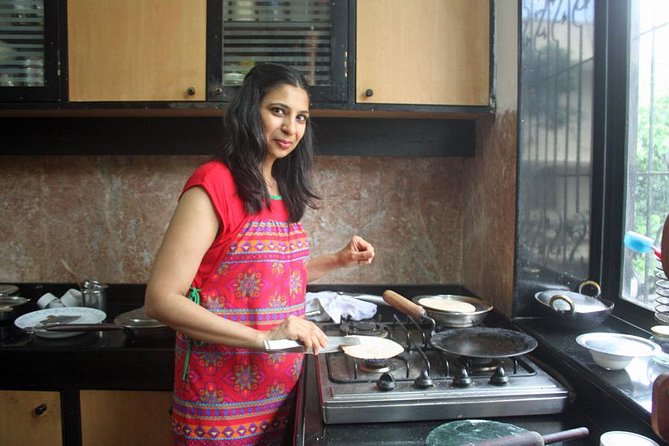
- Private attention in Matunga East: only your group participates, hosted in Shilpa’s home.
- Covered grocery store, 30 minutes: you’ll learn how locals buy fruits, vegetables, spices, and grains day to day.
- Roti or paratha, hands-on: you practice the traditional flatbread method rather than only observing.
- Up to three Punjabi dishes: roti/paratha plus paneer makhni and dal are central to the menu.
- Vegetarian only, vegan on request: Shilpa can adapt the meal fully if you ask in advance.
- Meal after the lesson: you sit down to eat what you helped make, with a complimentary beer.
Matunga East and the covered grocery stop: where the flavor starts
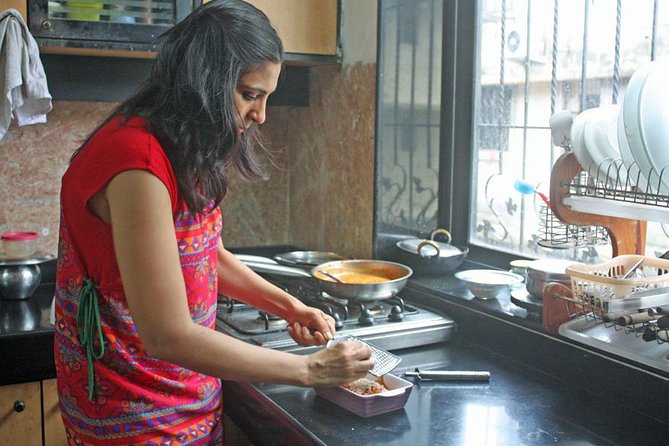
Most cooking classes talk about spices like they’re magic words. Here, you start by seeing where the ingredients come from in a place Mumbai people actually use: a covered grocery store in the Matunga Five Gardens area. You get about 30 minutes in the shop, which is long enough to notice what’s fresh and short enough that you don’t wander hungry.
This matters for practical cooking. When you shop for spices at home, it’s easy to end up with jars that don’t match what you’re trying to recreate. Seeing the everyday selection—fruits, vegetables, spices, and grains—helps you learn what to prioritize and what to swap when an exact ingredient isn’t available back home.
One more thing I like: the experience isn’t pitched as a traditional open-air market. It’s more like a local run of the essentials, which makes the lesson feel grounded rather than staged for visitors. If you prefer real daily routines over showy sights, you’ll probably appreciate this.
You might also have a chance to buy a few ingredients before heading back to Shilpa’s home. That’s a nice bonus because you can take home a couple of items that make your next attempt taste closer to what you learned.
You can also read our reviews of more private tours in Mumbai



Shilpa’s home kitchen: a private class that feels like family food
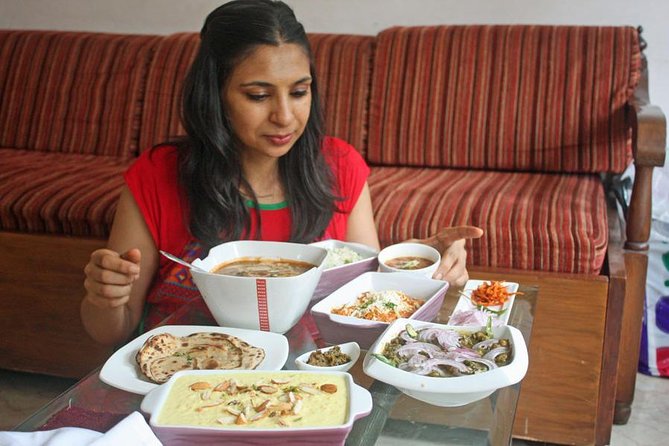
The class meets at Indu Villa (Plot no Five Garden, 602-C, Lady Jehangir Rd, Matunga East). From there, you meet Shilpa at her home, then you drive to the nearby grocery store and return for cooking. It’s a simple flow, but it’s also intimate, because you’re not rotating through a big public cooking space.
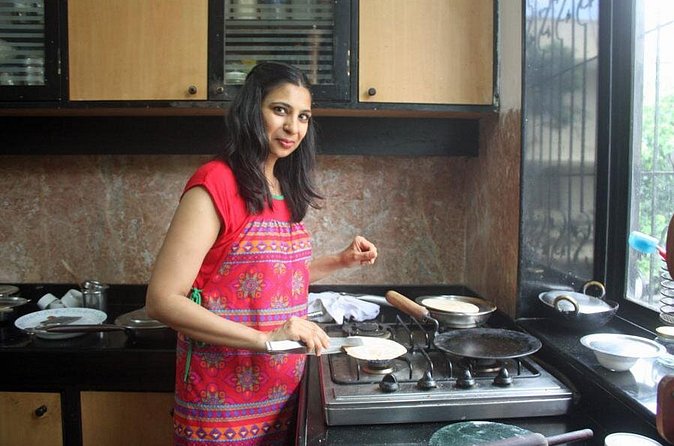
The big win is private group time. Only your group participates, so you aren’t competing with a line of people for the instructor’s attention. I like setups like this, especially for cooking basics, because small technique issues show up fast when you’re kneading dough, mixing sauces, or adjusting seasoning.
Shilpa’s role is more than “chef with a clipboard.” She’s welcoming, and people describe feeling like part of the family. You also get explanation, not just a step list. In the best moments, you’re learning the reasoning behind what you’re doing, which is exactly what you need if you want to reproduce the dishes later without chasing someone’s exact timing.
If you’re worried about being overwhelmed by too much instruction at once, keep this in mind: one detail that came up is that some steps can move quickly. The good news is that Shilpa is willing to instruct again if you ask.
Your Punjabi menu: what you’ll make and why these dishes work
This is a vegetarian Punjabi cooking class, designed around dishes that are classic, flexible, and teachable. The menu is seasonal and subject to availability, but the core items are consistent: you’ll learn roti or paratha, and you’ll work with paneer makhni and dal.
The lesson includes up to three Punjabi dishes in total. That’s a good number. If a class tries to cover five or six dishes, you often end up watching more than cooking. Here, you get enough practice that at least a couple of recipes feel genuinely “yours” by the end.
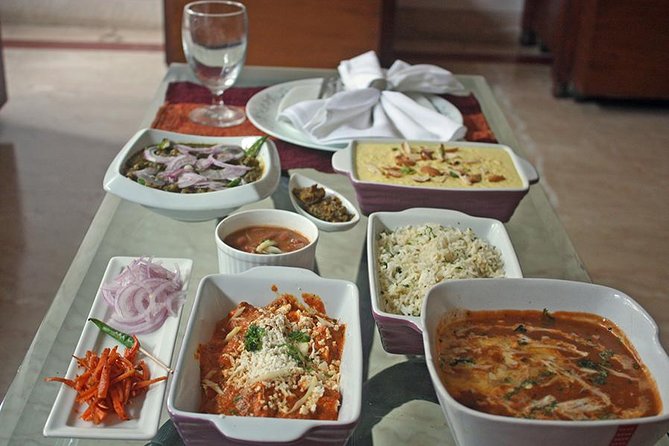
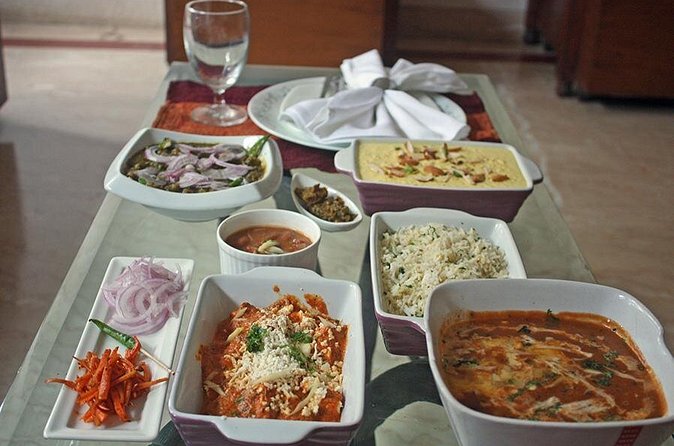
You should expect that you’ll cook and also eat what you made. After the cooking, there’s a sit-down meal with rice or Indian breads, alongside the dishes from the class. For me, that’s when the learning locks in—when you taste the result and connect it to what you just did with your hands.
The roti or paratha lesson you actually control
You’ll learn to make roti or paratha in the traditional way. The exact choice can depend on what’s on the menu that day, but either way you’re working with flatbread, which is one of the most useful skills to take home. Flatbread is also forgiving in small ways: you can adapt thickness, adjust dough consistency, and learn what “right” looks like.
Because the class is hands-on, you’re not just learning ingredients—you’re learning technique. That’s the part most home cooks struggle with. Even if you have a recipe at home, getting the dough feel and the cooking rhythm right can be the difference between edible and excellent.
A practical tip: if you’re even slightly unsure during the dough or rolling stage, ask to slow down. It’s better to get one step perfect than to rush through and regret it later.
Paneer makhni: fresh cheese meets tomato gravy
You’ll be taught how to make paneer makhni, described as fresh cheese in tomato gravy. This dish is great for learning because it has two clear parts: the soft, creamy role of the paneer and the sauce behavior of the tomato base. You’ll also eat it as part of your meal.
Even if you’ve made cheese dishes elsewhere, this is its own style. Makhni-style sauces tend to be about balance—sweetness, acidity, and spice working together so it tastes like a complete comfort food, not just “tomato with seasoning.” This is a solid choice if you want one restaurant-style dish you can recreate at home without needing specialized equipment.
You can also read our reviews of more shopping tours in Mumbai



Dal: the lentil backbone you’ll want to reuse
You’ll also learn how to make dal, the lentil component that typically anchors a Punjabi vegetarian meal. Lentils are practical because they’re affordable and easy to find at home. More importantly, dal teaches you how to season and soften legumes into something smooth and satisfying.
You’ll eat dal with rice or Indian breads, so you get a full sense of how it works as a complete plate. This is the kind of recipe that can turn into your go-to weeknight meal once you’ve done it once with guidance.
Vegan and dietary needs: how to keep the class comfortable
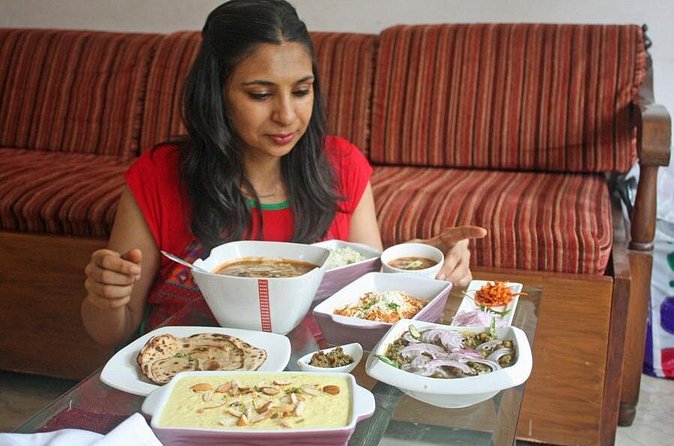
Shilpa offers only vegetarian food, and she can also do a complete vegan meal on request. That’s not a small detail. A lot of vegetarian-focused cooking classes still include dairy unless you explicitly request alternatives, and sometimes the “vegan option” ends up being a sad reshuffle.
Here, it’s built into the service. If you’re vegan—or if you need to avoid specific ingredients—message Shilpa in advance so she can plan the menu around your needs. The class also notes that the menu is seasonal and subject to availability, so early communication helps you get as close as possible to what you want to learn.
Allergies and preferences matter too. You’ll want to inform Shilpa in advance if you have dietary restrictions or allergies. Don’t wait until the day of the class, because the grocery stop happens early and the ingredient selection is tied to what’s available.
And if you want to learn a specific dish not always on the standard list, reach out in advance. The chef is flexible, and seasonal produce means some substitutions might be necessary.
Timing, pacing, and what the 3 hours feel like in real life
The experience lasts about 3 hours. That includes the local grocery visit and the cooking plus the sit-down meal. One reason this duration works is that it doesn’t eat your whole day, especially in a busy city like Mumbai.
In practice, you’ll be moving through distinct stages:
- Meet Shilpa at her home, then head to the grocery store
- Shop and learn for about 30 minutes
- Return and cook up to three Punjabi dishes
- Sit down to eat lunch or dinner (your choice)
The only pacing concern to consider is that cooking steps may run fast. If you learn best by slowing down and repeating, just tell Shilpa early. You’ll get the most out of the class if you treat it like a conversation: ask questions, confirm steps, and don’t fear a do-over.
Lunch or dinner plus complimentary beer: turning cooking into a meal out
One of the easier ways to judge value is to look at what you actually leave with: here, you leave with both skills and a full eating experience. You get a complimentary glass of beer, plus you can choose your meal timing—either lunch or dinner.
The sit-down part is important. It’s not a “cook fast, snack, then go.” You eat what you cooked, usually with rice or Indian breads, alongside the dishes from the class. That means you can taste your results and understand seasoning balance in a grounded way.
If you don’t drink alcohol, the data says you’ll be offered a complimentary beer. In that case, consider reaching out to confirm options, since the listing info only states beer is complimentary, not that it can be swapped.
Price and value: what $64 buys you in Mumbai
At $64 per person for about 3 hours, this is priced as an intimate food lesson, not a big group show. You’re paying for:
- Private participation (only your group)
- A guided grocery visit (in a covered local store)
- Hands-on cooking instruction in a home kitchen
- Up to three Punjabi dishes with a sit-down meal
- A complimentary glass of beer
That’s a lot packed into a half-afternoon/evening. The market stop isn’t long, but it’s purposeful: spices and produce are taught in context, not as random trivia. The meal is also part of the ticket value, because you’re not just learning technique—you’re tasting and eating.
Two ways to stretch the value further: go with friends if you can, and ask about group discounts. The class mentions group discounts, which can make the per-person cost feel even more reasonable.
Also, booking tends to happen a few days ahead on average (about 5 days). If your dates are fixed, don’t wait until the last minute.
Who this experience suits best (and who might want something else)
I think this class is a great match if you:
- Want a vegetarian or vegan Punjabi cooking experience with real home-style instruction
- Like learning through a grocery stop and ingredient selection, not just cooking alone
- Prefer a private, smaller setting where you can ask questions
- Want dishes you can remake at home: roti/paratha, paneer makhni, and dal are teachable and satisfying
I’d be a little more cautious if you:
- Only want open-air markets and big sightseeing stops (this is a covered grocery store)
- Need a strictly slow, step-by-step pace (one note suggests some steps can move quickly)
- Don’t drink alcohol and need a confirmed alternative to the complimentary beer
FAQ
FAQ
Where does the experience start and end?
It starts at Indu Villa, Plot no Five Garden, 602-C, Lady Jehangir Rd, Matunga East, Mumbai, Maharashtra 400019, India. It ends back at the meeting point.
How long is the private market tour and vegetarian cooking class?
The total duration is about 3 hours (approx.), including a 30-minute grocery store visit.
Is this cooking class private or shared with others?
It’s private. Only your group will participate.
What happens during the grocery store stop?
You visit a covered neighborhood grocery store and get introduced to local fruits, vegetables, spices, and grains. You may also buy a few ingredients before returning to the home for cooking.
What dishes will I learn to make?
You’ll learn to make roti or paratha (flatbread), and you’ll also learn paneer makhni and dal. The menu includes up to three Punjabi dishes.
Can the menu be made vegan or adapted for dietary needs?
Yes. Shilpa offers vegetarian food and can do a complete vegan meal on request. You should inform her in advance about dietary restrictions or allergies and any preferences.
Do I eat during the class?
Yes. The lesson is followed by a sit-down meal where you eat what you helped prepare. You’ll eat it with rice or Indian breads, and you can choose lunch or dinner. You also get a complimentary glass of beer.
Is the start time flexible?
Shilpa is flexible with her start time. Let her know your preferred start time early via WhatsApp.
What’s the cancellation window?
You can cancel for a full refund up to 24 hours before the experience’s start time.
Should you book this Mumbai cooking experience?
If you want a real Punjabi vegetarian cooking class with ingredient shopping and real home-kitchen instruction, I’d book it. The format is efficient: you learn roti/paratha technique, make two central dishes (paneer makhni and dal), then sit down and eat as a finished meal.
It’s also strong on inclusivity for diets because vegan is available on request, and you can reach out in advance if you want specific dishes or have allergies. With a 4.7 average rating and a 93% recommendation rate, it’s clearly landing well with people looking for an authentic, hands-on food day.
Just go in with the right expectation: this is about a neighborhood covered grocery store and a home cooking lesson, not an open-air market adventure. If that fits your style, you’ll come away with recipes you can actually cook—not just memories of tasting someone else’s food.