REVIEW · MUMBAI
Group Guided Walking Tour in Fort and Colaba
Book on Viator →Operated by M/s Khaki Tours · Bookable on Viator
Mumbai teaches fast when you walk it. This Fort and Colaba guided stroll strings together some of the city’s most famous photo backdrops with an actual story of how Mumbai grew over roughly 500 years. I love the small group size (up to 12) because you’re not being rushed or swallowed by the crowd, and I also love how the guide offers local context plus practical recommendations and tips. The one thing to consider is that the tour is weather-dependent, so you’ll want to be ready for heat or rain.
You’ll cover a smart mix of grand institutions, old churches, colonial-era squares, and Jewish heritage sites in about 2 hours 30 minutes. Each stop is designed to be quick but meaningful, and the mobile ticket makes it easy to stay on schedule. Since it’s mostly outdoors, your comfort will depend on what the day is like.
In This Review
- Key Highlights You’ll Actually Notice
- Why Fort and Colaba Makes Sense for a First Mumbai Walk
- Price and Timing: What You’re Paying For (and What You Aren’t)
- Town Hall (Asiatic Society Library) and the Story After Colonization
- Horniman Circle Garden: Victorian Buildings Around a Local Green Heart
- St. Thomas Cathedral Mumbai: Go Inside Mumbai’s Oldest Anglican Church
- Flora Fountain and Oval Maidan: Squares, Cricket, and Big-Money Institutions
- Rajabai Clock Tower: Mumbai’s Version of Big Ben Energy
- Kala Ghoda Art District: Architecture You Can Actually Read
- Keneseth Eliyahoo Synagogue and a Jewish Enclave You’ll Want to See
- Ending at the Gateway of India and Taj Mahal Palace Hotel
- How to Get the Most From 2 Hours 30 Minutes
- Who This Tour Fits Best
- Should You Book This Fort and Colaba Guided Walking Tour?
- FAQ
- How long is the Group Guided Walking Tour in Fort and Colaba?
- How many people are in the group?
- What are the main stops on the walk?
- Is there an admission fee for the stops?
- Where does the tour start and end?
- What happens if it’s bad weather or you need to cancel?
Key Highlights You’ll Actually Notice

- Up to 12 people: easier questions, better pacing, more direct guide time
- Photo-friendly route: you’ll hit the Gateway area landmarks that people travel for
- About 500 years of Mumbai explained without turning it into a lecture
- A stop inside St. Thomas Cathedral to see the interior and memorials
- Old Mumbai landmarks with quick context at Town Hall, Rajabai, and Kala Ghoda
- Free entry at each listed stop so your money stays in your pocket
Why Fort and Colaba Makes Sense for a First Mumbai Walk
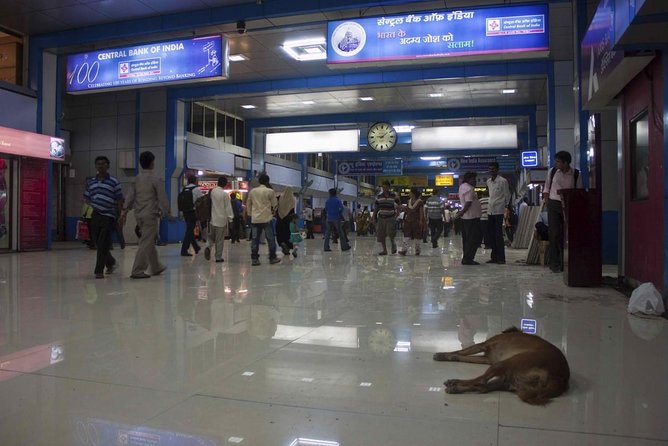
Fort and Colaba are where Mumbai’s big story becomes visible. You see the blend of old trading life, colonial influence, and the city’s later “modern” identity—often within a few blocks. On a short walking tour, that matters. It means you get orientation fast: where important institutions sit, why certain squares matter, and how neighborhoods took shape.
What I like about this format is that it’s not just a checklist of landmarks. The guide connects the dots—Portuguese and British colonization come up early, then you shift into how the city evolved into the metropolis you recognize today. You’ll also get a photo plan built into the route, so you’re not spending your limited time hunting for angles.
At about $16.73 per person for roughly 2.5 hours, the value is mainly in the guide. Many sightseeing days in Mumbai are expensive only when you add transport and museum fees. Here, the stops are set up so admission is free where indicated, and the guide helps you understand what you’re looking at while you’re walking.
You can also read our reviews of more walking tours in Mumbai


Price and Timing: What You’re Paying For (and What You Aren’t)
At $16.73, you’re paying for:
- a guided walking pace that keeps you moving efficiently
- local historical context that helps landmarks “click”
- practical tips the guide can share while you’re in the area
You’re not paying for costly add-ons, because each scheduled stop lists free admission. That’s a big deal in cities where you can burn your budget quickly on tickets. Here, you get to spend your money on time and interpretation instead.
The tour is 2 hours 30 minutes (approx.), and it typically books about 6 days in advance on average. That suggests it’s popular but still reasonable to reserve ahead. Also, the tour uses a mobile ticket, which is one less thing to manage in a busy city.
If you hate walking in bad weather, take this seriously: the experience requires good weather. If it’s canceled due to poor conditions, you’ll be offered a different date or a full refund.
Town Hall (Asiatic Society Library) and the Story After Colonization
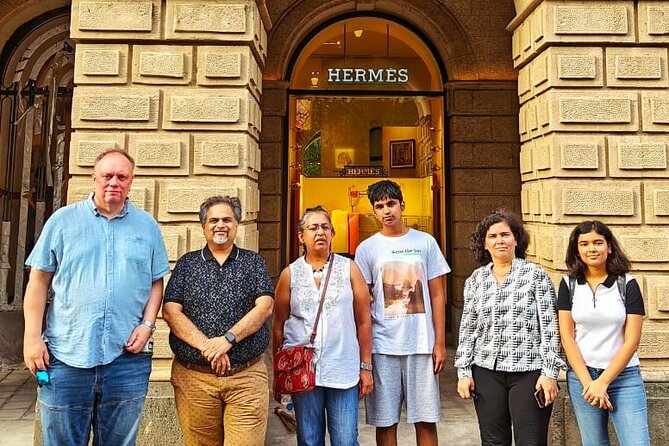
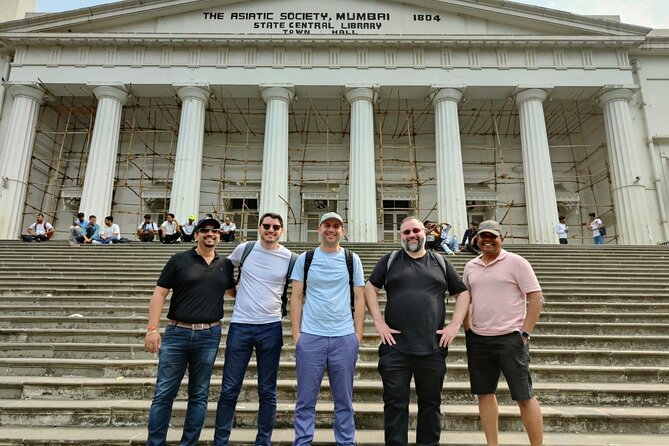
You start at the Asiatic Society area, tied to Town Hall and the Asiatic Society Library. This stop is more than a pretty exterior moment. It’s positioned to set the tone: the guide talks about how Mumbai took shape after Portuguese and British colonization.
Why this works: if you start with the “why,” the rest of the walk becomes easier. You don’t just see buildings—you understand the power shifts and cultural layering behind them. It also helps you spot architectural cues later. A lot of Mumbai’s most photographed facades feel random if you haven’t been given the historical frame.
This is a short stop (about 20 minutes), so you’ll want to arrive ready to look up and listen. If you tend to miss details when you’re rushing photos, this is where you can slow down and actually learn something.
Horniman Circle Garden: Victorian Buildings Around a Local Green Heart
Next you head to Horniman Circle Garden, described as Mumbai’s oldest garden, surrounded by Victorian buildings. This stop is the “reset” in the middle of the walk—less about grand interiors and more about seeing a piece of planning and everyday life.
The guide explains what used to happen here, and that’s what makes it worth your time. Gardens are often treated like breathing room, but in older parts of cities they can be social stages. When you understand the past activities, the space feels less empty.
Expect about 15 minutes. It’s enough time to notice the setting around you and connect it to the broader colonial-era city structure the guide has been building for you.
St. Thomas Cathedral Mumbai: Go Inside Mumbai’s Oldest Anglican Church
Then comes St. Thomas Cathedral Mumbai, one of the key “inside” moments of the tour. You spend about 15 minutes inside, admiring the memorials and the grand altar.
This stop is valuable because outdoor landmarks can blur together. Churches give you texture—materials, layout, and memorial culture. The cathedral being described as Mumbai’s oldest Anglican church also tells you this isn’t just architecture tourism; it’s religious and cultural history you can physically experience.
A practical note: interior lighting and viewing angles can affect photos, so think of this stop as observation first. The photos will come, but the real win is understanding what you’re looking at when you’re standing there.
You can also read our reviews of more guided tours in Mumbai






Flora Fountain and Oval Maidan: Squares, Cricket, and Big-Money Institutions
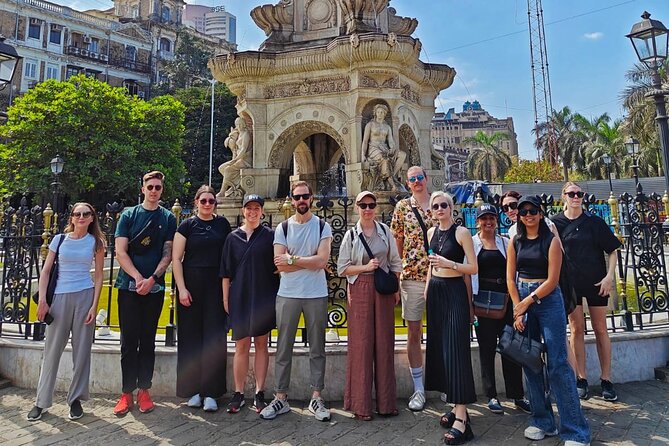
From St. Thomas Cathedral, you move into the center’s public-world energy with Flora Fountain. It’s described as Mumbai’s answer to Piccadilly Circus and the Martyrs’ Memorial in the main town square. That comparison matters because it tells you what the spot feels like: a civic focal point where the city shows itself.
Right after that, you’re at Oval Maidan, where the big point is the setting around the birthplace of Indian cricket. The description also calls it a UNESCO World Heritage site. That’s your clue that the surrounding buildings aren’t random either. The “stage” matters.
This stretch is about 15–20 minutes per stop, which means you get just enough time:
- to orient yourself visually
- to understand why these squares and fields became central
- to connect public spaces with the institutions around them
If you like sports history or you’ve ever wondered why cricket culture feels so built into Mumbai’s identity, this is a strong stop. You’ll see how civic space and cultural life overlap.
Rajabai Clock Tower: Mumbai’s Version of Big Ben Energy
Next, you reach Rajabai Clock Tower, described as Mumbai’s answer to Big Ben. You spend around 15 minutes, and the focus is on stories about the evolution of the University of Mumbai.
Here’s what I think makes this stop work for most people: it’s an easy visual hook. You can see the clock tower and instantly understand the “symbol” idea. Then the guide adds meaning—how the university evolved, why it’s tied to the city’s identity, and what the tower represents beyond being a landmark.
If you’re the kind of person who likes architecture but doesn’t want to become a full-time architecture student, this is a good balance: one strong visual anchor, one clear historical thread.
Kala Ghoda Art District: Architecture You Can Actually Read
Then you head into Kala Ghoda, described as Mumbai’s premier art district. The guide points out the diverse architecture and shares the secrets the buildings hold.
This is one of those stops where your experience depends on how you listen. You might see Kala Ghoda as just a pretty neighborhood until the guide explains what to notice—styles, composition, and how the area developed around cultural uses.
You only get about 15 minutes, but that’s often perfect here. Too long and you start drifting into “photo mode only.” Too short and you don’t catch the architectural cues. This length usually hits a sweet spot.
Keneseth Eliyahoo Synagogue and a Jewish Enclave You’ll Want to See
Next is Keneseth Eliyahoo Synagogue, in what’s described as Mumbai’s Jewish enclave. The key message: Jewish signs of life are now almost extinct in the city, so this is a rare visible thread.
You spend around 15 minutes. Because this stop is smaller and more specific than the major public squares, it can feel more personal. It’s also a reminder that Mumbai’s identity isn’t only built from the biggest empires and the loudest streets. There are minority histories embedded right into the city fabric.
If you care about the full picture—plural identities, migration, and what remains—this is an important pause.
Ending at the Gateway of India and Taj Mahal Palace Hotel
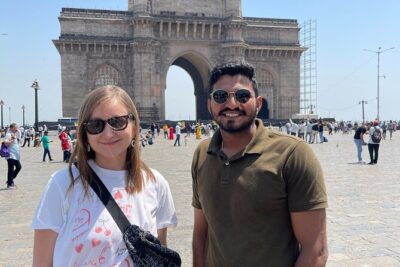
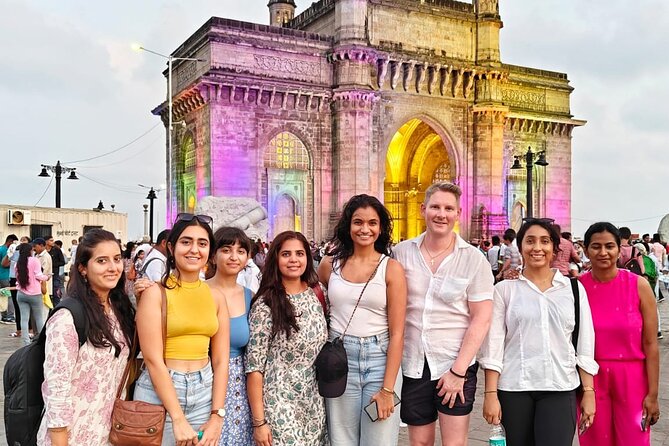
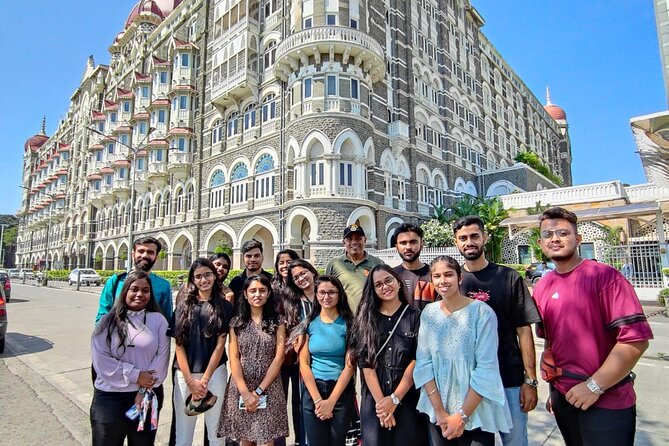
Finally, you end at Gateway of India, with the walk finishing near Taj Mahal Palace Hotel. This is one of the most iconic “you’re really here” moments in the city, and the stop is about 20 minutes.
This ending works well for pacing. After 2.5 hours of context and side streets, you land where people expect the grand skyline and the sense of arrival. It’s also where your photos start looking like actual Mumbai travel photos instead of street-level snapshots.
If you want to slow down and savor, this is the moment. The guide’s context earlier helps you see the Gateway area not just as scenery, but as part of the city’s trading-and-empires story.
How to Get the Most From 2 Hours 30 Minutes
This tour is designed around a brisk but not frantic pace, with quick stops that add up. To get the most out of it:
- Keep your phone handy, but also look up. A lot of what you’ll hear is tied to what you can see from eye level.
- Ask at least one question when something feels unclear. With a group capped at 12, you’re more likely to get a direct answer.
- Wear comfortable shoes. The route is a walking tour, and you’ll want your feet to feel neutral, not angry.
One small “nice surprise” from feedback is that some tours include a complimentary coffee break in the middle. It’s not something you should bank on every time, but it’s a good sign: the experience isn’t only about marching from spot to spot.
Who This Tour Fits Best
I’d point you to this tour if:
- you want a high-quality overview of Old Mumbai without overcommitting to a full day
- you like learning the reason behind the landmark, not just the landmark name
- you prefer a small group setting where you can actually ask questions
It’s also a solid pick if you’re short on time and you want the city’s key neighborhoods—Fort and Colaba—without doing separate planning for each stop.
If your idea of travel is mostly museum-style and you hate walking outside, you might find the format a little too active. But if you’re okay with a few kilometers on foot and you want context, this works.
Should You Book This Fort and Colaba Guided Walking Tour?
Yes, I think you should book it if you want an efficient, guided way to connect the biggest Mumbai icons with the city’s larger story. The small group size (max 12), the fact that you get meaningful history at multiple stops, and the free admission listed for the scheduled places all make it feel like a strong value at $16.73.
Book with confidence if:
- you’re going to be in Mumbai soon and want your bearings fast
- you enjoy architecture and want practical local insights from your guide
- you want to end at the Gateway area with photos that feel earned
Skip it (or at least reconsider) if:
- you’re traveling in conditions where you expect heavy rain or storms, because the tour requires good weather
- you don’t want to walk for about 2.5 hours outdoors
FAQ
How long is the Group Guided Walking Tour in Fort and Colaba?
The tour lasts about 2 hours 30 minutes.
How many people are in the group?
The maximum group size is 12 travelers.
What are the main stops on the walk?
You’ll visit Town Hall (Asiatic Society Library), Horniman Circle Garden, St. Thomas Cathedral Mumbai, Flora Fountain, Oval Maidan, Rajabai Clock Tower, Kala Ghoda, Keneseth Eliyahoo Synagogue, and end at the Gateway of India near Taj Mahal Palace Hotel.
Is there an admission fee for the stops?
Admission is listed as free for the stops included in the tour.
Where does the tour start and end?
It starts at the Asiatic Society (Town Hall) area in Fort and ends at the Gateway of India in Colaba.
What happens if it’s bad weather or you need to cancel?
You can cancel for a full refund up to 24 hours before the experience’s start time. If poor weather causes cancellation, you’ll be offered a different date or a full refund.