REVIEW · MUMBAI
Heritage Walk: Recommended by Gigi Hadid as a must-do in Mumbai
Book on Viator →Operated by No Footprints · Bookable on Viator
South Mumbai tells its story best on foot. This private heritage walk links famous sights like the Asiatic Society area and Kala Ghoda with real local anecdotes, plus a quick break at Yazdani. If you like ideas that also get celebrity nods, this one was highlighted as a must-do for Mumbai.
I like that hotel pickup and drop-off are built in (with a note for some Suburban-hotel locations), so you spend energy sightseeing instead of figuring out logistics. I also like that the tour includes a practical food stop at a well-known Parsi bakery, so you’re not hunting for snacks mid-walk.
The main thing to consider: this is a walking-and-looking route with short stops, so if you’re hoping for lots of long interior visits, you might want a different style of tour. The payoff is the flow of stories across Fort-era to modern Mumbai, guided in a way that can flex to your pace—guided by people like Meherbeen and Dereck, who’ve shown up ready to adapt when timing or interests shift.
In This Review
- Key Things You’ll Notice on This South Mumbai Heritage Walk
- Starting at the Asiatic Society: Fort-Era Mumbai Gets Real Fast
- Town Hall to Horniman Circle: Colonial Streets and Small-Scale Details
- Yazdani Restaurant & Bakery Snack Stop: The Break That Keeps the Tour Fun
- Flora Fountain and the Hutatma Smarak Story: Mumbai’s Expansion Timeline
- Bombay Stock Exchange: Banyan-Tree Origins and the City’s Money Pulse
- Keneseth Eliyahoo Synagogue: Jewish Heritage and the Sassoon Family Influence
- Kala Ghoda Art Precinct: Watson Hotel, Mark Twain, and Creative Old Streets
- Lion Gate and the Old Docks: Ice King Mystery and Civil War Connections
- Guide Style and Tour Pace: Why Private Usually Feels Better
- Price and Value: Is $44.39 a Good Deal?
- Who This Heritage Walk Suits Best (and Who Might Skip It)
- Should You Book This South Mumbai Heritage Walk?
- FAQ
- How long is the Heritage Walk in South Mumbai?
- Is hotel pickup and drop-off included?
- What food is included on the tour?
- Is this a private tour?
- Do you run the tour on the day of the Mumbai Marathon?
- Can children join for free?
- What happens if the weather is poor or I cancel?
Key Things You’ll Notice on This South Mumbai Heritage Walk
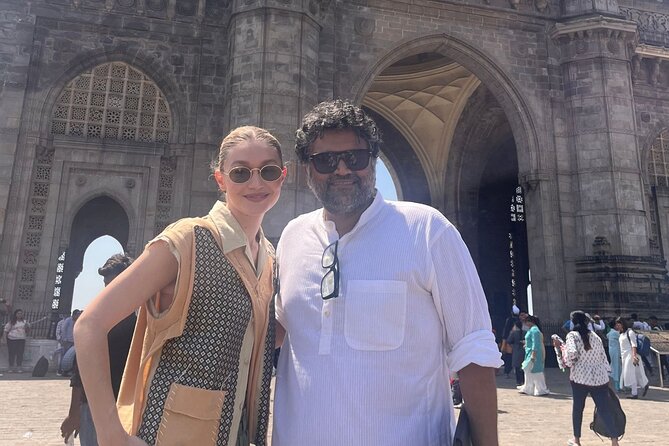
- Private, personal attention from a professional guide, just for your group
- Hotel pickup and drop-off (with extra cost possible for some Mumbai Suburban pickups)
- Yazdani Restaurant & Bakery snack included, right in the middle of the route
- A walk packed with landmark contrasts, from colonial-era institutions to dockside legends
- Story-heavy stops tied to gas lights, banyan-tree origins, and “Ice King” mystery talk
Starting at the Asiatic Society: Fort-Era Mumbai Gets Real Fast
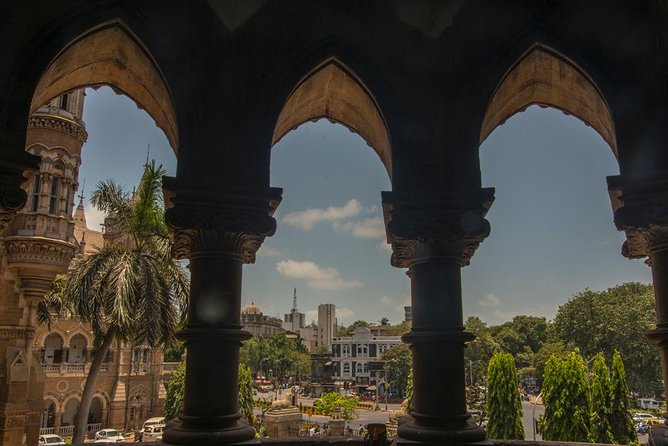
Most heritage tours in Mumbai start with big names. This one starts with context. You meet at Asiatic Society, Mumbai / Town Hall area near Shahid Bhagat Singh Rd, in the Fort zone, and the guide sets the scene with the story of the old Bombay Fort beginning behind the Asiatic Society area.
From there, you’re not just “seeing a building.” You’re learning why this part of town matters. The Asiatic Society stop is tied to the mid-1800s world—especially the early show-and-tell of gas lights—and the guide also shares amusing, human-scale anecdotes tied to the city’s later political history. Even if you’ve been to Mumbai once before, this kind of framing helps you notice details you’d otherwise walk right past.
Time-wise, it’s tight but not rushed: a quick look at the surrounding landmarks, then moving on. The whole route is designed for a 3 to 4 hour pace with moderate walking, which is perfect for a first-time “get your bearings fast” day in South Mumbai.
You can also read our reviews of more walking tours in Mumbai

Town Hall to Horniman Circle: Colonial Streets and Small-Scale Details
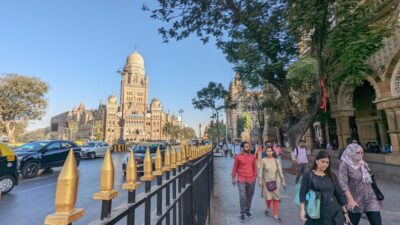
The next stretch is all about how Mumbai’s colonial-era planning still shapes your route. You’ll move through the Horniman Circle Garden precinct and head toward the St. Thomas Cathedral area. This is one of those parts of South Mumbai where the geometry makes you slow down. The streets feel planned, and the open garden space makes the walk more breathable.
The guide’s job here is to connect physical space to stories. That might sound abstract, but it really helps on foot. As you cross from one landmark cluster to another, you start clocking how Mumbai developed outward from the Fort limits—so later stops hit harder.
If you’re the type who likes photos, you’ll do well here: garden views, church-adjacent streets, and the general “historic South Mumbai” vibe. If you’re more into social history than architecture, you’ll still get value because the guide’s explanations are designed to make the city readable.
Yazdani Restaurant & Bakery Snack Stop: The Break That Keeps the Tour Fun
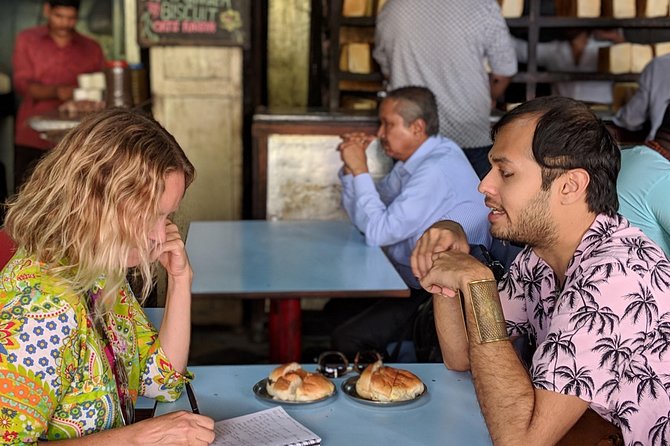
This tour’s middle stop is smart: Yazdani Restaurant & Bakery. It’s short enough that you won’t lose momentum, but it’s timed right so you’re not walking hungry through the most story-dense parts of the route.
Why it matters: Mumbai’s heat and pace can sneak up on you, even in cooler months. A built-in food moment means you can focus on the guide’s explanations instead of worrying about where to eat. It also adds a real local flavor to the experience—this isn’t just a photo break; it’s a snack stop that connects you to the city’s Parsi food culture.
Diet details aren’t provided here, so if you have strict needs, you’ll want to check with the operator before booking. But as a general “keep you comfortable for the rest of the walk” plan, it’s a strong move.
Flora Fountain and the Hutatma Smarak Story: Mumbai’s Expansion Timeline
Next comes Flora Fountain, which is presented as a marker of Mumbai’s expansion beyond the Fort limits. That single fact can change how you see the surrounding area. Instead of treating landmarks like random stops, you start seeing the city’s growth as a path—outward, toward new civic identity.
You’ll also hear about Hutatma Smarak and get a story tied to the division of the state of Maharashtra. That sort of political-human connection is exactly what makes heritage walks more than architecture sightseeing.
The practical side: this is one of the stops where you’ll likely have a moment to reset, look around, and take photos. The guide will keep you moving, but the pacing is friendly enough to stay engaged rather than feeling herded.
Bombay Stock Exchange: Banyan-Tree Origins and the City’s Money Pulse
Then the tour shifts gear—still in the same South Mumbai story arc, but with a different energy. At Bombay Stock Exchange, you hear how the institution grew from humble beginnings under a banyan tree into the monumental structure people recognize today.
This is one of the most useful stops for first-timers because it anchors Mumbai’s modern identity in something you can almost picture. The guide’s storytelling approach makes it feel less like a finance lecture and more like a city legend about growth, ambition, and infrastructure.
A possible drawback here: if you expected a long interior visit, the experience is more about seeing and hearing the story than sitting in a museum-style setting. The stop duration is short, and the tour format stays walking-focused. Think of it as a “context checkpoint,” not a full-day dive into financial institutions.
You can also read our reviews of more historical tours in Mumbai



Keneseth Eliyahoo Synagogue: Jewish Heritage and the Sassoon Family Influence
Mumbai’s heritage is layered, and this tour makes that clear with a stop at Keneseth Eliyahoo Synagogue. You’re introduced to the city’s Jewish heritage and the lasting impact of the Sassoon family—a name that shows up across Mumbai’s history.
You won’t just get a one-line description. The guide frames it as how families and communities shaped the city over time, and how those influences still show in the landmarks and neighborhood character. For many people, this becomes a highlight because it adds a different lens to the standard colonial/industrial story line.
It’s also a quick stop, so don’t expect a deep lecture that turns into a history seminar. Expect something that gives you enough to understand why this site matters, plus leads naturally into what comes next.
Kala Ghoda Art Precinct: Watson Hotel, Mark Twain, and Creative Old Streets
Kala Ghoda is where the tour’s “story + place” method really starts clicking. This is framed as an art precinct, but you’re not just getting street art vibes. The guide ties it to history again, including the Sassoon and Jewish heritage threads you heard near the synagogue.
One standout story centers on the Watson Hotel, described as the first iron cast building in the city and one that hosted Mark Twain. Even if you’re not a “Mark Twain nerd,” it’s a memorable way to connect Mumbai to world-famous names and the way global travelers once moved through the city.
This is also where the route’s walking rhythm pays off. You’ve seen institutions, civic markers, and economic power. Now you’re in a neighborhood where creative identity and old-world architecture overlap, and the guide helps you connect those dots out loud.
You’ll finish in the Kala Ghoda area at the Ador House / Archana & Harish Mittal Art Initiative, so it’s a smooth landing if you want to keep exploring on your own after the tour ends.
Lion Gate and the Old Docks: Ice King Mystery and Civil War Connections
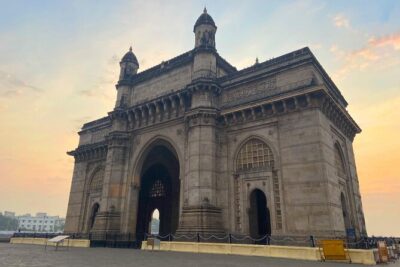
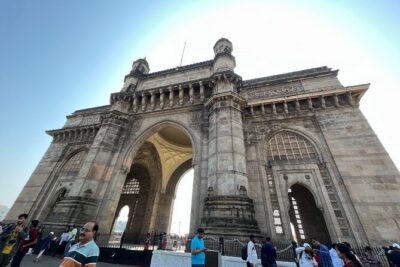
The final stop, Lion Gate, brings the mood toward dockside folklore. You’re taken to the old docks area and introduced to stories that feel more like urban legends than standard tourist facts—like the mystery of the Ice King.
There’s also a connection shared to the American Civil War. That may sound like a random history hop, but in Mumbai’s dockside context, the city’s global links make more sense. You’re seeing how trade, ships, and port life can connect faraway events back to local streets.
This ending works because it gives you a “last image” that’s different from the earlier institutional sights. It also makes it easier to remember the tour as a story arc: Fort-era beginnings, colonial planning, economic growth, community layers, art district identity, then dockside legend.
Guide Style and Tour Pace: Why Private Usually Feels Better
The big promise is private tour—only your group participates—and the results are often practical. You’re not waiting for strangers to decide where to stand for a photo. If you’re late, your guide can adjust; one example shared with Dereck includes waiting despite a late arrival and then shaping the tour around your interests.
Another guide example: Meherbeen has been described as adjusting for comfort and timing and keeping things moving with a short local transport hop when helpful. So even if the walking plan looks straightforward on paper, it can flex based on real-world conditions like heat and traffic.
Also note: the order of stops can change based on the guide’s judgment and on-ground traffic. That matters because South Mumbai can be slow-moving. You’ll feel it, but you won’t feel helpless, since the guide is already working around it.
Price and Value: Is $44.39 a Good Deal?
At $44.39 per person, you’re paying for a guided walk that lasts roughly 3 to 4 hours, includes professional guidance, covers all fees and taxes, and also throws in a quick Yazdani snack plus hotel pickup and drop-off in the included model.
Whether it’s good value depends on your travel style:
- If you like structure and local context, this looks like a fair setup because the included items reduce the hassle cost.
- If you’re the type who wants to wander slowly and spend long stretches inside major buildings, you may feel the time is too tight, and you might want a different itinerary with longer museum or monument entry time.
A detail that can tilt value in your favor: many stops are listed with admission ticket free, which tends to mean you’re not stuck paying extra at every corner.
Who This Heritage Walk Suits Best (and Who Might Skip It)
This tour is a great fit if you want:
- A South Mumbai overview that connects multiple eras instead of repeating the same “big sights” script
- A walking day with easy pacing and a guide who tells stories that make landmarks easier to remember
- A food break that’s part of the plan, not an afterthought
It might be less ideal if you:
- Want lots of long interior visits and ticketed museum time
- Don’t like being on your feet for several hours, even at a moderate level
If you’re traveling with kids under 9, note that children below 9 can join free of cost, which makes it more family-friendly than many paid walking tours.
Should You Book This South Mumbai Heritage Walk?
I’d book it if you’re arriving in Mumbai and want a smart first-or-second-day experience that teaches you how the city grew—Fort to finance, community to art, dockside legends to modern skyline energy. The combination of private guiding, pickup/drop-off, and a Yazdani snack makes it practical, not just pretty.
Hold off or compare options if your top priority is going inside major landmarks for long periods. This route is more about outdoor storytelling, short stops, and keeping your momentum through central South Mumbai.
If you do book, wear good walking shoes and plan for weather. The experience is described as weather-dependent, with the option to switch dates or get a full refund if it’s canceled due to poor conditions.
FAQ
How long is the Heritage Walk in South Mumbai?
It runs for about 3 to 4 hours.
Is hotel pickup and drop-off included?
Yes, hotel pick-up and drop-off are included. If you need pick-up from Mumbai Suburban hotels, there may be additional transport cost.
What food is included on the tour?
A quick snack is included at Yazdani Restaurant & Bakery.
Is this a private tour?
Yes. Only your group participates.
Do you run the tour on the day of the Mumbai Marathon?
No, the tour is not conducted on the day of the Mumbai Marathon.
Can children join for free?
Children below 9 years old can do the tour for free of cost.
What happens if the weather is poor or I cancel?
The experience requires good weather. If it’s canceled due to poor weather, you’ll be offered a different date or a full refund. You can cancel for free up to 24 hours in advance for a full refund.