REVIEW · MUMBAI
Walking Tour of Dharavi Slum in Mumbai
Book on Viator →Operated by Amaze Mumbai Tour · Bookable on Viator
Dharavi is not what you expect. A guided walk through this dense Mumbai neighborhood turns a loaded word into something you can actually see: small industries, busy community life, and daily routines explained by people who know the area. I especially like how the tour spotlights hands-on work in tight spaces and how guides keep the tone respectful and grounded.
One possible drawback: you can’t take photos at certain locations, and the walking is not “museum easy.” If you hate tight crowds or need nonstop sit-down breaks, plan for a more practical, watch-your-step kind of outing.
In This Review
- Key things I’d plan around
- Why a Dharavi walking tour beats a drive-by
- Starting at Mahim Station: simple logistics, real city energy
- Stop 1 in Dharavi: one million people, side-by-side faiths
- Leather work in Dharavi: watching the most dominant industry at play
- Pottery-making: how craft survives in cramped spaces
- The community spirit you can actually see
- Photography rules and clothing: respect matters here
- Price and value: $12 for a local-led reality check
- Who should book this Dharavi walk (and who might not)
- Should you book this Dharavi walking tour?
- FAQ
- Where does the Dharavi walking tour start?
- Where does the tour end?
- How long is the tour?
- How much does it cost?
- Is food included?
- Is photography allowed?
- How big is the group?
- Do I need hotel pickup?
- What should I wear or bring?
- What’s the minimum age for kids?
Key things I’d plan around
- Meet near Mahim Station West for an easy start before you head into the neighborhood on foot.
- A small group (up to 15) keeps it manageable and helps the guide steer you safely through busy lanes.
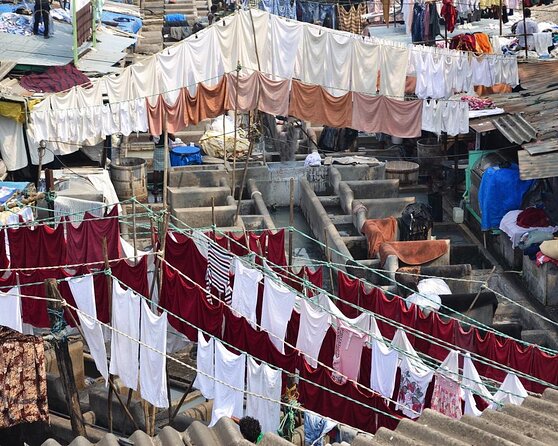
- Leather and pottery are the star stops, with a focus on how work gets done in very confined areas.
- No hotel pickup means you’ll want to arrive a bit early and be ready to walk from the meeting point.
- Photography is restricted in some spots, mainly for residents’ privacy.
- Local guides drive the experience, and named guides like Ganesh, Alam, and Dawood are described as caring about safety and clear explanations.
Why a Dharavi walking tour beats a drive-by
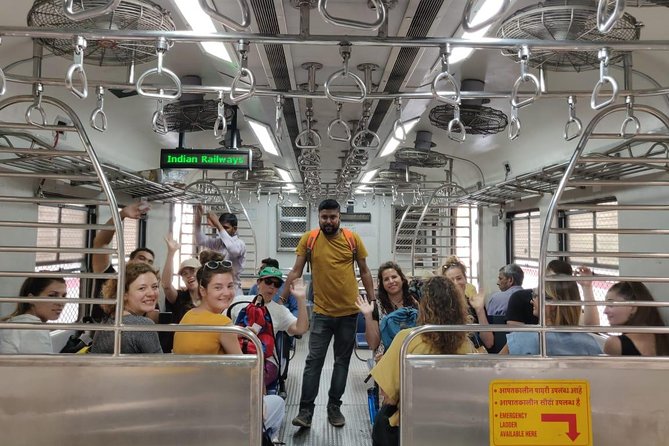
If your mental picture of Dharavi is only headlines and stereotypes, this tour is a reset. You walk through a real neighborhood where people live, worship, trade, and make things—often with remarkable ingenuity in limited space.
The value for you is perspective with context. Instead of treating the area like a static “thing to see,” the guide explains how everyday life is organized, how work gets done, and how community ties hold everything together.
And yes, it’s eye-opening. Just keep it practical: you’re learning by watching and listening, not collecting quick facts.
You can also read our reviews of more walking tours in Mumbai



Starting at Mahim Station: simple logistics, real city energy
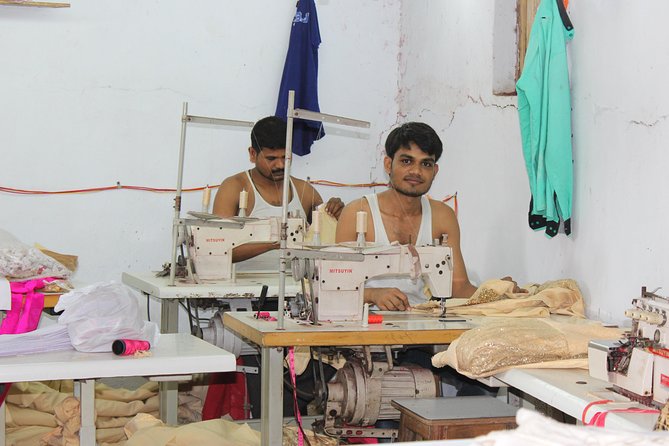
You start in the morning near Mahim Station (West), outside a Cafe Coffee Day. The exact meeting point matters here, because Mumbai moves fast and foot traffic can be intense. Arrive a little early so you’re not trying to find the group while everyone else is already walking.
The tour lasts about 1 hour 30 minutes to 2 hours. That’s a sweet spot for people who want a focused experience without burning an entire day, but it’s still enough time to feel the neighborhood’s rhythm rather than just skimming it.
The tour ends in Dharavi near a Sai Multispeciality Hospital & Research Centre, opposite the hospital. Plan to continue your day from there rather than expecting a return to your original starting point.
Stop 1 in Dharavi: one million people, side-by-side faiths
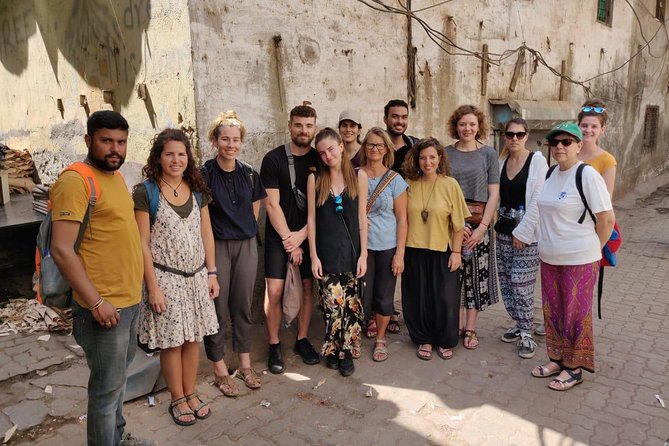
The first stop is Dharavi itself—your orientation moment. Your guide sets the tone: this is one of Asia’s largest slum neighborhoods, with a population close to one million. More important than the statistic is what it means on the ground: dense living, constant movement, and communities that have developed their own systems.
You’ll see how diverse the area is. People live here from all over India, and the mix shows up in the built environment—temples, mosques, and churches side by side. It’s the kind of detail that makes the neighborhood feel like a place, not a label.
This is also where you learn how the guide challenges negative stereotypes attached to the word “slum.” The walk is designed to steer you toward what’s working: industry, skill-sharing, and community spirit.
Leather work in Dharavi: watching the most dominant industry at play
Leather is one of the most dominant industries in Dharavi, and it’s given extra attention on the walk. You’ll spend time at the Dharavi Leather stop(s), where the guide explains what leather work looks like in practice.
Here’s what I think you’ll find most useful: the tour focuses on process, not pity. You see how manufacturing happens in very confined spaces, and you learn why small-scale techniques matter when every square meter counts.
This is also a moment to slow down your expectations. It’s not a polished showroom. It’s working life—busy, hands-on, and explained in a way that helps you understand the workflow instead of just staring at objects.
Pottery-making: how craft survives in cramped spaces
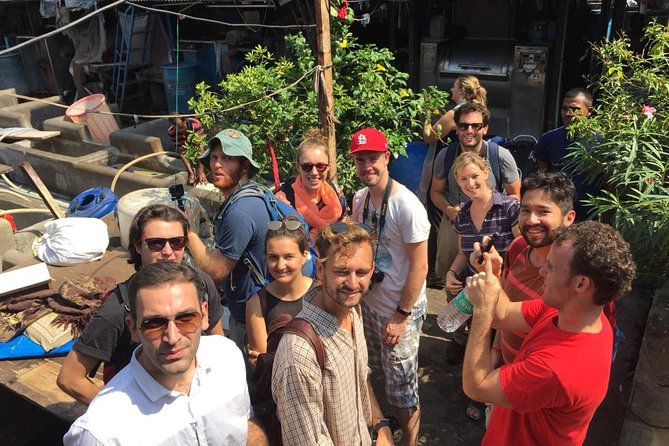
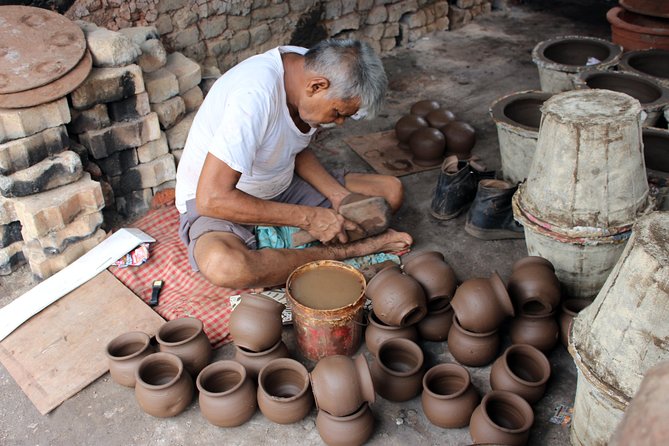
Another highlight is pottery-making. The guide takes you to a pottery-related stop where you learn how ceramics gets made and sold in the neighborhood economy.
Why it matters: pottery shows you a different side of Dharavi’s industry than leather. Both are labor-driven, both rely on skill, and both operate under the pressure of space. But the “feel” of the work is different—more craft texture, more visible transformation from raw to finished.
Even if pottery isn’t your thing, I’d still pay attention. The goal isn’t to become a ceramic expert; it’s to understand how multiple industries co-exist and keep going in the same area.



The community spirit you can actually see
A big reason this tour scores so well is the way it treats residents as neighbors, not exhibits. The walk emphasizes community: how people share space, how local businesses run, and how the neighborhood holds together despite the density.
You’ll hear commentary about daily life that connects the industries to the people who depend on them. And there’s a consistent message from the guides mentioned—safety, respect, and clarity. Named guides like Ganesh and Alam are described as excellent in English and careful about making visitors feel comfortable, while Dawood is noted for helping people feel safe and informed.
This part of the tour is worth it even if you already know Mumbai’s basics. Dharavi is not just another neighborhood in a megacity. It functions like a small urban system with its own logic.
Photography rules and clothing: respect matters here
You should know two things before you go. First, photography is not allowed on this tour at certain locations. The point is privacy for residents, and guides will enforce the rule.
Second, dress appropriately and avoid very short clothes. It’s not about fashion. It’s about blending in and showing basic respect in a working residential area.
My practical advice: don’t rely on your phone camera for entertainment during the restricted stops. Instead, use your senses—watch the work, listen for explanations, and ask your guide to clarify what you’re seeing.
Price and value: $12 for a local-led reality check
At $12 per person, this is a strong value if you want a real local perspective without paying for a private driver or high-priced “big attraction” access. You’re paying mainly for a local guide and the time it takes to walk you through working industries and community life.
A couple details make the price feel even more reasonable. The group is kept to a maximum of 15, so you’re not swallowed by chaos, and the tour runs about 1.5 to 2 hours, which is efficient in a city where transportation time can quietly eat your day.
Also, it tends to get booked ahead—on average about 33 days in advance—so if you’re traveling in peak season, reserve early. And if plans change, there’s free cancellation up to 24 hours before the experience starts (local time), which is reassuring.
Who should book this Dharavi walk (and who might not)
This tour fits best if you:
- want an up-close city experience that focuses on work and daily life
- enjoy guided explanations and are comfortable asking questions
- can handle moderate walking through crowded streets
It may be less ideal if you:
- dislike walking in dense urban areas for close to two hours
- need frequent restroom stops or long seated breaks (none are mentioned as part of the tour)
- are very uncomfortable with the idea of seeing active workplaces where people make and sell goods
Family note: children must be accompanied by an adult, and the minimum age is 5.
Also, bring water if you can. Food and drinks aren’t included, and you’ll likely want something on hand for comfort.
Should you book this Dharavi walking tour?
Yes, I’d book it if you want something honest and locally explained. The combination of a local guide, a small group, and focused stops on industries like leather and pottery makes this more than a sightseeing walk—it’s a practical way to understand how a dense neighborhood actually functions.
I’d pass or rethink if you’re expecting a clean, curated attraction experience with lots of photography and minimal walking. This is a working area, with real rules (including no photos in certain spots) and a steady pace through tight spaces.
If you do book, go with the right mindset: respectful attention beats shock value. You’ll learn more, remember more, and feel better about what you’re seeing.
FAQ
Where does the Dharavi walking tour start?
It meets in the morning near Mahim Station (West), outside a Cafe Coffee Day restaurant.
Where does the tour end?
The tour ends opposite to Sai Multispeciality Hospital & Research Centre in Dharavi.
How long is the tour?
The experience runs about 1 hour 30 minutes to 2 hours.
How much does it cost?
The price is $12.00 per person.
Is food included?
No. Food and drinks are not included.
Is photography allowed?
Photography is not allowed on this tour at certain locations.
How big is the group?
The tour has a maximum of 15 travelers.
Do I need hotel pickup?
No. Hotel pickup and drop-off are not included.
What should I wear or bring?
Dress appropriately and avoid very short clothes. You should have a moderate physical fitness level for walking, and it’s smart to bring water since food and drinks aren’t included.
What’s the minimum age for kids?
The minimum age is 5 years, and children must be accompanied by an adult. Confirmation is received at booking unless booked within 12 hours of travel.