REVIEW · MUMBAI
Mumbai: Dharavi Slum Walking Tour by First Female Tour Guide
Book on GetYourGuide →Operated by Mumbai Excursions · Bookable on GetYourGuide
Dharavi isn’t what you expect. I love the fact that this tour takes you inside Asia’s largest Dharavi slum on foot, with a first female guide who lives the daily rhythms firsthand. It’s a small-group walk designed for a first day in Mumbai, so you can stop guessing and start seeing how work and community actually function.
I particularly like two things. First, I love the clear trail from waste to work, where you can see plastic recycling, paper recycling, and aluminium recycling alongside soap factories and cloth manufacturing. Second, you don’t just watch industry, you pass real residential and public spaces too, including schools and markets, which changes how you think about what a slum is.
One consideration: you’re walking through a dense, working neighborhood where life is close-up and busy, so you’ll want to keep your questions respectful and your attention on your guide. If you’re expecting a tidy, museum-style experience, this won’t match that vibe.
In This Review
- Key Things I’d Put on Your Mental Checklist
- Third Wave Coffee and the Start of Real Dharavi
- Walking with a First-Female Guide Who Knows the Streets
- From Recycling Yards to Factories: How the Local Economy Works
- The Stops That Make This Feel Practical, Not Performative
- Schools, Colleges, and Everyday Streets: Beyond the Stereotype
- Ethical and Impactful, Without the Lecture Tone
- Duration and Timing: What 2 to 2.5 Hours Really Gives You
- Price at Around $5: Why the Value Feels Serious
- How to Prepare Yourself (So You Get More Out of It)
- Who Should Book This Dharavi Walk
- Should You Book This Tour?
- FAQ
- How long is the Dharavi slum walking tour?
- Where does the tour start?
- What is included in the tour price?
- Is the tour guided in English?
- Will I be able to see both industrial and residential areas?
- What kinds of places does the tour cover inside Dharavi?
- Is there a private group option?
- Can I cancel for a refund?
- Can I book without paying right away?
- Is this tour one you can do without getting special tickets in advance?
Key Things I’d Put on Your Mental Checklist
- Meet at Third Wave Coffee so you start with a calm, easy point before heading into tighter streets
- First-female local guiding that keeps the story grounded in daily reality
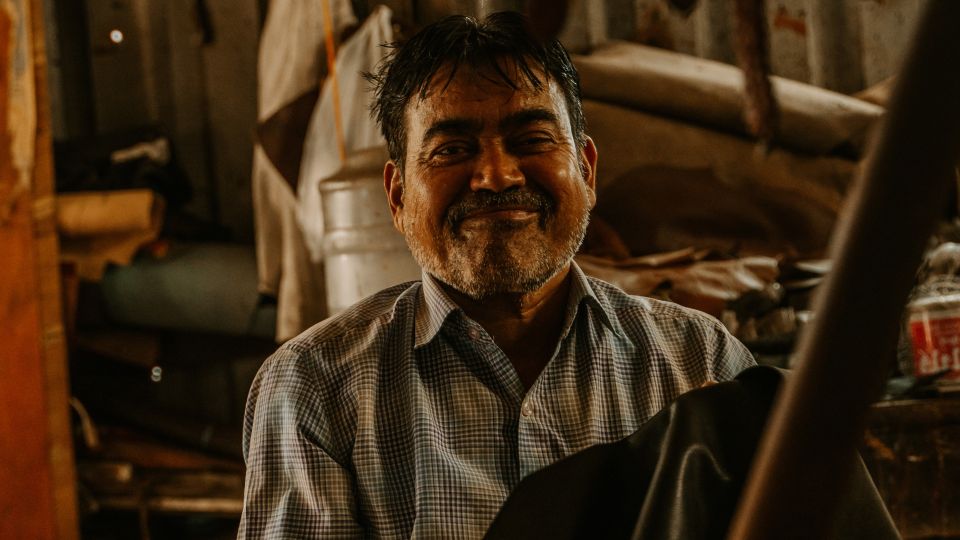
- Recycling to manufacturing route with stops like soap factories, cloth making, leather work, and pottery
- Schools, colleges, and markets that show learning and trade happening side by side
- Commercial and residential neighborhoods in one walk, so you don’t get a one-note picture
Third Wave Coffee and the Start of Real Dharavi
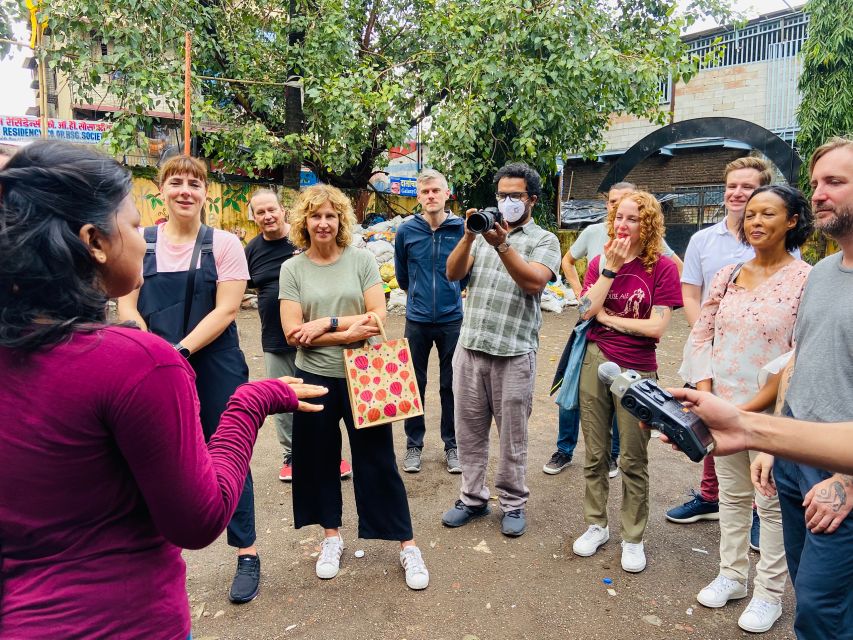
Most of your Mumbai day will be spent on foot, in traffic-choked areas, or in crowded transit. This tour gives you a smoother start: you meet your guide outside Third Wave Coffee. It’s a simple anchor point, and it tends to make it easier to coordinate when you arrive in a city that never really stops moving.
What I like about beginning here is mental. Before you step into Dharavi’s streets, you get the tone set. Your guide can explain what you’ll see and how to move through the neighborhood calmly. After that, the walk becomes a lived-in route: not staged, not a showroom, and not a highlight reel.
You can also read our reviews of more walking tours in Mumbai


Walking with a First-Female Guide Who Knows the Streets
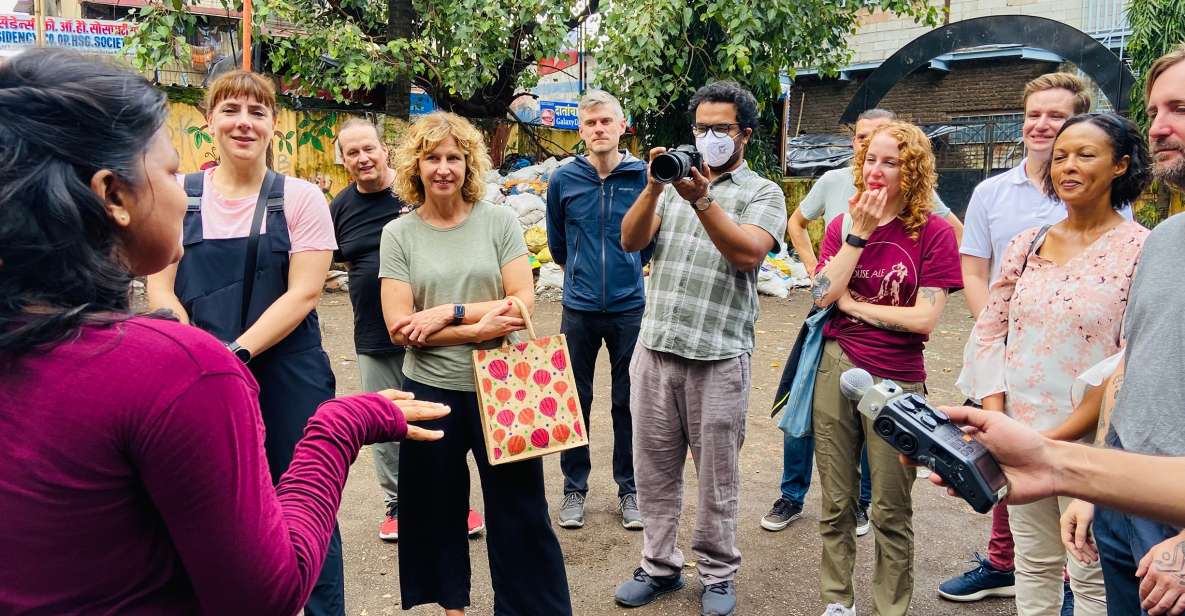
This experience is led by women, and the tour is specifically promoted as being guided by the first female tour guide of Dharavi. That matters because the stories you’ll hear aren’t just secondhand facts. They’re told by someone who navigates the area every day and can connect the dots between work, education, and household life.
In practice, you’ll feel this through the way guides handle the group. Several guides named in the experience include Pooja, Sneha, Anu, Varsha, Sarah, and Mahek. Across those different names, the common thread is how well they keep people together in a maze-like place and how patiently they explain what you’re seeing. English is listed as the tour language, and the guide’s ability to answer questions clearly is one of the most consistent praise points.
If you’re the type who likes to ask why something works a certain way, this tour fits. You’re not just passively looking; you’re being coached into interpreting what you see.
From Recycling Yards to Factories: How the Local Economy Works
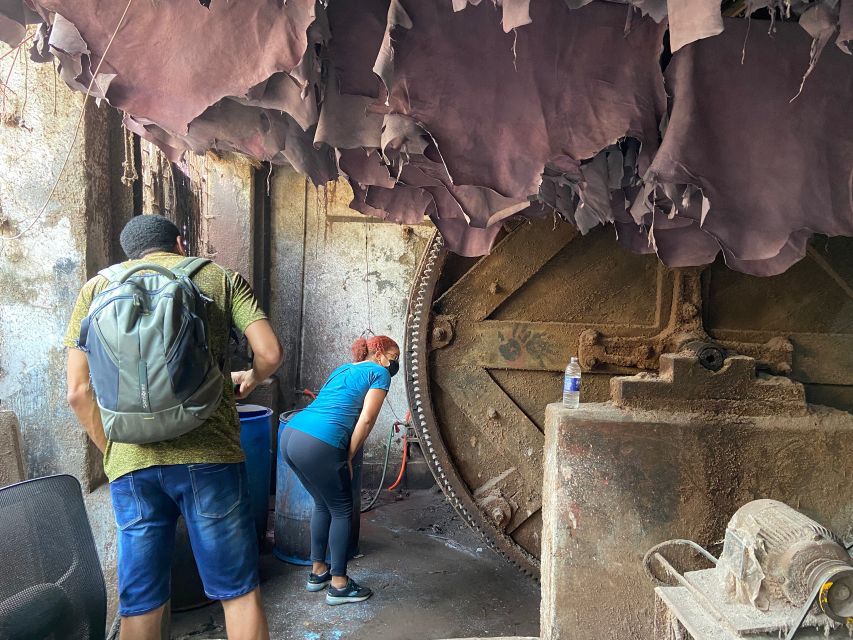
The heart of the walk is the industrial side of Dharavi. The tour route is built around the transformation of materials and the small businesses that keep things moving. You’ll encounter the work that’s often invisible from far away.
Here’s what you can expect to pass by on the way:
- Plastic recycling
- Paper recycling
- Aluminium recycling
- Soap factories
- Cloth manufacturing
- Leather industries
- Pottery
- Markets and commercial places
- Residential areas
- Schools and colleges
Even if you’ve read about recycling before, this is different because you see how it connects to people, jobs, and daily routines. It’s not just “waste turned into products.” It’s a working system where collection, sorting, processing, and selling all sit inside the same neighborhoods.
And it changes your mental model. A lot of visitors arrive with the idea that a slum is mainly hardship. Dharavi is also that. But you’ll also see practical industry and an economy built by residents. That combo is exactly what makes the tour worth doing early in your Mumbai trip.
The Stops That Make This Feel Practical, Not Performative
A big reason this tour gets strong marks is that it covers more than one side of Dharavi. You’re not stuck in one lane of crafts. Instead, you get a sequence of trades, then you move outward to education and community.
Soap factories and cloth manufacturing help you understand scale. Leather industries and pottery give you something tactile to pay attention to, because you can see the steps and the tools involved. Markets bring in the human rhythm: where people trade, restock, and catch up.
The tour is also described as one that takes you to places you wouldn’t find on Google or on your own. That’s a tall promise, but it lines up with what makes a guided walk in Dharavi different from a self-guided stroll: your guide knows which streets to navigate for the right “work snapshots,” and they can explain what you’re seeing without you having to guess.
Schools, Colleges, and Everyday Streets: Beyond the Stereotype
If you only saw the industrial Dharavi, you’d still have a lot of questions. The tour addresses that by moving through educational and residential spaces too, including schools and colleges.
This part of the walk is where the stories start to land emotionally. The experience is framed as inspiring human resilience and unique transformation stories. You’ll hear about how people adapt, build opportunities, and keep pushing forward. You’ll also understand that education is not an abstract concept here; it’s part of the daily plan for many families.
I like how this keeps the tour balanced. You’re not asked to ignore hardship. You’re shown the full context so you can see how people respond to it with systems of their own: work, learning, commerce, and community.
You can also read our reviews of more guided tours in Mumbai






Ethical and Impactful, Without the Lecture Tone
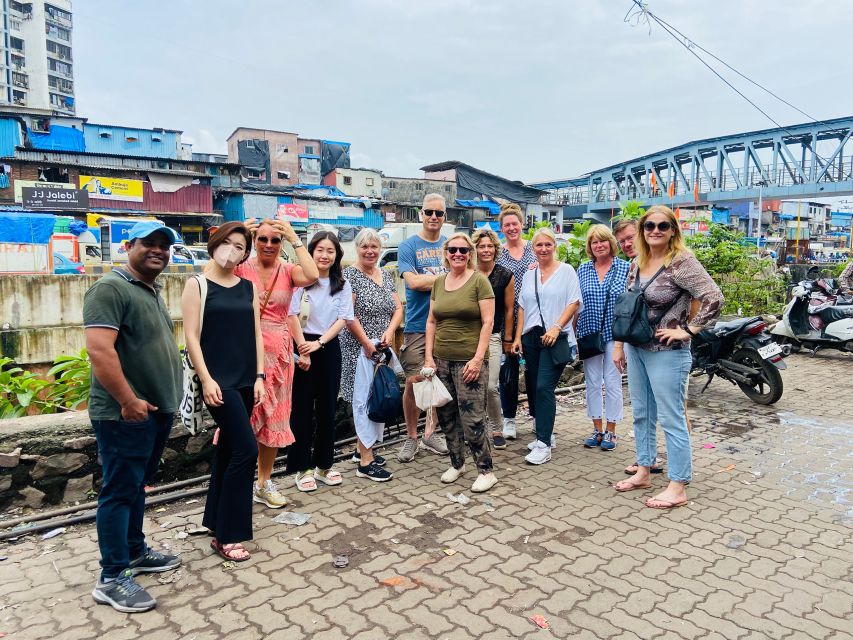
The tour is positioned as an ethical and impactful experience. The practical way that shows up is through the tone: your guide is presenting life as it exists, not as a spectacle. In many city “slum tours,” the risk is turning people into props. This walk is designed to reduce that risk by relying on local guidance and a route focused on how the area functions.
You’ll still want to keep your mindset right. This is a working neighborhood. You’re there to learn, not to treat private life like a photo set. If you follow your guide’s pacing and boundaries, the whole experience stays respectful.
A small bonus: bottled mineral water is included, so you’re not negotiating water access mid-walk.
Duration and Timing: What 2 to 2.5 Hours Really Gives You
The tour runs about 2 to 2.5 hours. In a place like Dharavi, that time is long enough to see multiple kinds of work and public life, without turning it into an all-day endurance test.
If you’re planning your first day in Mumbai, this duration is smart. You get context early, and it helps later when you see other parts of the city. When you understand how a resident-driven economy can work in tight spaces, you start noticing patterns across the whole metro.
One logistics note: guides meet you at Third Wave Coffee, and the meeting point can be easier to reach by train than by car due to Mumbai traffic. If you’re driving, you’ll want more buffer time than you think you need.
Price at Around $5: Why the Value Feels Serious
At $5 per person, the value is hard to ignore, especially for a guided walk inside a dense neighborhood. You’re paying for local knowledge, route planning, and explanation in English—plus the time and patience of a guide managing a group in a complex space.
This price also signals something else: the tour isn’t only “a view.” It’s a structured way to access local industry, everyday community spaces, and transformation stories that you simply couldn’t stitch together on your own.
That said, the true cost isn’t just money. You’re giving attention. You’ll need to be emotionally ready for a real-world setting. If you can meet it with curiosity and respect, the price-to-experience ratio feels excellent.
How to Prepare Yourself (So You Get More Out of It)
You don’t need special skills for this tour, but you do need a good attitude.
Here’s how I’d set myself up:
- Come ready to ask questions and listen longer than you talk
- Keep photos secondary to the conversation, especially near working areas
- Treat schools and residential areas as active places, not backdrops
- Expect a mix of industrial sights (recycling and manufacturing) and daily life (markets and education)
I’d also recommend you go with the mindset of interpretation. Recycling and manufacturing here aren’t just “interesting objects.” They’re steps in a local value chain. Leather work and pottery aren’t only crafts. They’re household income and pride, happening in the same neighborhoods where families live.
Who Should Book This Dharavi Walk
This tour is a strong fit if:
- You want a first-day orientation to Dharavi and Mumbai beyond the usual tourist map
- You care about how cities work at street level: jobs, schooling, and trade
- You prefer a guided, local perspective over trying to navigate on your own
- You like tours with real conversation, patience, and a bit of humor
It’s also a good choice if you’re uneasy about “guessing” in a dense area. The experience is designed so your guide keeps the group together and helps you find your way.
Should You Book This Tour?
Yes, I’d book it if you want an honest introduction to Dharavi that balances industry with everyday community life. The combination of a local first-female guide, a route that includes recycling, manufacturing, schools, markets, and residential streets, and the consistently praised guide style (clear explanations, humor, and careful group handling) makes it feel like more than a quick shock-value stop.
Skip it only if you’re looking for a sanitized, low-emotion sightseeing format. This walk is real work and real life. If you can handle that, you’ll leave with a very different understanding of Mumbai than you started with.
FAQ
How long is the Dharavi slum walking tour?
It runs about 2 to 2.5 hours.
Where does the tour start?
Your guide meets you outside Third Wave Coffee.
What is included in the tour price?
You get a walking tour, a live English-speaking guide, and bottled mineral water.
Is the tour guided in English?
Yes, the live tour guide is listed as English.
Will I be able to see both industrial and residential areas?
Yes. The tour description includes industrial/recycling areas as well as schools, colleges, markets, and residential areas.
What kinds of places does the tour cover inside Dharavi?
You may see plastic, paper, and aluminium recycling, soap factories, cloth manufacturing, leather industries, pottery, plus schools/colleges and markets.
Is there a private group option?
Yes, private group availability is listed.
Can I cancel for a refund?
Free cancellation is listed up to 24 hours in advance for a full refund.
Can I book without paying right away?
Reserve now & pay later is listed, so you can book and pay nothing today.
Is this tour one you can do without getting special tickets in advance?
The activity listing says it includes skip the ticket line.