REVIEW · MUMBAI
Mumbai Local – Best Seller from Mumbai Magic
Book on Viator →Operated by Mumbai Magic · Bookable on Viator
This tour teaches Mumbai by public transit. You start at Gateway of India, walk through the nearby landmarks, then hop on buses and trains to Mani Bhavan Gandhi Museum and Dhobi Ghat, with a student guide from a local non-profit. I like that small-group pacing keeps things human, and you get free bottled water so you can stay comfortable while you’re on the move.
I also like how the route lines up with how the city actually works. You’ll pass Regal Circle, Prince of Wales Museum, Kala Ghoda, Bombay University, High Court, Oval Maidan, and Churchgate, so the landmarks come with context instead of feeling like a checklist. One consideration: it uses public transportation, so you should be okay with crowd flow and keeping up with the group, plus transport to the meeting point and from the ending point is not included.
In This Review
- Key things to know before you go
- Why the Gateway-to-Dhobi Ghat route feels more real
- Gateway of India: the clean start and easy orientation
- Regal Circle and the Prince of Wales Museum zone
- Kala Ghoda: where the route turns into a story
- Bombay University, High Court, and Oval Maidan: the city’s public spine
- Churchgate and onward: using transit like locals
- Mani Bhavan Gandhi Museum: focused, included, and on-rails
- Dhobi Ghat: the open-air laundry system you can actually see
- Price and value: what $41.60 really covers
- Timing and group logistics inside a 4-hour window
- What to bring so the day feels easy
- Who this tour is best for
- Should you book this Mumbai Local tour?
- FAQ
- How long is the Mumbai Local tour?
- How much does the tour cost?
- Where do I meet for the tour?
- Where does the tour end?
- Is the guide English-speaking?
- What’s included in the tour price?
- What is not included?
- How big is the group?
- Is it suitable for most travelers?
- Do I get a mobile ticket?
- What is the cancellation policy?
Key things to know before you go
- Student guide, local non-profit style: You get explanations from a guide who’s plugged into the city.
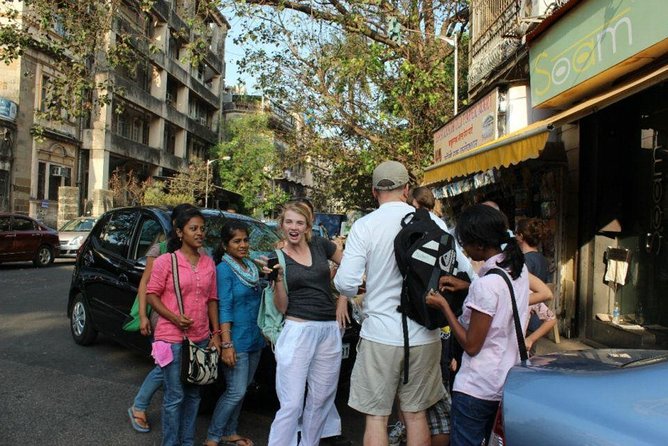
- Max 10 people: Better questions, less waiting, more personal attention.
- Public transport included: Bus and train rides are part of the experience, not an afterthought.
- Mani Bhavan + Dhobi Ghat: Gandhi’s museum stop pairs with the world-famous open-air laundry scene.
- Snacks and bottled water included: Simple comfort helps you focus on what you’re seeing.
- Gateway to CSMT-area end point: The tour finishes near Chhatrapati Shivaji Terminus, so plan your next leg accordingly.
Why the Gateway-to-Dhobi Ghat route feels more real
Mumbai can be a lot on day one: traffic, noise, crowds, and signage that sometimes feels like it was designed to test your patience. This tour helps you sort that out with a clear flow and a guide who knows how to move people through the city without turning it into chaos.
What makes this itinerary smart is the mix. You get a walk through an iconic corridor first, then you shift into local transport, then you land at two very different but equally meaningful places: Mani Bhavan for political and personal history, and Dhobi Ghat for everyday work life.
And because it’s a small group, you’re not stuck behind ten other people while your brain tries to process what bus number you’re on.
You can also read our reviews of more tours and experiences in Mumbai.



Gateway of India: the clean start and easy orientation
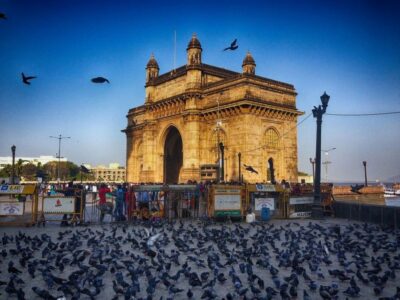
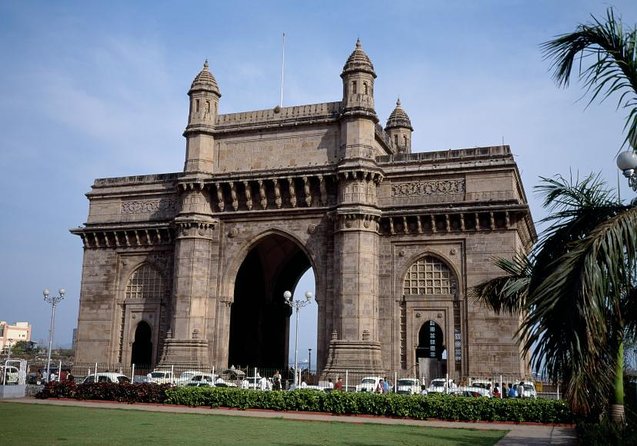
Your tour kicks off at the Gateway of India area (Apollo Bandar, Colaba). This is a great meeting point because it’s instantly recognizable and it has the street activity to make you feel like you’re already inside the city, not parked outside it.
From there, you’ll move on foot through the surrounding area before switching to bigger transport. This early walking portion matters more than it sounds. It helps you get your bearings fast—how streets connect, where you can cross, and what the pace feels like—so the later bus and train rides feel more manageable.
Tip for your brain: wear shoes you can walk in without thinking. Even if the route changes day to day, this style of tour usually means standing and moving more than you expect.
Regal Circle and the Prince of Wales Museum zone
After the Gateway, you’ll head into the Regal Circle area and keep working your way through the heritage-adjacent stretch. This part of the day is about visual rhythm: big institutional buildings, broad streets, and the sense that this part of Mumbai has been shaping the city’s public life for a long time.
You’ll also pass the Prince of Wales Museum area. The point here isn’t to memorize dates. It’s to understand why these structures sit where they do, and how they relate to the city’s identity as it grew.
A small drawback: this is a walking-and-looking segment, so if you prefer constant motion with fewer pauses, you might find parts of it slow. On the flip side, it’s also where you’ll pick up the most “what am I actually looking at?” clarity.
Kala Ghoda: where the route turns into a story
Next on the route is Kala Ghoda. This area tends to work well for first-time visitors because it’s both recognizable and detailed. You get a feel for Mumbai’s mix of old-world architecture and modern street life without having to plan it yourself.
As you move through the district corridor, your guide’s role becomes really clear: they connect names of places—like Kala Ghoda and the university and legal buildings you’ll see later—to what those sites mean in daily Mumbai.
If you’ve ever felt like you’re taking photos while missing the point, this is the fix. The tour keeps pointing you toward the why.
Bombay University, High Court, and Oval Maidan: the city’s public spine
The middle of the itinerary takes you past some of Mumbai’s major institutional landmarks. You’ll see Bombay University, the High Court, and Oval Maidan, and then continue toward Churchgate.
This stretch is valuable because it’s built around a real geographic pattern: education, law, open space, and then a major transit hub nearby. In other words, you’re watching the city’s public infrastructure connect to the way people move.
Oval Maidan, in particular, works like a breathing space in an otherwise packed urban experience. Even if you never sit down, you get a sense of scale—how wide these areas are and why crowds and ceremonies can happen here.
Practical note: you may have moments where you’re waiting briefly while your group stays together or while transport lines up. That’s normal for a public-transport-based tour.




Churchgate and onward: using transit like locals
After Oval Maidan, the tour continues toward Churchgate. This is one of the key transitions: the city shifts from landmark sightline to transit logic.
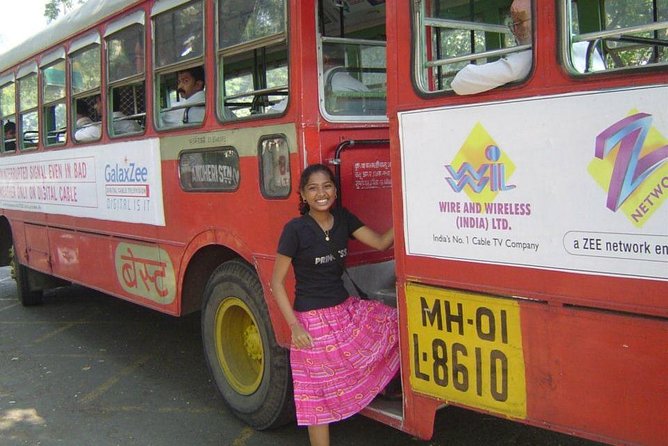
The tour uses public transportation during the day, and that’s the core value you’re paying for. You’re not just being taken from A to B—you’re learning the route structure and how to travel through Mumbai without guessing.
If you’re arriving in Mumbai feeling nervous about buses and trains, this is the part that pays off. You get guidance that helps you build confidence quickly, so the rest of your trip feels easier.
Mani Bhavan Gandhi Museum: focused, included, and on-rails
Next stop is Mani Bhavan Gandhi Museum. The tour includes entrances to Mani Bhavan, so you don’t have to worry about tickets or timing once you’re there.
This part of the day matters because it anchors the rest of the walk-and-transit experience to one clear theme: the human side of national history. It’s not just another museum stop with random facts. You’re visiting a specific place tied to Gandhi’s story, which gives the surrounding urban landmarks a sharper meaning.
With a total tour time of about 4 hours, you should expect a highlights-style visit rather than an all-day museum marathon. If you love museums and want to go deep, treat Mani Bhavan as your first taste, then plan a longer return later if you’re hungry for more.
Dhobi Ghat: the open-air laundry system you can actually see
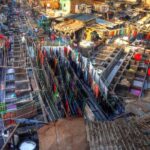
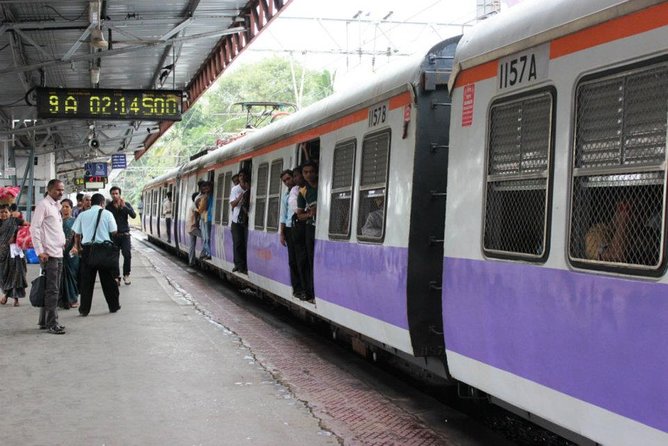
The tour ends at Dhobi Ghat by way of a train ride. Dhobi Ghat is famous for a reason: it’s an open-air laundry system, described here as the world’s largest. It’s one of those places where you stop thinking like a tourist and start noticing how people work.
This stop is powerful for a simple reason: it’s everyday labor, visible and continuous. Even if you only spend a short time there during the tour, you’ll understand the scale faster than you would from pictures alone.
A consideration: this is a working area, so you should keep your expectations grounded. Take your photos if you’re allowed to, but also watch the flow of activity and how the washing process works in real time.
Price and value: what $41.60 really covers
The price is $41.60 per person, and it’s typically booked about 7 days in advance on average. For many travelers, this is a sweet spot because it bundles the stuff that’s annoying to organize yourself.
Here’s what you’re getting that adds real value:
- English-speaking guide
- Public transportation as part of the itinerary
- Entrances to Mani Bhavan
- Snacks
- Free bottled water
- Small group size (up to 10 people)
What’s not included is also important: transport to the meeting point and from the end point is on you. The tour starts at Gateway of India and ends near Chhatrapati Shivaji Terminus Area (Fort), so you’ll want a plan for how you’ll get onward after you finish.
If you were to DIY this day, you’d still pay for museum entry, snacks, and transit, and you’d spend extra time figuring out the smooth order of stops. Here, your guide keeps the day structured.
Timing and group logistics inside a 4-hour window
At about 4 hours total, this is a doable “first day or arrival day” option. You get a real cross-section of Mumbai without committing to a half-day that swallows your evening.
Because the group is capped at 10 travelers, you should find it easier to stay together and ask questions. Guides from this style of program—like the ones named in real experiences such as Divya, Tanvi, and Parveen—tend to focus on helping you understand what you’re seeing and how to navigate the transit steps, not just reciting facts.
Keep one practical thing in mind: you’ll likely spend time walking and standing. If you’re sensitive to crowds or you hate being on public transport, this might feel like work. If you can handle it, you’ll come away with a much clearer city mental map.
What to bring so the day feels easy
This tour includes water and snacks, so you do not need to bring a full picnic. Still, you’ll feel more comfortable if you plan for typical city conditions.
Bring:
- comfortable walking shoes
- a light layer (temperatures in Mumbai can swing by time of day)
- a phone with enough battery for photos and maps
- a small bag you can keep close during transit
If you’re using public transport anywhere else in Mumbai after this tour, you’ll be glad you dressed for walking. The city rewards movement.
Who this tour is best for
This works especially well if:
- it’s your first time in Mumbai and you want confidence fast
- you like learning through a mix of walking + transit, not just one neighborhood
- you want an organized route that still feels local
It may not be the best fit if you want a quiet, slow-paced day with lots of museum time. This is a get-into-the-city tour, not a stay-put-and-read-every-label tour.
Should you book this Mumbai Local tour?
Yes—if your goal is to understand Mumbai through real movement. The blend of Gateway of India, institutional landmarks, a guided visit to Mani Bhavan, and the train-and-walk feel of Dhobi Ghat creates a day that’s both memorable and practical.
Book it if you:
- want public transportation included (and explained) instead of figuring it out alone
- like small groups and guides who can answer questions
- want a clear end point near Chhatrapati Shivaji Terminus Area so you can continue your day
Skip it if you strongly prefer private cars, or if being around crowds and using buses and trains will drain you.
If you’re deciding between DIY and guided structure, I’d choose guided for this one. Your time is limited, and learning the city’s rhythm early usually makes the rest of your trip go smoother.
FAQ
How long is the Mumbai Local tour?
It runs for about 4 hours.
How much does the tour cost?
The price is $41.60 per person.
Where do I meet for the tour?
You meet at Gateway of India, Apollo Bandar, Colaba, Mumbai, Maharashtra 400001.
Where does the tour end?
The tour ends in the Chhatrapati Shivaji Terminus Area, Fort, Mumbai, Maharashtra 400001.
Is the guide English-speaking?
Yes, the guide is English-speaking.
What’s included in the tour price?
Public transportation, English-speaking guide, entrances to Mani Bhavan, snacks, and free bottled water.
What is not included?
Transport to the meeting point and transport from the end point are not included.
How big is the group?
The tour has a maximum of 10 travelers.
Is it suitable for most travelers?
Most travelers can participate.
Do I get a mobile ticket?
Yes, the tour uses a mobile ticket.
What is the cancellation policy?
You can cancel for a full refund up to 24 hours in advance of the experience’s start time.