REVIEW · MUMBAI
Private Guided Walking Tour in Dharavi Slums
Book on Viator →Operated by M/s Khaki Tours · Bookable on Viator
Dharavi is not what you expect. This private guided walking tour takes you from Mahim (where Dharavi’s story began) into the everyday work of residents, including recycling, leather-making, and pottery life. It’s a short 2-hour route that aims to reset your assumptions by showing how people earn a living and run families right alongside an informal industrial economy.
Two things I like a lot are the local-resident perspective you get through guides such as Jimmy and Kamlesh (and hosts like Bharti or Palak in other departures) and the way the walk moves from industry to daily life. You also get a smart mix of context and plain observation, so it feels like learning Mumbai from the inside rather than treating Dharavi like a set.
One consideration: this is a walking experience, and bottled water and snacks aren’t included. Plan for comfort and weather—this tour requires good weather, so build in a little flexibility.
In This Review
- Key takeaways before you go
- Why this Dharavi walk is worth your attention
- Mahim start: the edge of the city, and where the story begins
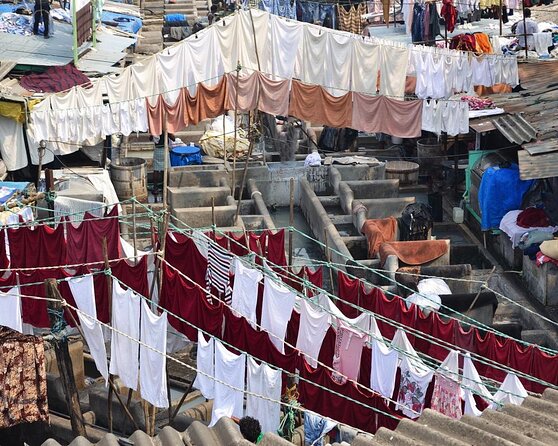
- Stop 2: Dharavi’s recycling world and the logic of reuse
- Stop 3: By-lanes of daily living, plus the tanneries
- Stop 4: Kumbharwada’s potters settlement and working routines
- What the best guides do: history, present reality, and respect
- Price and value: $44.75 for a private 2-hour education
- Practical tips so the walk feels comfortable (not stressful)
- Who should book this tour, and who might think twice
- Should you book this Dharavi private walking tour?
- FAQ
- How long is the private guided walking tour in Dharavi?
- What’s the price per person?
- Is this a private tour or a group tour?
- Where does the tour start and end?
- What’s included, and what should I bring?
- Is the tour tied to good weather?
- When do I get confirmation after booking?
Key takeaways before you go
- A focused 2-hour private walk that moves through the main working areas without dragging.
- Local hosts lead the way, and in past departures guides like Jimmy, Kamlesh, Bharti, Palak, and Sonya have shaped the experience.
- You’ll see Dharavi’s economy at work: recycling, tanneries, and pottery.
- The route includes more than workshops, with mentions of alleys, markets, temples, and schools along the way.
- No admission tickets are listed for the stops, so your money goes to the guiding, not entry fees.
- Respect matters, and the format is designed to keep it humane, safe, and grounded.
Why this Dharavi walk is worth your attention
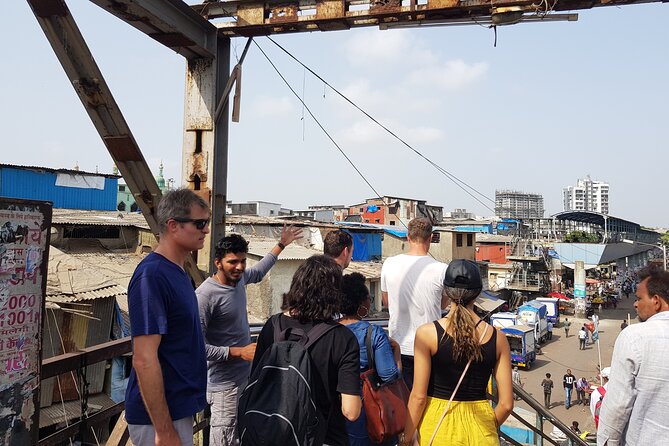
Dharavi gets treated like a single stereotype: poverty, despair, end of story. The point of this walk is to show the other side—the way daily life and work keep going, even under strain. You’re not being asked to ignore hardship; you’re being asked to look at the full system: people, jobs, and community.
I also like that the tour doesn’t sell you on horror-movie shock. It’s structured around clear themes—waste recycling, leather work, and pottery—then it widens to the places where people live, meet, pray, and learn. That makes the whole experience easier to understand, especially if you’re visiting Mumbai for a limited time.
And yes, you’ll still feel uncomfortable at moments. That’s normal. What matters is whether the guide helps you interpret what you’re seeing with care instead of turning it into entertainment.
You can also read our reviews of more walking tours in Mumbai



Mahim start: the edge of the city, and where the story begins
The tour starts in Mahim at Third Wave Coffee, Tip Road (Unit no. 58, Ground, Ram Mahal, Senapati Bapat Marg). From there, you head to the edge of the area—described as the starting point of Dharavi’s development.
That first segment is only about 10 minutes, but it does something important: it gives you a mental map. You get a sense that Dharavi wasn’t dropped in from nowhere. It grew from the city’s expansion and economic pull, which helps you understand why the industrial and residential spaces overlap the way they do.
Mahim also works as a gentle warm-up. You’ll likely feel the contrast fast, but you won’t be thrown into the deepest bylanes immediately. It’s a practical way to get your bearings before you move inside Dharavi proper.
Stop 2: Dharavi’s recycling world and the logic of reuse
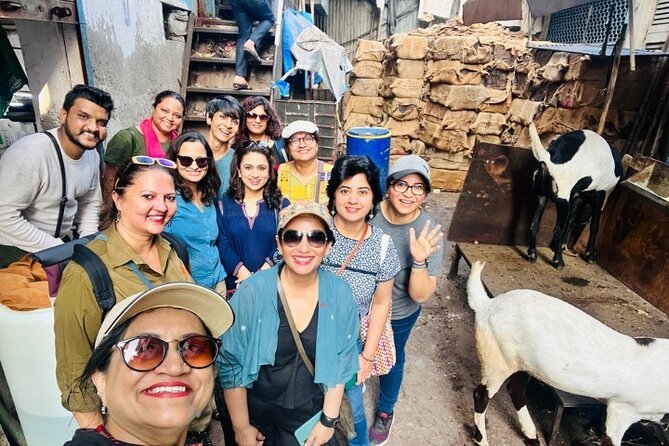
Next comes Dharavi, where the focus shifts to waste and recycling—specifically how materials circulate through an informal industrial complex. This stop is about 30 minutes, and it’s where the big idea lands: waste here isn’t just thrown away. It’s sorted, reused, and turned into inputs for other industries.
What I like about this part is the clarity. Even if you don’t know the terminology, you can still follow the flow: something comes in, gets separated, gets processed, and becomes valuable enough to work with. It’s practical, visual learning, and it helps you see Dharavi as an economic engine, not just a housing issue.
A real plus for your value-for-money math: the recycling segment gives meaning to what you’ll notice later in the route. When you later spot other trades, you’re better prepared to connect them to the broader supply chain and how work supports daily life.
Stop 3: By-lanes of daily living, plus the tanneries
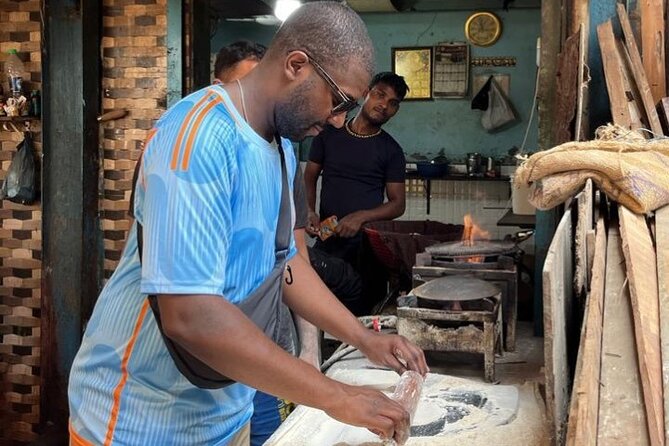
Then the walk moves into the bylanes of Dharavi, where you get a look at conditions residents live with and how the community supports itself. This part is another 30 minutes. The tour also points you toward the tanneries, where Dharavi’s famous leather products are made.
This is the section where context from a good guide matters most. If you go in expecting a single “thing” called Dharavi, you’ll miss the human scale. With local guidance, you’re more likely to notice how work and family life intersect: time, movement, and shared spaces.
One thing to be ready for: leather production is a specific industry with specific realities. The tour format keeps it grounded in what you can see and what you can ask, rather than turning it into sensationalism. If you’re traveling with kids, this stop can still work, as long as your guide keeps the tone respectful and age-appropriate. Families have done this tour successfully, including groups with young children.
Stop 4: Kumbharwada’s potters settlement and working routines
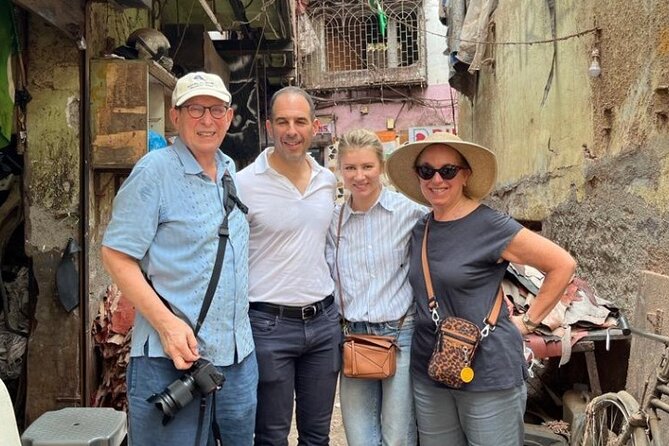
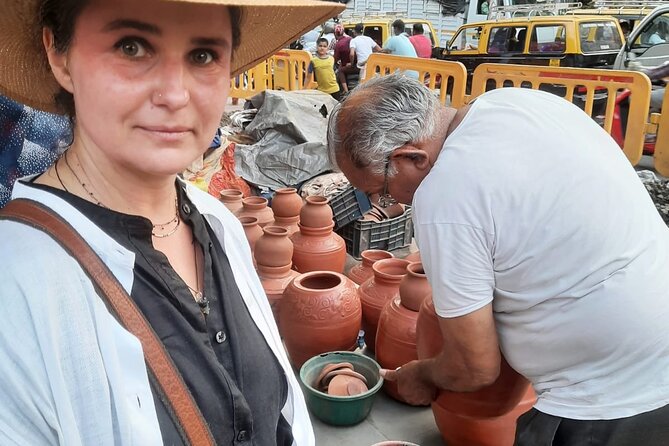
The last major stop is Kumbharwada, about 30 minutes. This is the potters’ settlement, where you see how people work and live in a place shaped by craft production.
Pottery is a helpful ending theme. Recycling and leather are industries that process materials from elsewhere. Pottery starts with local skills and turns everyday materials into objects people buy, use, and trade. Ending here gives your brain a “handmade” counterpoint after the more industrial-feeling stops.
I also think a settlement-based stop like Kumbharwada tends to land well emotionally. You can focus on routine and skill—how work is organized, how daily life continues around it, and how the community functions as a whole.
The tour ends at Kumbhar Wada in Dharavi, so you’re not trapped in a cycle of retracing steps. You can simply continue onward through the area or head back toward central Mumbai.
You can also read our reviews of more guided tours in Mumbai






What the best guides do: history, present reality, and respect
The strongest departures seem to have a similar backbone: a local-resident voice plus a guide who connects today’s reality to a bigger Mumbai story. Names that have shown up in successful experiences include Jimmy and Kamlesh, with guides like Bharti and Palak also leading tours in other departures.
This matters because Dharavi challenges how people think about “tourism.” You’re in a working area that also houses families. A respectful guide keeps the tone human: questions are framed thoughtfully, people aren’t treated like scenery, and the focus stays on understanding rather than gawking.
It’s also why the tour is private. When only your group is involved, there’s less pressure to keep moving past people quickly or to rush photos. Your guide can pace the walk to your questions and reactions, which is exactly what you want for a place that can feel emotionally intense.
If you’re wondering about safety: the experience is presented as safe, with hosts guiding the route and helping you behave appropriately in shared spaces. Still, keep your own common sense—good walking shoes, calm curiosity, and no filming without checking first.
Price and value: $44.75 for a private 2-hour education
At $44.75 per person for around 2 hours, this isn’t a “sit and watch” tour. You’re paying for a private, walking format with hosting charges included, plus a guide who brings local context that you simply can’t replicate with a generic map route.
Here’s the value logic I’d use if I were planning your day:
- Private tour = tailored pacing. You’re not stuck with a loud group moving at the speed of the slowest person.
- Time efficiency. Two hours is short enough to fit into a tight Mumbai schedule, but long enough to see recycling, bylanes, tannaries, and a potters’ settlement.
- No admission fees listed for stops. Your money goes to guiding, not ticket lines.
- Mobile ticket and group discounts. For families or small friend groups, the structure can work out well.
Could you learn about Dharavi from books or a video? Sure. But walking with a local host turns facts into lived context—how people organize work, how the community overlaps with industry, and how the area functions day to day.
Practical tips so the walk feels comfortable (not stressful)
This is an active walk, and water and snacks aren’t included, so plan ahead. Even if you’re not a huge water drinker, it’s smart to carry a bottle. If you tend to get hungry, bring a light snack too.
A few more practical notes based on the tour details:
- You’ll start at Third Wave Coffee, Tip Road in Mahim, and end at Kumbhar Wada in Dharavi. Plan your next stop with that in mind.
- The experience is near public transportation, which helps when your schedule is flexible or your timing slips.
- You need good weather. If Mumbai throws rain, you may be moved to another date or refunded, so don’t schedule anything critical immediately afterward.
Also, a small but important mindset tip: go with questions that show respect. Ask how work connects to family life. Ask how people navigate daily challenges. If your guide is a local resident, treat the conversation like a doorway into their world, not a documentary voice-over.
Who should book this tour, and who might think twice
This fits best if you want real Mumbai context and you like learning through walking rather than through museums. It’s also a good choice for families who can handle guided explanations and an emotionally complex environment—there have been successful family bookings, including groups with kids.
It may be less comfortable if you’re seeking a purely light sightseeing day. Dharavi can provoke strong reactions because it includes poverty alongside industry and commerce. That doesn’t mean it’s wrong to visit; it means you should be honest with your own expectations.
If you’ve heard concerns that tours can feel exploitative, listen to that instinct. The best way to reduce that risk is choosing a format led by locals and approaching with humility. This tour is designed around local hosts and community context, which is a big part of why many experiences land as respectful and human.
Should you book this Dharavi private walking tour?
I’d book it if you want to understand Mumbai’s economy beyond the famous monuments. You’ll get a structured, 2-hour route that covers recycling, tanneries, and pottery, plus the day-to-day spaces where people live their lives—guided by local hosts with names like Jimmy, Kamlesh, Bharti, and Palak appearing in successful departures.
Skip it (or at least reconsider) if you’re uncomfortable with walking through an active residential and work area where the subject matter includes hardship. Also, go prepared: since water and snacks aren’t included, pack your comfort basics and check the weather forecast so the timing works.
FAQ
How long is the private guided walking tour in Dharavi?
It’s about 2 hours (approx.).
What’s the price per person?
The price is $44.75 per person.
Is this a private tour or a group tour?
It’s a private tour/activity, so only your group will participate.
Where does the tour start and end?
It starts at Third Wave Coffee, Tip Road, Unit no. 58, Ground, Ram Mahal, Senapati Bapat Marg, Marinagar Colony, Station, Mahim, Mumbai, Maharashtra 400016, India, and ends at Kumbhar Wada, Dharavi, Mumbai, Maharashtra, India.
What’s included, and what should I bring?
Included: hosting charges. Not included: bottled water and snacks, so bring your own if you’ll want them.
Is the tour tied to good weather?
Yes. The experience requires good weather, and if it’s canceled due to poor weather, you’ll be offered another date or a full refund.
When do I get confirmation after booking?
Confirmation is received within 48 hours of booking, subject to availability.