REVIEW · MUMBAI
All In One Combo Tour of Mumbai City, Dabbawalas, Dhobhi Ghat, Slums & Bollywood
Book on Viator →Operated by World of Bollywood Tours · Bookable on Viator
Mumbai moves fast. And this one-day plan helps you keep up—mixing big-city landmarks with the daily systems that make Mumbai tick, from Dhobi Ghat to dabbawalas and a Bollywood studio stop.
I like that this is built around contrast: you’ll start with classic sea views and monuments, then shift gears to real working neighborhoods like Dhobi Ghat and Dharavi. I also like the very practical package of hotel pickup plus included lunch, snacks, bottled water, tea/coffee, and soft drinks, so you aren’t hunting for food between stops.
The main thing to watch is the pace. With about 7 to 8 hours and lots of brief stops, you’ll get a lot of highlights but not long hang time at any one place—wear comfy shoes and be ready for quick transitions and some walking, including a short Dharavi segment.
In This Review
- Key highlights worth your attention
- Why this Mumbai combo fits a busy schedule
- Getting around: private guide, pickup, and time that doesn’t vanish
- Marine Drive and the Gateway of India: the quick orientation hits
- Mani Bhavan Gandhi Museum: a pause with a purpose
- Oval Maidan, Bandra Fort, and the “photo pauses”
- Colaba Causeway and the street-market moment
- Jain Temple and Bandstand Promenade: calm breaks in the middle
- Dabbawala Tribute Statue: seeing the system behind lunch
- Dhobi Ghat (Byculla): the open-air laundry you can’t forget
- Dharavi slum area: a short visit with the right mindset
- Bollywood studio time: the pop-culture payoff
- Lunch, snacks, tea/coffee, and the value of not hunting food
- Price and value: what you’re really paying for at $150
- Weather and clothing: how to prepare for a day outside
- Who this tour suits best
- Should you book this All-in-One Combo Tour of Mumbai?
- FAQ
- How long is the tour?
- Does the tour include pickup and drop-off?
- What meals and drinks are included?
- Which stops are included in the itinerary?
- Is there a vegetarian option?
- What about weather?
Key highlights worth your attention
- Hotel pickup and round-trip transfers keep the day efficient, especially in traffic-prone Mumbai.
- Dhobi Ghat and the dabbawala lunch system show you how routines run without relying on tech hype.
- Dharavi includes entry time so you’re not guessing how long you’ll actually be there.
- Bollywood studio time gives you more than photos of movie fame.
- Meals and drinks are covered (lunch, snacks, bottled water, and tea/coffee), which is real value on a long day.
Why this Mumbai combo fits a busy schedule
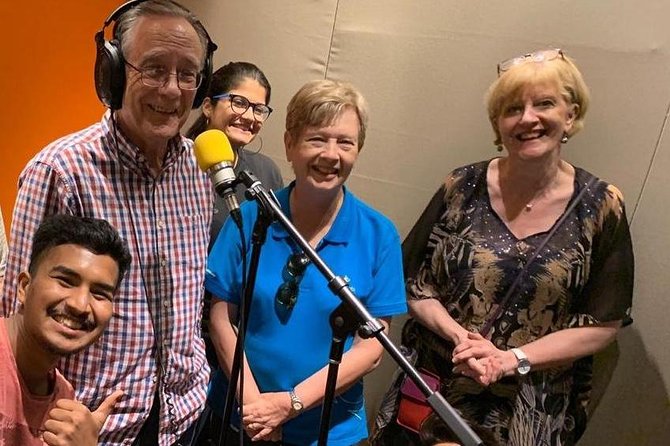
Mumbai is huge. So if you only have one day, you need a route that gets you oriented fast, without turning the day into a logistics problem. This plan does that by stringing together the skyline icons, plus two parts of daily life that most visitors rarely see in a single run.
What makes it work is the balance. You’re not just collecting postcard stops. You’re also learning the rhythm behind the scenes—laundry logistics at Dhobi Ghat and the lunch-box workflow connected to dabbawalas. Then you layer it with Bollywood, which adds a pop-culture angle to the day’s otherwise real-world focus.
You should think of this as a guided “highlights + local life” sampler. It’s not a slow, sit-down day. It’s a moving day—just a well-managed one.
You can also read our reviews of more city tours in Mumbai



Getting around: private guide, pickup, and time that doesn’t vanish
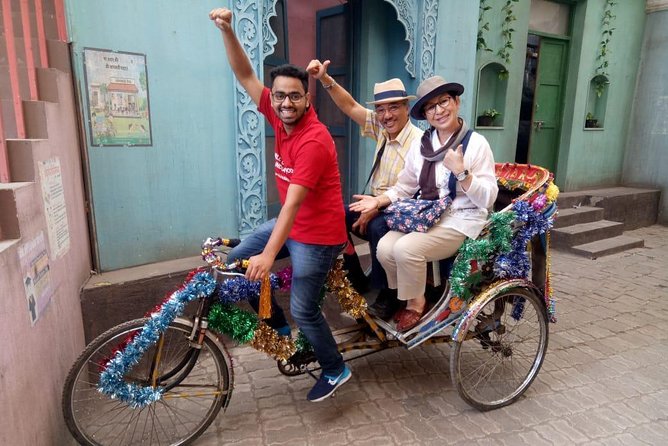
The day starts with pickup from your hotel or another agreed location, with round-trip transfers built in. That matters in Mumbai because traffic and navigation can swallow hours, especially if you’re coordinating on your own.
This is a private tour, so the pace and priorities can stay aligned with your group. You also get a friendly guide who keeps the day flowing with explanations while you move between areas. The itinerary is short at many stops, so a guide who can keep things organized is a big deal.
One more practical win: you get a mobile ticket. Less paperwork, fewer surprises, and an easier day from the first check-in point to the last.
Marine Drive and the Gateway of India: the quick orientation hits
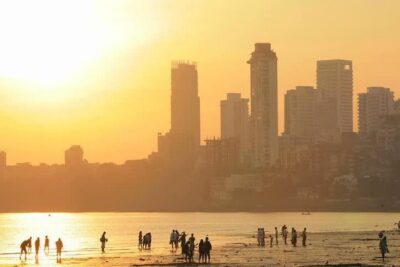
Stop by stop, you’ll get classic Mumbai anchors. The day begins at Marine Drive, the long bay stretch that’s known for views along the waterfront. Even with only a few minutes here, it’s the kind of place where you instantly get the city’s “shape”—the way sea and skyline sit together.
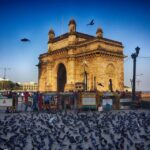
Next comes the Gateway of India, a major monument that acts like a visual reset button. It’s easy to think, I’ve seen this in photos. The value of a guided stop is that you get context in the few minutes you have, so the landmark lands as more than a camera backdrop.
Why these two early stops matter: they help you get your bearings. After this, the day’s more specific neighborhoods feel less like random stops and more like a connected route.
Mani Bhavan Gandhi Museum: a pause with a purpose
You’ll spend about 15 minutes at Mani Bhavan Gandhi Museum, with admission included. This is a tighter time slot than a museum lover might want, but it’s a smart way to add depth without blowing up your schedule.
I like choosing a short but meaningful history stop early enough that you still have energy for the heavier sections later. The museum time also breaks up the day’s outdoor walking and gives your brain a moment to process what Mumbai is doing beyond the waterfront.
If you’re the type who enjoys quick context, this stop is a good match. If you want a full museum immersion, you’ll probably wish you had more time later—but then you’re trading away other parts of the itinerary that are a core part of the tour’s value.
Oval Maidan, Bandra Fort, and the “photo pauses”
You’ll pass through or stop near Oval Maidan, where people gather to play cricket—especially on weekends. The area gives you a taste of Mumbai’s everyday energy, and even a short visit helps you see how public space works here.
Then it’s over to Bandra Fort, another brief stop designed for views and pictures. Think of it as a mid-day reset: a chance to stand back, look around, and collect a few skyline angles before you head into more tightly focused city-life stops.
One caution: these are short time windows. So if you’re hoping for a long photography session, plan your expectations. Use this part for framing and getting oriented, not for marathon shooting.




Colaba Causeway and the street-market moment
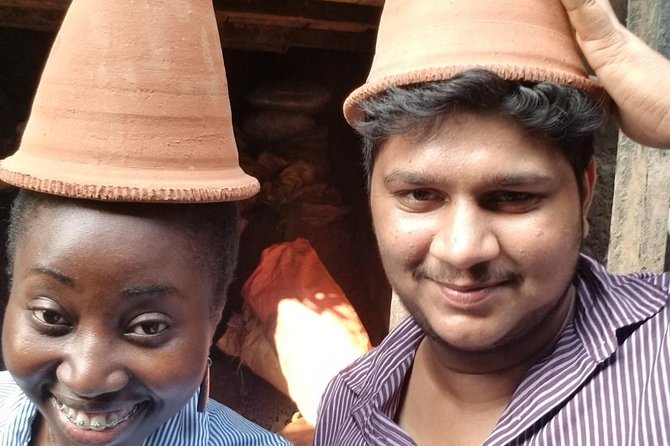
At Colaba Causeway Market, you’ll get a quick look at colorful street shopping—shoes, bags, clothing, jewelry, and more. This kind of stop is fun because it’s messy and real, and you don’t need a long time to feel the vibe.
What I like here is that the market is short, so you’re not stuck bargaining for hours. You get a taste, you can browse, and you can move on to the next contrast point.
If you’re sensitive to crowds or you prefer quieter shopping, keep your browsing goals simple: one or two items, or just a visual scan. You’ll get what you need faster, and you won’t drain the day before the more intense parts.
Jain Temple and Bandstand Promenade: calm breaks in the middle
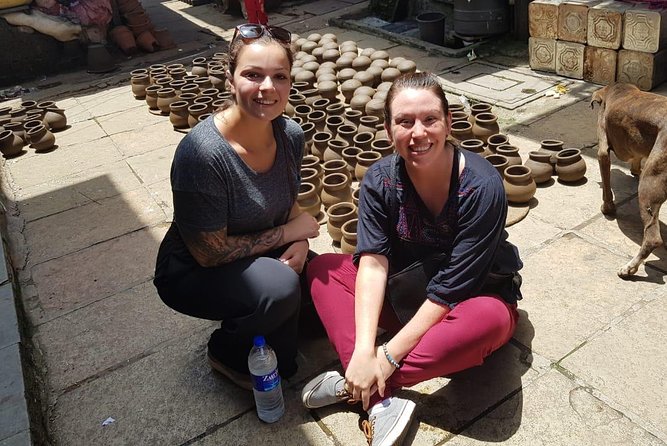
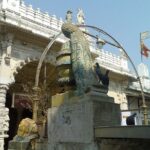
Next up are two quick cultural stops. You’ll visit a Jain Temple in Mumbai (brief time, free admission) and then head to Bandstand Promenade, known for walking and jogging.
These aren’t long stops, but that’s okay. They function like pauses. After the market noise and the landmark crowds, a temple stop gives you a different tempo, and the promenade lets you reset with a walkable stretch.
I think this combo is smart for first-timers. It keeps the day from turning into only monuments and only street scenes. You get a bit of quiet, even if it’s only for a few minutes.
Dabbawala Tribute Statue: seeing the system behind lunch
One of the most distinctive parts of the day is the stop at the Dabbawala Tribute Statue. You’ll learn how dabbawalas sort and deliver lunch boxes efficiently, and the tour specifically highlights that their system works without relying on modern technology.
Even if the stop itself is short, it’s conceptually strong. Mumbai’s success isn’t only about skyscrapers and traffic jams. It’s also about invisible daily operations that keep thousands of meals moving correctly.
Practical tip: if this is your first exposure to the dabbawala network, treat this stop like a “framework.” Then when the day moves to other working-life scenes, you’ll have a better sense of what you’re looking at.
Dhobi Ghat (Byculla): the open-air laundry you can’t forget
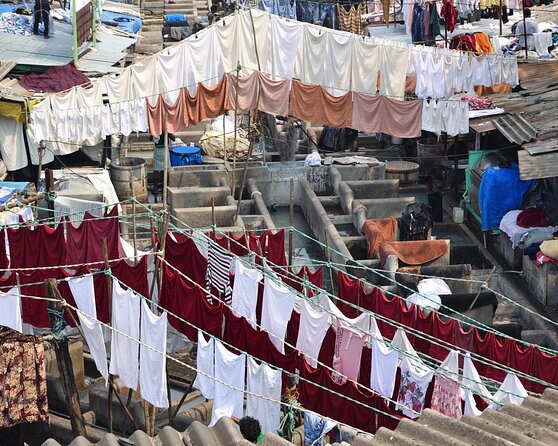
At Byculla/Dhobi Ghat, you’re stepping into one of Mumbai’s best-known working scenes. The tour frames it as the biggest open-air laundry in the world, and you’ll have a brief guided look.
Because your time here is about 5 minutes, you won’t fully “tour” the area like a standalone visit. But you’ll get the key idea: this is labor, routine, and scale—played out in plain sight.
Here’s the value for your day: Dhobi Ghat sets the tone for the rest of the itinerary. It’s a reminder that Mumbai runs on systems—people coordinating work in public spaces. That theme continues later with the Dharavi visit.
Given that this is an open-air stop, dress for the weather. Your tour runs in all weather conditions, but comfortable clothing and covered shoes make a difference fast.
Dharavi slum area: a short visit with the right mindset
You’ll visit Dharavi, with admission included, for about 15 minutes. Dharavi is described here as the second biggest slum in the world, and the tour gives you time to see the area with guidance rather than just looking from a distance.
This is the part of the day that can feel emotionally heavy. So I suggest you go in with a simple goal: understand the place as a lived-in area, not a spectacle.
The tour also lists a moderate physical fitness level for participants. The time on the ground is relatively short, but you should still wear comfortable shoes, keep your pace steady, and follow your guide’s direction on where to walk and how to behave.
If you’re the kind of person who wants a long, slow discussion about social issues, this segment won’t replace a longer community-focused trip. But for an all-in-one day, it’s a serious inclusion.
Bollywood studio time: the pop-culture payoff
A key promise of this experience is time at a Bollywood studio. While the exact studio setup isn’t spelled out in the tour outline you provided, the structure is clear: you get a break from street-level scenes and move into a film-industry setting for part of the day.
This is also where the day tends to click for a lot of people. A review highlight you’ll hear about this kind of tour is that Bollywood and the included food stop can be the most memorable moments of the day—because they’re lighter, more visual, and more fun after the heavier scenes.
If you like film, props, sets, or just the idea of how movie work gets staged, this part is worth the schedule trade-off. It adds variety and gives you a different lens on Mumbai beyond daily labor and city landmarks.
Lunch, snacks, tea/coffee, and the value of not hunting food
Your package includes lunch plus snacks and bottled water, along with tea, coffee, and refreshments. You also get unlimited mineral water and soft drinks. That might sound like a small detail, but it’s one of the biggest value drivers in a long day.
Mumbai can be intense on your energy. When food and drinks are taken care of, you stay focused. You don’t lose time walking into a place, figuring out menus, negotiating payment, and then waiting for your food.
One more practical detail: a vegetarian option is available if you advise at booking. If you have dietary preferences, it’s worth setting that upfront so the lunch stop stays smooth.
Also note what’s not included. Beer or alcohol isn’t part of the deal, though you can purchase it separately if that’s important to you.
Price and value: what you’re really paying for at $150
At $150 per person, this isn’t a bargain-basement tour. But it’s also not “pay for sightseeing only” pricing. The value comes from the bundle:
- Round-trip transfers from your hotel (a major time-saver)
- A private friendly guide
- Entry fees for certain paid stops, including Mani Bhavan Gandhi Museum and Dharavi
- Meals and drinks (lunch, snacks, bottled water, tea/coffee, soft drinks)
When you price this out yourself—guide time, transport, and entrance fees—one or two added extras often raise your total quickly. The included food and drinks especially matter because you’re spending a full day out.
One thing to keep in mind: the day is long, so you’re paying for coverage of many different zones. You’re not paying for deep time in every single stop. If you want that, you’d split into separate visits. But if your goal is to see the city’s most talked-about icons plus working-life scenes in one day, this package has a practical logic.
Booking tip: the tour is commonly booked about 61 days in advance. If you’re traveling during a busy season, it’s smart to lock it in earlier rather than later.
Weather and clothing: how to prepare for a day outside
The tour operates in all weather conditions, but weather can still affect comfort. Plan for a full day outdoors with short indoor pockets.
I recommend:
- Comfortable walking shoes (the day includes multiple area changes)
- Light layers or rain protection depending on your forecast
- A small water plan in your bag even though water is included, just for peace of mind
Also be mindful of physical demands. The itinerary includes a short slum-area segment and repeated stop-and-walk transitions. Moderate fitness is the right expectation for this day.
Who this tour suits best
This is a good match if:
- You’re short on time and want a guided overview across Mumbai
- You like contrasts: monuments, neighborhoods, working systems, and pop culture
- You value an included meal and drinks on a long day
- You prefer a private structure that keeps your group moving efficiently
It might be less ideal if:
- You want lots of free time at each stop
- You get uncomfortable with crowds and quick transitions
- You’re hoping for a slow, in-depth cultural or social immersion with lots of discussion time
Should you book this All-in-One Combo Tour of Mumbai?
I’d book it if you’re thinking, I want Mumbai in one day, and I want it organized. The strongest reasons are the structure and the value: hotel pickup, included meals and drinks, and a route that connects landmark Mumbai to working-life Mumbai without turning the day into a puzzle.
I wouldn’t book it if you’re looking for deep, lingering visits or lots of solo wandering. This is a “see a lot with a guide” day, not a “live in one neighborhood” day.
If you want your first taste of Mumbai to be efficient and varied, this combo makes sense. It gives you the highlights people talk about, plus the daily routines that make the city feel real.
FAQ
How long is the tour?
It runs about 7 to 8 hours.
Does the tour include pickup and drop-off?
Yes. Round-trip transfers are included from your hotel or another location.
What meals and drinks are included?
Lunch, snacks, bottled water, tea, coffee, and refreshments are included. You also get unlimited mineral water and soft drinks.
Which stops are included in the itinerary?
You’ll visit places including Marine Drive, Gateway of India, Mani Bhavan Gandhi Museum, Oval Maidan, Bandra Fort, Colaba Causeway Market, a Jain Temple in Mumbai, Bandstand Promenade, the Dabbawala Tribute Statue, Dhobi Ghat, and Dharavi, plus time at a Bollywood studio.
Is there a vegetarian option?
Yes. You can request a vegetarian option at booking.
What about weather?
It operates in all weather conditions, but it requires good weather. If it’s canceled due to poor weather, you’ll be offered a different date or a full refund.