REVIEW · MUMBAI
Mumbai: City Tour, Elephanta Caves, Dharavi Slum W/Options
Book on GetYourGuide →Operated by Amaze Tours · Bookable on GetYourGuide
Mumbai can feel loud and fast. This tour gives it a structure you can handle. You get the big sights plus Elephanta Caves with a real local guide, and if you choose it, Dharavi too—so your day covers sacred stone and everyday industry in one clean route.
Two things I really liked: first, the pacing with an expert guide and a driver who knows how to time stops in a city that never really pauses. I’ve seen guides like Ganesh and Maze set an easy tempo in the city, then hand you off to a cave specialist like Daivat/Dave on Elephanta for a guided walk through Shiva iconography. Second, the package tends to remove the hassle: ferry tickets, cave entrance fees, and local village taxes are included on the right options, so you’re not hunting add-ons while jet-lagged.
One drawback to keep in mind: Elephanta involves no elevator and you’ll climb 100+ steps to the cave area, plus the ferry can get rough and crowded. If you have back problems or mobility limits, this is not the day to gamble with.
In This Review
- Key highlights I’d plan around
- The best part: how this tour stitches Mumbai into one readable day
- Price and what you actually get for your money
- Getting started: pickup, driver, and the pace of South Mumbai
- Marine Drive and Malabar Hill: the part you’ll remember at night
- A stop for lived-in Mumbai: Mani Bhavan, Banganga Tank, and Dhobi Ghat
- The Elephanta handoff: ferry logistics and why you should plan for the ride
- Elephanta Caves: UNESCO, Shiva iconography, and the staircase reality
- Monsoon backup plan (if you visit mid-summer)
- Dharavi: what you see, and why the guide’s role matters
- The small friction points: heat, tips, and keeping your expectations clean
- Who this tour fits best (and who should skip it)
- Should you book it? My honest take
- FAQ
- How long is the tour?
- Is Elephanta Caves included in every option?
- Do I get hotel pickup and drop-off?
- Are ferry tickets and cave entrance fees included?
- What should I bring?
- Is there an elevator at Elephanta Caves?
- What happens if ferries are canceled in monsoon season?
- Is the tour suitable if I have mobility issues?
Key highlights I’d plan around
- Split-day expertise: a city guide plus an Elephanta Island guide, so each area gets proper attention
- UNESCO + real explanation: the cave tour includes Shiva’s three-faced sculpture and the carvings’ meaning
- Practical transport: private AC car (except on specific half-day meeting-point options) with a driver who manages Mumbai traffic
- Dharavi when you choose it: pottery, leather, recycling, textiles, plus the entrepreneurial spirit behind local industry
- Ferry timing matters: plan for a longer ride than you expect when seas are choppy or crowds are heavy
- Step count is real: more than 100 steps with no lift, so comfortable shoes aren’t optional
The best part: how this tour stitches Mumbai into one readable day
Mumbai is a city of contrast. One minute you’re at monumental architecture on the waterfront; the next you’re watching daily work move forward in tight lanes. What makes this experience work is the flow: you start with the classic landmarks, then go to the caves when you can actually focus, and finish with the human side of the city if you’ve selected Dharavi.
The tour is private, and that matters more than it sounds. A private setup means you can ask for a slower pause, skip a stop that doesn’t grab you, or spend extra time taking photos where the light is better. In one case I saw, guide Loki/Lokesh adjusted pacing when someone got tired later in the day, and that flexibility is a real value in Mumbai heat.
You’ll also notice the day has two kinds of guidance. On the Mumbai side, guides like Ganesh, Maze, Dinesh, or Dawood/Gulshan-style guides tend to connect buildings to stories and daily life. On Elephanta Island, guides such as Daivat/Dave/Harish/Haresh tend to focus on the caves, the sculptures, and why they were designed the way they were. That split keeps the tour from feeling like a long checklist.
You can also read our reviews of more city tours in Mumbai



Price and what you actually get for your money
You’ll see a starting price listed around $32 per person, but the “what’s included” depends heavily on which option you select.
If you book a format that includes Elephanta with hotel pickup and AC, you’re covering the core logistics that usually cost extra when you plan yourself:
- hotel pickup and drop-off
- private AC car (not included with the half-day meeting-point option)
- ferry tickets to and from Elephanta
- Elephanta Caves entrance fees and village taxes
- expert guide support
That’s the value angle: most of the pain points are handled for you. You’re not trying to figure out ferry timings, entrance logistics, and finding an English-speaking guide once you’re already on island time.
If you choose a half-day option that starts from a meeting point, some basics may not be included—especially pickup/AC, and sometimes Elephanta entry and ferry tickets depending on the variant. So before you lock it in, double-check whether Elephanta is actually included for your selected option. The tour has multiple versions, and the difference is not minor.
Getting started: pickup, driver, and the pace of South Mumbai
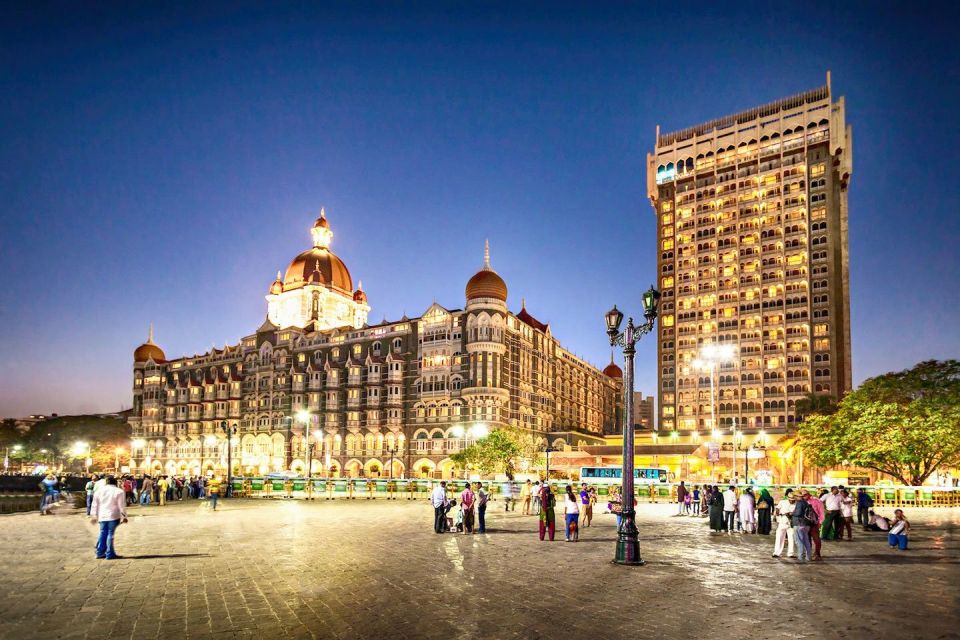
Your day begins with pickup depending on the option. Pickup can include areas like hotels near the airport, North Mumbai, Juhu, Santacruz, Andheri, Powai, and Goregaon, plus airport pickup is listed as an option. Drop-offs can include Mumbai, Andheri, the cruise terminal area (WRMR+CV4 is listed), and central points.
Once you’re moving, the tour focuses on a classic South Mumbai loop. You’ll hit landmarks tied to the sea view and the colonial-era city identity:
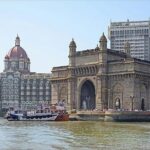
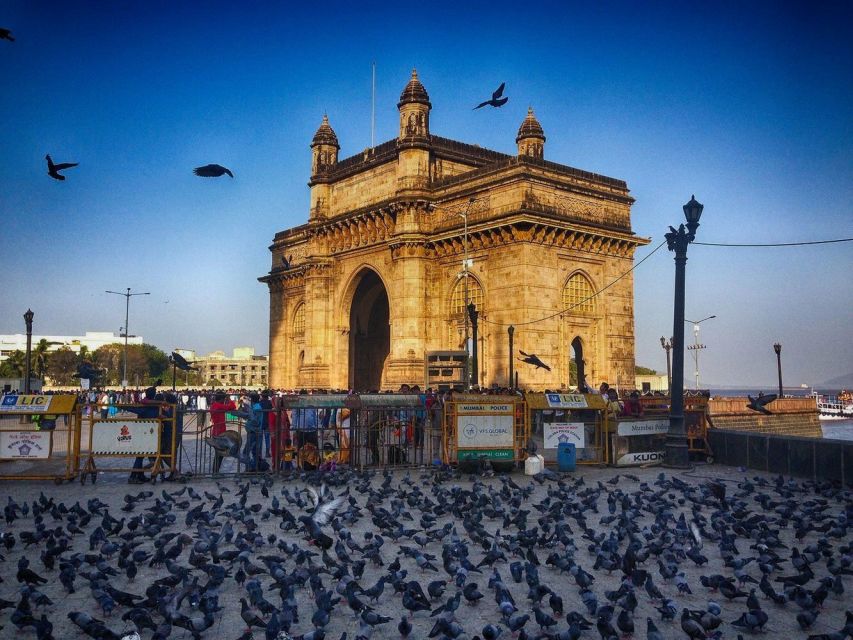
- Gateway of India: that big archway and the Arabian Sea backdrop
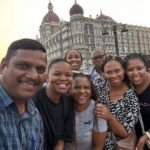
- Taj Mahal Palace Hotel area: a quick admiration stop nearby
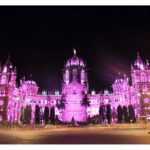
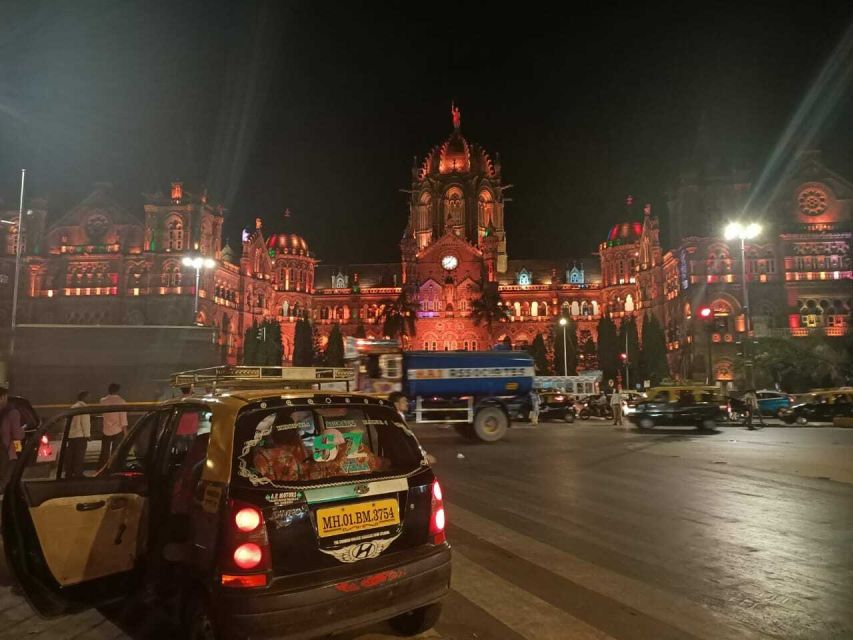
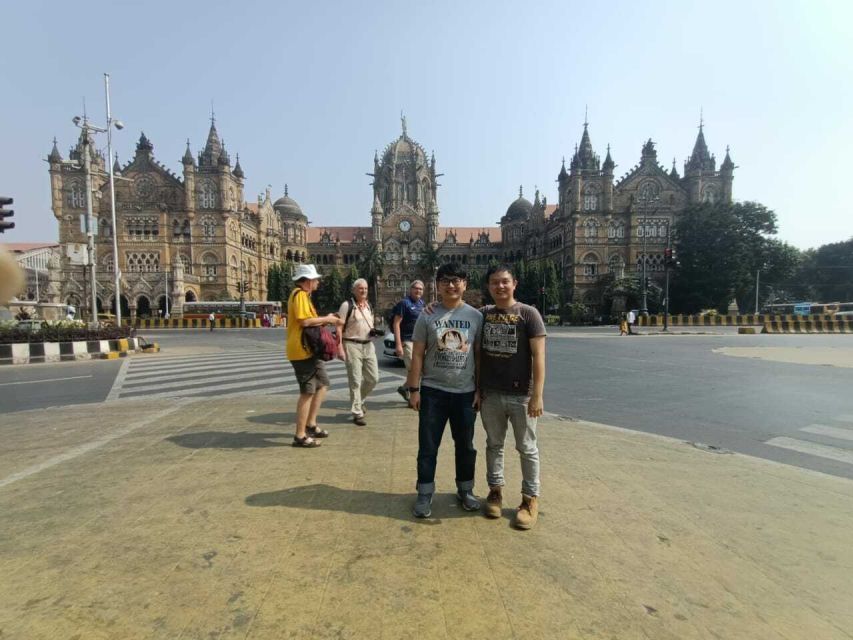
- Chhatrapati Shivaji Maharaj Terminus (CST): a UNESCO site with Victorian Gothic and Indian architectural elements
A key practical point: the driver and route planning help you avoid wasting your limited time in traffic. Multiple guides referenced in the experience notes (like Azeb, Prayag, Imran, Jamal, Rupesh, Shadab, Kev) emphasize safe driving and smooth handoffs.
Marine Drive and Malabar Hill: the part you’ll remember at night
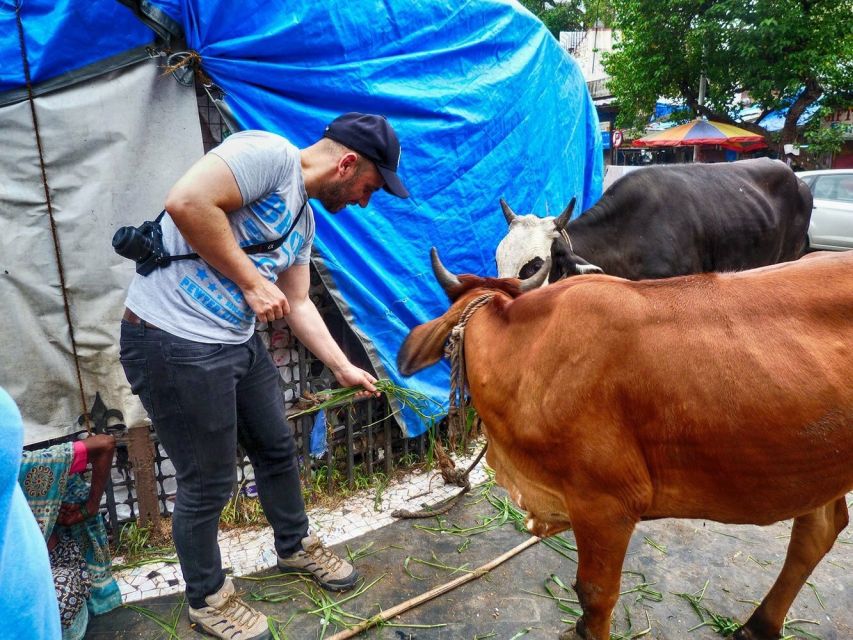
After CST and the market stop (Crawford Market is on the route), you’ll likely pass through the “postcard Mumbai” zones. Marine Drive gets a specific nickname: the Queen’s Necklace for its sparkling curve of lights after dark. Even if you’re there in daylight, the views help you understand why locals care about this coastline.
Then you move toward Malabar Hill for Hanging Gardens. It’s a calm break inside a loud city, with panoramic city views and terraced greenery. If you’re the kind of visitor who likes to photograph streets and skylines, this is one of your easiest photo wins of the day.
A stop for lived-in Mumbai: Mani Bhavan, Banganga Tank, and Dhobi Ghat
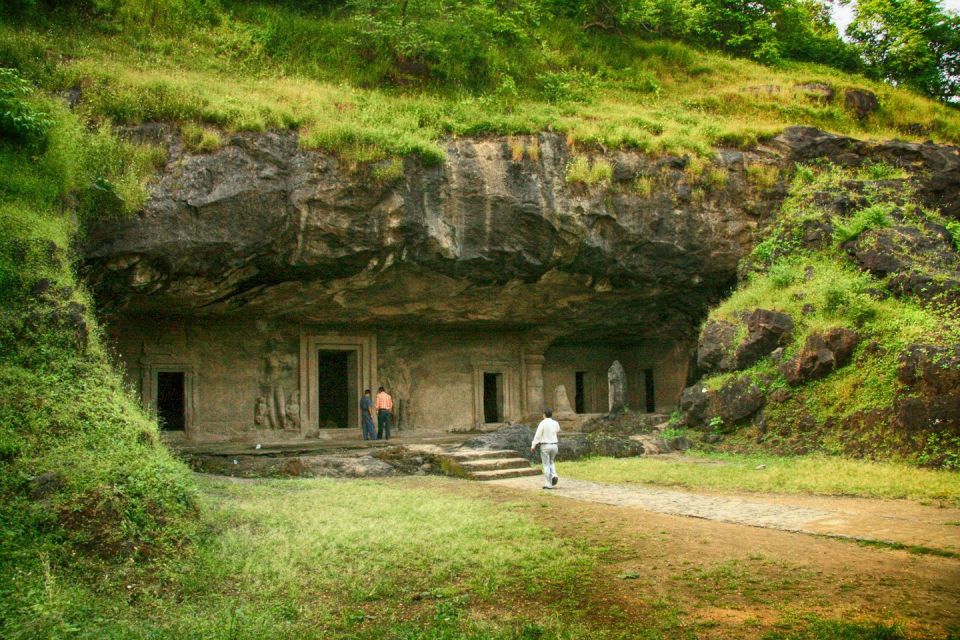
This tour doesn’t only chase iconic monuments. It also includes sites that show Mumbai’s ongoing rhythms.
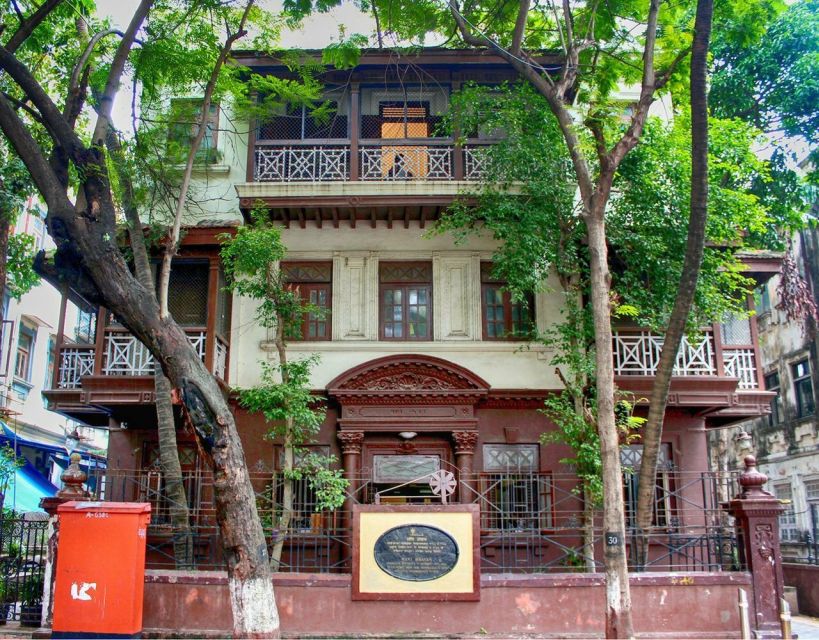
- Mani Bhavan: a guided visit (30 minutes is slotted)
- Banganga Tank: guided visit (around 20 minutes)
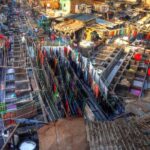
- Dhobi Ghat: guided visit and walk (about 20 minutes), with a focus on the open-air laundry activity
Dhobi Ghat is one of those places where a guided explanation turns what looks like a photo stop into a real understanding of how work is organized. In at least one case, the tour included a local-guided walk into the area so the explanation was more than surface-level.
This section is where the tour feels most “Mumbai.” If you want only monuments, you might want to skim these stops. But if you like human-scale city life, these are worth the time.





The Elephanta handoff: ferry logistics and why you should plan for the ride
Then comes the ferry. The tour includes ferry tickets to and from Elephanta, and it lists about an hour each way. In real life, you should still plan for more time than you expect—one account noted about an hour and a half each way, and Sundays can mean crowded boats.
Also: the ferry can be rough. More than one guide-driven account flagged that the ride may feel bumpy enough to affect your comfort. If you get motion sickness easily, consider taking seasickness medication ahead of time. It’s an unglamorous tip, but it’s the difference between arriving focused and arriving queasy.
Crowding is another factor. You might be on a crowded ferry at peak times, so it helps to be patient and keep your expectations flexible for comfort.
Elephanta Caves: UNESCO, Shiva iconography, and the staircase reality
Elephanta is the main event, and the tour builds it around a guided experience. You’re given time for sightseeing and a guided walk (about two hours at the caves area).
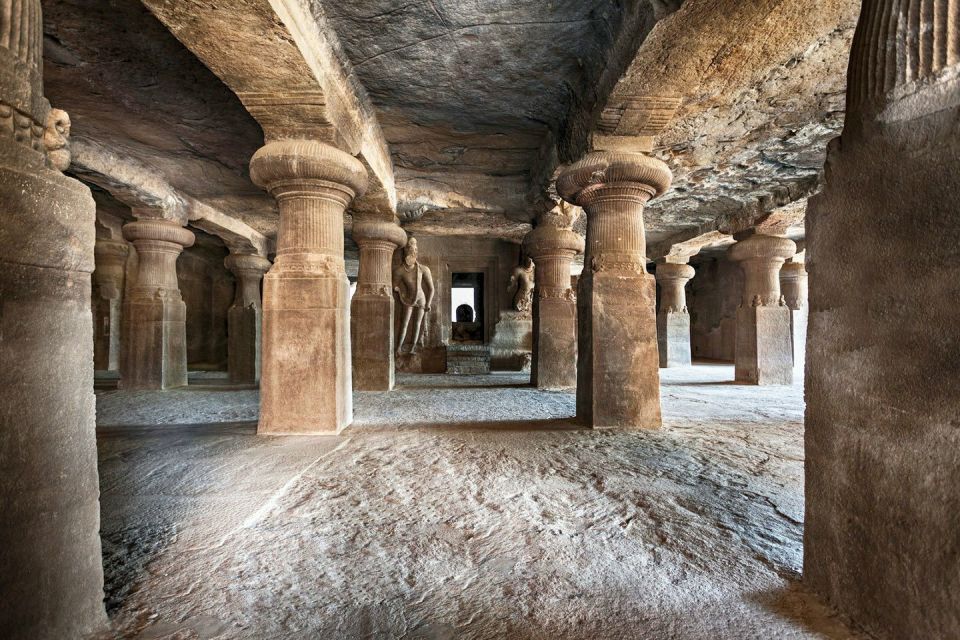
What makes it special is what you’re actually seeing: rock-cut temples dedicated to Lord Shiva, plus the famous three-faced Shiva sculpture. If you only walk around by yourself, you might catch the scale. With a guide, you get the meaning—how the carvings and figures relate to Shiva devotion and the symbolism carved into the stone.
Now the hard part: the steps. The tour explicitly notes there’s no elevator and you’ll climb more than 100 steps. Some accounts referenced about 120 steps to reach the top. If you’re sensitive to stairs, this is where you should be honest with yourself. Comfortable shoes help, but they don’t erase the effort.
On the upside, the guide adds a “show-and-explain” flow. Guides such as Daivat/David are described as especially good at explaining iconography and taking photos. If photography matters, be ready: you may want to ask for a photo plan early so you aren’t scrambling once you’re already walking.
Monsoon backup plan (if you visit mid-summer)
If you’re traveling during monsoon season (July to mid-September), ferries may be delayed or canceled due to winds. The tour notes an alternative option: you might visit the Kanheri caves in Mumbai instead, or receive a 30% refund in that scenario. That’s exactly the kind of contingency you want written down before you go.
Dharavi: what you see, and why the guide’s role matters
Dharavi is included only if you select the all-inclusive full-day option that bundles city + Elephanta + Dharavi. If you do, you’ll spend time exploring local industry and community life.
The focus isn’t on shock value. The tour description points you toward practical sectors—pottery, leather, recycling, and textiles. The big takeaway is how a community builds businesses in tight spaces and keeps production moving through local networks.
This part of the experience depends heavily on your guide, and the guide names you’ll see in accounts are a clue to what the day is like. For example, Dawood and Dinesh are mentioned as explaining the importance of the industries and the talent of the people who work and live there. Some accounts even mention personalized ways of moving through areas, including using a train in one case, which can help with time and comfort.
This is also the section where you want to be respectful and patient. You’re stepping into real work zones, not a staged attraction.
If you’re deciding between adding Dharavi or not, here’s my practical way to think about it: Elephanta is spiritual stone. Dharavi is daily human effort. If you want both ends of the Mumbai story, you’ll likely feel it was money well spent.
The small friction points: heat, tips, and keeping your expectations clean
A few “real day” considerations show up in the experience notes.
Heat is one. If you’re traveling in warm months, you’ll appreciate AC in the car on options that include it. At least one account mentioned the AC not working in the bus portion of the day, so you’ll want to stay hydrated and use the sun hat and sunglasses you’re told to bring.
Tipping expectations can be awkward. One account described an Elephanta cave guide pushing for a tip and asking for a Google review immediately after the tour. That doesn’t mean it’s the norm, but it’s worth knowing that tip dynamics can vary by guide. If that matters to you, it’s fair to ask what’s customary during your first contact so you’re not surprised later.
Also note: luggage or large bags aren’t allowed. Pack light and keep essentials in a small bag you can carry comfortably.
Who this tour fits best (and who should skip it)
This is a smart choice if you’re short on time and want a guided overview of major Mumbai landmarks plus Elephanta. It’s also a great pick if you enjoy contrast: UNESCO caves and Shiva sculpture on one side, and market-and-work city life on the other.
It’s especially suitable for first-timers because the route helps you see the main pieces without getting lost. And the private setup helps you avoid the “herd” feeling you can get in big group tours.
You should probably skip or reconsider if you have back problems or mobility impairments. The steps at Elephanta (100+ with no elevator) are the dealbreaker. The ferry ride might also be uncomfortable for people who are very motion-sensitive.
Should you book it? My honest take
If you want an efficient Mumbai day with real guidance—not just photo stops—this tour is a strong option. The biggest value is the combination of logistics (ferry + entry handled on the right options) and human interpretation from guides like Daivat/David on Elephanta and city guides such as Ganesh, Maze, or Lokesh/Loki on the mainland.
Book it if:
- you want to see Elephanta caves without figuring out ferry and entry timing
- you like a structured day but still want a guide who can adjust to your pace
- you’re interested in Dharavi only if it’s offered in your selected package
Be cautious if:
- stairs are a problem for you (Elephanta has no elevator)
- you get seasick easily and you don’t plan to medicate
- you want lots of free time to wander alone, because this day moves with guided timing
If you match those realities to your comfort level, this is exactly the kind of trip that helps Mumbai click.
FAQ
How long is the tour?
The duration is listed as 4 to 10 hours depending on the option and your selected starting time.
Is Elephanta Caves included in every option?
No. Elephanta is excluded if you select the option labeled Mumbai Half day sightseeing Tour.
Do I get hotel pickup and drop-off?
Hotel pickup and drop-off are included for many options, but not for the Half-Day Elephanta Tour from Meeting Point option.
Are ferry tickets and cave entrance fees included?
For options that include Elephanta, ferry tickets and Elephanta Caves entrance fees and village taxes are listed as included. Some half-day options do not include these.
What should I bring?
Bring comfortable shoes, sunglasses, and a sun hat.
Is there an elevator at Elephanta Caves?
No. There is no elevator, and you will climb more than 100 steps.
What happens if ferries are canceled in monsoon season?
During monsoon (July to mid-September), ferries may be delayed or canceled due to wind. The experience will offer an alternative visit to Kanheri caves in Mumbai or a 30% refund in that scenario.
Is the tour suitable if I have mobility issues?
It is not suitable for people with back problems or mobility impairments due to the steps and walking involved.