REVIEW · MUMBAI
Full Day Mumbai Sightseeing Tour with Dharavi Slum
Book on Viator →Operated by Dream City Tours and Travels · Bookable on Viator
Mumbai can hit fast. This tour keeps up. You get Mumbai’s headline monuments plus a structured visit to Dharavi, one of Asia’s biggest slum areas, without turning it into a drive-by photo stop. I especially like the way the day mixes major landmarks with a real look at daily life in Dharavi, including both residential and commercial areas.
Two things I really like: the comfort factor (an air-conditioned vehicle and bottled water, with pickup offered), and the guide-led storytelling. Guides such as Viresh, praised for patience and warm personality, bring context to everything from India’s history to what you’re seeing on the street. One consideration: lunch is not included, so you’ll want to plan food breaks yourself so the day doesn’t start feeling rushed.
In This Review
- Key highlights before you go
- A 7–8 Hour Mumbai Mix: Landmarks Plus Dharavi
- Gateway of India to Chhatrapati Shivaji Terminus: The postcard, but with context
- Shri Siddhivinayak and Haji Ali: Two worship stops with very different vibes
- Shri Siddhivinayak Ganapati Mandir
- Haji Ali Mosque (Haji Ali Dargah)
- Dharavi: More than a label, but still a serious stop
- Mani Bhavan and Dhobi Ghat: Gandhi’s story and Mumbai’s daily laundry work
- Mani Bhavan
- Dhobi Ghat (Dhobi Ghat / Mumbai’s laundry scene)
- Air-conditioned comfort, bottled water, and what the private guide really adds
- Price and Logistics: Who gets the best deal
- Who this Mumbai and Dharavi tour fits best
- Final call: Should you book it?
- FAQ
- Is pickup included?
- How long is the full-day tour?
- What does the $100 per person include?
- What’s not included?
- Is this tour private?
- What stops are part of the itinerary?
Key highlights before you go
- A full-day route that links Mumbai’s icons to Dharavi
- Dharavi visit focused on both commercial and residential areas
- UNESCO-listed Chhatrapati Shivaji Terminus nearby for a classic photo base
- Temple and dargah entries included where the route stops
- Air-conditioned vehicle plus bottled water on a long day
- Lunch isn’t included, so your energy plan matters
A 7–8 Hour Mumbai Mix: Landmarks Plus Dharavi
This tour is built for people who want the big Mumbai view and the real Mumbai reality in the same day. You start near the waterfront at Gateway of India, then work through the historic transport-and-civic zone around Chhatrapati Shivaji Terminus. After that, the route shifts into places of worship and sea views before landing in Dharavi for about an hour.
What makes this structure useful is pacing. Mumbai is not a place that rewards slow wandering if you only have one day. Here, the schedule gives you short, well-timed stops (many under an hour) and then one longer block for Dharavi, so you actually have time to take it in.
The guides you’ll encounter are a big part of that value. In reviews, Viresh is repeatedly described as patient, warm, and detailed. Another guide, Shailendra, is praised for changing how people think about Dharavi, describing it as a big business world rather than just a label. That kind of framing matters because Dharavi can be misunderstood when you only see it from afar.
You can also read our reviews of more tours and experiences in Mumbai



Gateway of India to Chhatrapati Shivaji Terminus: The postcard, but with context
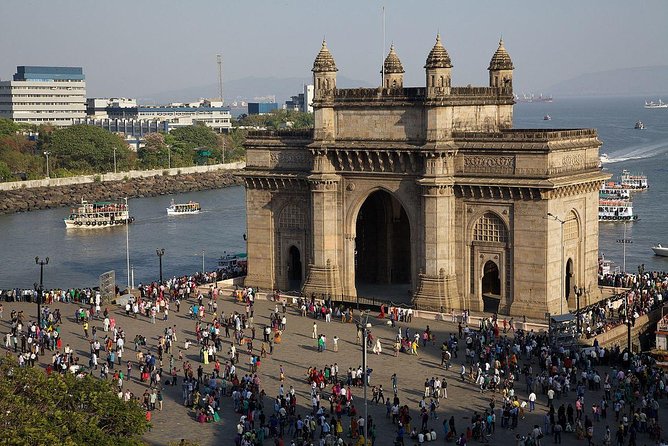
Your first stop is Gateway of India, a landmark arch monument tied to the era of British royal visits. It’s short here (about 15 minutes), which is perfect for photos and a quick orientation moment. You’ll get a feel for how the city presents itself to the world, especially along the water.
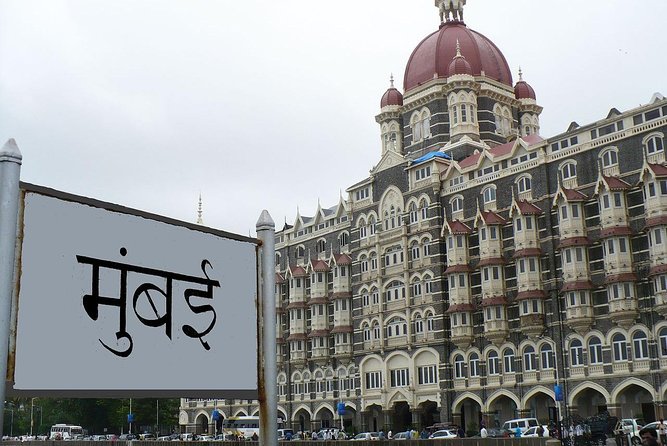
From there, you move to the Chhatrapati Shivaji Terminus area. Chhatrapati Shivaji Terminus (also known as CST) is a historic railway terminus and a UNESCO World Heritage Site. Your stop is about 30 minutes, so don’t expect a long museum-style visit. Instead, think of it as a “stand in the place” experience: the building is the point, and the guide will help you read the architecture and the history behind it.
Why this segment is worth your time: Mumbai’s identity is tied to transport. Seeing CST right after Gateway helps you connect the dots between empire-era monuments, trade routes, and the city’s working rhythm today. If you like architecture and street-level history, this part will feel like a fast, satisfying warm-up for the heavier stop later.
Practical tip: wear comfortable shoes. Even short stops add up when you’re moving through a busy city.
Shri Siddhivinayak and Haji Ali: Two worship stops with very different vibes
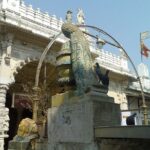
Next come two well-known places of worship, each with its own character and setting.
Shri Siddhivinayak Ganapati Mandir
You’ll spend about 45 minutes at the Shri Siddhivinayak Ganapati Mandir. Admission is included. This is one of those stops where the best experience is usually not just sightseeing, but observing how people behave and what the rituals mean in real time.
What I like about including this temple stop: it gives the day balance. After transport landmarks and before Dharavi, you get a human-scale place with a clear purpose. Also, reviews highlight guides who can explain what you’re seeing without making it feel like a lecture. If you’re the type who enjoys understanding customs and meaning, this timing works.
Haji Ali Mosque (Haji Ali Dargah)
Then you head to Haji Ali Mosque, located on an islet off the coast near Worli. Your stop is about 30 minutes, and admission is included. The setting matters here. The water makes it feel more exposed and open than many city mosques, and it often creates a dramatic backdrop for the architecture.
Consideration: this area can involve walking near coastal zones. Plan for sun and keep your phone protected from glare and salt air if you’re photographing.





Dharavi: More than a label, but still a serious stop
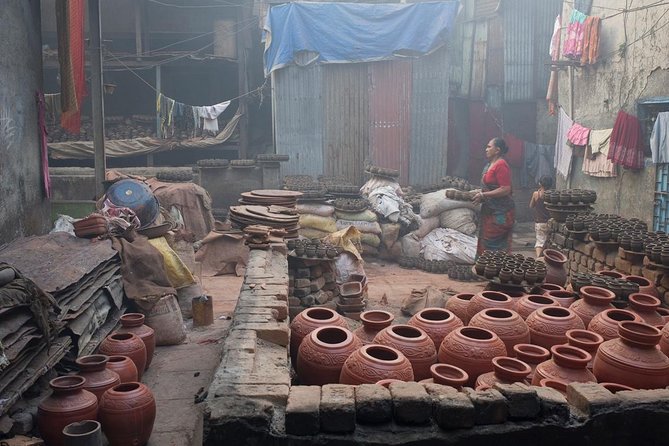
This is the heart of the day. You’ll visit Dharavi for about an hour, with admission included. The key promise here is that you’re not just driving past. The visit includes both the commercial and residential parts, which is a big difference from the most superficial versions of “slum tours.”
Here’s how to approach Dharavi in a way that feels respectful and rewarding for you: think in systems, not stereotypes. Dharavi is described as a huge community where people work, trade, build, and live. One guide, Shailendra, is specifically praised for explaining that it functions like a business world. That kind of framing helps you notice details you might otherwise dismiss.
Also, the guide quality can change the whole experience. Reviews mention deep patience and thoughtful explanations, especially from Viresh. When a guide can connect what you see to how neighborhoods operate, the hour stops feeling like a checklist.
What can be challenging: it’s a dense, real place. You should be prepared for sights and smells you might not expect from a typical sightseeing day. The route also calls for moderate physical fitness level, which makes sense given the walking and crowding you might encounter.
If you want to get the most from the Dharavi portion, go with a curious mindset. Ask questions through your guide. Keep your camera use mindful. And remember: the goal is understanding, not consuming.
Mani Bhavan and Dhobi Ghat: Gandhi’s story and Mumbai’s daily laundry work
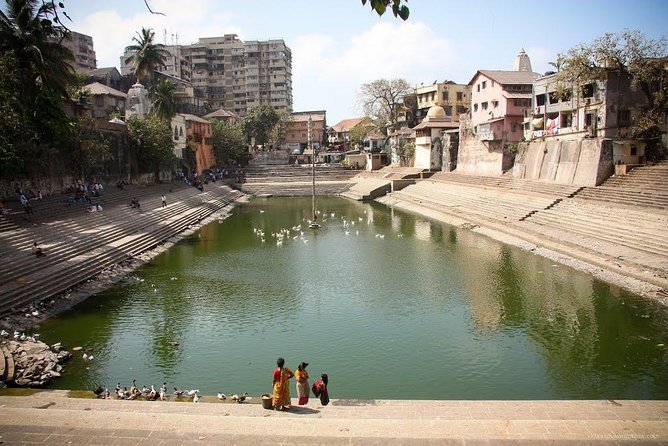
After Dharavi, the tour includes two iconic “Mumbai at work” stops.
Mani Bhavan
Mani Bhavan is included on the route, and it’s a strong choice because it connects a global historical figure to local, lived experience. If you’re into history, it helps to have this place after Dharavi and worship sites. The day has already shown you faith and daily survival; Mani Bhavan adds a personal political story to the mix.
Timing matters here. Your day is packed, so you’ll likely do more of an overview than a slow, museum-style read. Still, it’s a good add-on that can make the earlier stops feel less random.
Dhobi Ghat (Dhobi Ghat / Mumbai’s laundry scene)
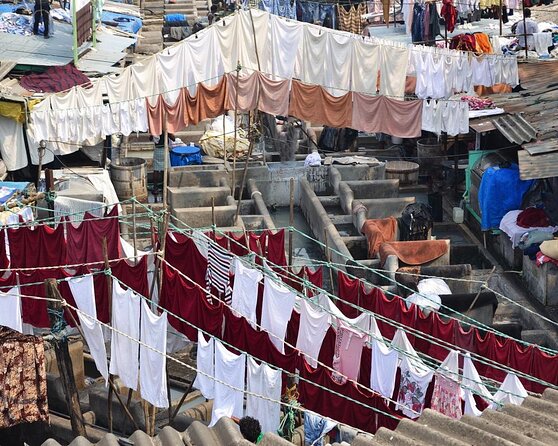
You’ll also visit Dhobi Ghat, described as the biggest washing laundry in the world. This stop is great for grounding the day in practical life. It’s one of those places where you can watch work happening and understand that Mumbai is powered by constant labor, not just landmarks.
Value angle: this is the kind of stop you can’t recreate from photos alone. Watching the flow of water, clothing, and movement gives you a more accurate sense of how the city operates.
Practical tip: expect active work around you. Dress for comfort, and keep your respect meter high. Don’t block pathways or interfere with workers’ routines.
Air-conditioned comfort, bottled water, and what the private guide really adds
Let’s talk about value, because this tour is priced at $100 per person for roughly 7–8 hours. For many travelers, that price is less about the monument list and more about how the day is managed.
You get:
- an air-conditioned vehicle
- bottled water
- a private guide
A private guide matters in Mumbai because the city rewards context. Without that, you can see the same landmarks and miss the meaning. Reviews back this up with repeated praise for guides who explain history and help you understand what you’re looking at.
The vehicle and water are also practical. A full-day route in Mumbai can feel long fast, especially if you’re switching between waterfront areas, temples, and dense neighborhoods. The A/C helps you reset between stops.
One more feature: pickup is offered and you’ll have a mobile ticket. That helps your day start clean and reduces time spent figuring things out on your own.
The one “missing piece” is lunch. Since lunch is not included, you’ll want to build in your own plan. If you arrive hungry, the day can feel harder than it needs to.
Price and Logistics: Who gets the best deal
This tour is priced at $100 per person, which can be a sweet spot depending on your travel style.
You’ll likely feel the best value if you:
- only have one day in Mumbai and want a structured route
- like guided context (not just photos)
- want Dharavi included without DIY planning
It’s also clearly designed as a private tour/activity, meaning only your group participates. At the same time, it offers group discounts, which suggests it can work for small groups too.
Duration-wise, the stops include short timed visits at major monuments and temples, with about an hour dedicated to Dharavi. The total time already includes travel time, so you’re not left guessing how long things really take once the city gets involved.
If you prefer long, unhurried wandering, this may feel scheduled. But if you want a balanced, high-impact day, the structure is the point.
Who this Mumbai and Dharavi tour fits best
This tour fits best if you’re the type who likes learning while seeing.
It’s a good match for:
- first-time visitors who want major Mumbai landmarks plus Dharavi in one day
- travelers who appreciate faith and civic landmarks, not just beaches and shopping
- people who value guide explanations, especially the kind praised by Viresh for patience and warm delivery
It might be less ideal if you:
- hate dense environments and want zero discomfort
- need a lot of quiet downtime during a day
- want lunch included automatically
Also, if you’re traveling with limited mobility, you should be cautious. The tour calls for moderate physical fitness. That doesn’t mean it’s extreme, but it does mean expect some walking and city movement.
Final call: Should you book it?
If you want one day in Mumbai that gives you both the skyline and the street-level reality, I’d say yes. The biggest strength is the pairing: you don’t just tick off monuments. You also spend real time in Dharavi with a guide who can help you see it as a functioning community and not a single headline label.
Before you book, decide how you feel about a serious, real-world neighborhood visit. If you’re curious, respectful, and ready for the day to be both informative and a little intense, this is a strong use of your time. If you’d rather keep your sightseeing “easy and light” only, you may find Dharavi emotionally heavier than the temple-and-monument parts of the route.
FAQ
Is pickup included?
Pickup is offered, and the tour also uses an air-conditioned vehicle during the day.
How long is the full-day tour?
The duration is about 7 to 8 hours.
What does the $100 per person include?
It includes an air-conditioned vehicle, bottled water, and a private guide. Some admission tickets are included at specific stops.
What’s not included?
Lunch is not included.
Is this tour private?
Yes. It’s a private tour/activity, so only your group participates.
What stops are part of the itinerary?
The route includes Gateway of India, the Chhatrapati Shivaji Terminus area, Shri Siddhivinayak, Haji Ali Mosque, Dharavi, Mani Bhavan, and Dhobi Ghat.