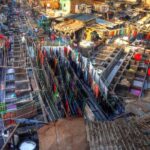
REVIEW · MUMBAI
Mumbai Coastal Cooking: From Fishing Net to Flavourful Plate
Book on GetYourGuide →Operated by Explore Mumbai Tours · Bookable on GetYourGuide
Net to plate is Mumbai’s best meet. This 3-hour coastal food experience in Maharashtra is interesting because you connect the fishing village life to what ends up on your plate, and I like the hands-on cooking teaching from Kavita and Ravi. One thing to consider: access to the village part can be affected by restrictions, and the plan may shift to cooking at the host’s home instead.
You’ll start with a tuk-tuk ride to the oldest fishermen’s area, then walk along the shoreline and docks to see nets at work and boats coming in. You’ll also stop at a fish market where women in colorful sarees sell the day’s catch, and that market energy matters, because it’s the context for the recipes you’ll cook later.
In This Review
- What This Tour Really Does: From Nets to a Home-Cooked Meal
- Tuk-Tuk to the Fishermen’s Village and a British-Era Landmark
- The Shoreline Walk: Boats, Nets, and Traditional Fishing Techniques
- Fish Market Time: Colorful Sarees, Fresh Catch, and How to Shop Smart
- Hands-On Cooking at Kavita and Ravi’s Home: Mandeli, Fish Curry, and Mumbai Bread
- What You’ll Eat: Why These Dishes Fit Mumbai’s Coastal Life
- Price and Time: Is $21 per Person Good Value for 3 Hours?
- Who This Tour Fits Best (and Who Might Want Another Option)
- Should You Book This Mumbai Coastal Cooking Tour?
- FAQ
- What is the duration of Mumbai Coastal Cooking?
- How much does it cost?
- Where does the experience take place?
- Is it a private group?
- What language is the host or greeter?
- What’s included in the experience?
- What food will I learn to cook?
- Do I get hands-on cooking time?
- What if the fishermen’s village can’t be visited due to access restrictions?
- Can I cancel for a full refund?
- Is there a pay-later option?
What This Tour Really Does: From Nets to a Home-Cooked Meal
This isn’t a sit-and-watch food show. It’s built around the idea that Mumbai’s seafood culture is a chain: fishing, buying, cooking, and eating together. You get the “why” behind flavors when you see the gear, the boats, and the market rhythm before you start chopping, frying, and mixing.
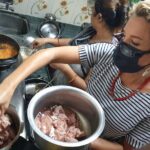
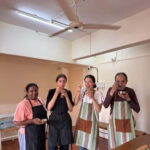
At the heart of the experience is the cooking class in a local fisherman’s home. Guests report the best moments aren’t just the dishes, but the back-and-forth conversation while food is being made. If you enjoy asking questions and learning how people really live (not the edited version), this format fits.
The value here is that you’re not paying only for a meal. You’re paying for context plus instruction: where ingredients come from, how they’re handled, and how Mumbai-style fish and spice combinations come together in one real kitchen.
Tuk-Tuk to the Fishermen’s Village and a British-Era Landmark
You meet at a designated point (it may vary depending on your option), then ride by tuk-tuk to the fishermen’s village area. The early transport step matters. The ride helps you shed the “tour mode” and makes the day feel local fast, especially once you’re in the older fishing neighborhood.
In the village area, you’ll visit a historic festive ground that’s linked to British history. You don’t need a lecture to appreciate it—you’re looking at how older communities used shared public spaces, long before modern tourism signage took over everything. It’s a small historical stop, but it gives you a sense that this fishing world has long roots.
From there, the plan typically moves toward the coast: you’ll see fishermen’s boats and get a sense of how the day’s work starts and continues. The main payoff isn’t “photo ops.” It’s connecting what you’ll cook later to what you’re seeing in front of you.
You can also read our reviews of more cooking classes in Mumbai
The Shoreline Walk: Boats, Nets, and Traditional Fishing Techniques
Once you’re out near the beach and docks, you’ll observe the working side of fishing. This includes seeing boats and watching how fishermen weave their nets and use traditional techniques. For most people, this is the part that changes how they think about seafood.
Notice the care in the details. Net weaving isn’t random labor; it’s a skill with timing and knowledge behind it. Even if you only spend a few minutes watching, you start to understand why certain fish preparations feel “right” in Mumbai cooking. The food isn’t separate from the work—it’s the next step.
You’ll also stroll through the fishermen’s docks, where the atmosphere is naturally practical: people moving with purpose, handling gear, and keeping the flow going. If you’re sensitive to crowds or smell (working docks can be intense), it’s smart to keep expectations realistic. Bring patience and a water bottle.
Fish Market Time: Colorful Sarees, Fresh Catch, and How to Shop Smart
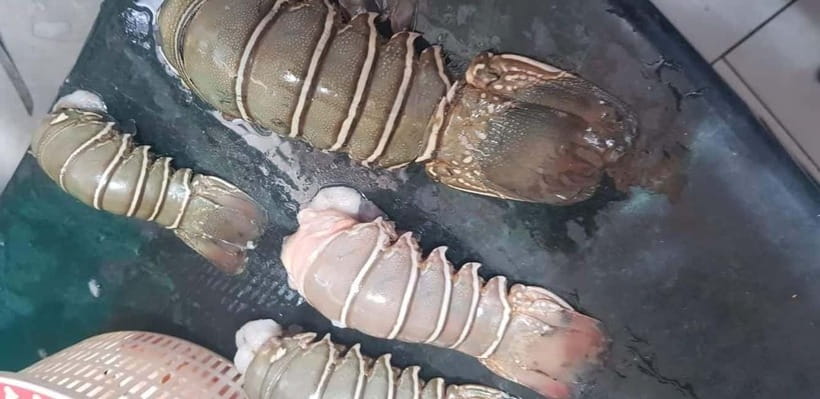
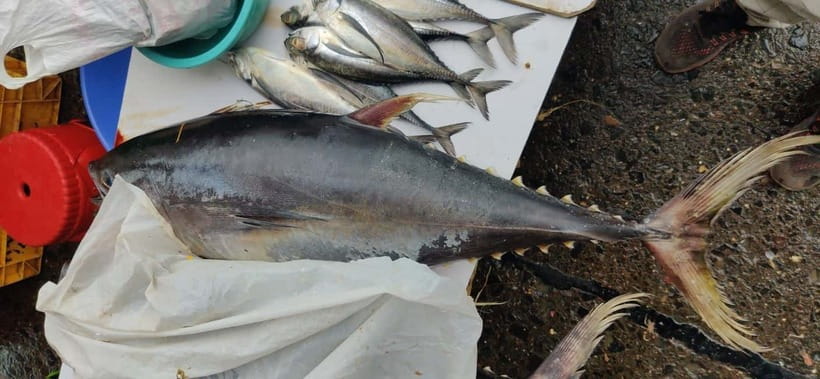
Next comes the fish market, and this is where your senses get a lesson. You’ll wander among sellers—especially women in colorful sarees—and see fresh catches being offered up close. The market is loud in a human way: bargaining, sorting, and talking about what’s available.
This is also where you can pick up useful tips for understanding Mumbai cooking. Pay attention to what fish is being shown and how it’s discussed. The goal isn’t learning every species name. The goal is building a feel for what’s considered everyday, what’s seasonal, and how cooking methods vary based on what’s on the market.
One guest also described shopping through a real residential area and reaching parts of the neighborhood by metro. Translation: you’re not just stuck in a tourist bubble. You’re moving through everyday city life, which makes the later meal feel more personal.
Hands-On Cooking at Kavita and Ravi’s Home: Mandeli, Fish Curry, and Mumbai Bread
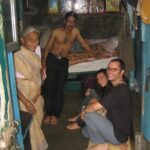
The cooking class happens at a local home, with Kavita as a main host and Ravi often joining in. Expect a friendly, question-friendly vibe. Guests highlight that Kavita speaks very good English, so you can actually follow what’s happening: why certain steps come first, how spices are used, and how to judge the taste as it develops.
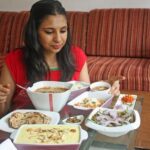
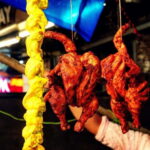
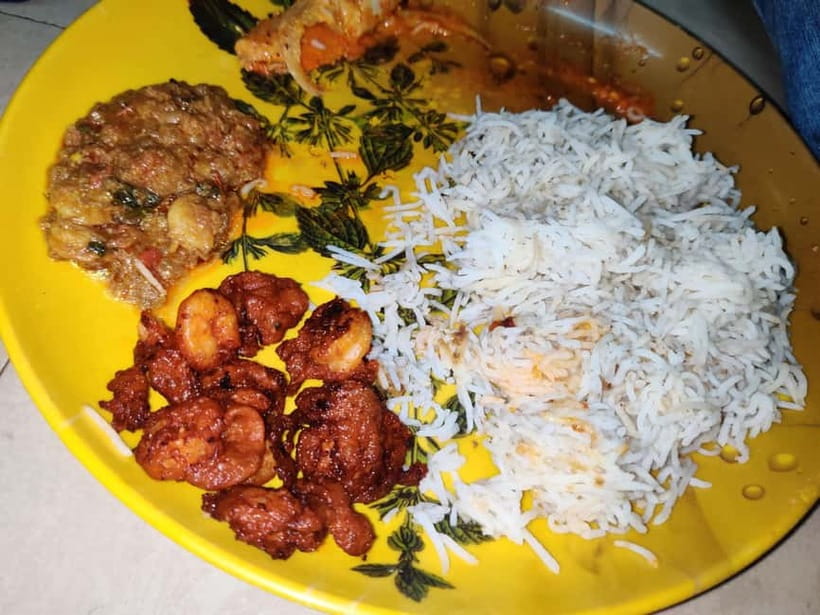
In the class, you learn to prepare traditional Mumbai fish delicacies. Based on what’s shared in the experience description and what guests report cooking, the menu can include fish curry and other fish preparations like fried fish or mandeli. You might also make chicken dishes, and you’ll cook with staples like rice plus flatbreads such as roti and chapati.
You’ll also learn local fisherman’s bread and a sour-spicy drink. That combination is practical and clever. It balances the meal: rich, spiced seafood needs a counterpoint, and the sour-spicy element helps keep everything from feeling heavy.
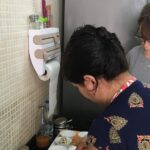
A small detail I really like: guests mention helping with real tasks. One person says they even fried a batch of mandeli. That kind of hands-on participation matters because you’ll remember the technique, not just the flavor.
What You’ll Eat: Why These Dishes Fit Mumbai’s Coastal Life
This food plan makes sense for Mumbai’s coast. Fish curry is the anchor because it’s adaptable: you can adjust spice and sourness, and it works with rice. Flatbreads like roti or chapati are there for scooping and balancing. That means you don’t just eat with a fork—you eat the way homes do.
Mandeli (often treated as a fried fish preparation in guests’ descriptions) brings crunch and intensity. Frying techniques also teach you something quickly: the heat level and timing decide everything. You’ll taste the difference between careful control and rushing.
The inclusion of chicken dishes is a reminder that coastal kitchens aren’t only seafood-only. You’re seeing how a home meal works across protein choices. And the sour-spicy drink is there to reset your palate after spicier bites. Even if you don’t drink much normally, it’s usually worth tasting because it shows how Mumbai cooking builds balance.
If you’re hoping for a strict “recipe textbook” experience, this isn’t that. It’s more about learning by doing while someone guides you step by step.



Price and Time: Is $21 per Person Good Value for 3 Hours?
At $21 per person for about 3 hours, the price feels reasonable for what you’re actually getting: a coastal walk component plus a cooking session in a real home. You’re not just buying ingredients or paying for a generic tasting. You’re paying for instruction, market access, and the full story chain from fishing to cooking.
Is it cheap? Not in a bargain-hunting sense. But it’s also not overpriced for the amount of active learning. You should view the value as “hands-on teaching + local context,” not as “a fancy dinner.”
The only cost-related caution is the shifting village access possibility. If conditions change, you may lose part of the scenic and dock-walking time and spend more time cooking and talking at the home. That said, multiple guests describe the home experience as the highlight anyway—so it’s not automatically a downgrade. It’s just something to be aware of when you’re setting expectations.
Who This Tour Fits Best (and Who Might Want Another Option)
This tour is a strong match if you like:
- Food that comes with a real connection to daily work
- Cooking classes where you can ask questions and actually participate
- Seeing a local market and understanding how it feeds home cooking
- Spending time in a home kitchen rather than a staged restaurant setting
You might hesitate if you want a quiet, fully scripted sightseeing itinerary. The dock and market portions can be lively, and the cooking schedule depends on how things work on the ground. Also, if you dislike seafood, the experience is still built around fish delicacies, so you’d want to think carefully about how much of your plate is likely to be fish or fish-based flavors.
Should You Book This Mumbai Coastal Cooking Tour?
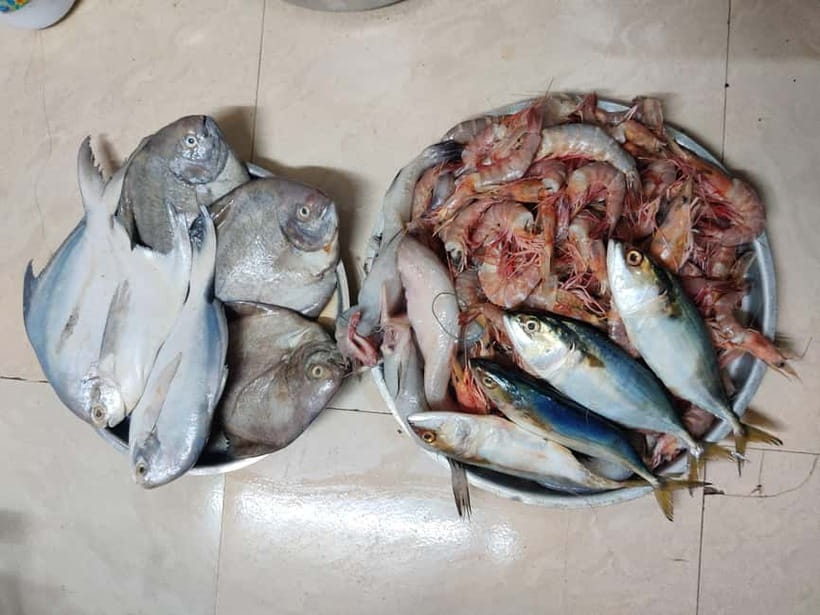
I’d book it if you want a practical, human-sized Mumbai experience. This one connects the coast to the kitchen in a way that feels real, not performative. The strongest reasons to choose it are the cooking teaching in a local home and the market-to-plate flow that explains why the food tastes the way it does.
If your priority is classic landmark sightseeing, this probably won’t replace that. But if you want Mumbai texture—boats, nets, fish sellers, and a home meal with Kavita and Ravi—this is the kind of tour that sticks in your memory for the right reasons.
FAQ
What is the duration of Mumbai Coastal Cooking?
The experience lasts about 3 hours.
How much does it cost?
The price is $21 per person.
Where does the experience take place?
It’s in Maharashtra, India, centered around Mumbai’s coastal fishing area.
Is it a private group?
Yes, it’s listed as a private group.
What language is the host or greeter?
The host or greeter is English-speaking.
What’s included in the experience?
It includes a visit to the fisherman’s village, a tuk-tuk ride, a visit to the fish market, and coastal food cooking classes.
What food will I learn to cook?
You’ll learn to make fish curry, chicken dishes, local fisherman’s bread, and a sour-spicy drink. Guests also describe items like mandeli, roti, chapati, and rice.
Do I get hands-on cooking time?
Yes. The class is described as hands-on, and guests report helping with tasks such as frying.
What if the fishermen’s village can’t be visited due to access restrictions?
Access restrictions can affect plans. One guest shared that the group couldn’t visit the fishermen’s village and instead cooked at Kavita’s home for about three hours.
Can I cancel for a full refund?
You can cancel up to 24 hours in advance for a full refund.
Is there a pay-later option?
Yes, you can reserve now and pay later.