REVIEW · MUMBAI
Private Cooking Class in Mumbai
Book on Viator →Operated by India Magic Tours · Bookable on Viator
Cook like a local, in a real home. This private cooking class in Mumbai takes you into a local family’s kitchen with a woman host, plus round-trip hotel transport so you can focus on the food, not traffic. You’ll learn the basics of Indian cooking in a calm, homey setting, with real technique behind the flavors.
I especially like the way the experience lets you choose between a market visit or a no-market plan, depending on how much time you have. And you’re not just tasting your way through Mumbai cuisine: you’ll work from a menu that can include classic dishes like paranthas, sag paneer, chapattis, raita, and masala.
One consideration: because this is an in-home meal, it’s not set up like a restaurant. You’re cooking and eating in a private home environment, and alcohol isn’t included, so come ready for a non-alcohol pairing with your meal.
In This Review
- Key takeaways before you cook in Mumbai
- Why a Mumbai home kitchen beats a cooking demo
- Price and value: what $120 buys you (and why it’s not just a meal)
- Start time options: fit it into your Mumbai day
- The Dadar West flow: what the 5 hours feel like
- What you’ll cook: parathas, sag paneer, chapattis, and friends
- Spice technique you’ll actually use at home
- Eating in the home: more than a final plate
- Who this class is best for (and when to choose something else)
- Practical tips before you book
- Should you book the Private Cooking Class in Mumbai?
- FAQ
- How long is the private cooking class in Mumbai?
- What does the $120 price include?
- Can I choose a market visit or skip it?
- What time does the experience start?
- Where does the experience begin?
- Is it a private tour for just my group?
- What dishes are on the menu?
- Is alcohol included, and is there a minimum age?
- What is the cancellation policy?
Key takeaways before you cook in Mumbai
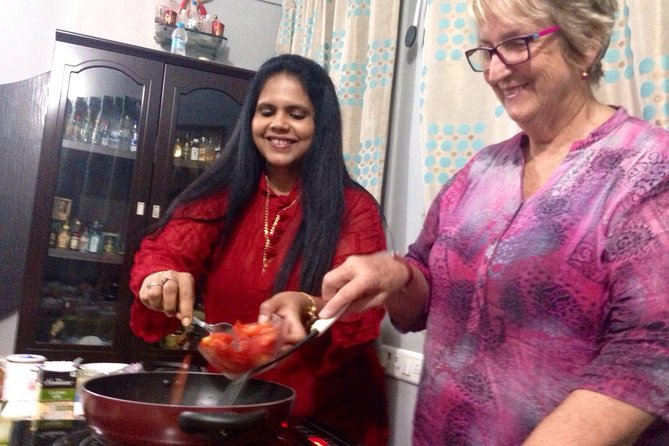
- Private format with a real host family: you’ll cook with your hosts, not watch a show.
- Hotel pickup and drop-off by air-conditioned minivan: less logistics stress, more kitchen time.
- Market visit optional: see ingredients up close or jump straight to cooking.
- Classic menu choices: expect staples like chapattis and raita, plus dishes such as sag paneer and more.
- Take-home recipes: you’ll leave with notes you can actually use later.
Why a Mumbai home kitchen beats a cooking demo
Mumbai cooking can be loud, fast, and a bit intimidating if you’re used to cooking at home with clear instructions and measuring cups. This class works because it slows things down and gives you a kitchen context: you’re learning inside a local home where the rhythm is practical.
The best part is the way the class is hands-on and private. It’s not a big group where you spend half your time watching and taking photos. Instead, you get time with the host family to practice techniques, ask questions, and get feedback as you go. If you’ve ever made one perfect dish and then wondered why the rest failed, this is the kind of course that helps you understand the system.
Also, the experience is built for comfort. You get round-trip transport from your hotel, and the total time is about 5 hours, which is a friendly length for a city day. You won’t feel like you’re losing your afternoon to logistics.
You can also read our reviews of more private tours in Mumbai



Price and value: what $120 buys you (and why it’s not just a meal)
At $120 per person, this isn’t a cheap snack tour. But it’s also not overpriced when you look at what’s included: a local host, air-conditioned minivan transport, and lunch or dinner after the cooking. You’re paying for access to a home kitchen and the time of the people teaching you.
Think of it like this: you’re not paying restaurant prices for food. You’re paying for:
- Private instruction in an actual home
- Time spent cooking multiple dishes
- A sit-down meal you help prepare
- Take-home recipes so you can recreate results later
The only clear miss you should plan around is that alcoholic drinks aren’t included. If you want drinks with your meal, budget separately. If you’re happy with water or traditional non-alcohol options, this is a straightforward value.
And because the experience offers group discounts, it can become even better if you’re traveling with friends or family and want a shared, low-stress activity.
Start time options: fit it into your Mumbai day
You can usually plan this around your schedule with morning or afternoon start times. That matters in Mumbai, where you might want mornings for sights and afternoons for the kind of activity that benefits from a steady pace.
If you’re the type who prefers to keep your vacation days lightly structured, a cooking class is perfect. It gives you a clear “finish line” (about five hours), and you’ll walk away with something useful rather than just another photo set.
Choose morning if you like energy early and want the rest of the day free. Pick afternoon if you’d rather ease into the day, then enjoy a meal at the end without scrambling for dinner plans.
The Dadar West flow: what the 5 hours feel like
The experience starts in the Dadar West area, where you get picked up and then move toward the cooking portion of the program. From there, the day follows a simple, logical structure that keeps you from feeling rushed.
Here’s what you should expect, in plain terms:
1) Pickup and travel
You’re collected from your Mumbai hotel (or airport/cruise when applicable) and transported by air-conditioned minivan. This is one of the strongest “value” parts of the tour because it handles the city logistics for you.
2) Optional market step (if you choose it)
If you select the market option, you’ll spend time looking at ingredients before cooking. This can be useful if you want to understand where spices and key foods come from and how locals choose them.
If you pick the no-market option, you skip this part and go straight to cooking. That’s smart if you’re short on time or simply want to maximize time at the stove.
3) Cooking instruction in the home kitchen
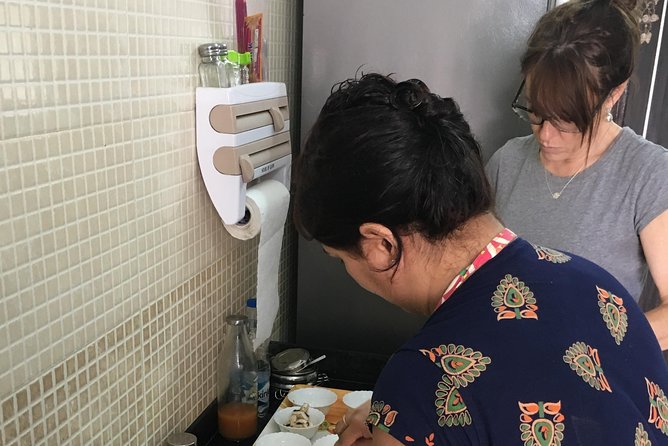
You’ll cook at the home with a local host. The teaching style is built for real technique. People often start with spices and base methods, then move toward breads and finishing touches.
In classes tied to this format, I’ve seen notes about learning how to make chapattis and getting guidance on things like ingredient layering and spice handling. The goal is that you leave knowing what to do next time, not just what you did this time.
4) Meal with your hosts
After the cooking, you sit down to the meal as part of the experience. It’s not a quick bite-and-run. You get time to eat what you made and continue the cultural exchange with your host family.
5) Return to your hotel
You head back afterward using the included transport.
What you’ll cook: parathas, sag paneer, chapattis, and friends
The menu is built around classic Indian dishes, with variations depending on the exact menu selection for your class. At minimum, you can plan around staples like:
- Chapattis
- Paranthas
- Sag paneer
- Raita
- Masala
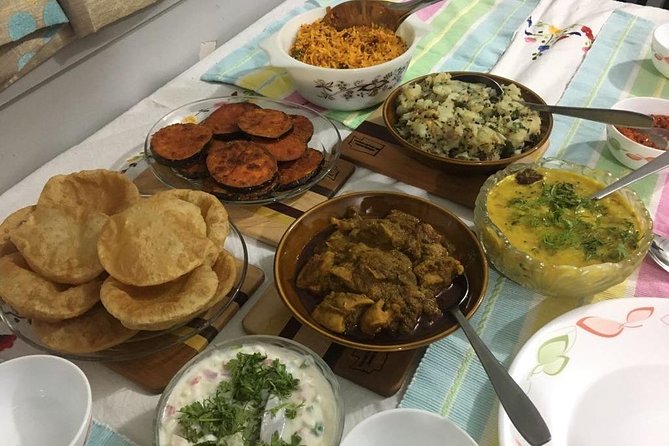
Some classes also include other items depending on your menu choices, and you may see options like chicken or fish, along with rice, paneer, and other common family-style dishes. The key point for you: you’ll likely cook multiple components, not just one dish.
One reason this menu setup is worth it: it teaches you how a meal works. Bread or flatbread anchors the meal. A curry or main dish builds flavor depth. Raita adds cooling balance. Masala ties it together. Even if you don’t remember every spice name, you’ll understand the structure.
You can also read our reviews of more cooking classes in Mumbai
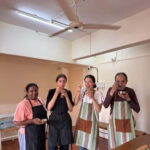
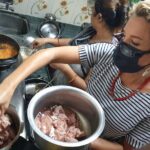
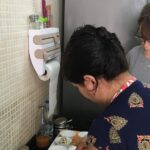
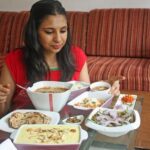

Spice technique you’ll actually use at home
Indian cooking can feel mysterious until you learn a few repeatable moves. This class tends to focus on those moves—practical stuff you can use even if your kitchen isn’t set up like a home stove in Mumbai.
Based on what hosts in this style of class are known for, you can expect instruction on:
- Handling spices and learning when to use them
- Building flavor in steps (not dumping everything at once)
- Layering ingredients for better results
- Getting chapattis to the right texture and cook time
If you’ve ever made flatbread and had it turn out too thick, too dry, or uneven, pay attention to the bread part. That’s usually the part where technique matters most, and it’s also the part you’ll be proud to recreate later.
Eating in the home: more than a final plate
The meal portion is included (lunch or dinner, depending on your timing). This is where the class becomes cultural exchange, not just cooking instruction.
You’re typically eating in a homely atmosphere with the host family after cooking. That matters because you don’t just consume food—you see how it’s served, how it’s paced, and how people enjoy the meal together.
In a format like this, hosts have been described as warm and attentive, with teaching that includes explaining different spices and methods during the cooking. That kind of guidance can make the meal more meaningful, because you already know what each dish is supposed to do on the plate.
Who this class is best for (and when to choose something else)
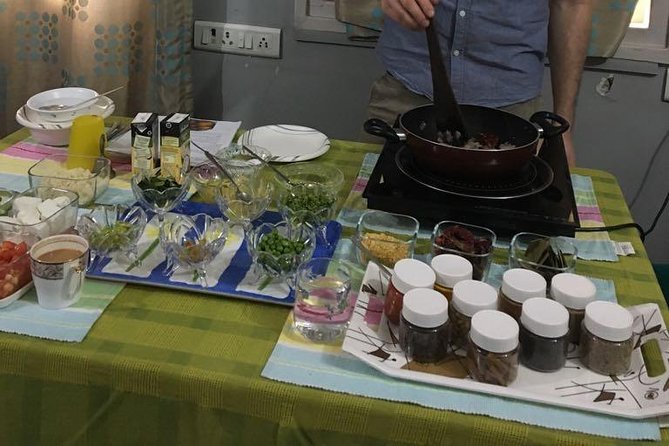
This works best if you want:
- A private activity (just your group)
- Hands-on cooking rather than a lecture
- A realistic look at how families cook on a normal day
- A meal experience that ends with what you made
It’s also a strong choice if you’re someone who likes food but gets frustrated when a recipe doesn’t match what you ate in the restaurant. This style of class helps you understand the logic behind the results.
It may be less ideal if you want a structured, restaurant-like environment with polished plating and a formal show. This is a home kitchen. It’s practical and friendly, not staged.
Also note the minimum age is 9. If you’re traveling with younger kids, this won’t fit.
Practical tips before you book
A few smart things to know so you get the most from the day:
- Wear clothes you don’t mind getting a little cooking-scented. Home kitchens can involve spice air.
- If you’re considering the market option, pick it when you actually want ingredient context.
- Since the menu can include dishes like paneer and potentially meat or fish depending on what’s offered, think about your own preferences ahead of time.
- Plan for a single meal (lunch or dinner) as part of the class, since alcohol isn’t included.
Should you book the Private Cooking Class in Mumbai?
I think you should book this if you want a genuine, hands-on food experience with real people, real cooking steps, and a finished meal that feels personal. The value is strong because you get transport, a host family, and the meal included in a tight 5-hour window.
If you want alcohol included, a restaurant-style setting, or a highly flexible menu with lots of substitutions, you may feel constrained. But for most travelers coming for culture and technique, this is an excellent use of time—especially with the option to start in the morning or afternoon.
If you like the idea of learning how to make dishes like chapattis and paranthas and taking recipes home, this is exactly the kind of activity that gives you something to do today and use later.
FAQ
How long is the private cooking class in Mumbai?
The experience runs for about 5 hours (approximately).
What does the $120 price include?
The price includes hotel/airport/port pickup and drop-off, a local host, transport by air-conditioned minivan, and lunch or dinner.
Can I choose a market visit or skip it?
Yes. There are options with and without market visits.
What time does the experience start?
You can fit it into your schedule with morning or afternoon start times.
Where does the experience begin?
The first stop is in the Dadar West area.
Is it a private tour for just my group?
Yes. It’s a private tour/activity, and only your group will participate.
What dishes are on the menu?
You can expect classic options such as paranthas, sag paneer, chapattis, raita, and masala, along with other menu choices like paneer and chapattis.
Is alcohol included, and is there a minimum age?
Alcoholic drinks aren’t included. The minimum age is 9 years.
What is the cancellation policy?
You can cancel for a full refund up to 24 hours before the experience’s start time. If you cancel less than 24 hours in advance, the amount paid is not refunded.