REVIEW · MUMBAI
Mumbai Private Full-Day Sightseeing Tour
Book on Viator →Operated by Mystical Mumbai · Bookable on Viator
Mumbai hits fast on day one. In a single 6-hour stretch, this private Mumbai sightseeing tour strings together the city’s big icons and its smaller, more surprising scenes, with an English-speaking guide organizing the moves and telling you what you’re looking at. I especially like the hotel pickup/drop-off and the fact that you travel in private air-conditioned transport, so the day stays calmer than the usual Mumbai chaos.
I also like how the stops mix heavyweight history with everyday life. Mani Bhavan Gandhi Museum gives you the political Mumbai side of Gandhi’s story, and Dhobi Ghat shows a 140-year-old working laundry scene that feels real—not staged.
One drawback to keep in mind: the experience is labeled private, but the tour can still run with a larger group (up to 50), and that can mean tougher boarding, more crowding at viewpoints, and audio that’s not always easy to catch when streets get busy.
In This Review
- Key things to know before you go
- How this 6-hour private plan actually makes sense in Mumbai
- Banganga tank and Flora Fountain: early stops with real character
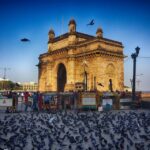
- Gateway of India: the iconic arches, plus why it’s more than a selfie
- Mani Bhavan Gandhi Museum: where the tour finds its soul
- Jain Temple (Mumbai): quick stop, strong visuals
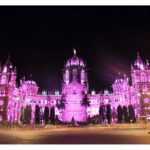
- Chhatrapati Shivaji Maharaj Terminus: UNESCO rail that’s worth slowing down for
- Marine Drive (Queen’s Necklace): the sea-front break you’ll feel later
- Dhobi Ghat: the working laundry scene that’s hard to forget
- Hanging Gardens: a park stop that’s more than a break
- Taj Mahal Palace and the Colaba heritage mood
- David Sassoon Library and Kala Ghoda: stop for architecture, then for street art energy
- CSMVS museum stop and Rajabai Clock Tower: clockwork Mumbai
- Price and value: is $96.16 per person fair for this kind of day?
- Who this tour suits best (and who should think twice)
- Should you book this Mumbai private full-day tour?
- FAQ
- FAQ
- How long is the Mumbai private sightseeing tour?
- Is hotel pickup and drop-off included?
- What language is the guide?
- Are entrance fees included?
- Is lunch included in the price?
- What is the maximum group size?
- What is the minimum age for this tour?
Key things to know before you go
- Gandhi focus at Mani Bhavan: a museum and historic home tied to Gandhi’s Mumbai political work from 1917–1934
- UNESCO rail landmark time: you get a set stop at Chhatrapati Shivaji Maharaj Terminus (about 30 minutes)
- Marine Drive as the photo payoff: you’ll drive past and pause along the Queen’s Necklace stretch
- Real-life Mumbai at Dhobi Ghat: a working dhobi ghat described as Mumbai’s biggest human-powered wash area
- A mix of colonial-era and modern city pockets: Taj Mahal Palace, David Sassoon Library, Kala Ghoda, and the museum stop at CSMVS
How this 6-hour private plan actually makes sense in Mumbai
Mumbai is huge, and a full day can turn into a full day of traffic if you’re not careful. This tour is built around a “best hits plus meaning” route, so you get the major landmarks—Gateway of India, Marine Drive, UNESCO rail architecture—without having to plan connections on your own.
The pacing is also practical. Each stop is typically short (often around 20 to 30 minutes), which means you see a lot and still have time to breathe between locations. You’re not stuck waiting forever for one ticket line while the rest of the city fades behind you.
The private angle is biggest in the how, not just the what. You get a guide who can explain what you’re seeing while you’re sitting in the vehicle, and that helps you turn a quick photo stop into a real understanding of the place.
You can also read our reviews of more private tours in Mumbai


Banganga tank and Flora Fountain: early stops with real character
The day starts in the older layers of Mumbai. Banganga is a small but meaningful stop: a tank built in 1127 AD by Lakshman Prabhu, a minister in the Silhara dynasty kings’ court in Thane. It’s spring fed, and the water stays sweet even though it’s in a dense urban area.
Why I like this kind of start: it gives you a baseline. Before you chase the big colonial-era pictures, you see that Mumbai has deep roots that are far older than the monuments many people rush to first.
Next up is Flora Fountain (about 30 minutes). The fountain is described as a sculptural architectural piece built in 1864, blending water, architecture, and sculpture, and featuring the Roman goddess Flora. It’s the sort of stop that works well on a tight schedule: quick, scenic, and easy to orient yourself for what comes next.
Gateway of India: the iconic arches, plus why it’s more than a selfie

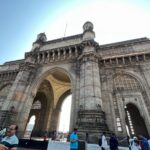
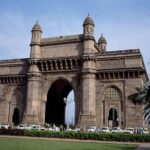
You’ll spend about 30 minutes at the Gateway of India, standing with its regal arches facing the Arabian Sea at Apollo Bunder in the Colaba area. It’s widely known as a Mumbai icon, and the key word here is guarding—the gate sits like a divider between ocean and city.
Here’s the practical tip: treat this stop as your “orientation moment.” Once you’ve seen Gateway of India from the right angle, it’s easier to understand the way Colaba and the waterfront relate, and it makes later drives along the coast feel more connected.
The downside is the classic one with major landmarks: you may not control crowds. But with a guide, you can still aim your short visit at the best vantage points and get the background without losing your whole time window.
Mani Bhavan Gandhi Museum: where the tour finds its soul
If the route has one emotional anchor, it’s Mani Bhavan Gandhi Museum (about 30 minutes, entrance included). Mani Bhavan is both a museum and a historic building tied directly to Gandhi, and it was the focus of his political activities in Mumbai between 1917 and 1934.
This stop is valuable because it doesn’t just list facts. It connects the person to the place. You’ll walk away thinking about Gandhi’s Mumbai work as something grounded in daily rooms and decision-making, not only in big speeches far away.
What I find helpful for this kind of museum time: keep your expectations realistic. Thirty minutes is enough to get the main ideas and see the museum highlights, but it’s not a full deep study. If you enjoy political history, you’ll probably want to continue reading on your own afterward.
Jain Temple (Mumbai): quick stop, strong visuals
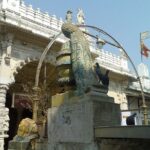
The tour includes a historic Jain Temple stop (about 20 minutes, admission ticket free). The description emphasizes intricate stone carvings and a dome painted with the zodiac.
This is one of those “small time, big payoff” moments. Even when you’re only there briefly, the stonework and dome painting tend to give you instant visual notes you can remember later. It’s also a nice contrast after Gandhi’s story: different faith architecture, different symbolism, same Mumbai layers.
The only consideration is time. Twenty minutes means you’ll skim the main features, so keep your eyes on the carvings and the dome rather than trying to read everything word-for-word.
You can also read our reviews of more tours and experiences in Mumbai



Chhatrapati Shivaji Maharaj Terminus: UNESCO rail that’s worth slowing down for
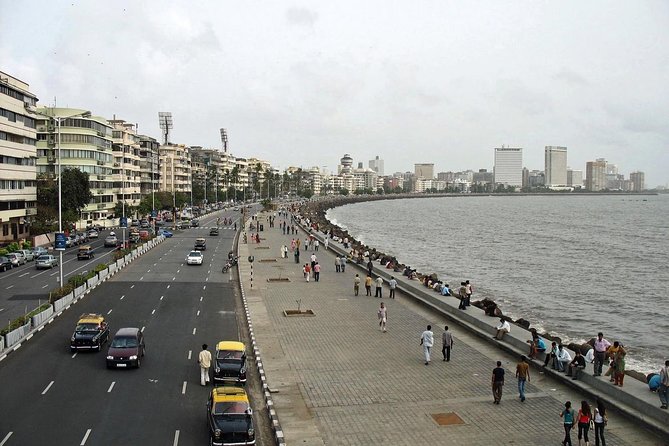
Next comes Chhatrapati Shivaji Maharaj Terminus (about 30 minutes, admission ticket free). It’s UNESCO-listed, and it’s a historic railway station with a strong architectural identity—formerly known as Victoria Terminus.
Why this stop matters on a sightseeing day: it turns Mumbai from “icons and streets” into something about engineering, design, and global-era ambition. A train station can be pure function, but at this one, the architecture is loud, proud, and memorable.
The practical thing: set expectations for what a station stop can be. You’re not touring every corner for hours. You’re there to see the key parts, take a few good photos, and let the guide connect the station to the bigger story of Mumbai’s growth.
Marine Drive (Queen’s Necklace): the sea-front break you’ll feel later
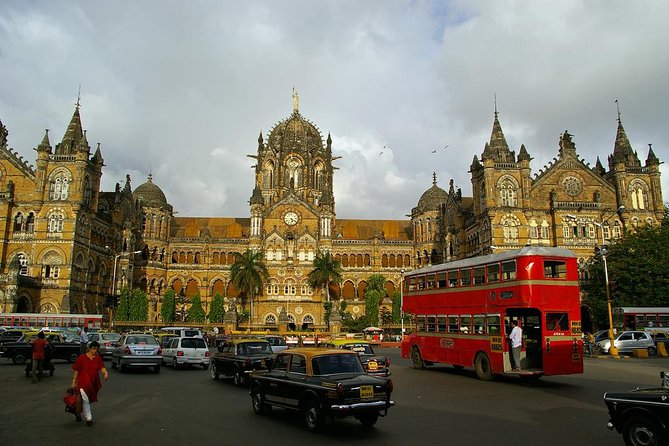
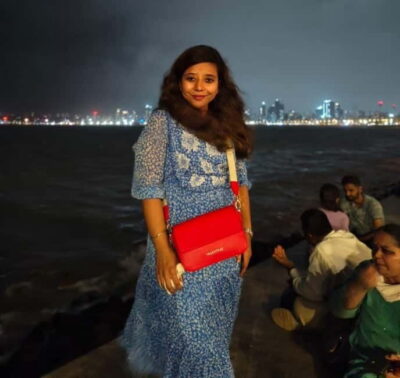
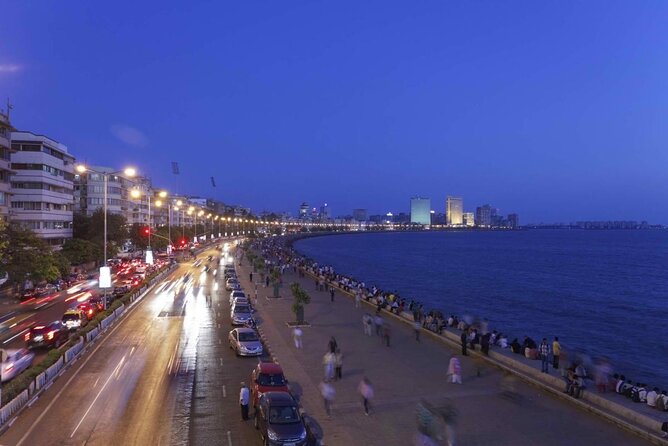
You’ll then head to Marine Drive, also called the Queen’s Necklace. It’s a three-kilometer sea-facing promenade that runs from Nariman Point toward Babulnath, with an uninterrupted view of the Arabian Sea.
This is one of the most “Mumbai” experiences because it’s both scenic and social. You’re seeing how the city relaxes along the water line, and it’s also one of the easiest places to picture Mumbai in motion—people strolling, cars moving, light shifting.
One honest consideration: depending on the time of day and traffic conditions, your time can feel a little compressed. But even a short stop here gives you a real sense of the coastline that you can build from during the rest of your trip.
Dhobi Ghat: the working laundry scene that’s hard to forget
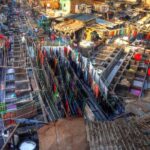
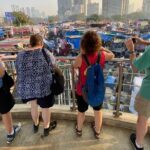
A standout cultural stop on the route is Dhobi Ghat (about 25 minutes, admission ticket free). It’s described as a 140-year-old dhobi ghat, Mumbai’s biggest human-powered washing machine—hundreds of people beating dirt out of thousands of kilograms of soiled clothes each day.
This is the kind of place where you’ll notice details fast: rhythm, repetition, and the sheer scale of the work. I like including Dhobi Ghat on a tour because it breaks the “monuments only” mindset. It shows a working system that’s still alive.
The only thing to handle mentally: it’s an active work space. You’ll want to keep your focus on what people are doing, stay respectful with your camera, and accept that your time there won’t feel like a museum gallery.
Hanging Gardens: a park stop that’s more than a break
You’ll get a pause at Hanging Gardens (about 30 minutes, admission ticket free). The description highlights well-laid pathways, a color-forward flower clock, and animal-shaped hedges.
Why this stop is worth it on this itinerary: it gives you green air and a change in scale. After architectural and street stops, a garden refresh helps you reset before the Colaba heritage stretch.
Also, it’s easy to enjoy even if you’re not a “garden person.” The flower clock is a visual anchor, and the animal-shaped hedges make for fun quick stops without needing long explanations.
Taj Mahal Palace and the Colaba heritage mood
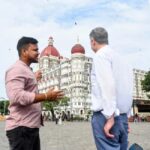
The tour includes The Taj Mahal Palace Hotel area (about 5 minutes, admission ticket free in the tour description). The Taj is described as a heritage five-star luxury hotel built in the Saracenic Revival style in Colaba.
This is a brief look, so treat it as a landmark photo-and-context moment. You’re getting the big visual statement and the architectural flavor rather than a full interior visit.
What I like about this placement: it’s a natural bridge between the older monuments and the more focused, cultural stops later. Taj Palace also helps you understand how Mumbai’s prestige architecture became part of the city’s identity.
David Sassoon Library and Kala Ghoda: stop for architecture, then for street art energy
The next cluster moves you into a more arts-and-streets pocket.
The David Sassoon Library is described as a heritage structure. The idea for placing a library in the city center is credited to Albert Sassoon, son of Baghdadi Jewish philanthropist David Sassoon.
Then you’ll visit Kala Ghoda, described as a hip creative area with designer cafes, indie galleries, and sidewalk art stalls.
Even in a short tour format, this section helps you see Mumbai beyond the major tourist icons. The library gives you “old civic pride” energy, while Kala Ghoda feels like “today’s creative edge.” Together, they make the city feel lived-in.
Time note: you may not get long to wander. Still, if you’re the type who enjoys street-level details, this is one of the better parts of the day to notice how people actually use the public spaces.
CSMVS museum stop and Rajabai Clock Tower: clockwork Mumbai
The route includes a stop at Chhatrapati Shivaji Maharaj Vastu Sangrahalaya (CSMVS), formerly known as the Prince of Wales Museum of Western India, plus time at Rajabai Clock Tower (about 10 minutes, admission ticket free).
CSMVS is a major museum stop, but remember: on a 6-hour program, you’re likely getting the highlight portion rather than a full museum day. If you love museum time, you’ll probably want to save extra hours for later.
Then the tour brings you to Rajabai Clock Tower, built by Sir Gilbert Scott, modeled on Big Ben in London. For such a short stop, this one works because it’s instantly legible: you can compare the reference point, spot the style choice, and file it away as part of Mumbai’s colonial-era architectural language.
Price and value: is $96.16 per person fair for this kind of day?
At $96.16 per person for about 6 hours, the value depends on what you’d otherwise do on your own.
What you’re getting for that price:
- Hotel pickup and drop-off
- Private air-conditioned transport
- A private English-speaking guide
- Entrance fees included (with Mani Bhavan specifically marked as included, and several stops listed free in the schedule)
- Mobile ticket
What you’re not getting:
- Lunch (not included)
For me, the value call comes down to avoiding the two biggest pain points in Mumbai: navigating traffic and guessing what’s worth your time. When a guide is responsible for sequencing the sights and explaining them, you end up with fewer wasted hours and better “meaning per minute.”
If you’re traveling with someone else, the tour also has a minimum requirement of 2 people per booking, which can help justify the price as a shared private experience. If you’re a solo traveler, pricing may feel different depending on how the provider structures your group.
Who this tour suits best (and who should think twice)
This private Mumbai full-day plan is a strong fit if you want:
- A first visit to Mumbai with the main sights plus context
- A day with short, guided stops rather than long self-guided wandering
- A mix of landmark architecture and everyday city life (Dhobi Ghat is a big reason)
It may feel less ideal if:
- You need lots of time inside museums or places with longer waits (this schedule keeps stops short)
- You’re sensitive to noise or group logistics, since at least one feedback note raised concerns about a large group size despite the private label
If you want a smooth day, wear comfortable shoes and plan to enjoy quick moments rather than expect long lingering.
Should you book this Mumbai private full-day tour?
Yes, if you like structure and you want a guided route that covers Gandhi history, waterfront icons, UNESCO architecture, and a working Mumbai scene in one day. The guide plus air-conditioned pickup helps you enjoy the highlights without turning the day into a logistics test.
I’d book it if you’re aiming for a solid first pass and you want the “why” behind the sights, not just the “what.” And I’d use it as a foundation: after this day, you’ll know which areas (CSMVS, Kala Ghoda, Marine Drive, or others) deserve your extra hours.
FAQ
FAQ
How long is the Mumbai private sightseeing tour?
It runs for about 6 hours.
Is hotel pickup and drop-off included?
Yes. Hotel pickup and drop-off are included.
What language is the guide?
The tour includes a private English-speaking guide.
Are entrance fees included?
Yes. Entrance fees are included, and Mani Bhavan Gandhi Museum is specifically listed as included in the schedule.
Is lunch included in the price?
No. Lunch is not included.
What is the maximum group size?
The tour can have a maximum of 50 travelers.
What is the minimum age for this tour?
The minimum age is 3 years, and children must be accompanied by an adult.