REVIEW · MUMBAI
Mumbai: Private Dharavi Slum Tour by a Local with Pickup
Book on GetYourGuide →Operated by Inside Mumbai Tours · Bookable on GetYourGuide
This is Dharavi seen from inside. I love traveling with a local resident guide who speaks English, and I like how the route shows where people live and work rather than judging from a distance. With hotel pickup, a private group, and a strong focus on dispelling the loud stereotypes, you also get a stop connected to the Slumdog Millionaire filming location inside Dharavi.
One thing to keep in mind: this is a living, working neighborhood, not a theme park. The whole experience depends on your guide’s pacing and how well they translate local life into something you can understand—names you may run into in recent groups include Alkama, Faizan, Abi, Mohammad, and Frazen.
In This Review
- Key Things You’ll Notice Right Away
- Why This Dharavi Tour Feels Different From Typical Mumbai Sightseeing
- Pickup and Getting There: Easy Mode in a Busy City
- The Power of a Resident English Guide (and Why Names Matter)
- What You’ll See in Residential Lanes and Community Spaces
- The Industries: Recycling, Textiles, Leather, Garments, and More
- The Slumdog Millionaire Connection: Film Location With Context
- Safety, Comfort, and How to Be a Good Visitor
- Duration and Pace: Two Hours That Move
- Price and Value: $14 for Private Access With Pickup Included
- Who This Tour Fits Best (and Who Might Want Something Else)
- Should You Book This Private Dharavi Slum Tour?
- FAQ
- How long is the Mumbai Private Dharavi Slum Tour?
- Is this tour private or shared?
- Do I get hotel pickup and drop-off?
- Does pickup include help at the airport or cruise terminal?
- Is the guide English-speaking?
- What will I see during the tour?
- What’s included in the price?
- Is food included?
- Is it safe to visit Dharavi on this tour?
- What’s the cancellation policy and payment options?
Key Things You’ll Notice Right Away
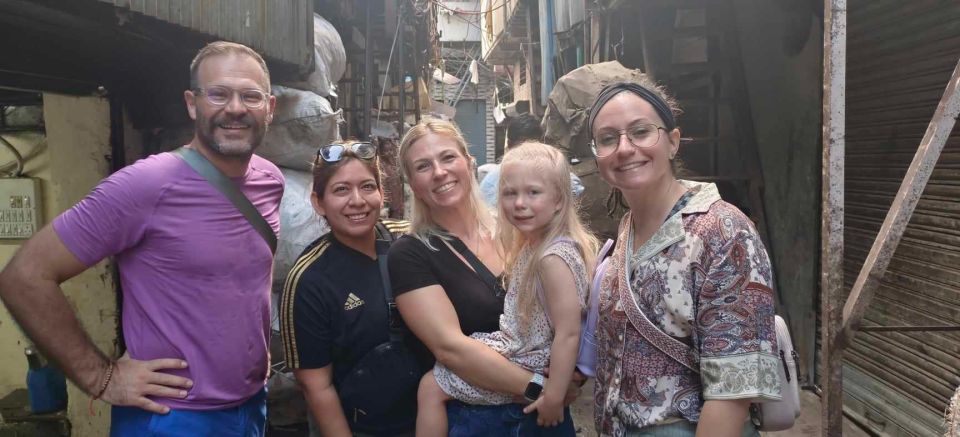
- A resident English guide, not an outsider voice: you’re walking with someone who understands the routines, the work, and the context.
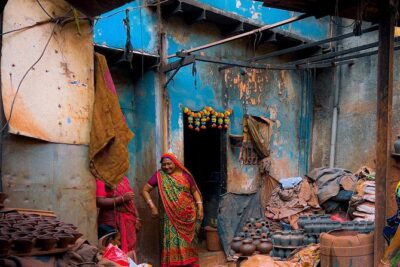
- Daily life in the same lanes as production: you’ll see homes, kids playing, and family spaces alongside active small industries.
- More than one industry at once: plastic recycling, garment/textiles, leather work, and other trades show up during the walk.
- A film-location stop inside Dharavi: there’s a place tied to Slumdog Millionaire, with a chance to compare movie ideas to reality.
- Pickup and drop-off that keeps your day simple: start and finish in central Mumbai without needing to figure out how to get there on your own.
Why This Dharavi Tour Feels Different From Typical Mumbai Sightseeing
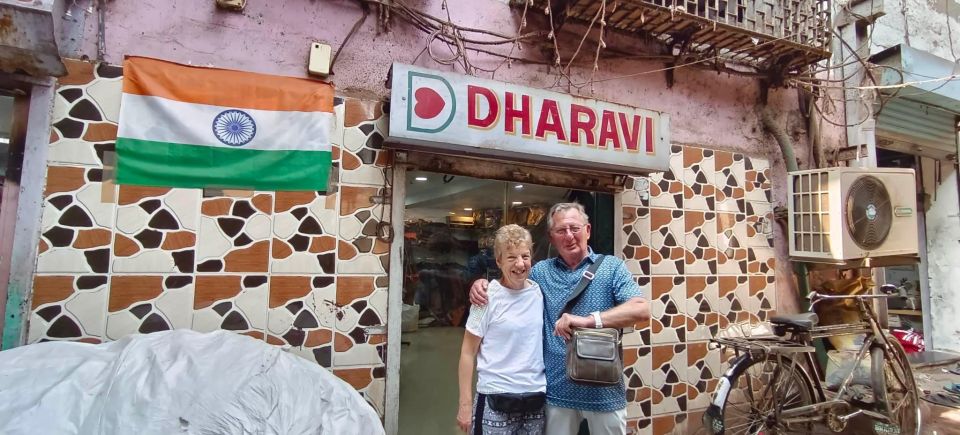
Dharavi is one of those places people think they know—usually from headlines or a movie version. This kind of private visit helps you trade assumptions for specifics. Instead of treating Dharavi like a single image, you get a guided look at how daily life and work overlap: where families live, where children spend time, and how local businesses operate.
I also like that the tour is built to correct misconceptions. The message is practical: you’ll see real routines and real trades, and you’ll hear what the community wants you to understand. That matters, because Dharavi is often discussed as if it’s only one thing. Here, it’s many things at once—homes, workshops, and street-level commerce functioning side by side.
And yes, there’s a Slumdog Millionaire connection. That could be a gimmick in another setup. Here, it’s more useful: it gives you a reference point, then your guide can help you see how film framing differs from lived experience.
You can also read our reviews of more private tours in Mumbai



Pickup and Getting There: Easy Mode in a Busy City
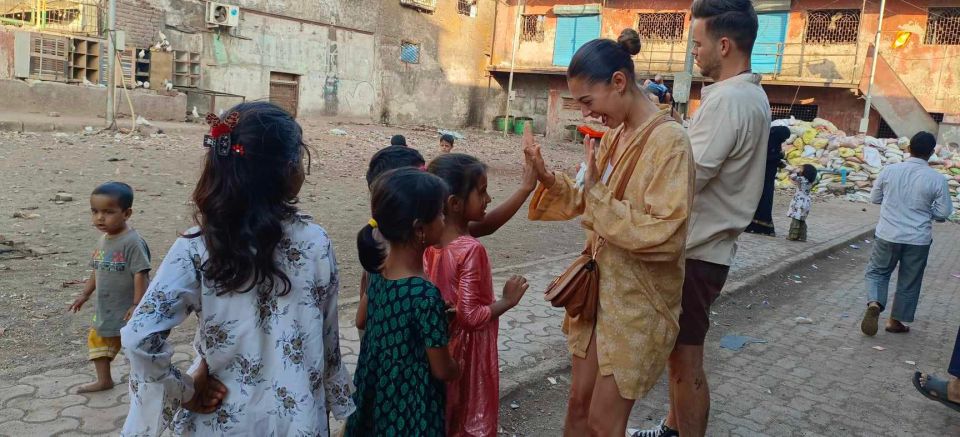
Mumbai can be chaotic. One reason this tour works well is the hotel pickup and drop-off. You meet your guide at the agreed pickup spot, then you’re taken into Dharavi with minimal fuss.
If you’re arriving from the airport or cruise port, the pickup instructions are straightforward: you meet the team outside after immigration/customs or at the terminal exit gate with a name board. That’s the kind of detail that saves time when your schedule is already tight.
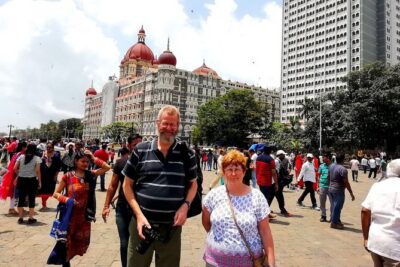
One practical upside: some groups have used public transit as part of the experience, including a local train segment, which can feel more like Mumbai than a long taxi ride. You don’t need to guess how you’ll get there; your guide handles it.
The Power of a Resident English Guide (and Why Names Matter)
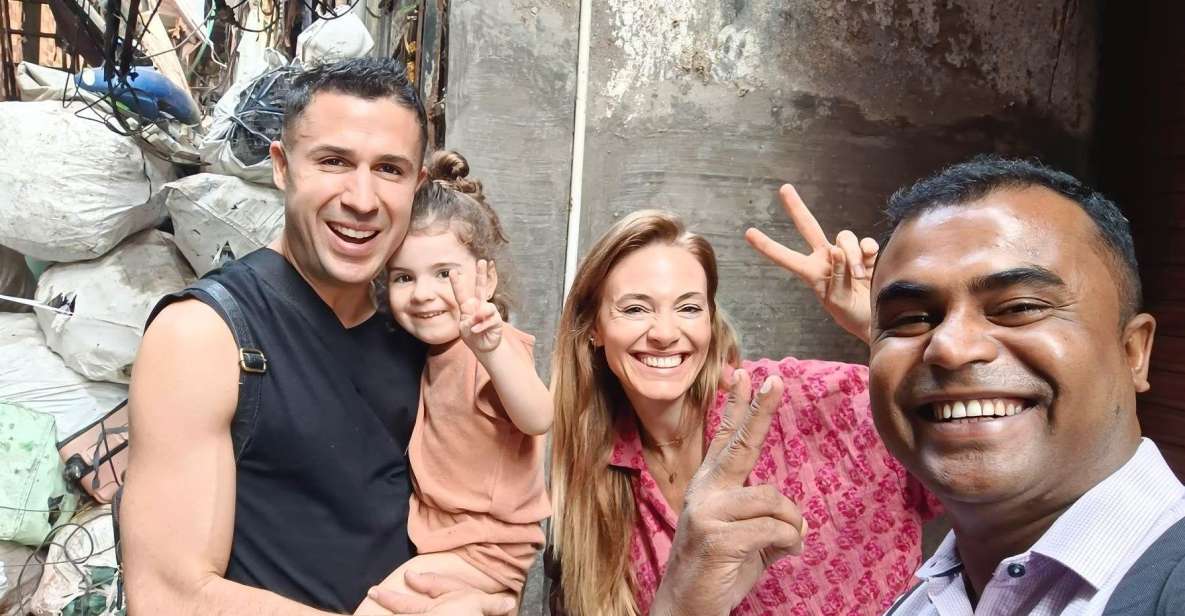
This is a private tour with a local English-speaking guide from Dharavi. That’s not just a language convenience. It changes how the walk feels. A resident guide can explain what you’re seeing in a way that doesn’t rely on generic descriptions.
In the groups reflected in the provided information, guides like Alkama, Faizan, Abi, Mohammad, and Frazen stand out because they can answer questions and pace the tour so you can actually process what you’re seeing. When someone lives the daily rhythm, it’s easier to explain things like how different trades operate, how spaces are used, and how community life holds together.
The guide also matters for how the experience stays respectful. This tour is set up so you’re visiting through residence connections, not wandering in as a random outsider. That helps you avoid the awkward, uncomfortable feeling that can happen when you show up with no local context.
What You’ll See in Residential Lanes and Community Spaces
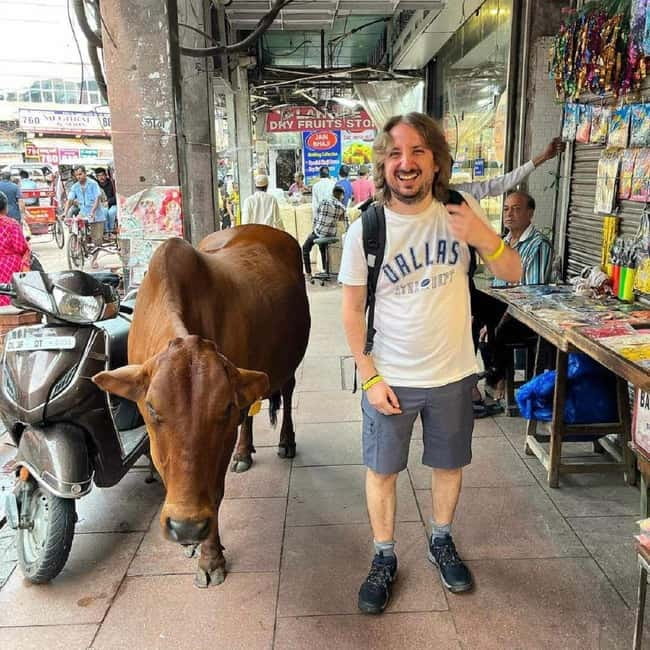
In two hours, you won’t cover every corner of Dharavi. You also don’t want to rush through it like a checklist. The goal is to show how life functions at human scale: where people stay, where family members are based, where kids play, and where people pause to relax.
You’ll likely move through a mix of spaces that feel both intimate and busy. Expect a real sense of community rhythm. One review-style description in the provided information mentions animals moving freely through narrow lanes—goats and sheep, birds near puddles, plus cats and dogs weaving through the flow. Even if you don’t see the same animals at the exact moment, the broader point holds: this is living space, not sealed-off scenery.
A school is also mentioned as part of the route in the provided information, so you may get a glimpse of how education fits into the neighborhood’s daily life. And before you start walking deeply, you may get a quick stop for a restroom break—helpful, because the walk portion is the main event.
The Industries: Recycling, Textiles, Leather, Garments, and More
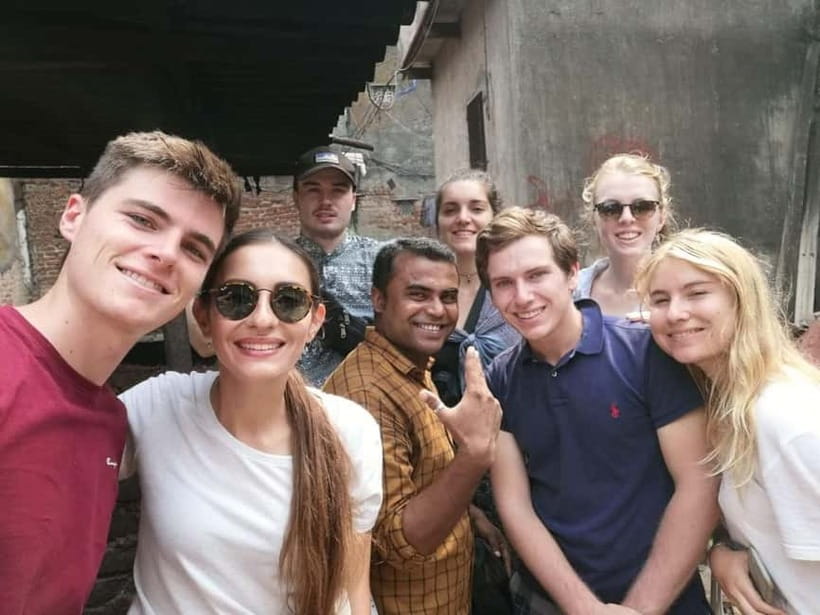
The most interesting shift on this tour is when the scenery starts telling you about work. Dharavi isn’t only residential; it’s also a dense network of small industries.
Here’s what you should expect to witness during the walk:
- Plastic recycling: you’ll see how materials are handled as part of the local economy.
- Garment and textile production: you’ll get a sense of how clothing-related work happens in real spaces.
- Leather industry: the walk includes areas tied to leather work.
- Other trades: the provided information also points to additional businesses beyond the headline categories.
This matters because it challenges the simplest stereotype: that people in Dharavi only cope with life instead of building businesses. The tour emphasizes income as well, noting that Dharavi’s yearly income is about $1 billion USD. Whether you take that as exact or directional, it’s a strong signal that this place runs on real economic activity.
You’ll also notice how tightly trades operate in the same areas where people live. In many cities, factories and homes are separated. Here, the blend is the point. That blend helps you understand why the neighborhood feels busy, organized, and alive—just not in the way mainstream tourism often expects.





The Slumdog Millionaire Connection: Film Location With Context
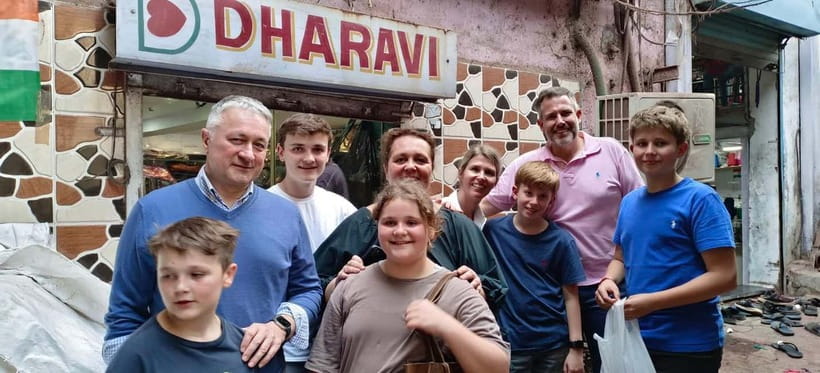
Yes, you’ll visit a place where Slumdog Millionaire was filmed inside Dharavi. But don’t treat it like a photo stop. The value is context.
Movie scenes often compress locations and simplify stories. Your guide’s job is to re-expand reality: show what the space is used for now and how the neighborhood functions day to day. That comparison—between what you’ve seen on screen and what you see on the ground—is where the tour becomes memorable.
If you like travel that makes you question what you thought you understood, this is a strong match. You’re not just ticking off a famous label; you’re learning how a famous label can miss the everyday truth.
Safety, Comfort, and How to Be a Good Visitor
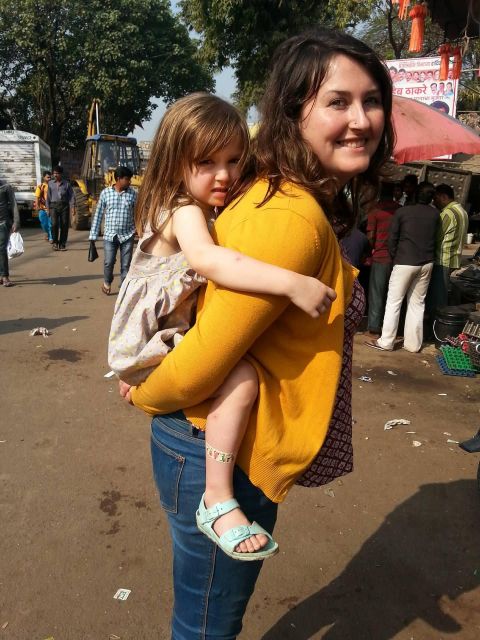
The provided tour information is direct: the tour is described as completely safe to visit inside and around, and you visit only by residents of Dharavi, with locals guiding you through the area. That safety message is part of the experience design.
Still, “safe” doesn’t mean “effortless.” You should mentally prepare for a genuine working neighborhood. It can feel more intense than a normal sightseeing walk because you’re moving through real homes and real commerce. The best way to keep it comfortable is to follow your guide’s lead, ask questions when you have them, and let the two-hour pace stay human instead of rushed.
One more comfort tip: wear shoes you don’t mind getting a little dusty or scuffed. A two-hour walk in narrow lanes isn’t the time for your cleanest pair.
Duration and Pace: Two Hours That Move
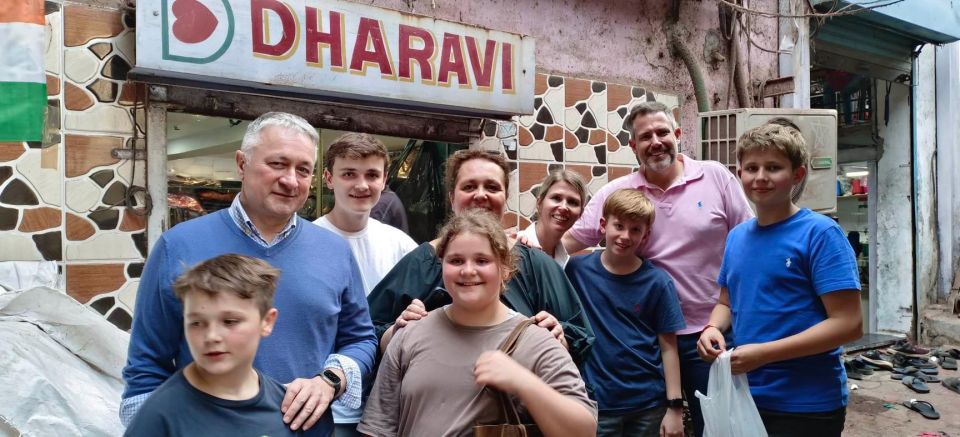
This experience is 2 hours, which is a good length for a first-time visit to a complex neighborhood. Long enough for meaningful context. Short enough that you don’t burn out before you get the story.
Because it’s private, you can usually adapt to your pace. In the provided information, guides are described as patient and able to take their time so you can absorb what you’re seeing. That matters here; Dharavi isn’t a place where you want to keep your eyes darting every second.
Also, private means you won’t be squeezed into a crowd. It’s easier to focus on your guide’s explanations, especially if you’re the type who likes asking follow-ups.
Price and Value: $14 for Private Access With Pickup Included
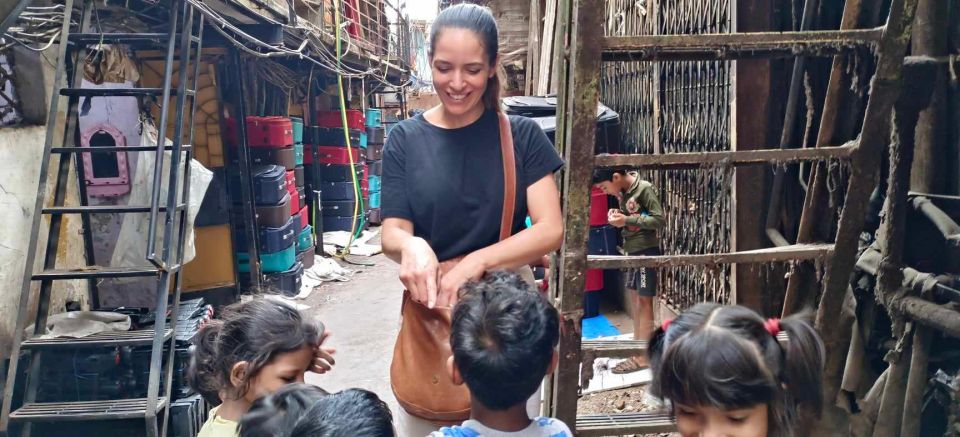
At $14 per person for a private 2-hour tour with hotel pickup and drop-off, an English-speaking local guide, all entry/entry fees, and a water bottle, this is priced like a bargain—especially compared to what private tours usually cost in big cities.
The value isn’t just “cheap.” It’s that you get:
- Private access with a guide who lives the material
- Pickup that reduces wasted time
- Entry/entry fees handled
- A route that focuses on lived work and community life, not just views from a distance
Food and drinks aren’t included, so if you want a full meal later, plan accordingly. But for what you’re paying, you’re basically financing the guide time, the local coordination, and the transport component that makes the visit practical.
Who This Tour Fits Best (and Who Might Want Something Else)
This Dharavi private tour is ideal if you want:
- Real local perspective in English
- A chance to see how daily life and small industries overlap
- A tour that’s designed to correct stereotypes and show more than the headlines
- A Slumdog Millionaire connection that comes with context
It may be less ideal if you want scenery-only sightseeing with minimal human interaction. This tour is about people, work, and community spaces. If you’re looking for gentle, low-stimulation attractions, you might feel uncomfortable.
Should You Book This Private Dharavi Slum Tour?
If you’re in Mumbai and you want your visit to Dharavi to feel grounded, I’d book it. The combination of resident English guide, private pacing, and a focus on lived reality (not just movie imagery) makes it one of the more meaningful ways to spend a couple of hours.
Choose this tour especially if you’ve seen Dharavi reduced to stereotypes and you want your understanding to be more specific. Bring respectful curiosity, wear good walking shoes, and let your guide steer the conversation. For $14 with pickup and entry handled, it’s hard to argue with the value.
FAQ
How long is the Mumbai Private Dharavi Slum Tour?
It lasts 2 hours.
Is this tour private or shared?
It’s a private group tour.
Do I get hotel pickup and drop-off?
Yes. Hotel pickup and drop-off are included.
Does pickup include help at the airport or cruise terminal?
Yes. The instructions say to meet outside after immigration/customs at the airport, or outside at the exit gate for the Mumbai international cruise terminal, with a name board.
Is the guide English-speaking?
Yes. You’ll have a local English-speaking tour guide from Dharavi.
What will I see during the tour?
You’ll see where people live, where they work and play, and businesses such as plastic recycling, garment/textile, leather, and more, plus a place where Slumdog Millionaire was filmed inside Dharavi.
What’s included in the price?
Included are the private tour, the local English-speaking guide, hotel pickup and drop-off, all entrance/entry frees, and a water bottle.
Is food included?
No. Food and drinks are not included.
Is it safe to visit Dharavi on this tour?
The tour information states it is completely safe to visit inside and around, and you visit with locals.
What’s the cancellation policy and payment options?
It offers free cancellation up to 24 hours in advance for a full refund, and there’s a reserve now & pay later option.