REVIEW · MUMBAI
Mumbai: Private Dhobi Ghat Laundry & Slum Tour with Pickup
Book on GetYourGuide →Operated by Inside Mumbai Tours · Bookable on GetYourGuide
Laundry and a slum tour in Mumbai sounds odd. What makes it work is the contrast: Dhobi Ghat shows Mumbai’s century-old laundry rhythm in full view, and then a local resident guide helps you see Dharavi as real neighborhood life, not a movie set. I also like that the tour isn’t trying to sell a single emotion. It aims for context, so you understand work, community, and the daily choices people make.
One thing to keep in mind: you’ll see hard reality up close. This is not a fluffy “look but don’t think” stop. If you prefer distance or only want polished sights, this might feel emotionally heavy, and you’ll do some walking while industries are active.
In This Review
- Key highlights you’ll feel
- Dhobi Ghat’s open-air laundry: what you’re really seeing
- Dharavi with a local guide: community, not a postcard
- The industries you’ll spot: plastic, leather, garments, metal
- Where Slumdog Millionaire was filmed, and why the contrast counts
- Dhobi Ghat first, then Dharavi: how the day flows
- Transport and pacing: pickup plus options like a local train
- Why the guide quality is the real value add
- Price and value: how $19 stacks up
- Should you book this Mumbai tour or skip it?
- FAQ
- Is this a private tour with hotel pickup and drop-off?
- What places will I visit during the tour?
- Is the guide available in English?
- Can the tour include a local train ride?
- What is included in the price?
- What are the cancellation and pay-later options?
Key highlights you’ll feel
- Dhobi Ghat open-air laundry running for over a century, including clothes from hotels, hospitals, hostels, and more
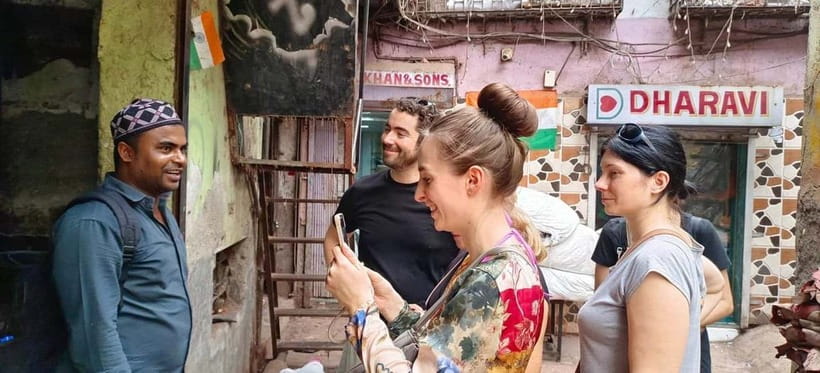
- Dharavi with a local guide showing where people live, work, play, and relax
- Hands-on industry reality: plastic recycling, leather work, garment/textile, metal work, and more
- Slumdog Millionaire filming spot inside Dharavi, with what’s different from the film
- Time and pace that don’t rush you, with guides like Alkama and Mohammad/Mohamed noted for attention and clear English
Dhobi Ghat’s open-air laundry: what you’re really seeing
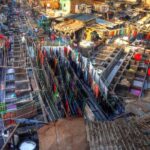
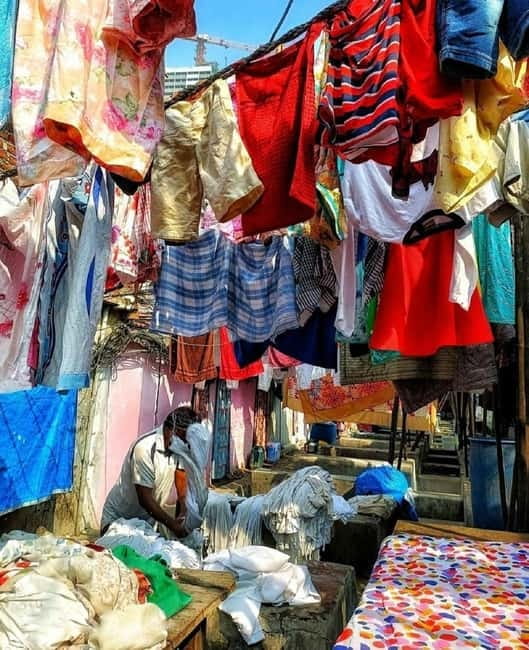
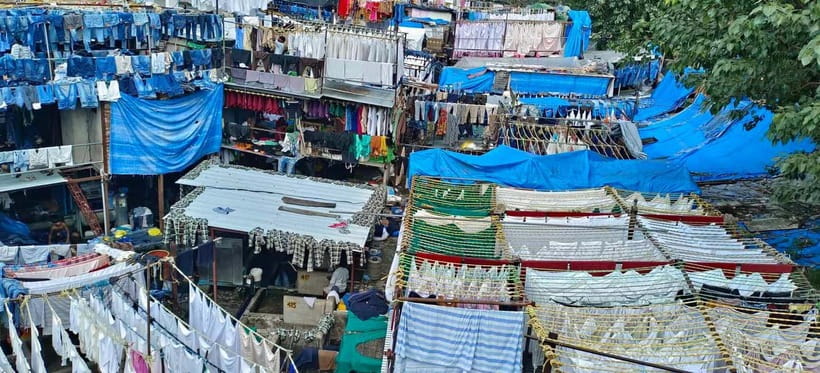
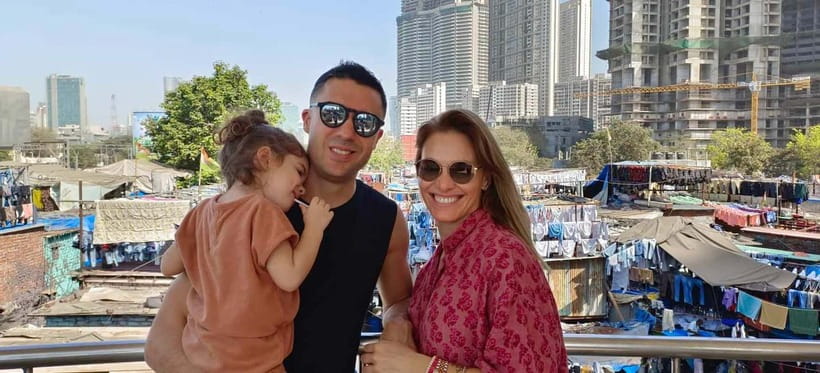
Dhobi Ghat isn’t a museum. It’s a working, outdoor laundry system that’s been going for more than a century, and it’s often described as the world’s largest open-air laundry. So instead of imagining how laundry happens, you watch it happen, in the middle of a city that never stops.
I love this stop because it gives you a practical lens on Mumbai. You quickly realize that clothes don’t just “appear” clean. People bring dirty laundry from across Mumbai, including hotels, hospitals, and hostels, and hundreds of washermen and women—dhobis—work shifting schedules so those clothes come back crisp and clean. That’s a whole ecosystem of labor, timing, and trust.
A drawback: it can feel busy and intense. Dhobi Ghat is active. There are people working, moving, and communicating in real time, so you’ll want to keep your voice low and your camera use respectful. If you’re expecting a quiet photo walk, reset your expectations.
You can also read our reviews of more private tours in Mumbai



Dharavi with a local guide: community, not a postcard
Then the tour moves into Dharavi, described as Asia’s largest slum. But the goal is not to treat it like a single stereotype. You’re there to see daily life: where people live, where families spend time, where children play, and where adults unwind. The tour also points out the business side of neighborhood survival—where work happens and how routines keep going day after day.
This is where the guide makes the biggest difference. Guides named Alkama and Mohammad/Mohamed show up repeatedly for strong communication and for balancing the good and bad sides with mature reflection. In plain terms: they don’t ignore the unfair parts. They also don’t flatten the place into only hardship. You leave with a more human picture.
One reason this visit has value for you is that it actively breaks common assumptions. The tour is designed to dispel the usual misconceptions, and it emphasizes that it’s completely safe to visit inside and around Dharavi. Even more important, you visit with people connected to the area—residents rather than outsiders dropping in for quick shock value.
That said, you should come with the right mindset. This neighborhood contains homes and work. You’re walking into someone’s lived environment, so your manners matter. Stay aware, ask questions thoughtfully, and don’t treat people like props for your worldview.
The industries you’ll spot: plastic, leather, garments, metal
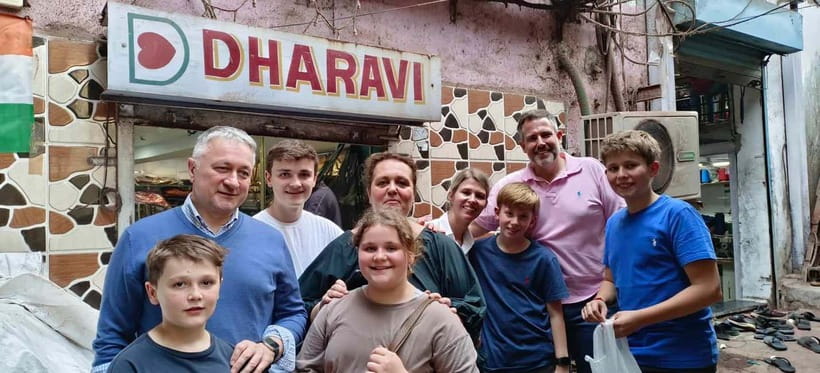
One of the most eye-opening parts is watching the mix of small-scale industries inside Dharavi. The tour highlights several active sectors, including plastic recycling, leather work, garment/textile production, and metal industries. You’re not just told the words. You see the workplaces and understand that many families earn their yearly income through these trades, framed in the tour as an estimated value around $1 billion annually.
Why this matters: it changes how you interpret a slum. Instead of picturing only lack, you start noticing systems. People have skills. There’s supply work. There’s steady demand for the finished products. Even if you don’t fully understand every step of every craft, you can feel the momentum of industry—people doing what they know, in tight spaces, with real pride in their work.
Potential consideration: some viewers have trouble with seeing industrial processes up close, especially when materials and working conditions look harsh. If you’re sensitive to industrial sights, take it slowly. The right guide helps you contextualize what you’re seeing without turning it into spectacle.
Where Slumdog Millionaire was filmed, and why the contrast counts
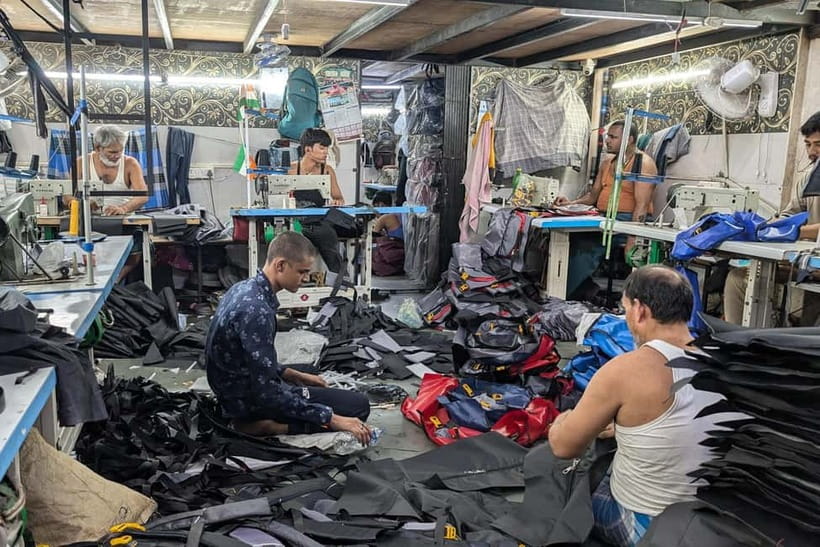
You’ll also visit the place in Dharavi connected to where Slumdog Millionaire was filmed. That’s the kind of detail that draws curiosity fast. But the smarter value is how the tour uses the film connection as a starting point, then corrects it with real context.
The tour purpose is to show what life is actually like beyond the screen version. So instead of only chasing recognition, you compare. You look at what’s real in the neighborhood now, and you listen to how the guide explains what’s similar, what’s changed, and what the film left out.
I like this approach because it helps you avoid the common trap: thinking a movie gives you the truth. Movies compress time and simplify reality. A real neighborhood visit gives you the full, messy human scale that film can’t show.
Dhobi Ghat first, then Dharavi: how the day flows
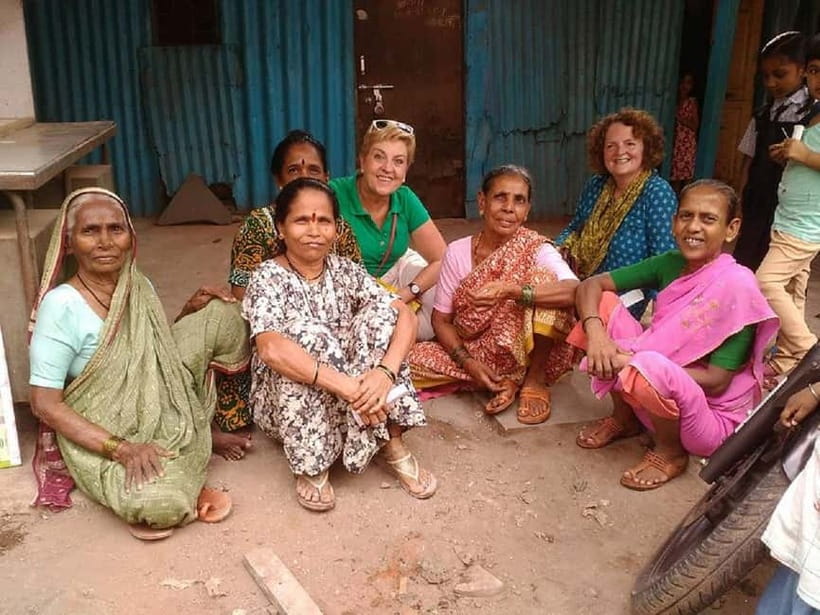
The sequence matters. Starting with Dhobi Ghat sets a foundation. You’ve just watched a city function built on labor and routine. Then Dharavi comes next, and suddenly you’re better prepared to see work patterns—how people organize their days, where families spend time, and how businesses run.
You’ll be shown where people stay, where they rest, where children play, and where work moves the economy. The tour aims to show you life from multiple angles, not just a single street view.
A practical thought: Dhobi Ghat and Dharavi are both active places. Expect that your senses will get busy—sound, movement, close quarters. Wear comfortable shoes. Keep your phone secure. And if you’re bringing a camera, use it like you would in a workshop: brief shots, respectful timing, and no sudden hovering.




Transport and pacing: pickup plus options like a local train
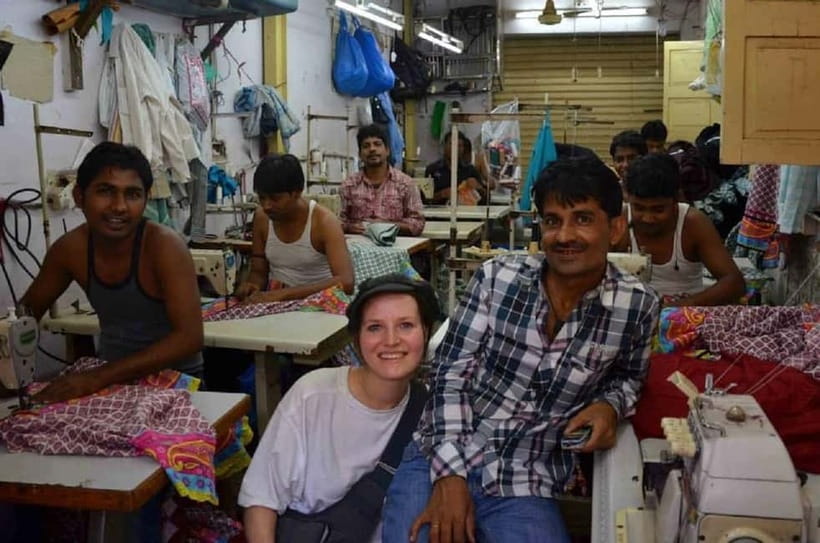
You’ll get hotel pickup and drop-off, and it’s a private tour with an English-speaking local guide. That combination is what makes the day feel doable. You don’t have to negotiate directions or worry about being out of sync.
In some cases, the tour experience can include a local train ride instead of going entirely by car. One guide named Alkama was described taking someone onto the local train, and another group chose the train after an initial discussion. The big takeaway for you: ask what transport options you have. If you enjoy public transit as part of the experience, tell your guide you’re open to the train.
Pacing also matters. People describe not feeling rushed, with time to take in each part of the visit. That’s key here. If you’re rushed, you just collect impressions. If you have steady time, you actually absorb the social logic of the neighborhood.
Why the guide quality is the real value add
The tour’s strongest repeat theme is the guide. Alkama is mentioned for friendliness, clear English, pride, and for making the whole experience engaging without feeling disrespectful to the subject. Mohammad/Mohamed is also described as excellent, with strong communication and a mature tone when talking about both hard realities and human resilience.
What you should expect from a good guide here:
- They answer questions directly and patiently
- They explain history and modern routines in a way you can follow
- They keep the mood humane, not sensational
- They help you understand what you’re seeing in context
So when you compare costs, don’t just compare dollars. Compare access and translation. A private resident-led visit is how you get past the one-dimensional version of Dharavi.
Price and value: how $19 stacks up
At about $19 per person, this tour looks like budget travel on paper. But the included items are what make it feel fair: private tour, English-speaking local guide, hotel pickup and drop-off, entrance fees, and a water bottle.
Where the value really lands is the combination of:
- organized movement between Dhobi Ghat and Dharavi
- local guide context (and not just a list of facts)
- access inside a real neighborhood where people live and work
The consideration is emotional. You might pay less than you’d expect for a private guided experience, but you may “pay” in your nervous system a little. This is the kind of day that stays with you. Plan it when you have enough time afterward to decompress.
Should you book this Mumbai tour or skip it?
Book it if you want more than sightseeing. If you like real working places, if you want to understand how Mumbai functions beyond glitter, and if you’re curious about how people build livelihoods in tight spaces, this tour fits well.
Skip or think twice if you only want easy comfort, or if you get uncomfortable with close-up industrial life. Also consider it if you don’t like guided conversations. This visit works best when you’re willing to listen and ask questions.
My practical advice: go with respect, ask before photographing, and let the guide set the pace. If you do that, you’ll walk away with a sharper mental map of Mumbai—one built from laundry rhythms, neighborhood work, and the human stories attached to both.
FAQ
Is this a private tour with hotel pickup and drop-off?
Yes. The experience is listed as a private tour and includes hotel pickup and drop-off.
What places will I visit during the tour?
You’ll visit Dhobi Ghat and Dharavi, plus the filming location inside Dharavi connected to Slumdog Millionaire.
Is the guide available in English?
Yes. The tour includes a local English-speaking guide.
Can the tour include a local train ride?
Some groups choose to take the local train instead of going by car, as discussed with the guide.
What is included in the price?
The price includes a private tour, a local English-speaking guide, hotel pickup and drop-off, entrance fees, and a water bottle.
What are the cancellation and pay-later options?
You can reserve and pay later (pay nothing today). Cancellation is listed as cancel up to 24 hours in advance for a full refund.