REVIEW · MUMBAI
Mumbai: Magical Markets Tour
Book on GetYourGuide →Operated by Yo Tours · Bookable on GetYourGuide
Markets here move fast.
The Magical Mumbai Markets Tour strings together temples, jewelry streets, and food-market architecture in a tight 2-hour walk, so you get more than sightseeing photos. I especially like how a local expert leads you through hidden lanes where you quickly understand what people actually buy and why the streets matter.
I also love the small, sensory stop: a sip of masala chai in a clay cup. It’s a simple moment, but it grounds the whole route in daily life, not just landmarks.
One consideration: this is a walking, crowded-market style tour, and some shops may expect cash and have tight rules around shopping and temple photography—so go in ready to keep your pace and set boundaries early.
In This Review
- Key Things You’ll Notice on This Market Walk
- Start at Café Coffee Day (Noor Fort) and Get Your Bearings
- Shri Swaminarayan Mandir Vadtal + Bhuleshwar Market: Tradition Meets Shopping
- Mumba Devi Temple: The Name Behind the City
- Zaveri Bazaar: Jewelry Heaven for Browsers (Even Without Buying)
- Kalbadevi Streets, Chor Bazaar Antiques, Mangaldas Silk Market
- Crawford Market: Architecture + Snacks Under One Roof
- The Guide Makes or Breaks the Tour (And Nisar Has a Strong Reputation)
- Masala Chai in a Clay Cup: Small Stop, Big Atmosphere
- Price and Value: What $18 Buys You in 2 Hours
- Possible Hiccups: Crowds, Cash, and Temple Photo Rules
- Who Should Book This Tour (and Who Should Skip It)
- Should You Book the Magical Mumbai Markets Tour?
- FAQ
- FAQ
- How long is the Mumbai Magical Markets Tour?
- Where do I meet for the tour?
- What languages does the guide speak?
- Is this a private tour?
- Does the tour run in the rain?
- Is water included?
- Is photography allowed inside temples?
Key Things You’ll Notice on This Market Walk
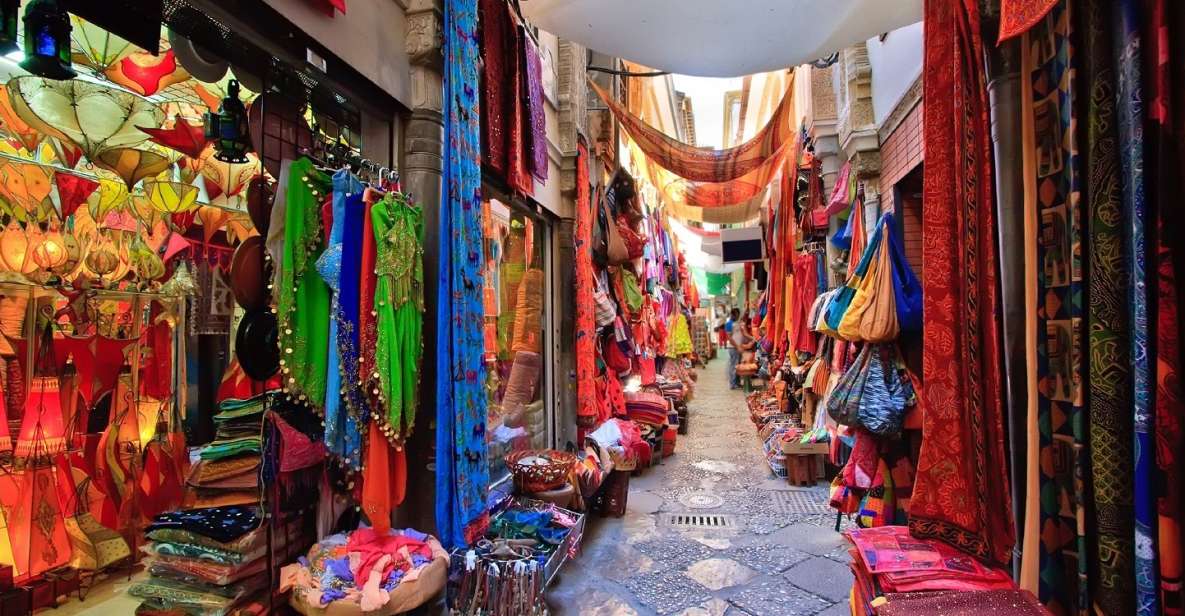
- Hidden lanes with a local expert that help you read the neighborhood, not just pass through it
- Zaveri Bazaar as Mumbai’s big jewelry hub, with a lot to look at even if you don’t plan to buy
- Clay-cup masala chai that makes the tour feel local, fast, and memorable
- Chor Bazaar antiques and furniture for people-watching and quick browsing energy
- Crawford Market’s Gothic-Romanesque stalls, mixing produce with imported cheese and homemade chocolate
Start at Café Coffee Day (Noor Fort) and Get Your Bearings
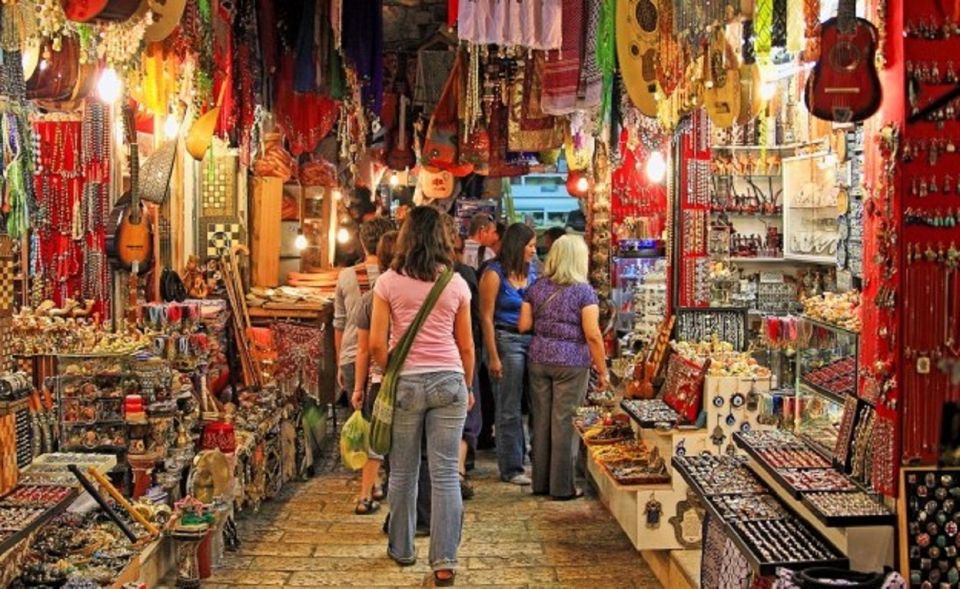
You meet at Café Coffee Day in the VT Capital Cinema Building, Noor Fort area of Mumbai. It’s a solid way to begin because it gives you a clear starting point before the streets get intense.
This is a walking tour, and it stays efficient: short hops between spots, with time to look and ask questions. The guide speaks English and Hindi, and the group is private, which matters when you want your questions answered in real time and not through crowd noise.
Before you go, wear comfortable shoes. Bring sunglasses, a sun hat, and sunscreen—the sun can be relentless even when the markets look busy enough to block it. Also, note that large luggage isn’t allowed, so travel light.
You can also read our reviews of more tours and experiences in Mumbai.



Shri Swaminarayan Mandir Vadtal + Bhuleshwar Market: Tradition Meets Shopping
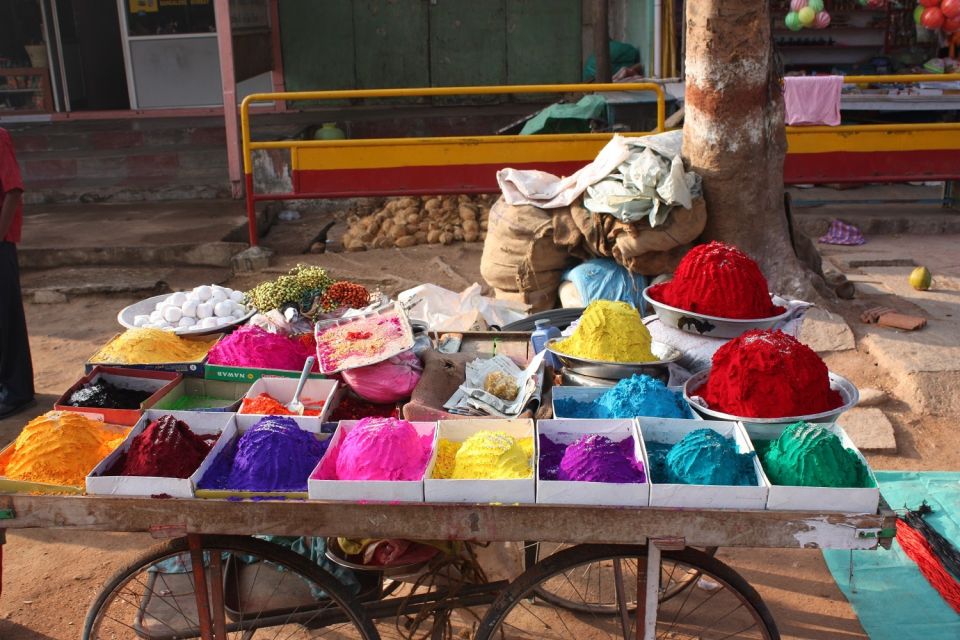
The tour kicks off at Shri Swaminarayan Mandir Vadtal, described as the headquarters of the Shri Laxmi-Narayan Dev Gadi. Even if you’re not an ultra-devout visitor, a temple start helps you understand the city’s rhythm. It’s also a good reset: you begin with a calm reference point before plunging into the commerce side of Mumbai.
Next you head to Bhuleshwar Market, one of the city’s busiest areas. This is where Mumbai’s daily needs show up in a single walk. You’ll see fruits and vegetables, imitation jewelry, pooja items, rose petals, household supplies, and even cloth accessories. The best part is that a guide helps you connect categories you might otherwise treat as random clutter.
Practical tip: Bhuleshwar can feel overwhelming if you try to do everything at once. I’d treat it like a field tour—look, ask one or two questions, and keep moving. If you’re the type who loves browsing, this stop rewards you. If you get tired in crowds, take breaks for water and shade when you can (water bottle isn’t included).
Mumba Devi Temple: The Name Behind the City
After the market lane energy, you’ll visit Mumba Devi Temple, the place tied to where Mumbai got its name. That’s why I like placing a temple here in the middle: it turns a shopping route into a story you can follow.
Even when you don’t know the details, you’ll notice how people treat the space—worship, offerings, and quick respectful movement. If you plan to take photos, be aware that photography may be restricted inside temples. It’s smart to keep your camera put until you see what’s allowed.
If you’re worried about pace, you can still enjoy this part. It’s not a long detour; it’s a meaningful one, and it adds context to all the market activity that comes right before and after.
Zaveri Bazaar: Jewelry Heaven for Browsers (Even Without Buying)
Then the tour transitions into Zaveri Bazaar, described as the largest jewelry market in Mumbai. If you like visual texture—sparkle, displays, and the art of retail—this is your anchor stop.
Even if you’re not shopping for gold, you can still enjoy the way the street organizes attention. A good guide will explain what you’re seeing and how the market operates, including why certain stalls and streets attract particular kinds of buyers. It’s also a great place to practice being a calm observer. Jewelry markets can tempt people into impulse buys, but you can keep your priorities simple: look first, ask second, decide last.
One balanced note: some shops may have cash preferences, and pricing conversations can feel direct. If you don’t want to buy, say so politely and move on. A reliable guide should respect that and keep you focused on the tour’s sights rather than turning it into a sales detour.
Kalbadevi Streets, Chor Bazaar Antiques, Mangaldas Silk Market
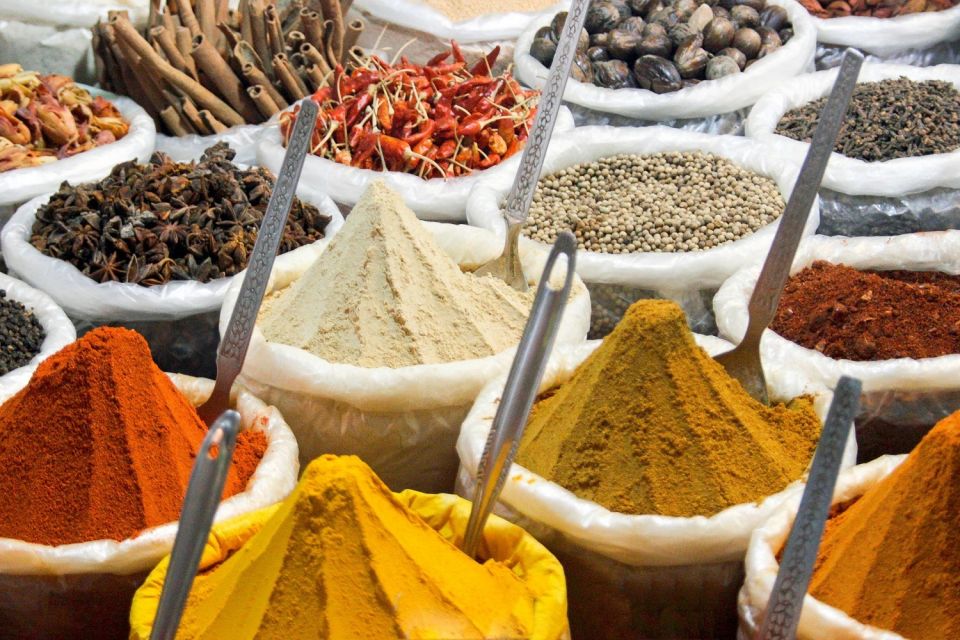
The route passes through Kalbadevi, with scenic views on the way. In practice, this segment helps you reset your attention—markets can blur together, and a quick visual change keeps the walk from feeling repetitive.
Then comes Chor Bazaar, famous for antiques and furniture. This is the stop that often makes the route feel different from a standard shopping loop. Instead of only new goods, you get a taste of reused objects and older styles. The street feels like a mix of bargain hunting and browsing curiosity.
From there you head to Mangaldas Market, which opened in 1893 and is known for silk and cloth. That’s a strong pairing with Chor Bazaar: antiques and furniture on one side, textiles on the other. If you’re a fan of fabrics, this is where your eyes learn to slow down. Silk markets reward close looking, like noticing sheen, weave, and how colors show up under different lighting.
Practical tip for all three stops: keep an eye on how you’re carrying things. Since luggage or large bags aren’t allowed, any purchases you make might be limited. If you’re sensitive to shopping pressure, tell your guide at the start that you’re here to see, not to buy.




Crawford Market: Architecture + Snacks Under One Roof
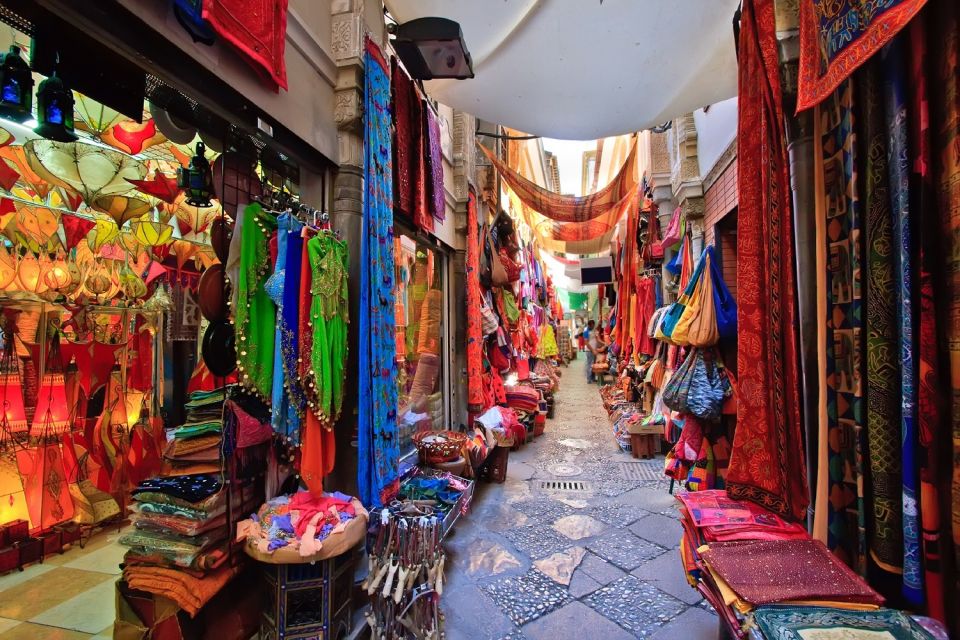
Near the end, you’ll reach Crawford Market, described as South Mumbai’s most famous market. One big reason this works is the setting: it’s known for Gothic and Romanesque architectural style. The buildings aren’t just decoration; they frame how market life moves.
Inside, you can browse fruits and vegetables, but the food choices are the surprise. You’ll also find delicious imported cheese and homemade chocolate. If you’re traveling with taste buds, this is the best place to convert your curiosity into a quick tasting.
If you’ve already visited Crawford Market on another trip, it may not feel brand-new. In that case, you can still enjoy the architecture and the chance to compare what’s offered right now. But if you’ve done it recently, consider whether you want a route that spends extra time elsewhere.
The Guide Makes or Breaks the Tour (And Nisar Has a Strong Reputation)
The tour is led by a friendly guide who speaks English and Hindi, and many people rate the experience highly because the guidance is active, not passive. One guide name that shows up in strong feedback is Nisar—people mention he’s careful, explains things in detail, and even waits at the end until their driver picks them up.
That kind of care matters on a walking tour. Crowds, narrow lanes, and sudden turns can make you feel a little unsteady. A guide who keeps you oriented helps you enjoy the markets instead of just surviving them.
Also, the masala chai gets special mentions, with people describing it as the best part of the day. If chai is your thing, plan to slow down for it. If you’re not a tea drinker, ask what else the guide suggests so you can still enjoy a local moment.
Masala Chai in a Clay Cup: Small Stop, Big Atmosphere
There’s something about chai in a clay cup that changes how you remember a walking tour. It’s not just a drink. It’s a pause where you feel the street’s pace without forcing yourself to keep moving.
Bring your attention to the details: how the cup warms your hands, how people around you behave, and how the guide frames what you just saw. It’s a good moment to ask follow-ups like: Which market is this best for? What should I ignore? Where would you go if you lived here?
This is also where you can set expectations. If you want to avoid shopping, make it clear here. A guide can steer you back toward sights and explanations rather than pushing into purchases.
Price and Value: What $18 Buys You in 2 Hours
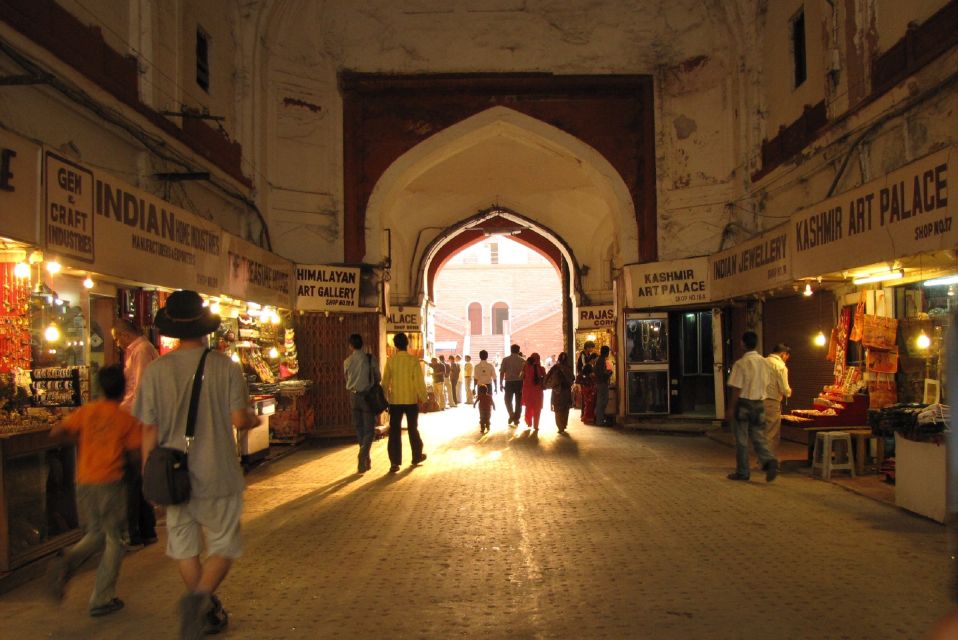
At $18 per person for a 2-hour walk, this tour is strong value for first-timers who want a structured route through multiple market zones. You’re not just walking one street—you’re seeing several distinct types of commerce: pooja supplies, imitation jewelry, antiques, silk cloth, and a larger food-market finale.
You also get things that aren’t listed as “things to buy,” like tips, recommendations, and help finding the spots that match your interests. Even if you only end up buying snacks, the guide’s local shortcuts can save you time and confusion.
That said, value depends on the match. If you’re expecting a slow, museum-style history tour, markets will feel like markets. If you want active streets, quick context, and practical pointers, it’s a good deal.
Possible Hiccups: Crowds, Cash, and Temple Photo Rules
Let’s keep this balanced. A few issues can come up with market tours like this:
- Markets can get crowded during festivals, so your walking comfort depends on the day.
- Some shops may only accept cash, so have some on hand.
- Photography may be restricted inside temples.
- You’ll be moving on foot, so you need comfortable shoes and patience with close quarters.
There’s also one practical mismatch risk I want you to consider: one experience described the tour as not matching the expected stops, leading to an early cancellation. That’s uncommon, but it’s a reminder to confirm your exact focus before you start—especially if temples or specific markets are your main reason for booking.
Another complaint involved unwanted shopping pressure after the group had stated they didn’t want to buy. If that’s a concern for you, tell your guide early: I’m here for walking and photos, not purchases. If you don’t like a detour, say so quickly so the guide can adjust.
Who Should Book This Tour (and Who Should Skip It)
This tour fits you if you want:
- A compact market route through multiple areas of Mumbai
- Temple context paired with shopping streets
- A guide who explains what you’re seeing while you walk
It’s less ideal if:
- You’re pregnant or need a more accessible pace (it’s not suitable for pregnant women)
- You use a wheelchair (it’s not wheelchair friendly)
- You strongly dislike crowds or long periods of standing and walking
For families, it can work only if kids can handle busy lanes and the walking rhythm.
Should You Book the Magical Mumbai Markets Tour?
I’d book it if you want a high-impact introduction to Mumbai’s market side without spending half a day planning your route. The stop variety is real—temples, jewelry, antiques, textiles, and Crawford Market food under distinctive architecture—and you get a guide to help you read it.
I wouldn’t book it if you hate crowded streets, hate shopping environments, or need accessibility accommodations. Also, if you already visited the key market at the end recently, you may want to compare options so you don’t feel like you’re repeating a stop.
If you do book, go in with three mindsets: wear good shoes, carry some cash just in case, and tell your guide what you do and don’t want to buy. That’s the recipe for getting the best out of the walk.
FAQ
FAQ
How long is the Mumbai Magical Markets Tour?
The tour lasts 2 hours.
Where do I meet for the tour?
Please meet at Café Coffee Day in the VT Capital Cinema Building, Noor Fort, Mumbai.
What languages does the guide speak?
The live guide speaks English and Hindi.
Is this a private tour?
Yes, it’s listed as a private group.
Does the tour run in the rain?
The tour operates rain or shine.
Is water included?
No. Water bottle is not included.
Is photography allowed inside temples?
Photography may be restricted inside temples. It’s smart to be ready to follow local rules once you arrive.