REVIEW · MUMBAI
Mumbai: Dharavi Slum, DhobiGhat, and Dabbawallas Tour
Book on GetYourGuide →Operated by Amaze Tours · Bookable on GetYourGuide
Dharavi and laundry aren’t side trips here. This short, guided circuit pairs a Dharavi walk with an inside look at Dhobighat’s open-air laundry and ends by watching the lunchbox delivery system near Churchgate. I especially love how the tour runs on real neighborhood rhythms, not staged stops, and how guides like Loki or Maze bring a clear, respectful view of work and daily life. One watch-out: you’ll be walking and using public trains, and there’s no photography inside Dharavi.
The biggest draw is the people-to-process connection. You’re not just looking at places; you’re learning how industries, transit, and lunch delivery mesh together in Mumbai. If you’re expecting a typical sightseeing tour with famous monuments, you might find this one feels more like systems, streets, and workdays than landmarks.
In This Review
- Key highlights you’ll feel in real time
- Why this tour starts at Churchgate Station (and why that matters)
- The Dharavi walk: work, homes, and the stories behind the crafts
- A small but important consideration
- Dhobighat open-air laundry: seeing clothes move through the system
- Photography rule reminder
- The dabbawallas near Churchgate: watching lunchboxes become logistics
- How the 3 to 4.5 hours are paced (and what you should plan for)
- Price and value: why $14 can work (if you’re the right kind of traveler)
- What to bring, what to avoid, and who should skip this one
- Should you book the Mumbai Dharavi, Dhobighat, and Dabbawallas Tour?
- FAQ
- Where does the tour meet?
- How long is the tour?
- What transportation is included?
- Is photography allowed?
- Will I definitely see the dabbawallas?
- What should I bring?
- Is this tour refundable if plans change?
- Is the tour guided in English?
Key highlights you’ll feel in real time
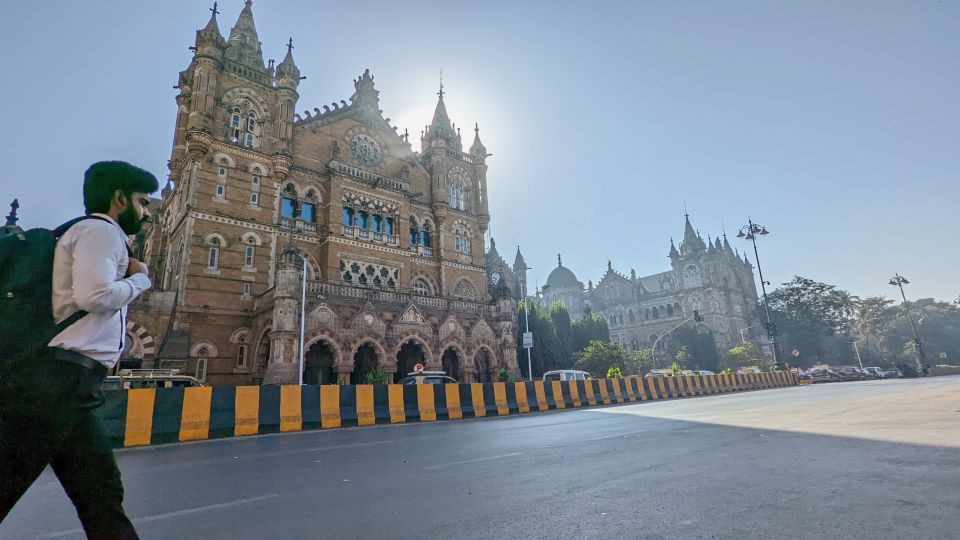
- Public train travel from Churchgate: two short rides that show Mumbai’s commuter pulse.
- A local guide with lived context: guides such as Loki, Maze, Ganesh, and Bahrti help you read the neighborhood.
- A Dharavi walk that’s focused and respectful: you learn about crafts and trades without turning residents into props.
- Inside Dhobighat’s open-air laundry village: see how clothes move through washing and drying outdoors.
- Dabbawallas delivery viewed close up: watch tiffins and bikes in action near Churchgate.
- Rules you should plan for: no photos inside Dharavi slum, and dabbawallas may not run on Sundays/holidays.
Why this tour starts at Churchgate Station (and why that matters)
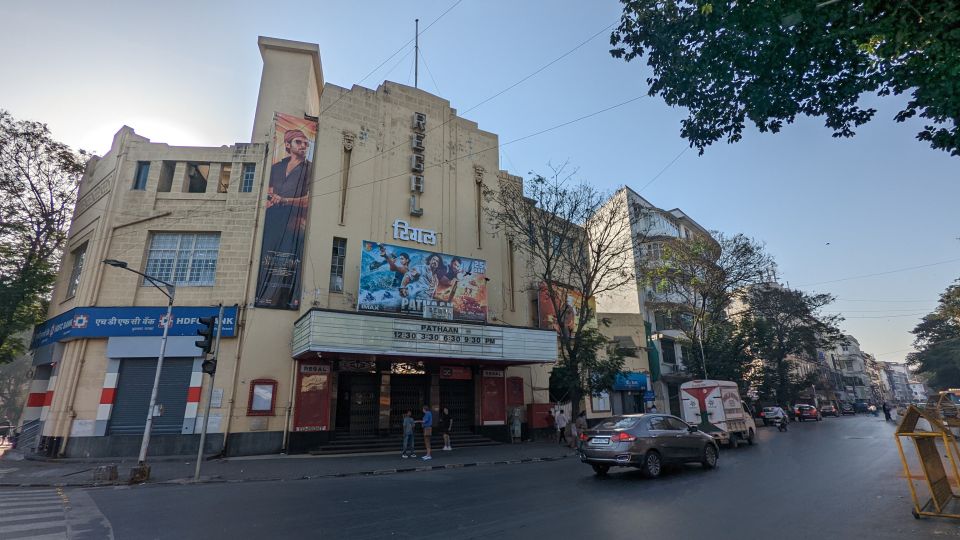
Churchgate is where Mumbai’s energy looks organized. You meet at Churchgate train station, then you hop on the local train to Dharavi. It’s not just transport. It’s part of the lesson, because you experience the city the way many locals do: quick, crowded at times, and always moving.
You’ll also get something practical out of this setup: it saves you from wasting time figuring out transit routes on your own. The tour keeps the plan tight and paced, so you’re not left wandering between distant points in the heat.
And yes, you’ll walk. Some stretches are straight-forward, some are more maze-like. The guide helps you keep your bearings, and that’s a big deal in areas where streets can feel confusing fast.
You can also read our reviews of more tours and experiences in Mumbai.


The Dharavi walk: work, homes, and the stories behind the crafts
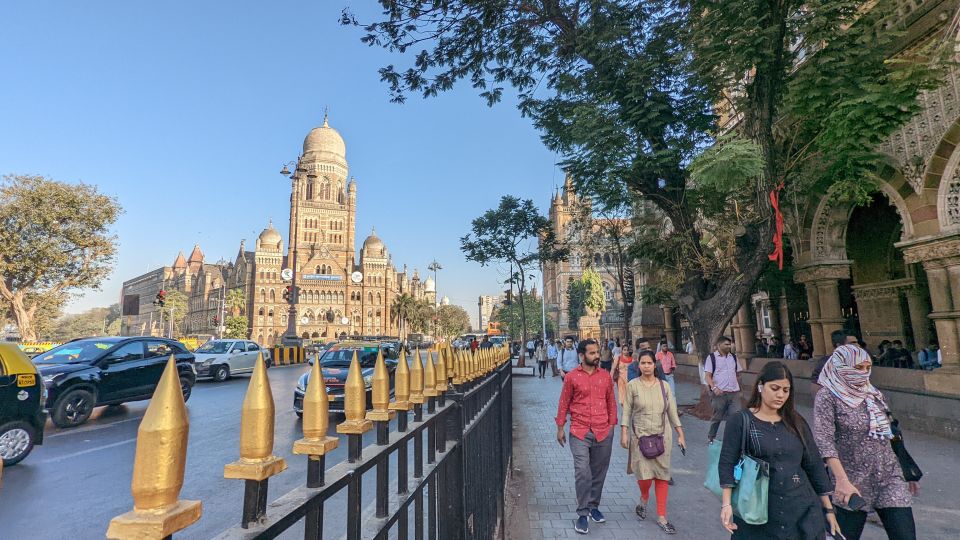
Your Dharavi portion is a guided walk (about 100 minutes). This is where the tour earns its reputation. A strong theme across the guides is perspective: you learn that Dharavi is not one single thing. It’s a place where you can see both hardship and enterprise, and the mix is what shapes daily life.
Guides from the area—people like Loki, Maze, Ganesh, Alam, and Bahrti—tend to explain what’s going on in a grounded way. You may hear about trades that include pottery and other workshop-style industries, plus hands-on skills connected to daily production. The best part is that you’re not only hearing facts; you’re being shown how people think about their work and community.
Here’s the key point for your expectations: this walk is designed to be respectful. Photography is not allowed inside the Dharavi slum area, and your guide will steer you with that in mind. That rule changes the vibe in a good way. You focus more on listening and observing behavior than trying to collect images.
A small but important consideration
Because it’s a residential neighborhood with real people living there, the tour is not a “stand here and ask personal questions” situation. You’ll get room to ask questions, but you’ll also feel the limits. Follow your guide’s lead. It keeps the experience safe for you and considerate for residents.
Dhobighat open-air laundry: seeing clothes move through the system
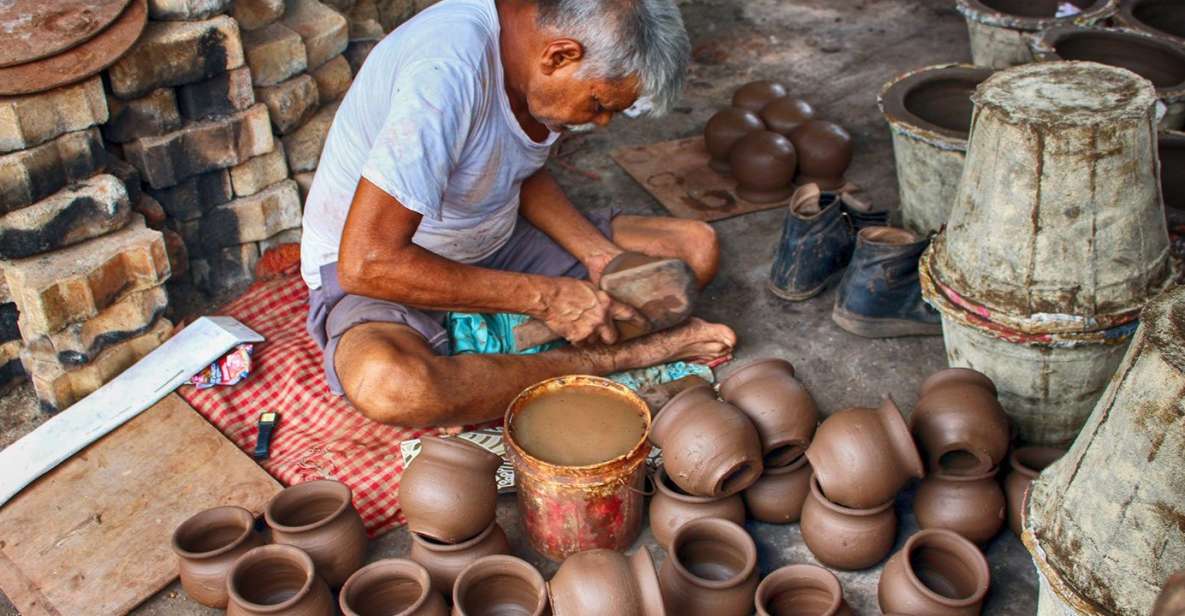
After Dharavi, you go to Dhobighat via a short walk (around 20 minutes). Then you enter for a guided look. Dhobighat is different from typical tourist attractions because it’s a working space. You’ll see an open-air laundry environment where washing and drying happen outdoors, and the movement of clothes is the show.
One of the most useful things this stop gives you is understanding the logic of the process. You’ll get oriented to how laundry items are collected, sorted, washed, and dried—how the workflow keeps things flowing. Even if you’ve seen laundry from street corners before, this is the first time most people can connect the visible steps into one working chain.
This is also the stop where the tour tends to feel “real” in a different way than Dharavi. In Dharavi, you’re hearing about industries and community life. In Dhobighat, you’re watching a production system in motion. That contrast is a big part of why the whole tour hangs together.
Photography rule reminder
Photography is not allowed inside Dharavi slum, but photography is allowed everywhere else. So at Dhobighat, you can usually take photos—but still follow any on-site instructions from your guide.




The dabbawallas near Churchgate: watching lunchboxes become logistics
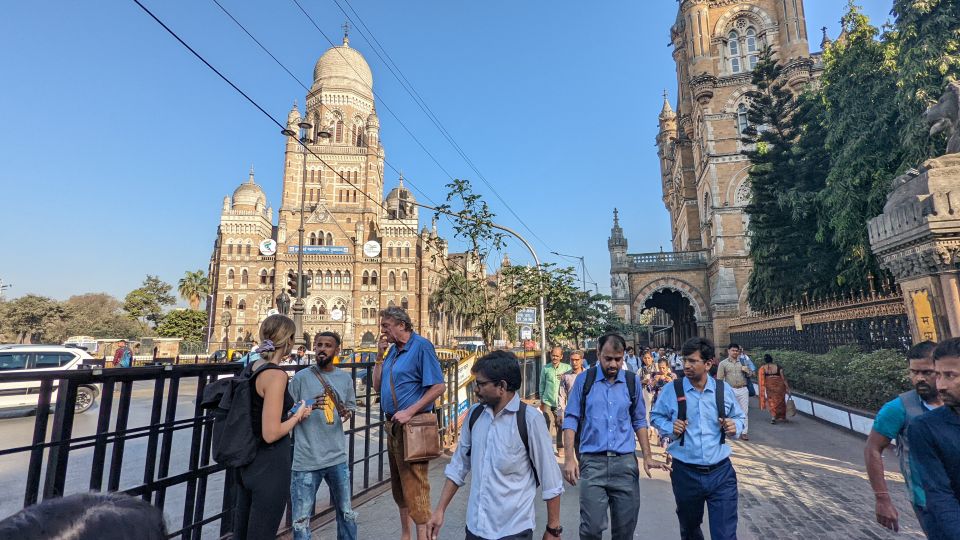
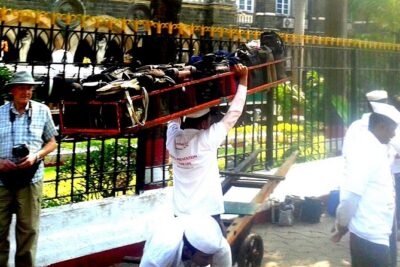
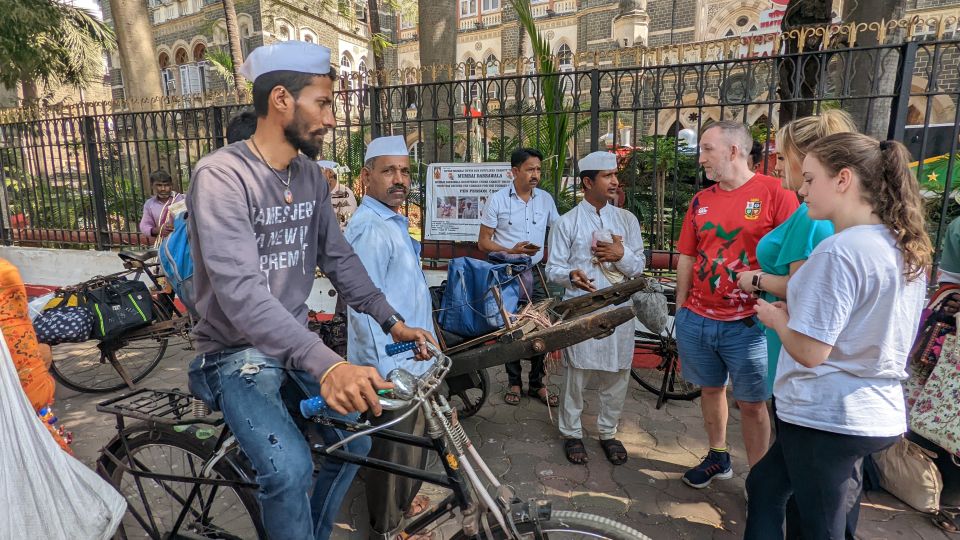
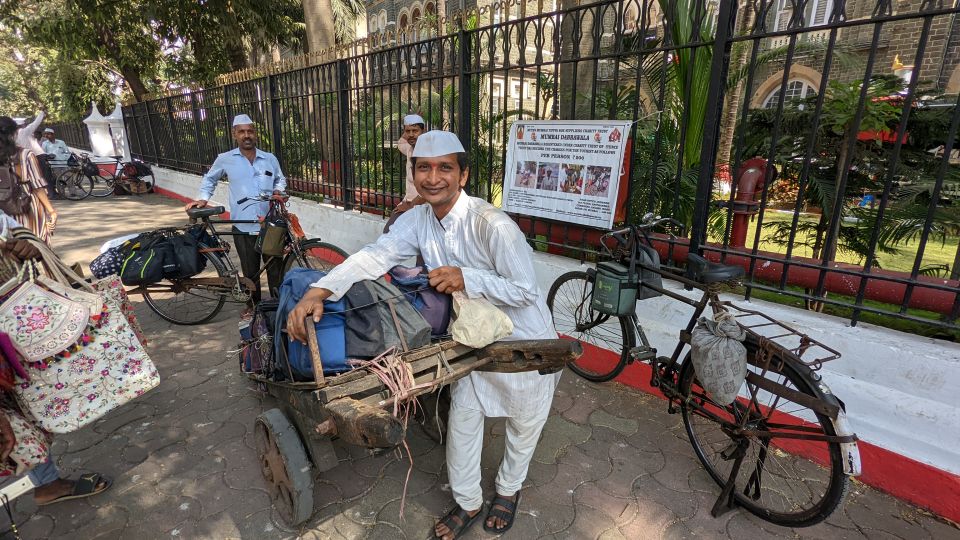
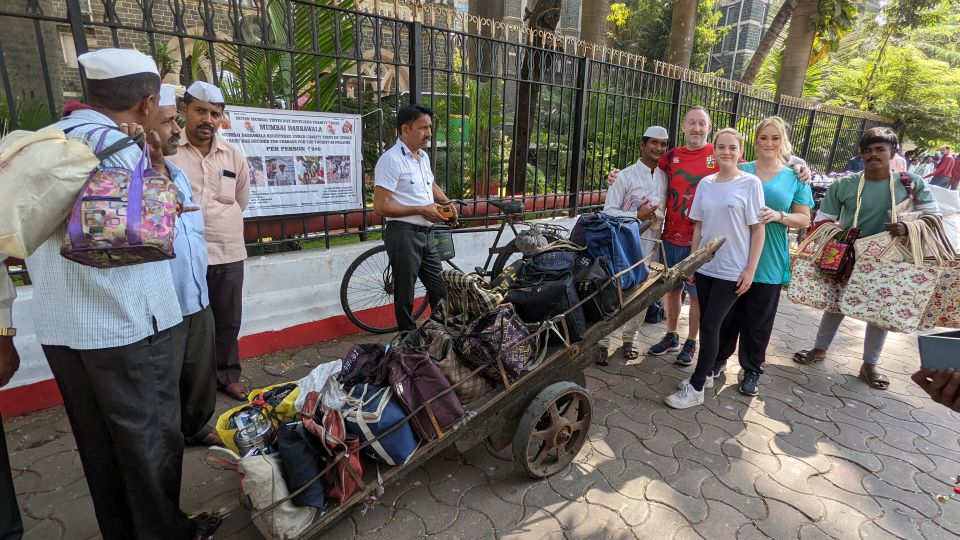
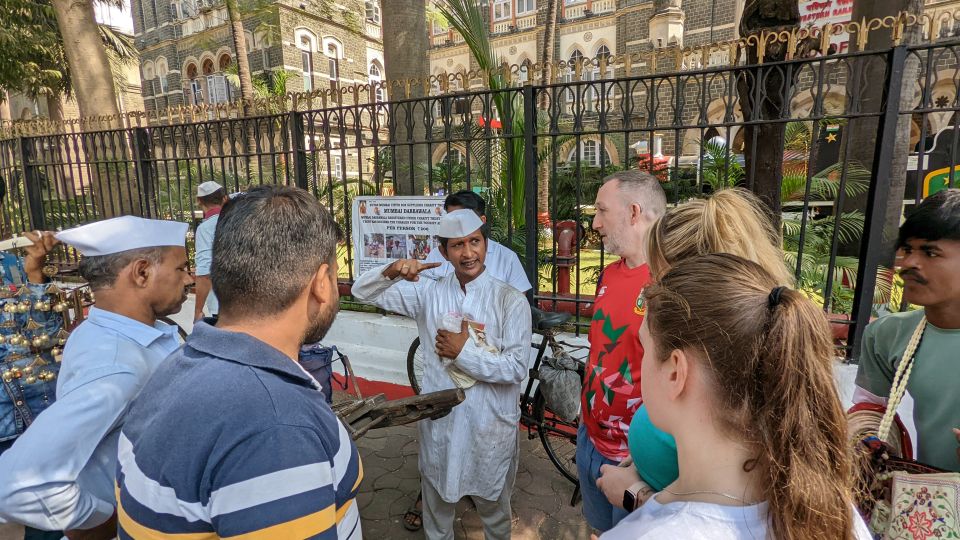
Next comes Churchgate again, with a stop near the Railway Station where you can see dabbawallas in action. Dabbawallas are the lunchbox delivery guys, and the tour’s goal is simple: show you the delivery system at work, not just talk about it.
Expect to see the practical side—tiffin sorting and the way they organize around their route and handoffs. In past tours, people specifically mention noticing the sorting process and the bikes in use, which makes the whole thing feel less like myth and more like operations.
This part of the itinerary is also where timing matters. Dabbawallas do not operate on public holidays and Sundays, so if you’re traveling on a weekend, you may not see them as part of the experience. There’s an extra scheduling note too: from 31st October to 4th November 2024, dabbawallas were scheduled to be on Diwali leave, so tours booked during those dates could miss the dabbawallas portion.
So if dabbawallas are a top reason you want this tour, double-check the day you’re booking and whether your travel dates overlap with holidays.
How the 3 to 4.5 hours are paced (and what you should plan for)
The whole loop runs about 3 to 4.5 hours, depending on the option and timing. The structure is straightforward:
- Train to Dharavi (about 20 minutes)
- Dharavi guided walk (about 100 minutes)
- Walk to Dhobighat (about 20 minutes)
- Dhobighat guided inside tour
- Train back to Churchgate (about 15 minutes)
- Churchgate guided visit (about 10 minutes)
- Then multiple drop-off locations
What this means for you: you’ll spend most of your time outside and in transit between stops, not sitting in a vehicle. That’s a good thing for value and energy, but you should be ready for frequent movement.
Also, local trains can be crowded. Your guide will help you time things and move where you need to go, but you’ll still be in the middle of commuter life. If you dislike close quarters or high-energy transit, consider that before booking.
Price and value: why $14 can work (if you’re the right kind of traveler)
At about $14 per person, the price feels almost too low for what you get: a guide, transportation, a Dharavi guided tour, an inside Dhobighat visit, and a dabbawallas viewing component.
The “value” here isn’t comfort. It’s access and structure. Without a guide, you’d have to plan how to reach Dharavi, where it’s appropriate to walk, and how to connect Dhobighat and Churchgate smoothly. This tour bundles those pieces into one timed loop, with a local explaining what you’re seeing.
One more value detail: you get local-guided interpretation. In this kind of trip, that’s often the difference between a confusing walk and a meaningful one. People repeatedly highlight that guides explain industries and daily life in clear, practical terms, and that can save you from misunderstanding what you’re seeing.
The only real price trade-off: hotel pickup and drop-off aren’t included. You’ll need to get yourself to the meeting point at Churchgate and then follow the tour’s drop-off options afterward.
What to bring, what to avoid, and who should skip this one
This tour asks for a sun hat. That’s not a suggestion; it’s part of the practical side of spending time outdoors and walking.
Also, there are clear “not for everyone” notes:
- Children under 4 years aren’t suitable.
- Pregnant women aren’t suitable.
If you fall into either of those groups, you should look for a different Mumbai experience with less walking and transit.
Finally, respect the photography limitations. No photography inside Dharavi slum is the big rule. It shapes the tour in a positive way, but you should know it upfront so you don’t plan your memory around images.
Should you book the Mumbai Dharavi, Dhobighat, and Dabbawallas Tour?
Book it if you want Mumbai beyond the usual landmark circuit, and you like tours where the focus is people, work, and how daily systems run. I’d especially recommend it for first-time visitors who want a guided route that includes public trains, a working laundry stop at Dhobighat, and the lunchbox delivery world of the dabbawallas.
Skip it (or re-think the dates) if dabbawallas are your main goal and you’re traveling on a Sunday or a public holiday, since they may not be operating. Also skip if the idea of crowded trains and walking through active neighborhoods doesn’t fit your comfort level.
If you do book, go in with the right mindset: keep your questions respectful, follow your guide’s pace, and treat the photography rule as part of the etiquette. With that approach, this is the kind of Mumbai tour that sticks with you because you understand how the city works.
FAQ
Where does the tour meet?
The meeting point is at Churchgate train station, and it can vary depending on the option you select.
How long is the tour?
The duration is about 3 to 4.5 hours, depending on the selected starting time.
What transportation is included?
You’ll use train transportation between the stops, including travel from Churchgate to Dharavi and back.
Is photography allowed?
Photography is not allowed inside the Dharavi slum. Photography is allowed everywhere else.
Will I definitely see the dabbawallas?
Dabbawallas don’t operate on Sundays and public holidays, so they may not be part of the itinerary on those days.
What should I bring?
Bring a sun hat.
Is this tour refundable if plans change?
Yes. Free cancellation is available up to 24 hours in advance for a full refund.
Is the tour guided in English?
Yes, the live tour guide speaks English.