REVIEW · MUMBAI
Mumbai: Private 2-Day City and Elephanta Island Tour
Book on GetYourGuide →Operated by BOMBAY TO MUMBAI TOURS · Bookable on GetYourGuide
Mumbai can feel like a movie set and a working city. This two-day private tour mixes big-name sights with day-to-day details, from the dabbawallas to the Dhobi Ghat. You’ll also hit UNESCO sites like Chhatrapati Shivaji Terminus and the Elephanta Caves, with a guide to connect the dots.
I especially like the way the tour gives contrast: famous architecture one minute, human-powered laundry the next. Seeing Dharavi with a local guide also helps you understand the neighborhood as a place where life happens, not just a headline. One thing to consider: the pace can be active across two days, and the Elephanta trip depends on ferry conditions, so weather can disrupt the island day.
In This Review
- Key things you’ll notice on this tour
- A two-day Mumbai story: from Churchgate to Elephanta
- City Day 1: Churchgate, the waterfront, and UNESCO at CST
- Quick reality check on timing
- Dabbawallas and Dhobis: Mumbai’s logistics in plain sight
- Dharavi slums: how to see it with respect and context
- Day 2 to Elephanta Island: ferry, toy train, and the UNESCO caves
- Weather note you should take seriously
- Elephanta Caves: Kalyansundara, Gangadhara, and Ardhanriswara
- How the guides shape the whole experience (and who you might meet)
- Price and value: what $25 covers, and what costs extra
- Practical tips for a smooth two-day plan
- Who should book this tour
- Should you book this Mumbai and Elephanta tour
- FAQ
- How long is the Mumbai and Elephanta tour?
- What does the tour price include?
- What is not included in the price?
- Where does the guide meet me?
- Is the tour guided in English?
- Is this tour private?
- What’s the main schedule for each day?
- Are ticket lines skipped for major sites?
- Is it cancellable if my plans change?
- Is the tour suitable for everyone?
Key things you’ll notice on this tour
- A full local-guided city circuit in an air-conditioned vehicle, from Churchgate to CST and out to the waterfront
- Dabbawallas and dhobis in action, including the famous human-powered laundry scene at Dhobi Ghat
- Dharavi with context, so the visit feels explained rather than just observed
- Elephanta Island by ferry, then a toy-train ride partway to the caves
- UNESCO World Heritage stops at both Chhatrapati Shivaji Terminus and the Elephanta Caves
- Skip-the-line touring, plus an English-speaking guide throughout
A two-day Mumbai story: from Churchgate to Elephanta
This isn’t a one-day “see the highlights and rush on” tour. It’s designed as two connected days, so you can get Mumbai’s rhythm: the city that feeds itself with logistics, laundry, railways, and religious art.
Day one gives you the city’s big landmarks and working traditions in one flow. Day two takes you offshore to Elephanta Island, where the main draw is ancient rock sculpture inside the caves, plus a village look at island life.
You can also read our reviews of more city tours in Mumbai



City Day 1: Churchgate, the waterfront, and UNESCO at CST
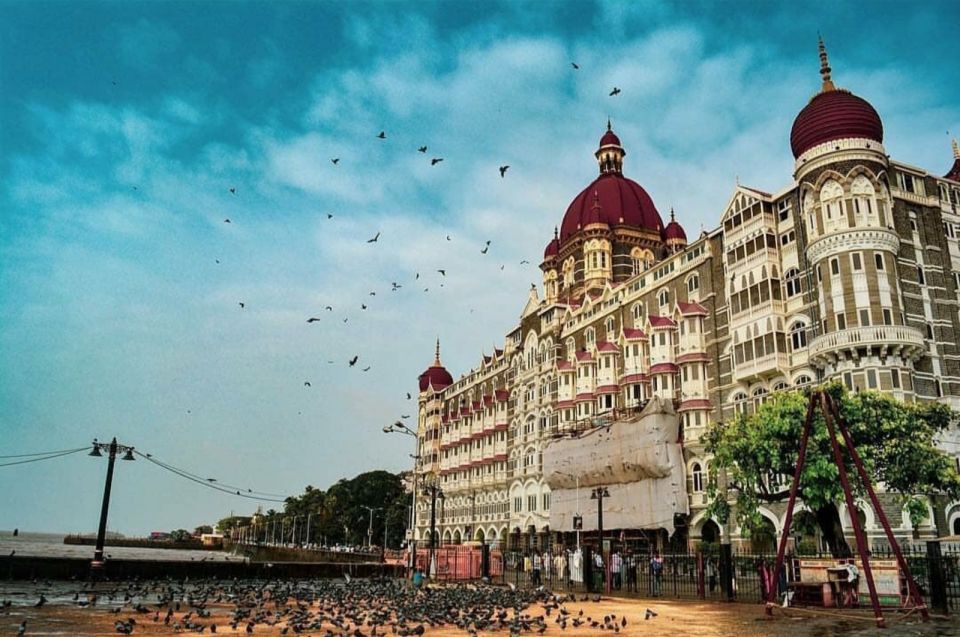
You start with a rail stop at Churchgate Railway Station, and that sets the tone for what you’re really looking at. Mumbai’s everyday systems are part of the story, not background noise.
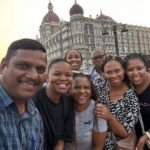
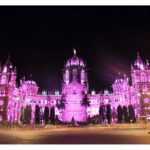
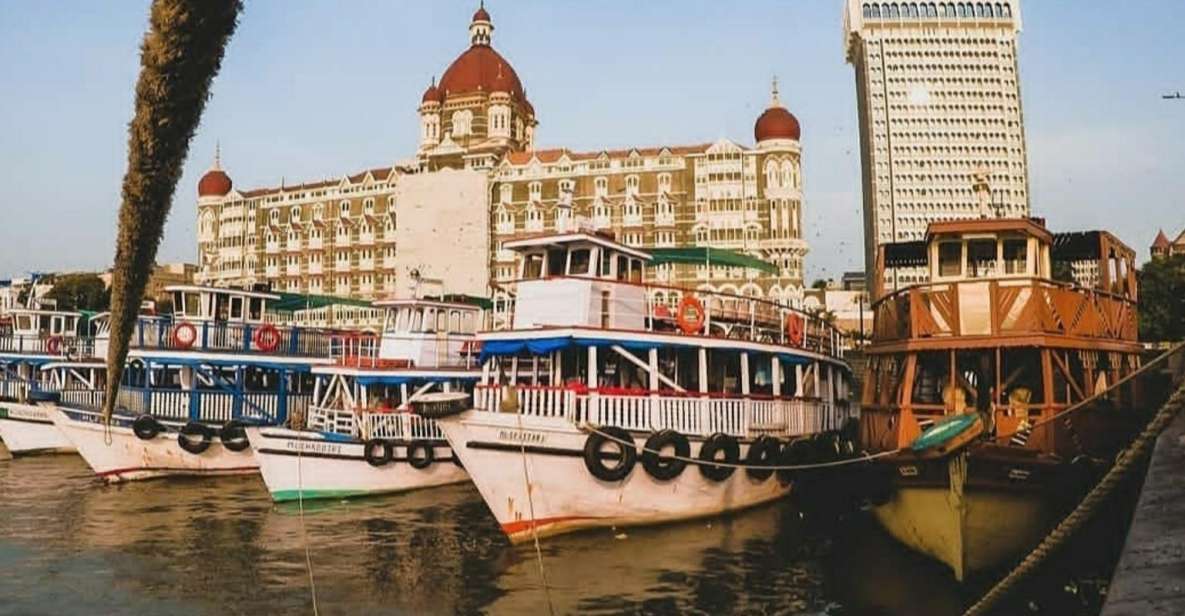
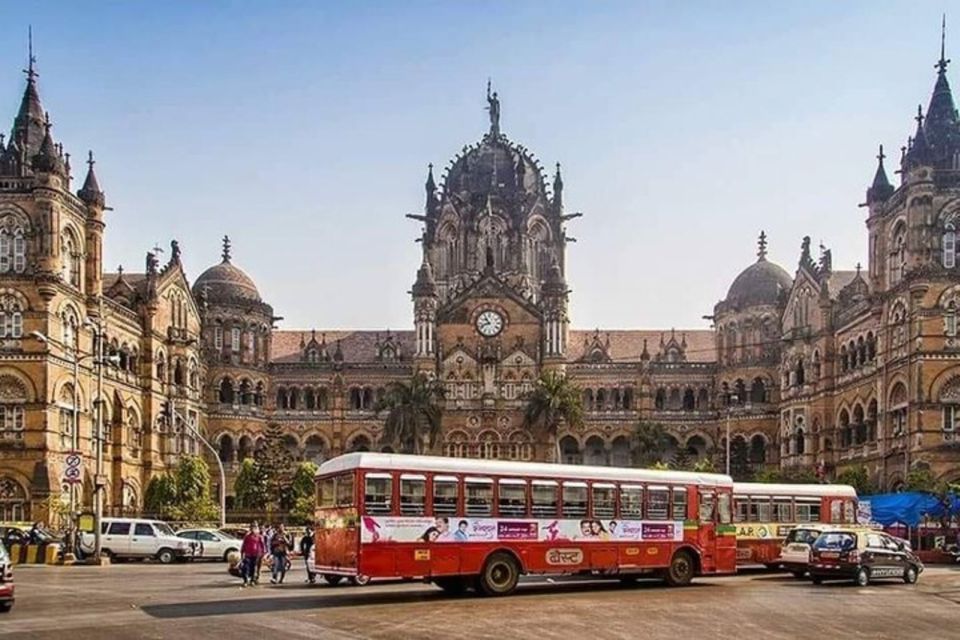
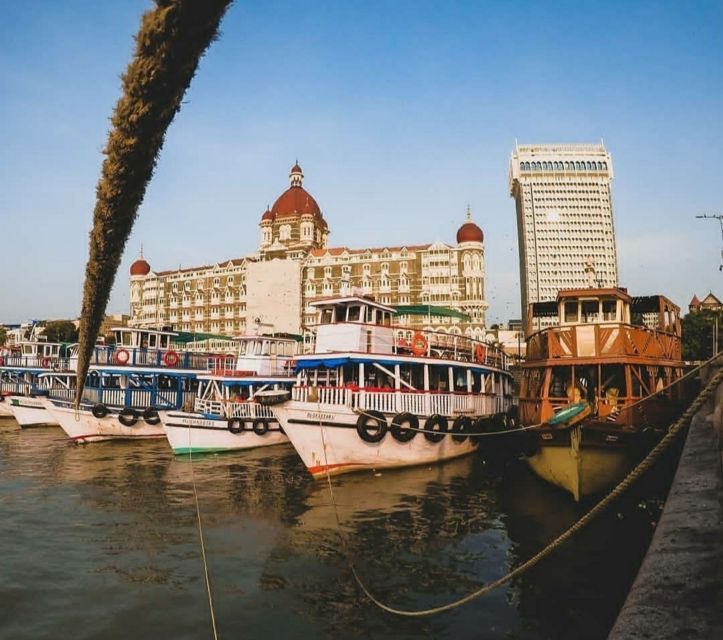
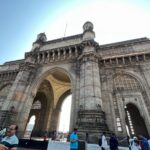
From there, you’ll move through some classic city sights by air-conditioned vehicle, including the Gateway of India and the Taj Mahal Palace Hotel along the waterfront. Then comes a centerpiece: Chhatrapati Shivaji Terminus (CST), also known as Victoria Terminus. It’s a UNESCO World Heritage Site, and even if you don’t get sentimental about train stations, this one has a strong architectural punch and a deep sense of history.
On the route you’ll also pass or stop for time at places like the Municipal Building, Marine Drive, Nariman Point, Chowpatty Beach, the Hanging Gardens, and Mani Bhavan. These stops matter because they map how Mumbai grew into a coastal power: promenades, skyline views, and political and cultural landmarks all in the same day.
Quick reality check on timing
This day packs a lot in, so plan for comfort over strict photo-theory. Wear shoes you can walk in, and keep your camera ready, because the best moments often show up during short windows of movement.
Dabbawallas and Dhobis: Mumbai’s logistics in plain sight
The tour’s most memorable working-culture moments are the people-powered ones.
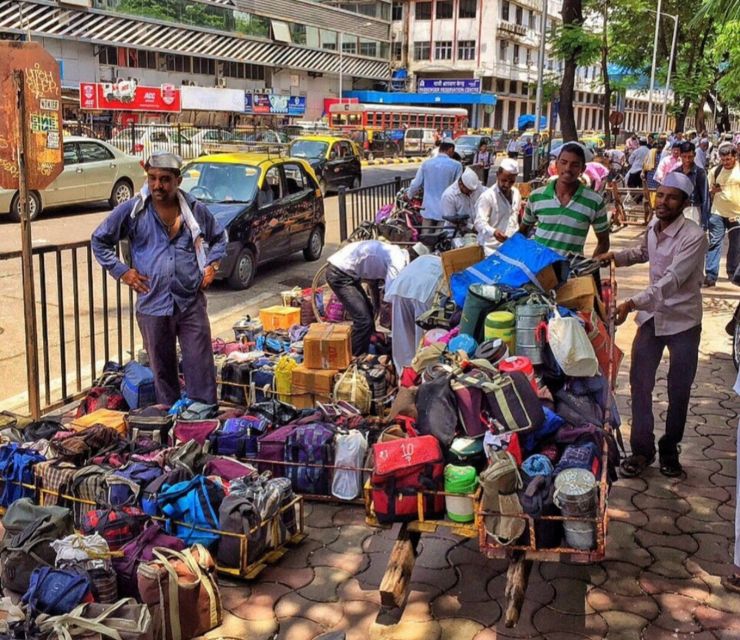
First, you’ll see the dabbawallas, Mumbai’s lunch-box carriers, in action near the rail area. The idea sounds simple, but the scale is impressive: thousands of lunch boxes moving on schedules, across a city that never really stands still.
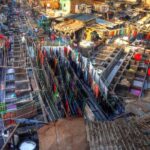
Then comes Dhobi Ghat, often described as the city’s largest human-powered washing machine. You’ll be able to watch dhobis doing laundry the traditional way, with the tools and routines that have kept this work running for generations. It’s a striking contrast to the polished hotel fronts and famous viewpoints from earlier in the day.
What I like about this sequence is that it explains a kind of Mumbai pride without romanticizing hardship. You get skills, routines, and visible labor, and you see why the city can function as one big machine.
Dharavi slums: how to see it with respect and context
Day one ends with a visit to Dharavi, and this stop is where the tour earns its “two-day” label.
Dharavi can be uncomfortable to look at at first, because it’s the side of Mumbai that isn’t designed for postcards. But with a local guide, you’re not just staring at buildings; you’re understanding how people live, work, and create livelihoods in tight spaces.
The value here is attitude. If you go expecting spectacle, it won’t feel good. If you go ready to listen and keep an open mind, you’ll likely come away with a more accurate picture of Mumbai as a whole.
You can also read our reviews of more private tours in Mumbai




Day 2 to Elephanta Island: ferry, toy train, and the UNESCO caves
The second morning shifts your pace in a good way. After pickup from your hotel or a place of your choice (pickup is optional), you’ll head to the ferry and make the trip to Elephanta Island, about an hour on the water.
Once you arrive, the fun part starts quickly: you take a toy-train ride for part of the way toward the caves. It’s quirky and very “Mumbai,” which helps when you’re heading from the city’s energy into a quieter, ancient space.
Then you reach the main UNESCO draw: the Elephanta Caves, where the rock art and sculptures are the stars. After exploring the caves, the plan includes time in the Elephanta Island village with your guide, before returning by ferry.
Weather note you should take seriously
Because Elephanta is reached by ferry, conditions can affect the island day. In one documented case tied to weather, the Elephanta portion was canceled and the situation was handled with a refund. So if your dates are important, keep some mental flexibility for the day two plan.
Elephanta Caves: Kalyansundara, Gangadhara, and Ardhanriswara
This is the moment where the tour stops being a schedule and becomes a visual experience.
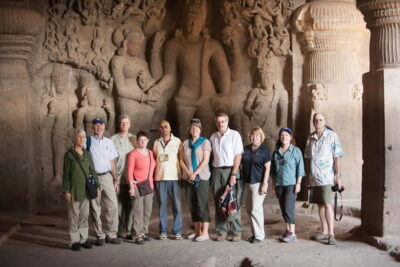
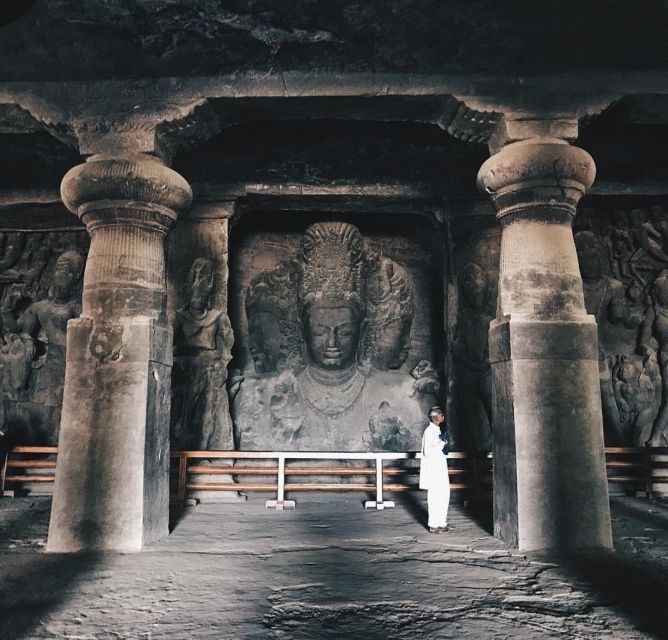
Inside the caves, you’ll focus on major sculpted forms and scenes, including Kalyansundara, Gangadhara, and Ardhanriswara. Your guide’s job here is to connect names, symbolism, and what you’re seeing in the carvings, so you don’t just look at stone and wonder.
Bring your camera, because the cave sculptures invite close-up photos. Just remember: the best shots often depend on patience and position, and cave lighting can be tricky, so expect you might take more photos than you think.
The real win is not speed. Spend time where your guide points you toward details, then step back and look at the whole composition. The caves reward that two-step approach.
How the guides shape the whole experience (and who you might meet)
This tour is built around a professional, local guide, and the guide can change your experience from “saw stuff” to “understood stuff.”
You might be guided by coordinators such as Nitin and Nisar who handle two-day scheduling and tour flow. On the city day, guides you may encounter include people like Yash Kadam, known for mixing history, culture, and religious context into the route. On the Elephanta side, you may meet guides like Sahil, Chirag, Ashwara, and others, depending on the day and group.
What stands out across the guide stories is consistency: they don’t just point. They explain why these places matter, and they do it in English.
Price and value: what $25 covers, and what costs extra
At around $25 per person, this is a value-focused tour because it bundles the moving parts that cost money on your own.
Included items are:
- Air-conditioned vehicle
- Professional local guide
- Pickup and drop-off
- Ferry
- Bottled water
- Taxes, fees, and handling charges
What’s not included:
- Lunch
- Alcoholic drinks
- Elephanta monuments fees (listed at $7 per person)
So the real question isn’t just price. It’s whether you’ll enjoy not having to figure out local transport connections, timing, and ticket line logistics. With skip-the-ticket-line included, you’ll lose less time to paperwork and waiting.
Also, you’re paying for two different atmospheres: city logistics and an island UNESCO day. If that combination fits your trip goals, the price starts to make sense quickly.
Practical tips for a smooth two-day plan
First, pack for comfort and heat. You’ll spend time walking around stations, viewpoints, and beach-adjacent areas. Stick to breathable clothes and shoes you can stand in.
Second, plan your food day one and day two. Lunch isn’t included, so either budget for a meal during the city day or bring simple snacks if that works better for you.
Third, don’t overpack your expectations for photos. Dhobi Ghat and Dharavi can involve movement and watching, not just posing. Be ready to lower your camera when the guide is explaining something important, then shoot again once you’re back in photo mode.
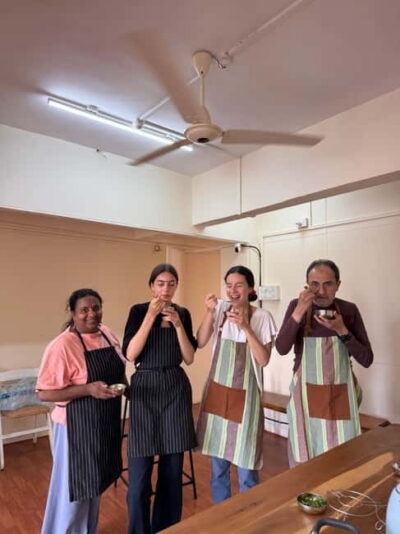
Fourth, if you’re interested in food culture, there’s an optional Indian cookery class after the Elephanta return. That’s a nice way to extend the day beyond sightseeing and keep the theme of everyday life going.
Who should book this tour
This is a strong pick if you want a guided mix of architecture, working culture, and UNESCO caves, without trying to stitch together buses and ferries yourself.
It’s especially suitable for:
- First-timers to Mumbai who want a structured overview with real context
- People who enjoy seeing everyday systems like lunch delivery and laundry routines
- Travelers who care about explanation at UNESCO sites, not only standing in front of monuments
It’s not suitable for pregnant women, based on the tour’s stated limits. If that applies to you, it’s worth looking for a different format with less walking and fewer transfers.
Should you book this Mumbai and Elephanta tour
If your goal is to understand Mumbai in two slices—street-level daily life and ancient stone art—this tour is a smart match. The inclusion of an English-speaking guide, air-conditioned transport, and ferry access takes real pressure off your day planning.
I’d book it if you’re okay with a busy two days and you want more than a checklist. I’d think twice if you prefer slow travel, minimal walking, or you need a very rigid schedule for day two, given that the Elephanta ferry can be affected by conditions.
FAQ
How long is the Mumbai and Elephanta tour?
It’s a two-day experience, with the city portion on the first day and the Elephanta Island caves on the second day.
What does the tour price include?
The price includes all taxes and fees, bottled water, a professional local English-speaking guide, an air-conditioned vehicle, pickup and drop-off, and the ferry.
What is not included in the price?
Lunch and alcoholic drinks are not included, and you also need to pay Elephanta monuments fees listed at $7 per person.
Where does the guide meet me?
The guide meets you at the meeting point. Pickup is optional, and you can choose to meet the guide at your hotel or another place in Mumbai.
Is the tour guided in English?
Yes, the tour includes an English live guide.
Is this tour private?
You can choose private or small groups, depending on availability.
What’s the main schedule for each day?
Day one focuses on key Mumbai highlights and includes a stop in Dharavi, plus views around the city such as CST and the Dhobi Ghat area. Day two goes to Elephanta Island by ferry, includes a toy train ride partway, then visits the Elephanta Caves and the island village.
Are ticket lines skipped for major sites?
Yes, the tour includes skip the ticket line access.
Is it cancellable if my plans change?
Yes. It offers free cancellation up to 24 hours in advance for a full refund.
Is the tour suitable for everyone?
It is stated as not suitable for pregnant women.