REVIEW · MUMBAI
Mumbai: Buddhist Kanheri Caves & optional Pagoda Temple trip
Book on GetYourGuide →Operated by Amaze Tours · Bookable on GetYourGuide
Basalt caves and big silence in one trip. This day out pairs Sanjay Gandhi National Park with Buddhist monuments you can’t really get from a quick Mumbai drive-by. First you’ll walk through the Kanheri Caves, carved into dark volcanic rock over many centuries. Then, if you choose the option, you’ll head toward the Global Vipassana Pagoda, one of the most striking modern Buddhist sites in India.
I really like two things about this tour: the way a good local guide makes the Kanheri Caves readable (and not just “old rocks”), and the practical comfort of air-conditioned transport plus skip-the-line entry. Guides I encountered in this program style include Ganesh and Alam, and drivers like Muktar and Ranjit get you there safely and on time. The one real consideration: you need to climb 50+ steps to reach the top of the Kanheri Caves, and the tour is not suitable if mobility is limited.
In This Review
- Key highlights worth planning around
- Sanjay Gandhi National Park: nature time you actually fit
- Kanheri Caves: Buddhist rock art, 1st century BC to 10th century AD
- What you’ll get from the guided part
- The only real drawback: the climb
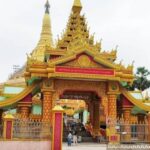
- Global Vipassana Pagoda option: modern stone, big-spread quiet
- What to expect once you’re there
- The guide is the difference-maker (Ganesh and Alam type of service)
- Getting there smoothly: air-conditioned car, skip-line entry, and ferry logistics
- Timing and pacing for a 3–7 hour day
- Price and value: what you pay for, and what you don’t
- Who should book this tour, and who should skip it
- So, should you book it?
Key highlights worth planning around
- Sanjay Gandhi National Park on a day trip inside the city, with real nature time
- Kanheri Caves’ long Buddhist timeline, from about the 1st century BC to the 10th century AD
- Rock-cut art and inscriptions you can only appreciate with a guide’s context
- Optional Global Vipassana Pagoda, reached by a short ferry ride
- The modern pagoda’s scale, a huge stone dome built without supporting pillars
Sanjay Gandhi National Park: nature time you actually fit
Mumbai is busy, loud, and very vertical. So it’s smart to steal a few hours where the air feels different and the ground stays green. Sanjay Gandhi National Park sits inside the metropolis, which is part of why it’s so heavily visited. You’re still in Mumbai, but you’re walking away from the urban grid and into a landscape that feels built for breathing.
This matters for two reasons. First, it makes the day feel like more than just sightseeing. Second, it changes how the caves land in your imagination. Instead of seeing the Kanheri Caves as an isolated monument, you start to understand them as part of a place where people came to step back from daily life.
One more practical point: because it’s a national park, you should expect a more “active” outing than a museum crawl. Wear comfortable shoes and plan for walking on uneven ground.
You can also read our reviews of more tours and experiences in Mumbai.



Kanheri Caves: Buddhist rock art, 1st century BC to 10th century AD
The Kanheri Caves are carved into a massive basalt outcrop. That basalt detail is more than scenery. It shapes the mood of the caves—dark stone, carved details catching light in specific spots, and inscriptions that feel carefully placed rather than decorative.
This is not a single temple. It’s a group of caves and rock-cut monuments on the Sanskrit Krishnagiri, which translates to Black Mountain, linked to the island of Salsette. Within the complex, you’ll see Buddhist sculptures and relief carvings, plus traces of paintings and inscriptions. The overall date range spans roughly from the 1st century BC to the 10th century AD, which gives you a sense of how long this place was used and revisited.
What you’ll get from the guided part
Left to yourself, rock-cut monuments can blur together fast. A strong guide helps you see what to notice and why it matters. In this kind of tour, guides like Ganesh and Alam focus on turning the carvings and text into a story you can follow while you move from point to point.
You’ll typically get:
- Orientation: how the cave complex is laid out and what each stop is meant to show
- Context: why Buddhist imagery and inscriptions evolved over time at this site
- Handy attention cues: where to look for specific carving styles or relief details
The only real drawback: the climb
Plan for more than 50 steps just to reach the top areas of the Kanheri Caves. If you’re someone who’s fine with stairs but not long uphill walks, you’ll likely be okay with a slow pace. If you have mobility limitations, this tour is not suitable, so you’ll want another option.
And one simple clothing note: shorts aren’t allowed. You’ll feel better if you wear something light but fully covering.
Global Vipassana Pagoda option: modern stone, big-spread quiet
If you add the Global Vipassana Pagoda option, you’ll shift from ancient caves to a monumental modern structure. You’ll also take a short ferry ride as part of the transfer, which adds a small change of rhythm to the day.
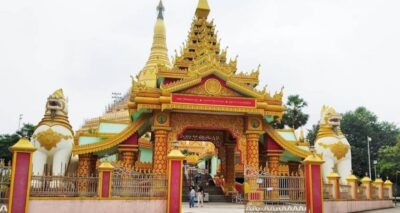
The pagoda’s claim to fame is its construction and sheer scale. It’s described as the world’s largest stone dome built without any supporting pillars, and it’s also promoted as the largest meditation hall in the world. Whether or not you track engineering details closely, the effect is the same: it feels designed for long still moments and careful attention.




What to expect once you’re there
You’ll have about an hour at the pagoda. That’s enough time to:
- get your bearings inside the complex
- appreciate the dome structure from different viewing angles
- take in the meditation-hall atmosphere without rushing your photos
- absorb the guide’s explanation so it doesn’t feel like just a big building
And yes, it’s a great contrast to the Kanheri Caves. One place is centuries old, carved into rock by hand. The other is modern stone architecture trying to hold calm in a single, vast space. Together, they show the continuity of Buddhist practice in very different forms.
The guide is the difference-maker (Ganesh and Alam type of service)
A guided cave tour lives or dies on interpretation. You can stand in front of carvings for an hour and still leave thinking you saw “some Buddhist stuff.” With this tour style, the guide aims to make it click.
From the guide names associated with the experience, I’d pay extra attention to tours led by people like Ganesh or Alam. In these service styles, guides tend to be:
- very on-point with facts and dates
- comfortable explaining why certain carvings and inscriptions belong where they do
- ready to keep the group moving, not stuck
One detail I found especially useful: during monsoon season, one guide is described as an avid cloud reader, which can translate into smoother timing and fewer headaches. That’s not about luck—it’s about local awareness.
Also, at least one run included a guided quiet meditation moment in or around the caves. You shouldn’t count on it as a guaranteed ritual every time, but it signals what the best guides try to do: turn “history” into lived experience.
Getting there smoothly: air-conditioned car, skip-line entry, and ferry logistics
This tour is built for comfort and reduced friction. You get an air-conditioned vehicle, and there’s hotel pickup and drop-off if you choose that option. You’ll also find the meeting point at the entrance gate of Sanjay Gandhi National park.
Two practical conveniences stand out:
- Entrance fee included for both the Kanheri Caves and the national park area you’re visiting.
- Skip the ticket line, so you can spend more time walking and less time waiting.
That matters in Mumbai, where queues can chew up your whole morning. If your day is already tight, these “small” time savers are actually the difference between a good tour and a frustrating one.
What about the ferry? Since the pagoda option includes it, plan to dress normally for short transfers. The ferry part is brief, but it’s still part of the day’s movement, so keep shoes and socks in good shape for both walking and wet or slick spots.
Timing and pacing for a 3–7 hour day
The duration is listed as 3 to 7 hours, depending on which option you select and the timing you book. What that means for you is simple: you should treat this as a half-day to full-day plan, not an “easy stroll.”
Here’s how the pace typically feels once you’re on the ground:
- Kanheri Caves guided time: enough to walk the key parts without turning it into a marathon
- Pagoda time: about an hour, which is best for absorbing the space and letting your photos come naturally
- Transfers: hotel pickup and car ride, plus the ferry if you choose the pagoda
If you’re traveling with jet lag or you prefer minimal walking, the stairs are the limiting factor. If you’re okay with moderate steps and you like guided interpretation, you’ll likely enjoy this pace.
Also bring sunglasses. The caves are not a beach, but you’ll still spend time outdoors before and after, and Mumbai light can be strong.
Price and value: what you pay for, and what you don’t
The price is around $30 per person, and that number looks fair when you break down what’s included. You’re paying for:
- air-conditioned transport
- an English-language tour guide
- entrance fees (Kanheri Caves and national park access)
- ferry ticket (when you choose the pagoda option)
- skip-the-ticket-line convenience
- hotel pickup and drop-off if selected
What’s not included is personal spending. That’s normal, but it does mean you should plan for water and any small purchases on-site.
Is it expensive? No—especially compared to the cost of private transport plus separate tickets. Is it “cheap”? Also no, because you’re not just getting a ride; you’re getting the guide’s role in turning carvings and inscriptions into something you can actually understand while you’re there.
In short: you’re paying for a guided day that combines ancient archaeology with a major meditation site, without the usual Mumbai hassle.
Who should book this tour, and who should skip it
You’ll likely love this if:
- you want Buddhist history that’s explained in plain language
- you enjoy archaeology-style viewing, not just photo stops
- you want a break from Mumbai’s streets and into a real park setting
- you’re comfortable with stairs and uneven surfaces
You might want to skip or choose a different format if:
- you can’t manage 50+ steps (or even close to that)
- you need strict wheelchair-friendly access
- you hate guides and want total freedom (this tour is built around the guided walkthrough)
If you’re on a short trip and want maximum “meaning per hour,” this works well. If you have more time, you could also pair it with other Buddhist or colonial-era sites in Mumbai, but this day trip already does a lot on its own.
So, should you book it?
Book this tour if you want Kanheri Caves explained by a solid guide and you value practical comfort—especially the air-conditioned ride, entrance fees handled, and skip-the-line entry. Add the Global Vipassana Pagoda option if you like contrast: ancient cave practice paired with a modern stone meditation hall.
Skip it if stairs are a deal-breaker for you. And if you’re the type who needs long unstructured time, consider that this experience is more about guided flow than wandering at your own pace.
If you’re in the middle—curious, active enough for steps, and ready for Buddhist sites with context—this is an easy yes.