REVIEW · MUMBAI
Mumbai: Guided City Sightseeing Tour
Book on GetYourGuide →Operated by Amaze Tours · Bookable on GetYourGuide
Mumbai moves fast, so plan it well. This guided tour is interesting because you can shape the day around your interests, not just follow a fixed checklist, and you ride in a comfortable air-conditioned car with a guide who can explain what you’re actually seeing (think Ganesh or Dawood). I also like that the stops are practical: icon photos early, working-city places later, and Dhobi Ghat isn’t treated like a quick photo and run. The main drawback to consider is time and comfort—this is a lot of walking in sun, so pack comfy shoes.
If you care about value, this tour is hard to beat. For about $10 per person, you’re getting pickup and drop-off, an English-speaking guide (private or small groups are available), and entrance fees covered—so you can spend your brainpower on Mumbai instead of logistics.
In This Review
- Key things that make this tour work
- Mumbai in One Day, Without the Headache
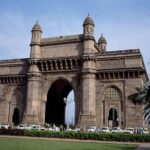
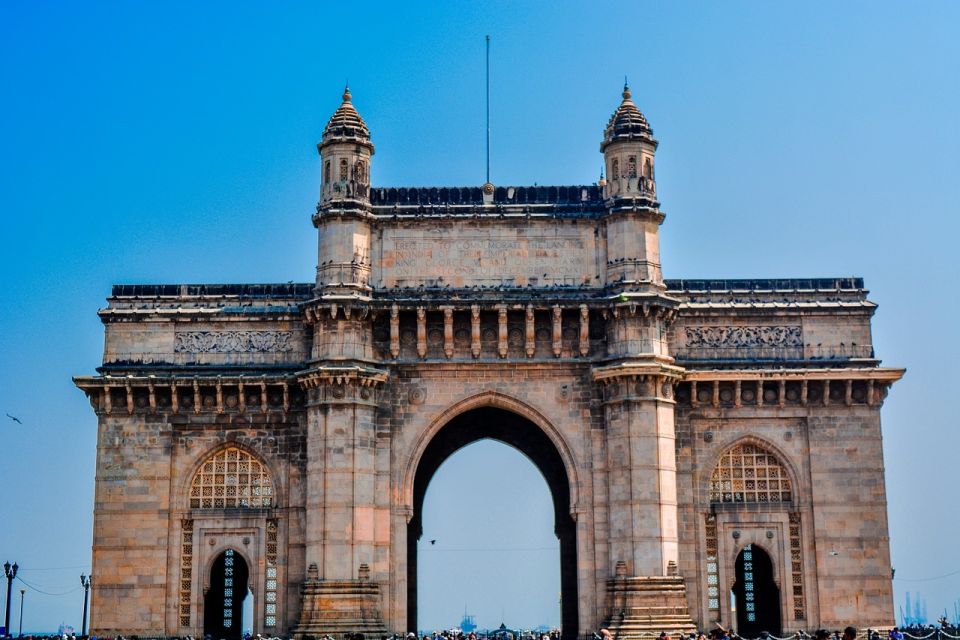
- Gateway of India and Colaba: Big Photos, Quick Context
- CSMT UNESCO and the Train-Station Moment
- Crawford Market and Marine Drive: Markets, Browsing, and Sea Views
- Mani Bhavan and Banganga Tank: Gandhi and a Temple-By-Water Pause
- Hanging Gardens and Dhobi Ghat: Views Plus Working Mumbai
- 6 Hours vs 8 Hours: What Changes When You Add Dharavi
- The 6-hour version: a smart Mumbai sampler
- The 8-hour version: add Dadar Flower Market and Dharavi
- How Customization Works in Real Life
- The Comfort Factor: A/C Car and English Guides
- Price and Value: About $10, But With Real Inclusions
- Practical Tips for a Smooth Mumbai Day
- Should You Book This Mumbai City Sightseeing Tour?
- FAQ
- How long is the Mumbai guided city sightseeing tour?
- Where do I meet the guide?
- Do you offer hotel pickup and drop-off?
- Is the tour guide available in English?
- Is transportation air-conditioned?
- What are some of the iconic places you visit?
- Are entrance fees included?
- Is food included?
- Is shopping encouraged on the tour?
Key things that make this tour work
- A/C comfort in the middle of Mumbai traffic so your day stays pleasant, not exhausting
- Gateway of India + UNESCO CSMT for big-sight momentum right from the start
- Dhobi Ghat included for a real look at daily work, not just monuments
- Shopping is handled carefully—no commissioned shopping pressure
- Choose 6 or 8 hours to decide how much neighborhood life you want, including Dharavi
Mumbai in One Day, Without the Headache
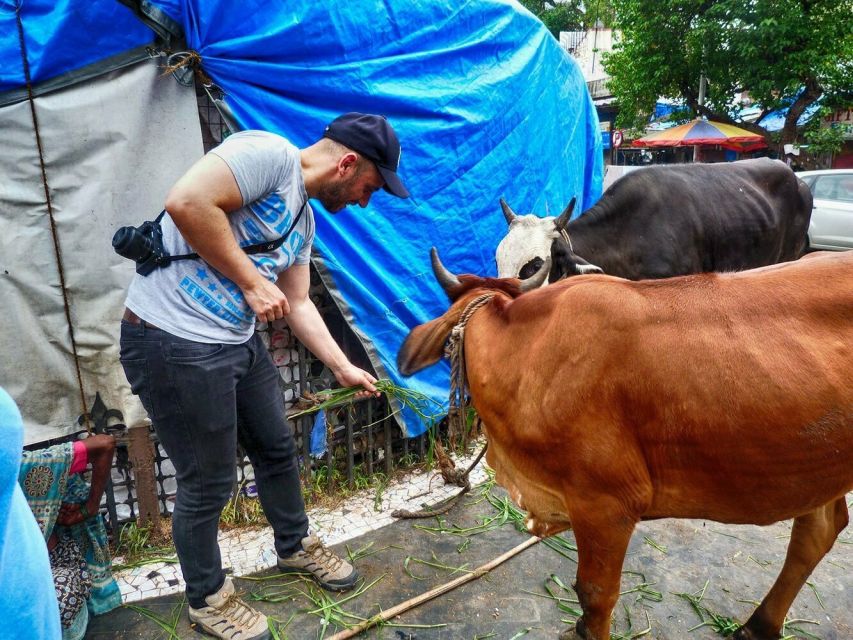
Mumbai can feel like a city built out of motion—cars, crowds, horns, heat, and sudden lanes that seem to appear and vanish. That’s exactly why a guided format helps. You get a driver and a plan, and you can focus on the sights instead of constantly checking maps or fighting traffic decisions.
The tour’s biggest strength is that it’s customizable. You’re not locked into a rigid script. If you love architecture, you’ll enjoy the mix of colonial-era landmarks and UNESCO-level sites. If you’re more into everyday life, you’ll get the kind of stops that explain how Mumbai functions—markets, temples, and Dhobi Ghat’s open-air laundry.
This isn’t a tour that pretends Mumbai is one thing. It’s a day that moves between grand views and real routines. And if you’re the type who gets bored by cookie-cutter sightseeing, the flexibility is the difference between a good day and a better one.
You can also read our reviews of more guided tours in Mumbai


Gateway of India and Colaba: Big Photos, Quick Context
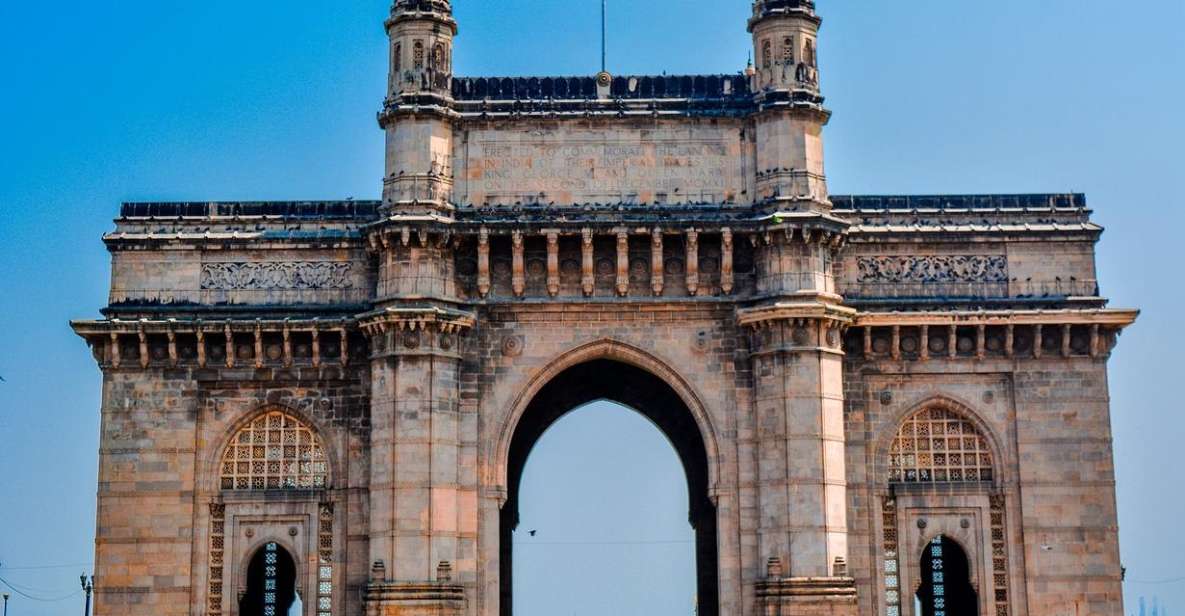
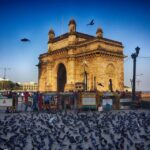
You start around the Gateway of India area, with a guided flow built for photo time first. The Gateway of India stop is designed for you to see it up close, walk around the Colaba area, and get your bearings fast—without losing half the morning to wandering.
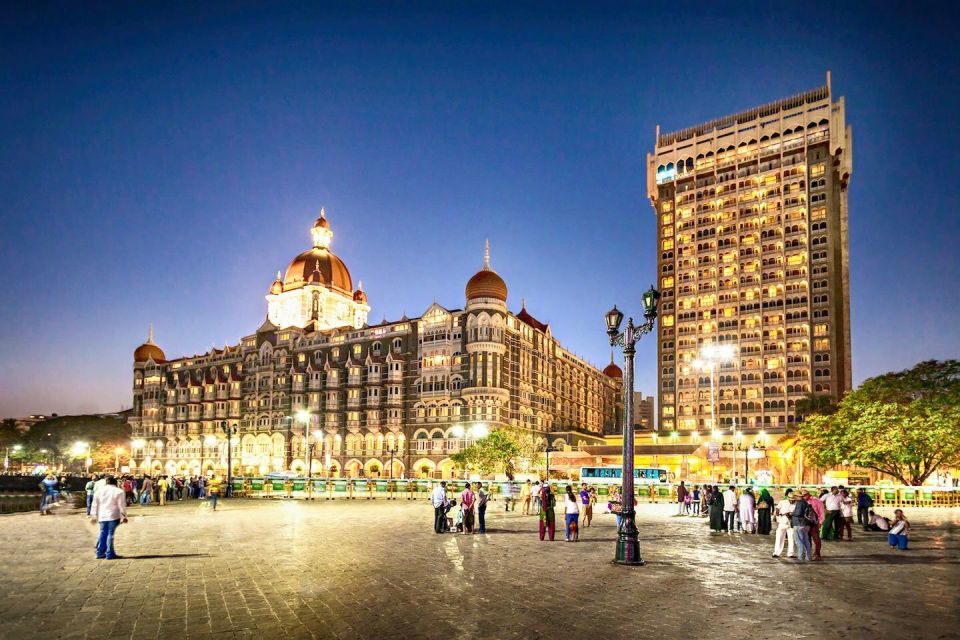
From there, you pass by the Taj Mahal Palace area, which is mostly about orientation and seeing the coastal grandeur from the outside. It’s a quick moment, but it helps stitch the day together: you’re not just snapping pictures—you’re learning what this part of Mumbai is known for and how it connects to the rest of the city.
If you’re traveling with someone who wants history, architecture, or city stories, this early stretch is a good match. It sets a tone: Mumbai’s coastal identity first, then the city’s transport-and-institution side.
CSMT UNESCO and the Train-Station Moment
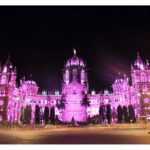
Next comes Chhatrapati Shivaji Maharaj Terminus (CSMT), the UNESCO World Heritage train station. This stop works for two reasons. First, it’s visually dramatic—so even if you’re not into trains, you’ll feel the place. Second, it’s a living landmark. You see it as a station, not a dead museum piece.
Along the way, you’ll also pass by or pause near places like Kala Ghoda, Oval Maidan, and the Asiatic Society of Mumbai. These aren’t random filler stops. They help you understand Mumbai’s “power center” side—where civic institutions, old-world charm, and colonial-era structures shaped the city.
Here’s a practical tip: bring your camera and keep your settings ready. This stretch gives you multiple quick photo angles, and you’ll want to capture the buildings as you move between stops.
Crawford Market and Marine Drive: Markets, Browsing, and Sea Views
Crawford Market is one of those places that’s easy to enjoy even if you don’t shop. You get a photo stop, a visit, and time to walk through the market area. It’s a British-era market known for spices and the everyday rhythm of buying and selling.
What I really like is the tour’s stance on shopping pressure. The experience explicitly avoids commissioned shopping scams. So if you want to browse Crawford Market or pick up something small, you can do it without feeling pushed into a deal.
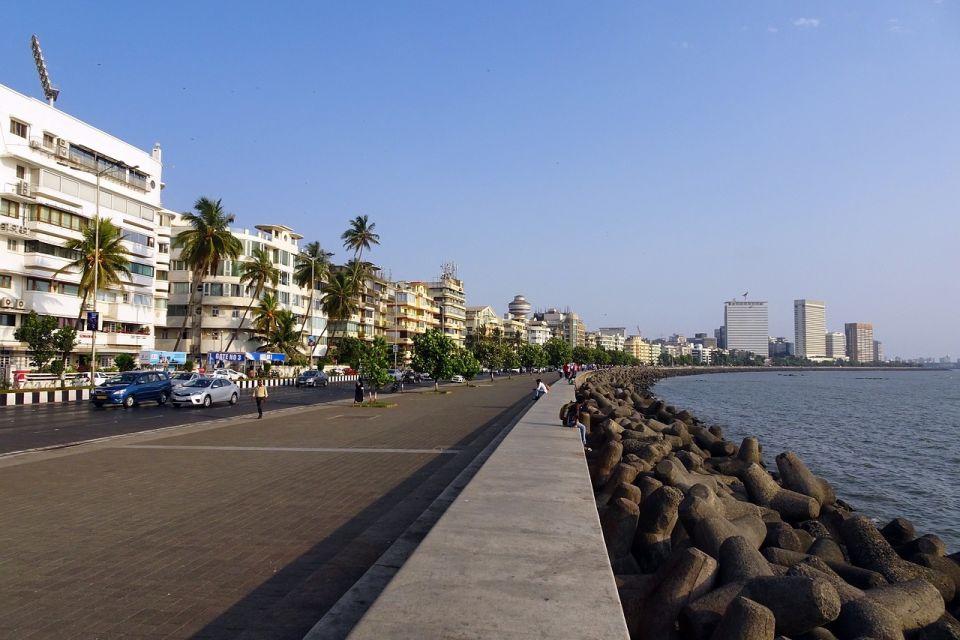
Then you move toward Marine Drive, where the vibe shifts from market energy to a more scenic, coastal drive-and-walk view. Marine Drive is the kind of place where you can slow down for a few minutes and let the city’s atmosphere soak in—especially helpful if you’ve already covered a handful of big stops.
If you get hungry, plan ahead. Food isn’t included, and there’s no promise of a specific meal stop. You’ll do best if you treat lunch like your own choice—something nearby, quick, and suited to your tastes.
Mani Bhavan and Banganga Tank: Gandhi and a Temple-By-Water Pause
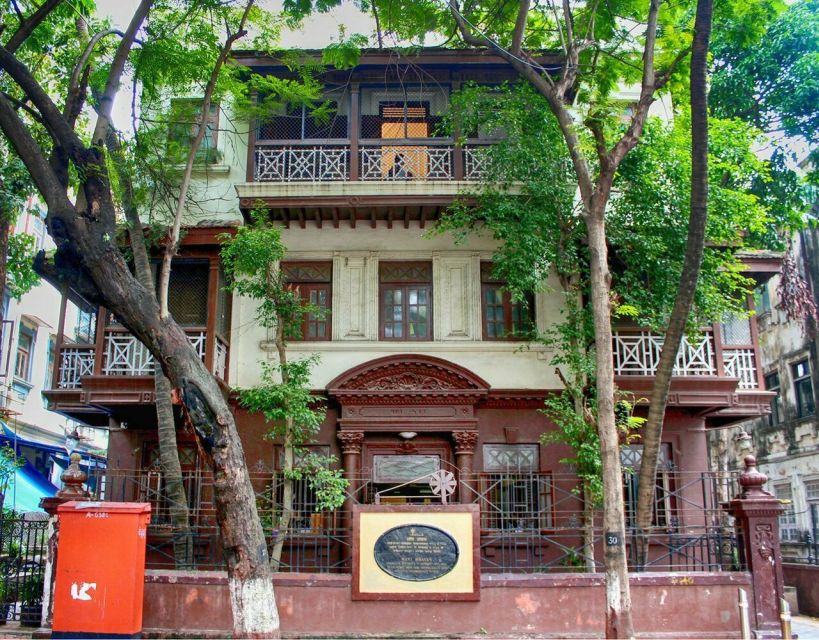
Mani Bhavan is a standout stop, especially if you like the human side of history. The tour includes time to visit Gandhi’s home/center and you’ll walk away with a clearer sense of why this place matters in Mumbai’s story.
Right after, you’ll head to Banganga Tank, where the pace becomes more reflective. You get a photo stop plus time to visit and walk around. Banganga feels like the city’s quieter pocket—water, steps, and a temple atmosphere that doesn’t scream tourist spectacle.
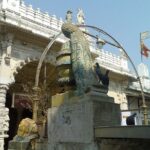
There’s also a Jain Temple pass-by on the route. These brief moments matter because they show Mumbai as a religious mosaic, not one-note sightseeing.
This part of the day is a nice balance: monuments earlier, working life later, and in between a moment that connects you to Mumbai’s spiritual and civic layers.
You can also read our reviews of more city tours in Mumbai



Hanging Gardens and Dhobi Ghat: Views Plus Working Mumbai
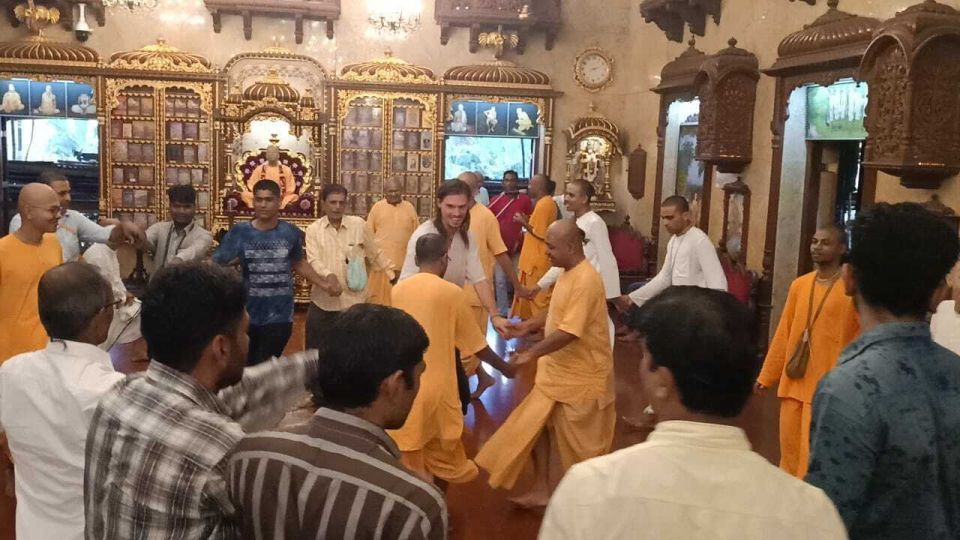
Hanging Gardens is where your day gets that classic Mumbai hillside view. You’ll have a photo stop and walk time to see the viewpoint and surrounding area. It’s not just about the view; it’s also a breather. After market walking and station architecture, you get a chance to reset your energy.
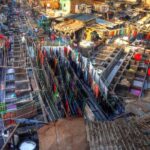
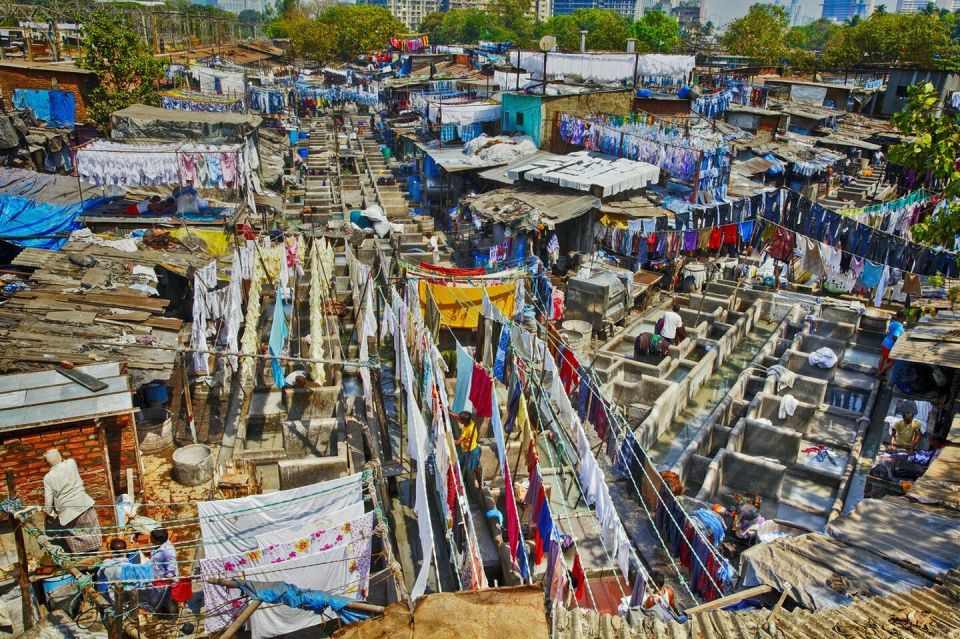
Then comes Dhobi Ghat—open-air laundry. The tour includes time for a photo stop and a visit, with time built in to watch and understand how washing and drying happen in a very public setting.
This is the kind of stop where you’ll want to be respectful. People are working. You’re there to observe and learn, not treat it like a show. It helps to have a face covering or mask handy (it’s specifically recommended), along with hand sanitizer or tissues.
Also, don’t underestimate the mental shift. Dhobi Ghat isn’t just a sight. It changes how you see the city’s daily labor and systems.
6 Hours vs 8 Hours: What Changes When You Add Dharavi
The tour comes in time-based options, and the difference is meaningful.
The 6-hour version: a smart Mumbai sampler
You’ll cover the big coastal-to-central highlights, including:
- Gateway of India and Colaba area orientation
- CSMT UNESCO
- Crawford Market and Marine Drive
- Mani Bhavan and Banganga Tank
- Hanging Gardens
- Dhobi Ghat
This is ideal if you’re short on time but still want the city’s “headline” texture plus working-life context.
The 8-hour version: add Dadar Flower Market and Dharavi
The 8-hour option adds Dadar Flower Market and Dharavi.
Dadar Flower Market gives you another layer of Mumbai’s commerce—color, cutting, sorting, and the energy of a place that supports daily life across the city. If you liked Crawford Market’s human scale, you’ll likely enjoy Dadar’s flow even more.
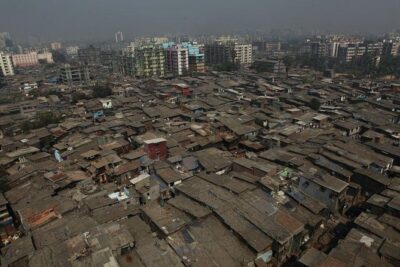
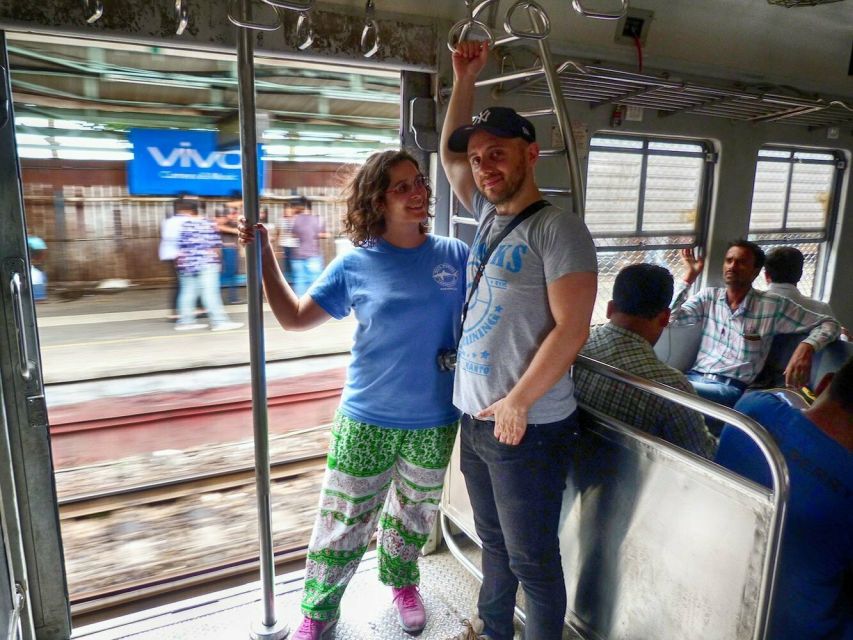
And then there’s Dharavi, which is included on the longer route. This is the part of the day that can feel the most intense. The value is in context: you’ll have a guide who can explain daily life, community systems, and how people make things work in tight spaces. In past experiences with guides connected to this tour style, the route may also include a bit of local transit so you can see Mumbai as it actually functions, not only from the outside.
One consideration: don’t schedule anything tight right after an 8-hour tour. You’ll probably be thinking about what you saw for a while.
How Customization Works in Real Life
This tour says you can experience Mumbai according to your own interests, and that shows up in small decisions during the day—what you linger on, what you prioritize, and how your guide times photo stops.
A big reason this feels good: the guide isn’t just repeating facts. Many guides in this tour style are known for being engaging and adapting. Names that have come up include Dawood and Ganesh, and you may also be guided by people like Alam or Maze depending on the day and option.
Here’s how to use that customization to your advantage:
- Tell your guide what you care about most at pickup (architecture, markets, neighborhoods, religion, photography).
- Mention if you want more walking or fewer walking stretches.
- If you want Dharavi, treat it as a main event, not a quick add-on.
If you prefer a relaxed pace with fewer stops, you’ll do best with the 6-hour route or by explicitly asking for longer breaks at 1-2 key sites.
The Comfort Factor: A/C Car and English Guides
Mumbai is hot, and it’s chaotic. The tour’s air-conditioned vehicle matters more than it sounds. It’s not just about comfort—it’s about keeping your energy for the walking parts.
You’ll travel in an air-conditioned car with a driver, and there’s an English-speaking tour guide. That combination is a big quality-of-life upgrade when you’re dealing with traffic, changing streets, and quick transitions between sights.
The transport quality also scores very well, with 92% giving a perfect rating. That’s a strong signal if you’re worried about safety or smooth driving in a city known for its road chaos.
Also note: alcohol isn’t allowed in the vehicle. Plan water and snacks yourself, since food isn’t included.
Price and Value: About $10, But With Real Inclusions
This is priced around $10 per person, which can feel almost too low for a guided day. The value comes from what’s included:
- Pickup and drop-off
- Air-conditioned vehicle with driver
- English-speaking guide
- Entrance fees
- Taxes and parking fees
When you travel solo or with a small group, it’s often cheaper than hiring a private driver + buying tickets + paying for a guide separately.
The items not included are important too: food isn’t provided, and Prince of Wales Museum isn’t included. If those are must-dos for you, you’ll need to plan them separately.
Given the amount you cover, I’d call this a high-value introduction to Mumbai—especially if it’s your first time and you want a guided overview that still includes local-life stops.
Practical Tips for a Smooth Mumbai Day
To get the most out of the route, pack like you’re spending time outdoors.
Bring:
- Comfortable shoes (you’ll walk at most stops)
- Sunglasses and a sun hat
- Camera
- Hand sanitizer or tissues
- Face mask or protective covering
A few simple strategies:
- Start the day with sunscreen and hydration habits.
- Keep your camera accessible; many stops are short photo windows.
- If you’re sensitive to crowds or strong smells, keep a mask handy for Dhobi Ghat.
- If you’re prone to heat fatigue, you’ll appreciate the A/C ride between stops even more.
And if you’re joining from a hotel, you’ll meet the driver with pickup arranged. You’ll want to be in the lobby at least 10 minutes before pickup time.
Should You Book This Mumbai City Sightseeing Tour?
Book it if you want a structured day that still feels flexible. It’s especially worth it if you:
- want the big hits like Gateway of India and UNESCO CSMT,
- care about seeing working Mumbai sites like Dhobi Ghat,
- prefer English guidance and air-conditioned transport,
- and like the idea of customizable stops without shopping pressure.
Skip it if you want a slow, unstructured neighborhood wander with no scheduling at all. This tour is built to move and cover a lot.
If Mumbai is your first stop in India (or your first city in the country), this is a smart way to get your bearings and get real context fast.
FAQ
How long is the Mumbai guided city sightseeing tour?
The duration is 3 to 8 hours, depending on the option you choose and what you include.
Where do I meet the guide?
The meeting point is at the cruise terminal. If you choose hotel pickup, you’ll meet the driver at your hotel lobby.
Do you offer hotel pickup and drop-off?
Yes. Pickup and drop-off are included, and you can also opt to meet the driver at your hotel. Be in the lobby at least 10 minutes before the pickup time.
Is the tour guide available in English?
Yes. The tour includes an English-speaking live guide.
Is transportation air-conditioned?
Yes. You travel in a comfortable air-conditioned vehicle with a driver.
What are some of the iconic places you visit?
You can expect stops such as Gateway of India, Chhatrapati Shivaji Maharaj Terminus (CSMT), Crawford Market, Marine Drive, Mani Bhavan, Banganga Tank, Hanging Gardens, and Dhobi Ghat.
Are entrance fees included?
Yes. Entrance fees are included in the tour price.
Is food included?
No. Food is not included, and you’ll need to plan your own meals.
Is shopping encouraged on the tour?
No. The tour does not encourage commissioned shopping, and it’s designed to help you avoid shopping scams.