REVIEW · MUMBAI
Mumbai Slum Tour – Visit Dharavi Slum with Local Guide
Book on GetYourGuide →Operated by Mumbai Experiences · Bookable on GetYourGuide
Dharavi tour rewires how you see Mumbai. What makes this experience worth your time is the chance to walk inside day-to-day life while seeing the small industries that keep the neighborhood running. You’ll move through narrow lanes, stop at working spaces, and get explanations from people who know the place as home.
I love how the tour is built around local guides living in Dharavi, not outsiders with a slideshow. I also like that you get English-guided clarity from guides such as Priscilla, Shivam, Balaji, Siddesh, and Sufiyan, who answer questions in a way that stays respectful and practical.
One consideration: this is a walking tour in tight areas, with limited restroom stops, and it is not suitable for wheelchair users or visually impaired visitors based on the tour’s stated limits. Wear shoes you can trust, and plan your expectations for a real neighborhood route.
In This Review
- Key things that make this Dharavi tour stand out
- Entering Dharavi’s real economy in just a few hours
- The exact rhythm of the tour walk (and why it matters)
- Getting there: pickup options and meeting point reality
- What you’ll see first: lanes, small homes, and everyday order
- Markets and school visits: learning through what’s active now
- Workshop stops: recycling, leather work, garments, and pottery
- The local-guide advantage: what Priscilla, Shivam, Balaji, Siddesh, and Sufiyan do well
- How to ask questions (without making people feel like a spectacle)
- Practical rules for cameras, clothing, and comfort
- Price and value: why $5 can feel unusually fair
- Who should book this Dharavi slum tour
- Should you book this Dharavi tour
- FAQ
- How long is the Mumbai Slum Tour?
- Is pickup included?
- Do I get an English-speaking guide?
- What’s included in the price?
- Are snacks included?
- Are cameras allowed?
- What should I bring?
Key things that make this Dharavi tour stand out
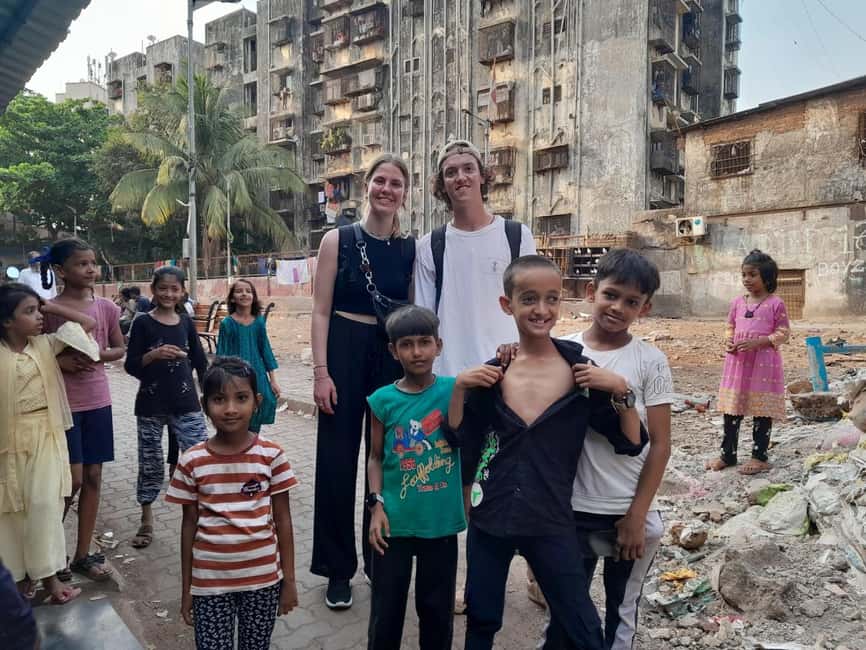
- Guides who live there: you’re not just visiting; you’re being hosted by someone from the community
- A mix of home + industry + education: narrow lanes, markets, a school visit, and workshops
- Hands-on stops: you may see recycling, leather work, garments, and pottery in action
- Clear explanations in English: guides like Priscilla and Shivam are repeatedly praised for communication
- Strong value: a guided tour for a low price that includes bottled water
- Respectful pacing: the tour is designed to keep it safe and understandable, not rushed
Entering Dharavi’s real economy in just a few hours
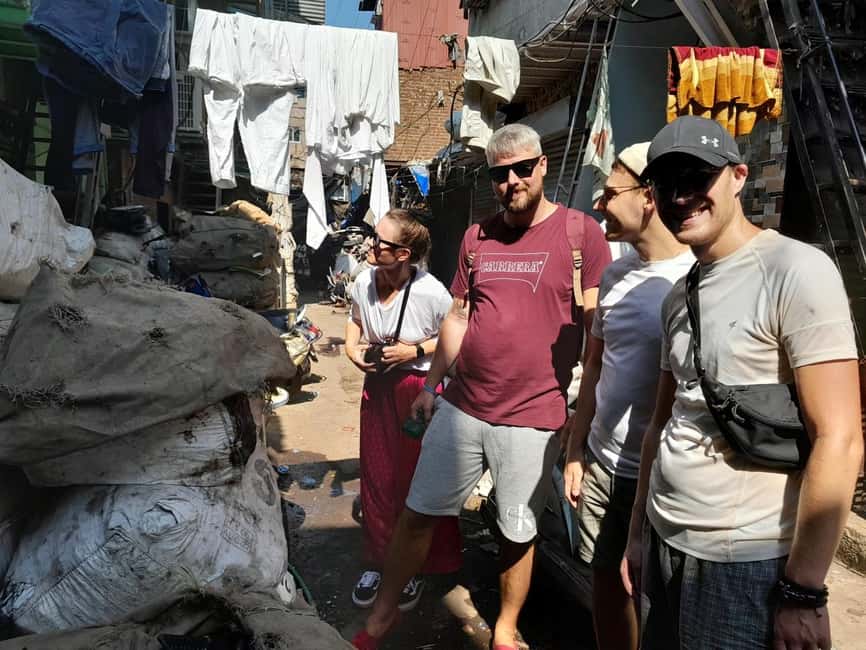
Dharavi is famous as a slum, but the tour framing is more useful than the label. You’ll see how many small businesses operate shoulder to shoulder, turning skills and raw materials into income. The tour description points to the area generating over $1 billion annually, and the route is designed to help you understand how that happens: through countless small workplaces rather than one giant factory.
This is also why the experience works for short stays. In about 2 to 3.5 hours, you’re not trying to learn everything. You’re getting key pieces that connect: where people work, where they live, where kids go to school, and how materials get recycled and re-made. If you’ve only seen Mumbai from the usual sightseeing lanes, this is the kind of contrast that actually helps you connect dots.
You’ll also learn that Dharavi isn’t one single community. The tour notes families from across India speaking different languages, and that mix shapes daily life—how people communicate, how shops operate, and how workplaces share space.
You can also read our reviews of more guided tours in Mumbai



The exact rhythm of the tour walk (and why it matters)
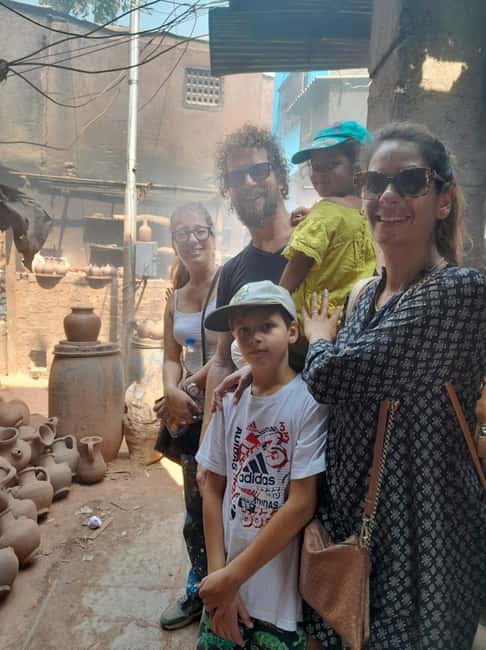
The tour is built around a simple structure: guided walking, a short break time, and focused visits. You’ll spend about two hours in Dharavi on the main walking-and-visiting portion. That’s not long enough to see everything in Dharavi, but it’s long enough to feel the pace of a working neighborhood.
The biggest practical advantage is that the tour isn’t just a “look here, then go there” loop. The guides—often praised by name in the reviews, including Priscilla and Shivam—tend to explain what you’re seeing in plain terms: how small workshops fit into residential streets, what different industries produce, and what daily routines look like.
Timing matters here because streets can feel cramped when you’re walking with a group. A well-paced route helps you keep up without losing the meaning of each stop. If you’re the type who gets restless quickly, this style of pacing may actually feel calmer than you expect.
Getting there: pickup options and meeting point reality

Pickup is optional, and the tour uses different starting points depending on your booking option. If you choose pickup, your driver arrives at the scheduled time and contacts you about 10 minutes before pickup, usually by call or WhatsApp.
From there, you’ll be taken to the meeting point where your guide begins. The meeting point itself can vary, so the practical mindset is: be ready to follow the message on the day of the tour.
This matters because Dharavi area movement can be busy. When you arrive a little early, you reduce stress for everyone, including your guide.
What you’ll see first: lanes, small homes, and everyday order
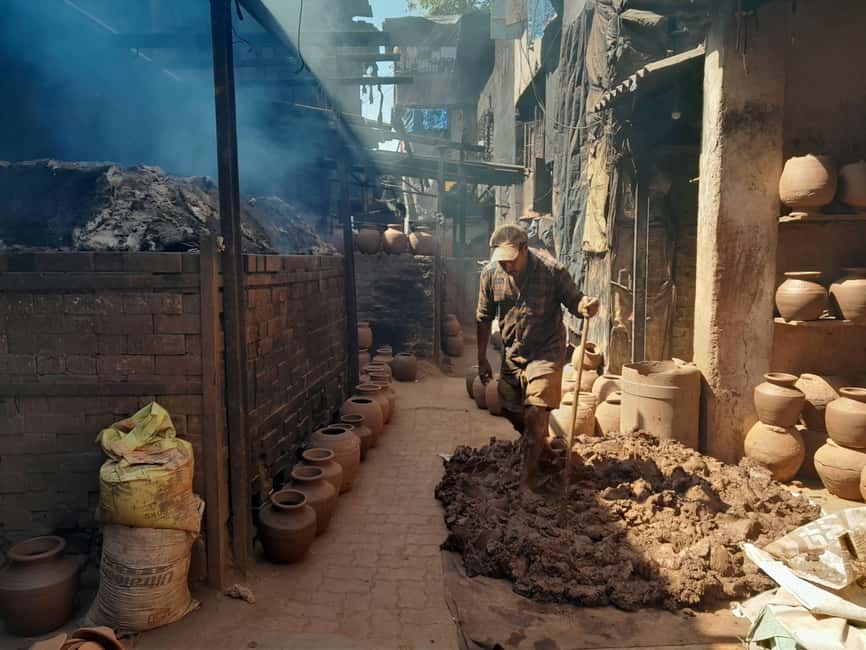
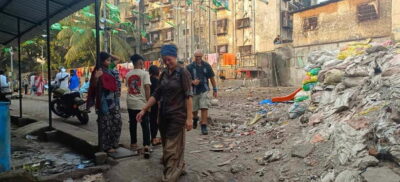
Early in the walk, you’ll get your bearings through the narrow lanes. This is where the tour earns its power. It’s one thing to read about slums; it’s another to look at the smallest houses and understand how space gets shared.
The most helpful part is that the tour doesn’t treat residential life as background. It aims to connect housing to the local economy: where people keep working materials, how small shops and workshops fit near living spaces, and how families manage routines when work is close by.
You’ll also notice a kind of everyday order. It doesn’t look chaotic. It looks busy, yes, but patterned—like a neighborhood that has adapted to density and kept going.
Markets and school visits: learning through what’s active now
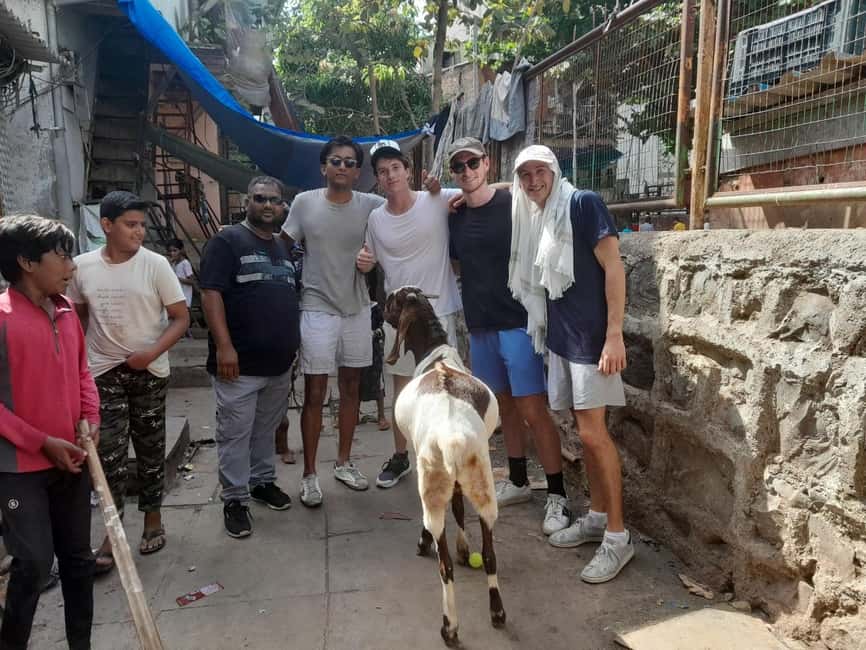
One of the tour’s stated highlights is visiting local community spots such as a market and a school. The value here is simple: these places show what children and families rely on day to day.
At the market stop, you’ll see goods moving and people trading—an on-the-ground view of small-scale commerce. At the school stop, you get a glimpse of education inside the community, not as an abstract concept.
You’ll also get a break during the experience. The tour notes that restroom facilities may be limited along the route, so this is your cue to plan ahead and use the break wisely.



Workshop stops: recycling, leather work, garments, and pottery
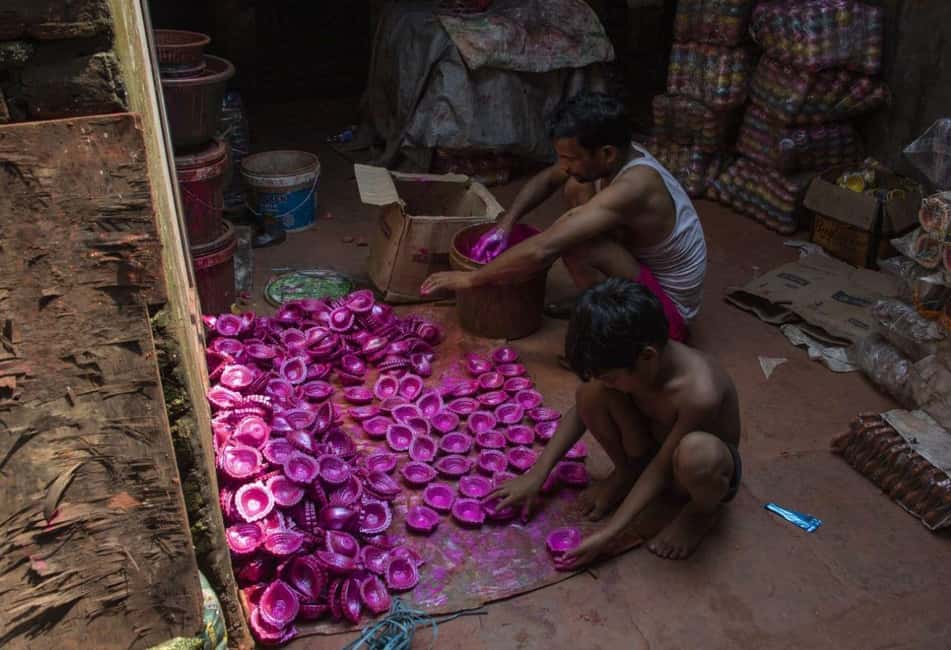
The industrial side of Dharavi is the heart of why this tour is so requested. The route includes stops tied to several working areas, including recycling industries, a leather factory, and places associated with garments and pottery.
Here’s why these stops matter for you:
- Recycling shows how waste becomes material and how jobs are created without fancy machinery
- Leather work highlights specialized skill and careful processes you might not expect in a small workshop setting
- Garments connects the neighborhood to production and stitching work
- Pottery gives you a slower, craft-based view alongside faster production
You’re not just seeing products. You’re seeing the logic of making: raw inputs, hands-on steps, and finished goods that can be sold or used locally. If you like understanding how things are made, these visits will stay with you longer than a standard photo stop.
The local-guide advantage: what Priscilla, Shivam, Balaji, Siddesh, and Sufiyan do well
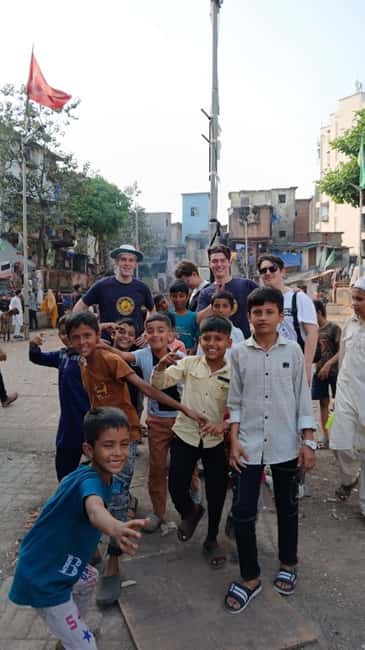
This is the section where the reviews and the tour design line up. The most praised aspect across guides is that they speak excellent English and explain things clearly while staying respectful.
You’ll likely hear names like Priscilla, Shivam, Balaji, Siddesh, and Sufiyan because different groups get different guides. But the common thread is the same: guides who live in Dharavi for generations share context from personal experience, not just secondhand facts.
That changes your entire experience in two ways:
- You get answers to real questions, from how work is organized to how communities stay connected
- You’re guided at a human pace, which helps the tour feel safe and understandable in crowded conditions
One review even highlights the guide as talkative and well-informed, and another stresses that the tour stays respectful and safe. That’s exactly what you should look for when booking a neighborhood-based experience.
How to ask questions (without making people feel like a spectacle)

This tour is about learning, not collecting a story. Your best move is to ask direct, respectful questions and let the guide set the tone.
A few question styles that tend to work well in this setting:
- How does this workshop fit into daily life?
- Who uses this school, and what do families focus on?
- How do people handle income and housing tradeoffs?
The tour information also makes it clear you should dress appropriately and avoid turning this into a shoot. The rules include no short skirts and no sleeveless shirts, plus restrictions on professional cameras and flash photography.
Do this, and you’ll keep the experience human—for you and for them.
Practical rules for cameras, clothing, and comfort
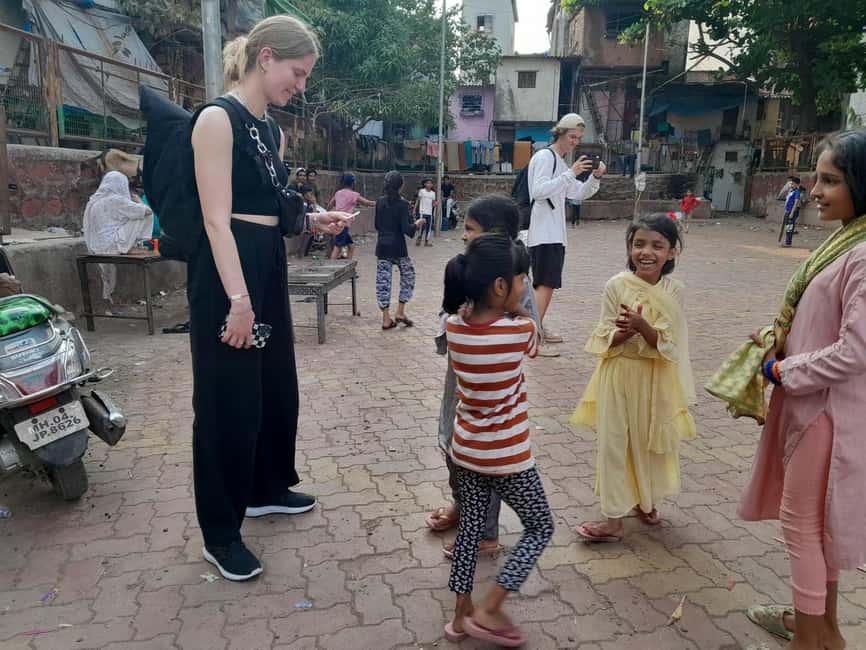
The tour’s basic etiquette rules are straightforward:
- Bring comfortable shoes (this is a walking route in tight lanes)
- Bring a sun hat and sunscreen
- Weather-appropriate clothing matters
- Bottled water is included, but you’ll still want your own comfort level with hydration
Camera rules are also important:
- Professional cameras are not allowed
- Flash photography is not allowed
If you’re the type who loves documenting everything, you can still take photos in a respectful way, but you should be prepared for limits. Planning for that ahead of time keeps the tour smooth.
Also note: this tour is not suited for wheelchair users or visually impaired visitors, so if accessibility is a big factor for you, look for an alternative format.
Price and value: why $5 can feel unusually fair
At about $5 per person, the price is the first thing that makes you pause. For that cost, you get a live local guide and bottled water.
Is it a bargain? In many ways, yes, because you’re getting:
- a guided walk inside a working neighborhood
- visits connected to daily work and community life
- explanations in English from locals who can answer questions
The only clear gap is snacks are not included. You might want to eat before or plan for the break. Also, because the tour is fairly short, you won’t cover every street or every business, so it’s best to think of it as a guided orientation to Dharavi’s functioning, not a full-area documentary.
If your goal is value for understanding the real side of Mumbai, this is one of the strongest picks in its price tier.
Who should book this Dharavi slum tour
This tour is a great fit if you:
- want a real neighborhood view rather than only major tourist sights
- enjoy learning through people who live somewhere, not just through official plaques
- like understanding how industries work at ground level
It also suits travelers who want a structured route that stays organized in a dense area. Many guides are repeatedly praised for being warm, friendly, and patient with questions.
Consider skipping it if you:
- need wheelchair access along the route
- need a route suited to visual impairment
- dislike walking or being in crowded public areas for extended periods
Should you book this Dharavi tour
Yes, if you’re coming to Mumbai hungry for the real story behind the city’s work. This tour’s best feature is the mix: home streets plus small industries plus community basics like market and school. That blend helps you see Dharavi as a functioning neighborhood, not a single headline.
Book it especially if you value guide quality. Names like Priscilla, Shivam, Balaji, Siddesh, and Sufiyan show up because they consistently deliver clear English, respectful answers, and a pace that feels safe.
Just go prepared: comfortable shoes, sun protection, and a camera plan that follows the rules. If you do that, you’ll leave with a more accurate mental map of Mumbai—and a lot more respect for how communities create opportunity under pressure.
FAQ
How long is the Mumbai Slum Tour?
The tour lasts about 2 to 3.5 hours. You can check available starting times for your preferred schedule.
Is pickup included?
Pickup is optional. If you choose it, you wait at your main hotel entrance or lobby, and the driver will arrive at the scheduled time and contact you before pickup.
Do I get an English-speaking guide?
Yes. The live tour guide is listed as English.
What’s included in the price?
The tour includes a tour guide and bottled water.
Are snacks included?
No, snacks are not included.
Are cameras allowed?
Professional cameras are not allowed, and flash photography is not allowed.
What should I bring?
Bring comfortable shoes, a sun hat, sunscreen, water, and clothing appropriate for the weather.