REVIEW · MUMBAI
Mumbai: Early Morning Bicycle Tour
Book on GetYourGuide →Operated by Reality Tours and Travel Private Limited · Bookable on GetYourGuide
South Mumbai feels different before the traffic. This early-morning bicycle tour takes you through iconic sights and quiet back lanes while the air is still cool. You’ll get a real feel for daily life in early hours rather than just checking boxes.
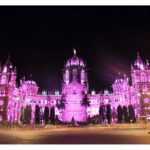
I love the rare, low-crowd photo moment at CST (Victoria Terminus), plus the stop at Panjarpole, a cow welfare sanctuary for more than 350 cows. The day ends with a classic South Indian breakfast that keeps the energy up for the ride back into the day.
One thing to consider: this is active. You’ll cycle about 14 km over roughly three hours, and you’ll want basic cycling skills (gearless bikes, adjustable seating).
In This Review
- Key highlights I’d plan around
- Why dawn cycling is the best way to see South Mumbai
- Meeting at Cusrow Baug and getting safely kitted up
- Gateway of India to CST: photos without the crowd crush
- Crawford Market and Mumbadevi Temple: where daily life spills into the route
- Panjarpole cow sanctuary: a welfare-focused stop with real meaning
- Marine Drive promenade and Sassoon Docks: sea air and port reality
- The route back to Colaba and the Madras Cafe breakfast reset
- Price and value: why $37 is more than a bargain here
- Effort level, skills, and who this tour suits best
- What to bring (and what to skip) for a smooth morning
- Should you book the Mumbai early morning bicycle tour?
- FAQ
- What’s included in the early morning bicycle tour?
- How long is the tour and how much cycling is involved?
- Where do we meet in Mumbai?
- Is hotel pick-up or drop-off included?
- What should I wear and bring?
- Is the tour okay for children or infants?
Key highlights I’d plan around
- CST (Victoria Terminus) facade with breathing room for photos and sightseeing
- Panjarpole cow sanctuary visit focused on welfare, not a quick look-and-go
- Mumbadevi Temple in the middle of morning rituals and foot traffic
- Marine Drive promenade along the Arabian Sea for sea-breeze stops and views
- Sassoon Docks walk-through for port life atmosphere and color
- South Indian breakfast included, timed right after the ride
Why dawn cycling is the best way to see South Mumbai
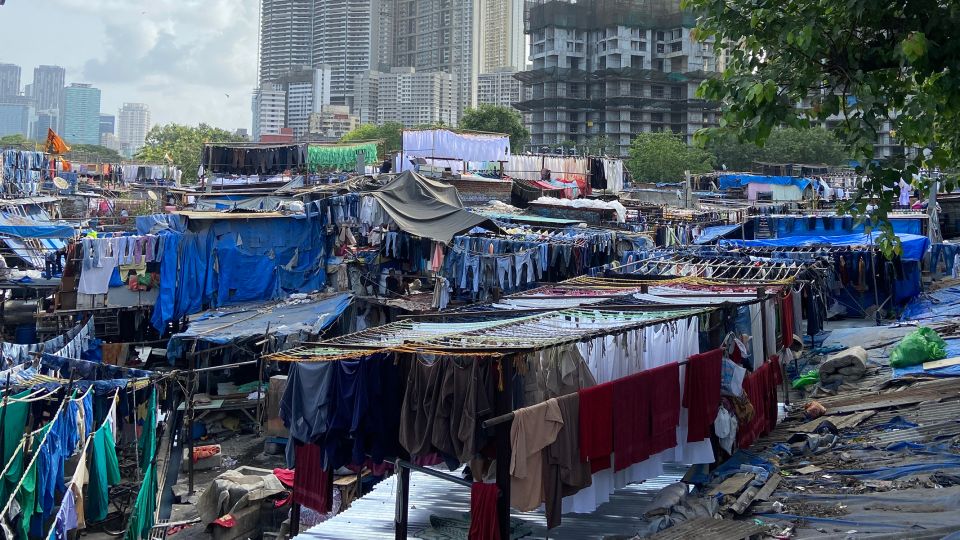
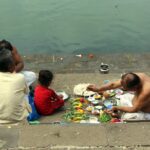
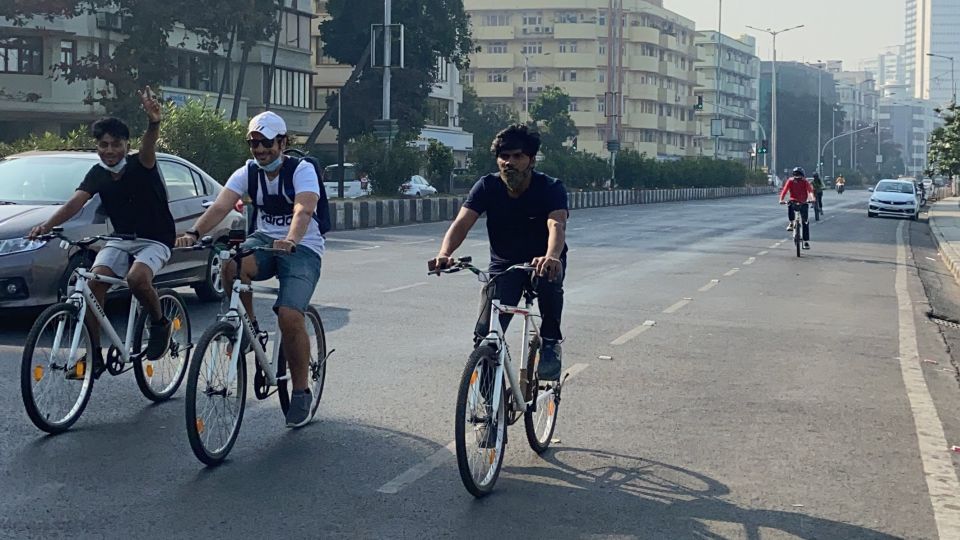
Mumbai at sunrise is calmer than you expect. Streets feel almost local-only: people are jogging, devotees are out for morning puja, and some folks are still sleeping along the pathways. That shift in mood matters, because you experience the city at walking speed, not through the blurry rush of midday traffic.
The tour timing also gives you better sightlines. Instead of wrestling crowds at major landmarks, you see them when the city is just waking up. You’ll spend time at the big names—then you’ll also slip into back lanes where you can actually notice textures: old facades, small storefronts, murals, and street rhythms you’d miss from a vehicle.
And yes, it’s a bike tour, so you’re not stuck in air-conditioning while the city passes by. You can smell things. You can hear the morning. You can feel the breeze when you hit the seafront.
You can also read our reviews of more tours and experiences in Mumbai
Meeting at Cusrow Baug and getting safely kitted up
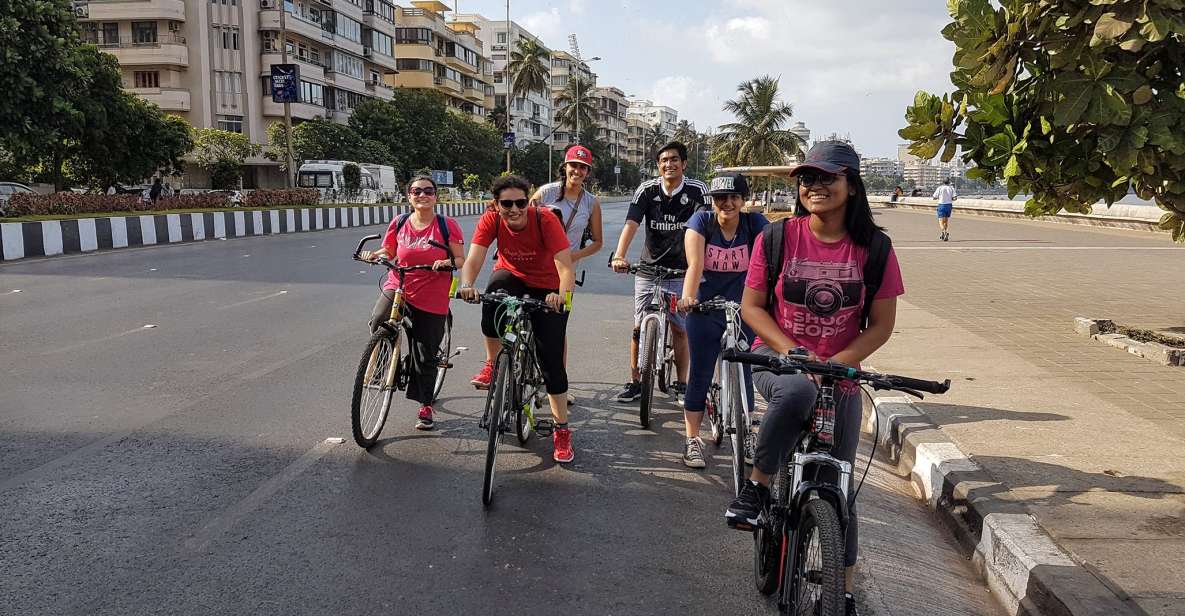
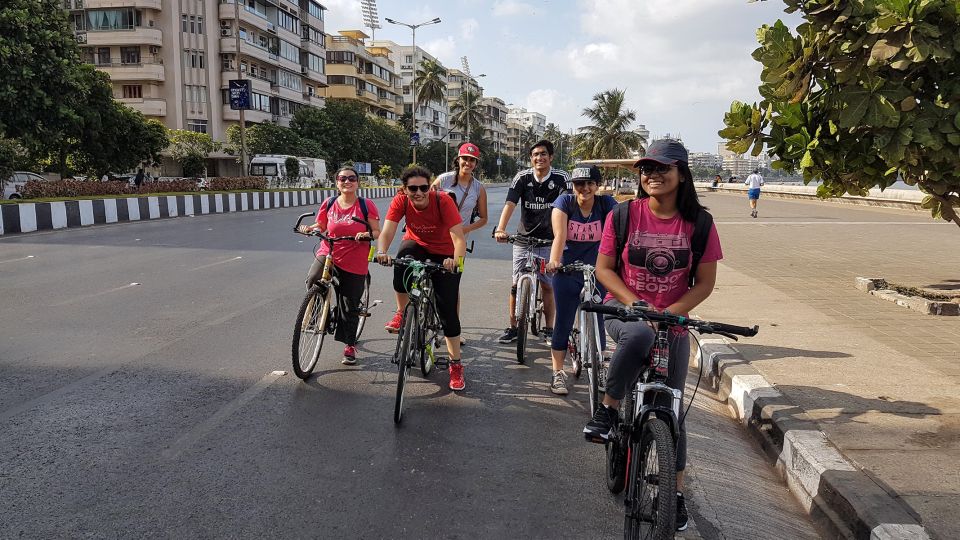
You meet at Cusrow Baug, near Colaba Causeway, close to RUOSH Colaba and Cafe Churchill. The guide meets you at the entrance, so you’re not stuck guessing where the group is supposed to gather.
Cycling setup is simple and practical:
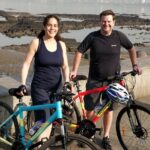
- Helmets are provided for everyone.
- You ride gearless bikes with adjustable seating.
- There’s a guide with the group and a second guide riding at the back whose job is to watch everyone.
I like this structure because it changes the vibe. You can focus on the ride and the sights without constantly wondering whether you’re falling behind.
Also plan for the start time. Depending on the season, it can be chilly at the beginning. Bring comfortable clothes you can layer—once you’re moving, you’ll warm up, but early on you’ll feel the cool.
Gateway of India to CST: photos without the crowd crush
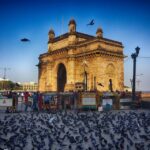
Right after you set off, you hit the Gateway of India area for a short stop and guided look. Even if you’ve seen it in photos before, seeing the structure at morning hour feels different. The surrounding streets are quieter, so you can take pictures without constant sidestepping.
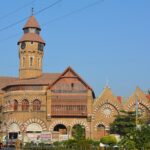
Next comes CST (Victoria Terminus), which is one of those sights you can’t fully understand until you’re close to it. This stop is built for viewing and photographing. The tour also gives you context while you’re there, so you’re not staring at stonework like it’s just scenery.
For me, the big value of CST in the morning is the pacing. You’re not rushing. You can actually look—angles, details, the way the facade sits in the city. Then you roll onward while the morning still feels open.
Crawford Market and Mumbadevi Temple: where daily life spills into the route
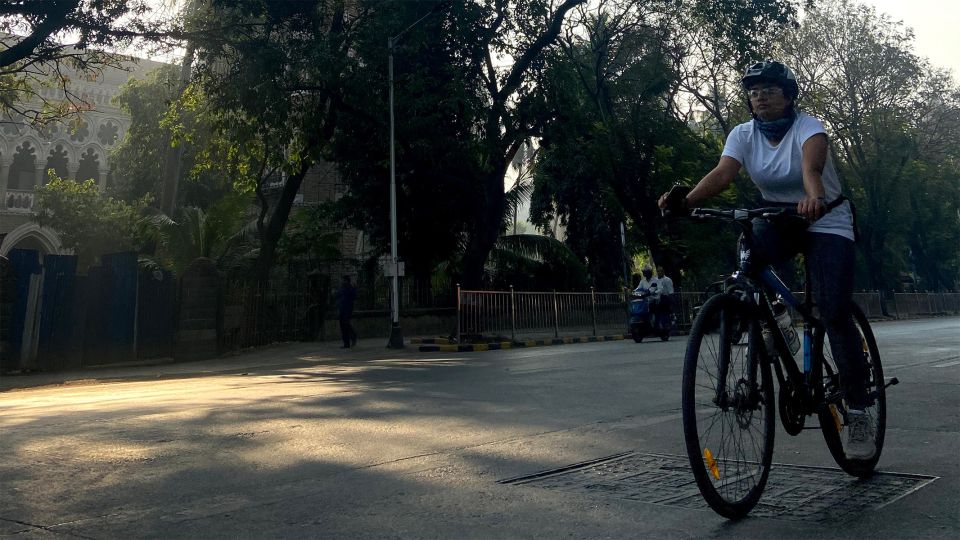
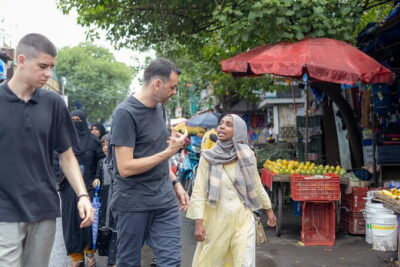
As you head through South Mumbai’s older lanes, the route shifts from “major landmark mode” to “life-in-motion.” You stop at Crawford Market, giving you time to sightsee and absorb the area at walking-browsing speed.
Markets in Mumbai don’t just show products; they show how people work and trade. In the morning, you tend to get cleaner sightlines than later in the day. You’ll also likely notice the smells and activity building, which is part of why this tour is so satisfying even for people who don’t normally love markets.
Then you visit Mumbadevi Temple. This isn’t presented as a quick photo checkpoint. You’re given time to see what’s happening in and around the temple space and understand the significance in a guided way.
The temple stop also adds texture to the whole morning: you go from civic landmarks to sacred space, with devotees carrying out puja and early risers moving through the area. It’s one of those contrasts that makes the city feel real.
Panjarpole cow sanctuary: a welfare-focused stop with real meaning
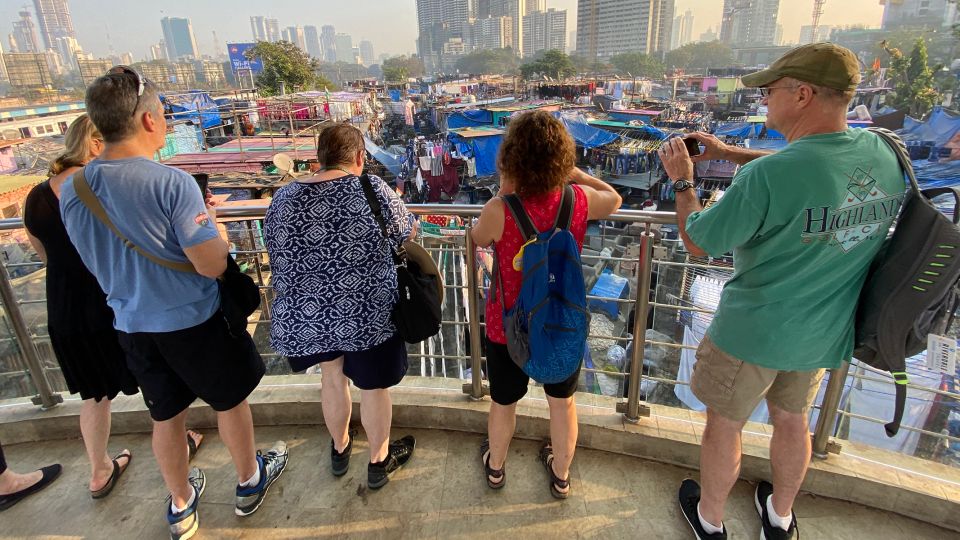
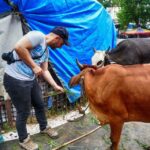
This is the emotional heart of the tour for many people. The route includes Bombay Panjrapole, a sanctuary for the welfare of more than 350 cows.
What makes this stop work is the tone. It’s not framed as entertainment. It’s a welfare-focused visit inside a place where animals are cared for. If you’re the type who likes meaningful pauses during sightseeing, you’ll appreciate having time set aside for this rather than racing past it.
It’s also a break from the dense city energy. After temple and market bustle, the sanctuary can feel calmer and slower. You’ll likely watch how people interact, and you’ll notice the space is organized around animal care.
Just remember: keep it respectful. This is about welfare, not selfies at any cost.
Marine Drive promenade and Sassoon Docks: sea air and port reality
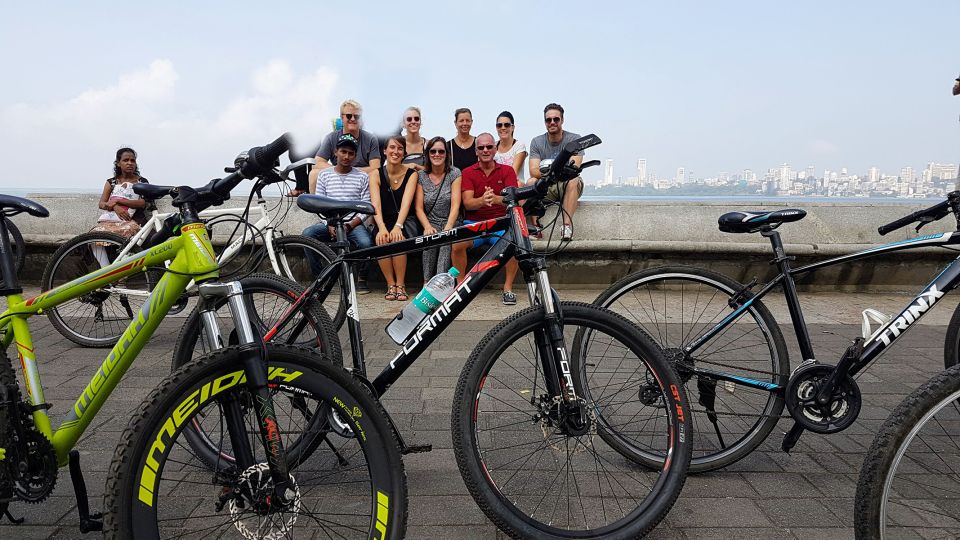
After the sanctuary and temple stops, you roll into the seafront segment of the day. You get time at Marine Drive, including photo stops and guided sightseeing along the promenade. If you’ve ever looked at Marine Drive in daytime photos, seeing it early changes everything. The sea breeze hits faster, and the view feels more open.
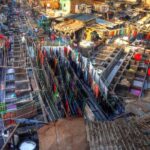
Then you head to Sassoon Docks. This is where the tour adds local texture. Docks aren’t just about scenery—they’re about work, weather, and practical routines. The stop is structured for visiting and sightseeing, giving you time to see the port atmosphere rather than just passing by the coastline.
I like this pairing: Marine Drive for the classic sea views, then Sassoon Docks for the working-city perspective. Together they give you a broader sense of Mumbai than the standard “one shoreline photo, next stop” approach.
The route back to Colaba and the Madras Cafe breakfast reset
You return toward Cusrow Baug Colony, where you get a guided close. There’s also a short on-foot segment near the end, just a few minutes, that helps transition from cycling back into the final part of the morning.
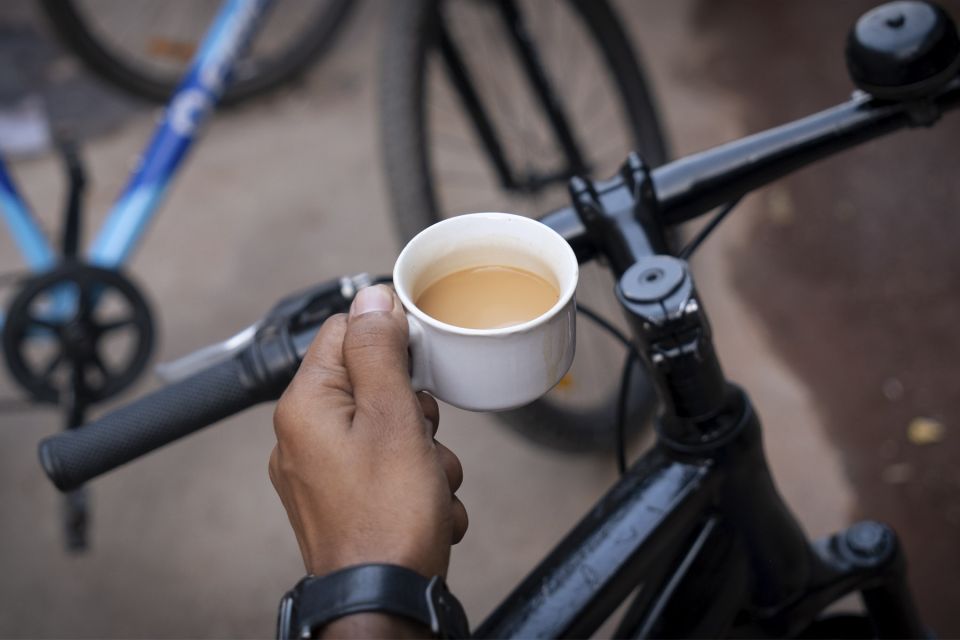
Then it’s time for breakfast at Madras Cafe, a break that includes South Indian classics like dosa, idli, upma, and more. This matters for comfort and value. A full morning ride can make you hungry fast, and it’s nice when the included meal is local and filling rather than a token snack.
Breakfast also gives the day a natural rhythm. You can cool down, chat with your guide, and absorb what you just saw while it’s still fresh.
If you want to keep enjoying Mumbai after the tour, this is also a smart start. You’ll leave with a better sense of where things are, how neighborhoods connect, and what’s worth returning to later.
Price and value: why $37 is more than a bargain here
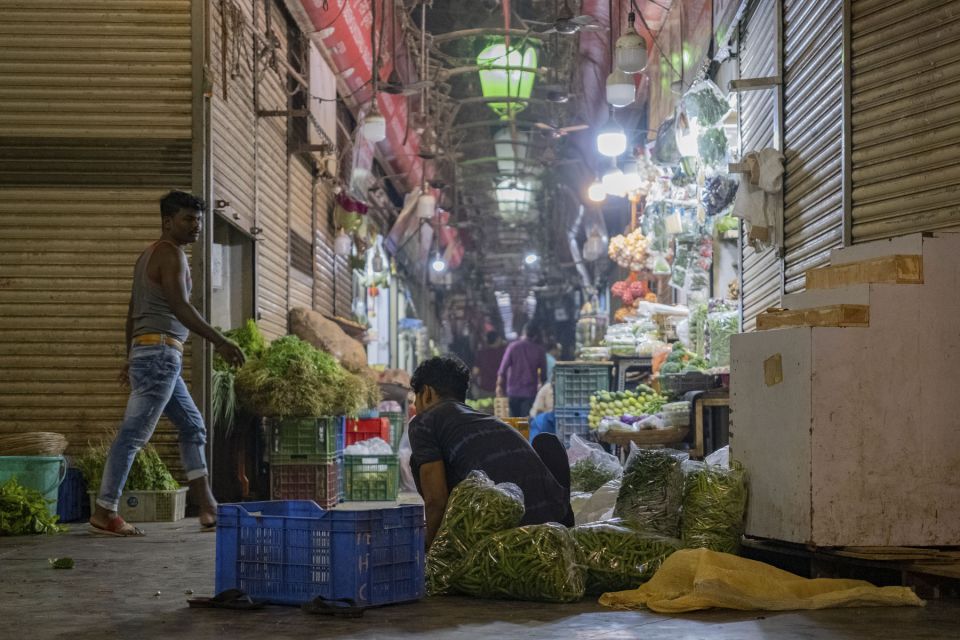
At $37 per person for about four hours, this tour is priced like a “pay for convenience + pay for experience” activity. You’re not just renting a bike—you’re buying:
- an English-speaking local guide,
- helmet and bicycle,
- guided sightseeing through multiple South Mumbai areas,
- and a proper South Indian breakfast.
For many travelers, bikes are only half the deal. The real value is the route planning and timing: you get iconic landmarks (Gateway of India, CST, Marine Drive) and you also get stops that feel more lived-in (Crawford Market, Mumbadevi Temple, Panjarpole, Sassoon Docks). That mix is hard to replicate on your own early in the day without a lot of research.
Also, the tour includes safety structure (two guides, helmets, group riding), which is important when you’re on busy streets even in the morning.
If you like active sightseeing and you want to feel connected to the city instead of insulated in a car, this price starts to feel very fair.
Effort level, skills, and who this tour suits best
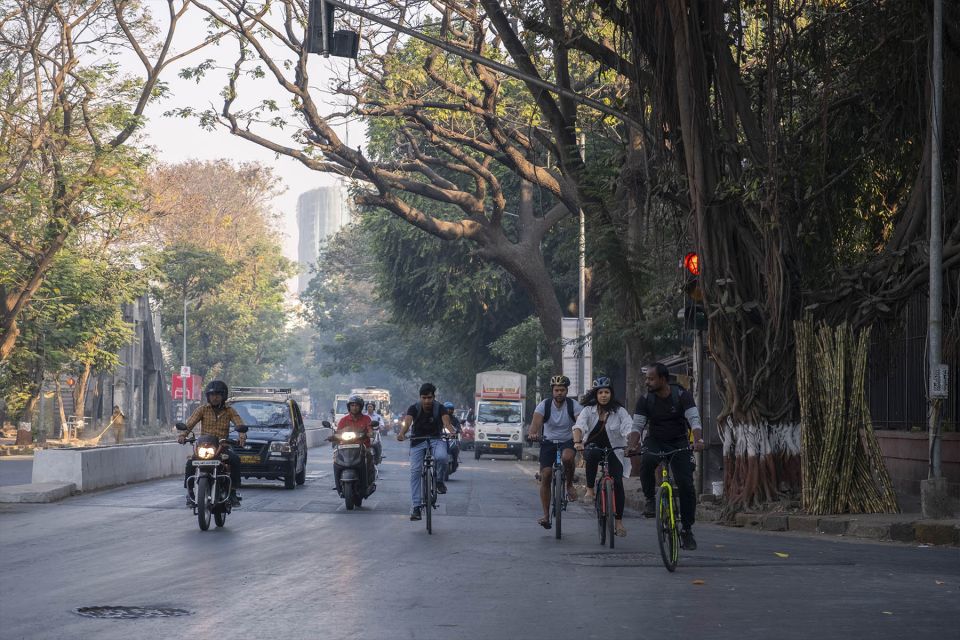
This tour isn’t for toddlers or anyone wanting a fully relaxed stroll. You need basic cycling skills, and the distance is about 14 km, covered over around three hours with frequent stops.
That makes it ideal for:
- adults and older teens who can ride comfortably for short stretches,
- travelers who like history and city life but also want movement,
- people who prefer early access to landmarks without peak crowds.
It’s also a good fit for solo travelers because private group options exist and guides are there to keep everyone together.
For families: it’s recommended for children aged 7 and above. Baby seats aren’t provided for infants, and smaller cycles may be provided on request.
One more practical point: because bikes are gearless with adjustable seating, the fit is usually straightforward, but you’ll want to tell the guide if you need seating adjusted so you’re comfortable for the ride.
What to bring (and what to skip) for a smooth morning
Bring:
- comfortable shoes (you’ll do some walking and short on-foot time),
- a camera (this route is photo-friendly, especially early at CST and Marine Drive),
- comfortable clothes, preferably in layers.
Skip anything that will slow you down. This is a working morning ride, and the best photos come when you’re not fiddling with bags and straps every stop.
Also, expect a bit of cool air at the beginning depending on the season. Layers solve that quickly.
Should you book the Mumbai early morning bicycle tour?
If you want Mumbai at human speed, I’d book it. This tour gives you that “city is waking up” feeling while hitting major South Mumbai anchors like Gateway of India and CST, then adding meaningful local stops like Panjarpole and Sassoon Docks. The included breakfast is a smart way to end strong.
Book it if:
- you’re comfortable riding a bike for about 14 km,
- you like early starts and cooler morning air,
- you want both iconic sights and daily-life Mumbai.
Think twice if:
- you don’t have basic cycling confidence,
- you prefer sightseeing that’s mostly walking with zero bike time,
- you’re traveling with an infant who would need a baby seat (not available).
FAQ
What’s included in the early morning bicycle tour?
You get a local English-speaking guide, a bicycle, a helmet, and breakfast.
How long is the tour and how much cycling is involved?
The total experience lasts about 4 hours. It covers roughly 14 km of cycling over about 3 hours, with frequent stops.
Where do we meet in Mumbai?
You meet at Cusrow Baug in Colaba Causeway, near RUOSH Colaba and Cafe Churchill. The guide meets you at the entrance to Cusrow Baug.
Is hotel pick-up or drop-off included?
No. The tour does not include hotel pick-up and drop-off, though the tour ends with drop-off at two locations including Madras Cafe.
What should I wear and bring?
Wear comfortable clothes and bring comfortable shoes and a camera. Dress in layers because the early morning start can be chilly depending on the season.
Is the tour okay for children or infants?
The tour is recommended for children aged 7 and above. Baby seats can’t be provided for infants.