REVIEW · MUMBAI
Jewish Heritage and Mumbai Highlights Private Full-Day Tour
Book on Viator →Operated by Jewish India Tours · Bookable on Viator
Mumbai’s Jewish corners have real people behind them. This 5-hour private tour stitches Jewish heritage into Mumbai’s everyday streets, with stops at key synagogues and stories about Jews living alongside Hindu and Muslim neighbors.
I love how the guide turns landmarks into living context, not just dates on a plaque. I also like the personal stories that guides can share, including accounts from Hanna or Joshua about family rituals and what Jewish life in Mumbai feels like.
One possible drawback: it’s a tight schedule, and there’s no lunch built in. If you hate being hungry while riding through traffic, plan a snack before you go.
In This Review
- Key highlights (the stuff you’ll remember)
- Why Mumbai’s Jewish Sites Feel Real (Not Like a Script)
- Five Hours, Eight Stops: How the Timing Actually Plays Out
- Victoria Terminus: Where the Trip Starts With Big-City Drama
- Magen David Synagogue: The Only Daily Minyan Stop on the Route
- Tiphereth Israel Synagogue: Active Jewish Community Life in Motion
- Keneseth Eliyahoo Synagogue: Architecture With the Sassoon Family Story
- Dhobi Ghat: A 15-Minute Look at Laundry as a Living System
- Mani Bhavan Gandhi Museum: Historical Context Without a Full Museum Day
- David Sassoon Library and Reading Room: Philanthropy You Can Still Feel
- Gateway of India: The Harbor View That Closes the Loop
- Price and Value: What You’re Paying For at $106.87
- Guides Make the Difference: Hanna vs. Joshua Style Energy
- Who Should Book This (and Who Should Rethink It)
- Should You Book This Jewish Heritage Tour?
- FAQ
- How long is the Jewish Heritage and Mumbai Highlights private tour?
- What time does the tour start?
- What’s the price per person?
- Is pickup and drop-off included?
- What’s included in the price?
- Is lunch included?
- Which synagogues are part of the tour?
- Is there an entry fee for the places on the route?
- Is this tour private or shared?
- What’s the cancellation policy?
- Confirmation and ticket details
Key highlights (the stuff you’ll remember)

- Daily minyan at Magen David Synagogue and a synagogue experience that feels like it’s still part of the day-to-day rhythm
- Fort-area synagogues with strong architecture stories, including Keneseth Eliyahoo and its Sassoon family connection
- Dhobi Ghat photo-stops at work-scale, where you see Mumbai’s outdoor laundry culture up close
- Gandhi’s Mani Bhavan in the middle of the day, a useful pause that broadens the historical lens
- A blend of sacred sites and city landmarks, from synagogues to Victoria Terminus and the Gateway of India
- Pickup, air-conditioned transport, and bottled water, so you spend more energy listening and looking, less energy managing logistics
Why Mumbai’s Jewish Sites Feel Real (Not Like a Script)
Mumbai can feel like a place where religions share space without becoming stereotypes. This tour leans into that idea right away: you’re not just touring buildings. You’re hearing how Jewish families have lived peacefully alongside Hindu and Muslim neighbors.
What makes it work is the pacing and the way the guide frames each stop. You move from a major Victorian landmark to synagogues where Jewish community life continues. Then you shift to everyday Mumbai with Dhobi Ghat, and back to national history with Mani Bhavan. It’s a clever way to connect identity, place, and daily life in one day.
And yes, the guide matters. In the stories shared by Hanna and Joshua, you get the sense that Jewish heritage here isn’t only something “in the past.” It’s something that people carry in routines, celebrations, and community memory. That personal angle is one of the biggest reasons the reviews are so strong.
You can also read our reviews of more private tours in Mumbai


Five Hours, Eight Stops: How the Timing Actually Plays Out
This is about 5 hours total, starting at 9:30 am. It’s private, so it’s only your group in the vehicle, and you get pickup and drop-off from your accommodation.
You’ll ride an air-conditioned car between stops, and bottled water is included. That’s practical in Mumbai’s heat, especially when you’re moving quickly. Most of the listed visits are short (roughly 15–30 minutes). The good news: that keeps energy up. The trade-off: you don’t get long, slow museum-time at any single site.
Admission is free for the places covered. That makes budgeting simpler—you’re mostly paying for guiding, time, and transport, not ticket hassles.
If you’re the type who likes photos plus questions, this schedule can feel just right. If you prefer wandering and lingering, you may wish there were more time at fewer stops.
Victoria Terminus: Where the Trip Starts With Big-City Drama
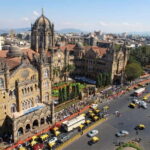
The tour kicks off with Victoria Terminus. You drive past the Victorian streetscapes, including Mumbai University and the station itself. The area is famous in pop culture too—Victoria Terminus was filmed in Slumdog Millionaire—so it lands fast with people who know the scene.
Even though the stop is only about 20 minutes, you’re getting two things for your time:
- a major landmark to anchor the day
- a sense of how European-era architecture shaped Mumbai’s identity
Practical tip: keep your camera ready before you’re out the door. This is one of those places where the best shots happen during quick transitions—cars stop, you stand, and you get moving again.
Magen David Synagogue: The Only Daily Minyan Stop on the Route
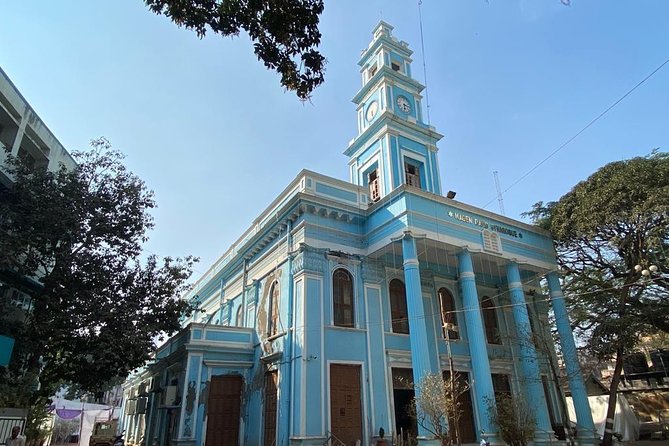
Next is Magen David Synagogue, visited for about 30 minutes. This is the only synagogue on the route that has a daily minyan.
For context, a minyan is the group size required for many communal prayer services. Hearing that it happens daily changes the feeling of the visit. You’re not treating the building like a historical prop. You’re walking into a place that supports real, ongoing community practice.
This stop is also a good example of how the tour balances architecture with people. You’re guided to look beyond the exterior and understand why the synagogue’s role matters.
Time is short here, so ask questions early if you have them. A good guide will read your interest level and steer the conversation accordingly.
Tiphereth Israel Synagogue: Active Jewish Community Life in Motion
The tour then moves to Tiphereth Israel Synagogue, also around 30 minutes. This is described as one of the city’s most active Jewish centers.
That word active isn’t fluff. In a city where history can turn into a background noise, it helps to visit a site that still functions as a community hub. You get a stronger sense of continuity—how traditions survive when there’s work to do and people to serve.
In terms of what you should watch for: listen for the guide’s explanation of what makes this center active and how it supports community needs. If you focus only on photos, you’ll miss the best part.
You can also read our reviews of more historical tours in Mumbai


Keneseth Eliyahoo Synagogue: Architecture With the Sassoon Family Story
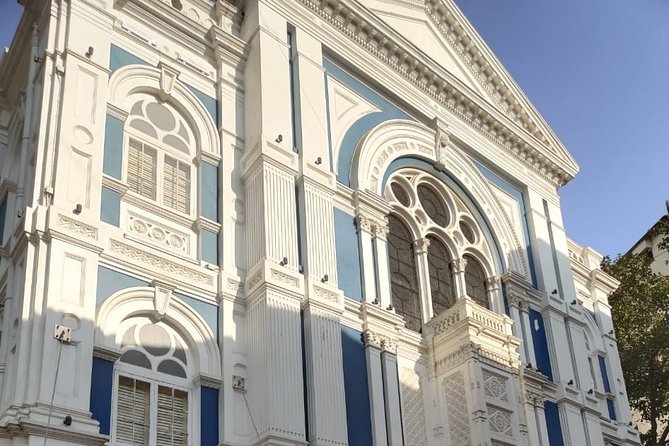
One of the most striking stops is Keneseth Eliyahoo Synagogue, built in 1884 by Jacob Sassoon in memory of his father, Elias Sassoon. You’ll spend about 30 minutes here.
This synagogue is located in the Fort area and is described as one of the most magnificent structures around there. That’s a bold claim, but it fits the logic of the building’s backstory. Patronage like this often creates architecture that’s meant to last, and that can make the experience feel almost like stepping into a family monument—except it’s still part of living religious life.
If you want to make the visit more meaningful, don’t just look. Ask your guide what the Sassoon connection means in terms of how the community organized itself and how major benefactors influenced public religious space.
Dhobi Ghat: A 15-Minute Look at Laundry as a Living System
Next up is Dhobi Ghat, a massive outdoor laundry. The visit is about 15 minutes—short, but it’s built to be a quick sensory jolt after the quiet emphasis of synagogues.
This stop works because it shows Mumbai as a working city, not only a heritage city. You see a large-scale process in public view. Even if you don’t love photos, it’s the kind of place where your brain understands how a city keeps running through ordinary labor.
Because it’s brief, arrive mentally ready to look fast. The most interesting scenes tend to happen in motion.
Mani Bhavan Gandhi Museum: Historical Context Without a Full Museum Day
You then head to Mani Bhavan Gandhi Museum, about 30 minutes. It’s dedicated to Mahatma Gandhi, so it broadens your understanding of India beyond the Jewish story you’ve been focused on.
This is a helpful break in the itinerary because it shifts from community heritage to national historical influence. Gandhi’s presence in Mumbai connects the city to larger movements, and it also gives your guide an opportunity to frame how communities interacted across time.
One practical consideration: 30 minutes can feel like a blink in museum terms. Treat it like a focused orientation stop—enough to understand why Mani Bhavan matters, not enough to read every panel.
David Sassoon Library and Reading Room: Philanthropy You Can Still Feel
After that comes David Sassoon Library and Reading Room, about 20 minutes. The library was built in honor of David Sassoon, a well-known Baghdadi philanthropist.
Even if you’re not a book person, this stop is worth it because it shows a different kind of heritage. Synagogues tell one story. Libraries tell another: education, community support, and long-term investment in public knowledge.
If you want the visit to land, listen for what the guide says about David Sassoon’s role and how philanthropy shaped Jewish community institutions. That’s the kind of detail that makes a “reading room” feel like more than a quiet space.
Gateway of India: The Harbor View That Closes the Loop
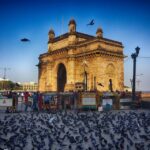
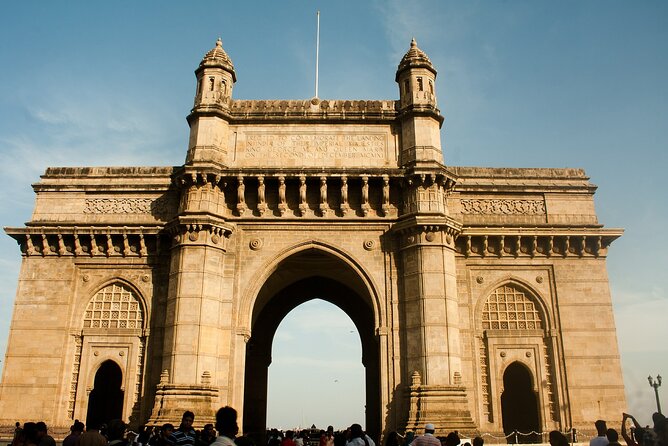
The tour finishes with a drive to the Gateway of India, with time to take in views overlooking Mumbai harbour for about 30 minutes.
The Gateway works as a closing note because it’s big and cinematic, the kind of landmark people can instantly orient themselves with. More importantly, it ties the city’s identity—trade, migration, and global connections—back to the earlier stops that reflect how communities formed and survived here.
If you’re hoping for photos, this is where you slow down. By now you’ve watched architecture, seen community life, and viewed everyday labor. A harbor overlook is a good way to exhale before you head back.
Price and Value: What You’re Paying For at $106.87
At $106.87 per person, you’re paying for a guided private experience that includes:
- an English-speaking guide
- an air-conditioned vehicle
- bottled water
- pickup and drop-off from your accommodation
- applicable tax
- and visits where admission isn’t an added cost for the covered sites
The big value is that you’re not assembling the logistics yourself in a city as complex as Mumbai. The day is built around short, intentional stops, so the guide’s planning and routing save you time and confusion.
What’s not included is lunch. That’s the main budget gap. I’d treat this as a morning-heavy experience and plan a snack or simple meal strategy before you leave. It keeps the day comfortable and helps you stay focused on the sites instead of hunting food between stops.
Guides Make the Difference: Hanna vs. Joshua Style Energy
A standout theme in the best feedback is the guide personality. In the names mentioned, Hanna and Joshua both come across as warm, friendly, and deeply connected to the material.
What I like about this for your decision: you’re not just buying facts. You’re buying a human communicator. The personal angle comes through in how they share family rituals and lived experience as Jews in Mumbai, which adds meaning to what you’re seeing and makes the stops feel less like a checklist.
That said, the tour does note that a local Jewish guide is subject to availability. If you’re picky about guide style, this is worth keeping in mind. Still, the overall consistency in reviews suggests the experience is designed to work well in many guide matches.
Who Should Book This (and Who Should Rethink It)
This tour is a great fit if you want:
- Jewish life in Mumbai, told through real places like synagogues and community institutions
- a short day that still gives you multiple anchors: Fort-area landmarks, Gandhi context, and harbor views
- a guide who can connect religion, identity, and city life in plain language
You might skip or adjust your expectations if:
- you want long stays in fewer locations
- you plan to spend most of the day shopping or wandering without structure
- you can’t handle a schedule with quick stops and no lunch break
If you’re balancing a packed Mumbai itinerary, this is the kind of tour that gives you a strong thematic focus without eating your whole day.
Should You Book This Jewish Heritage Tour?
If Jewish heritage in Mumbai is on your list, I think this is a strong booking. The value is clear: private transport, a guide, multiple key sites, and a route that connects sacred history with daily city life—without pretending the subject is only something from the past.
Just go in with one expectation: it’s fast and focused, not slow and museum-like. Bring comfortable clothes for moving between stops, and plan food so you don’t lose your attention.
If you can do that, you’ll come away with more than photos. You’ll understand how a community’s story lives in buildings, institutions, and the surrounding city.
FAQ
How long is the Jewish Heritage and Mumbai Highlights private tour?
It’s approximately 5 hours.
What time does the tour start?
The start time is 9:30 am.
What’s the price per person?
The price is $106.87 per person.
Is pickup and drop-off included?
Yes, pickup and drop-off from your accommodation are included.
What’s included in the price?
It includes an air-conditioned vehicle, an English-speaking experienced guide, bottled water, pickup and drop-off, and presently applicable tax.
Is lunch included?
No, lunch is not included.
Which synagogues are part of the tour?
The tour includes visits to Magen David Synagogue, Tiphereth Israel Synagogue, and Keneseth Eliyahoo Synagogue.
Is there an entry fee for the places on the route?
The tour notes that entry fees are not included, and for the places covered there is no entry fee applicable.
Is this tour private or shared?
It’s private. Only your group will participate.
What’s the cancellation policy?
Free cancellation is available up to 24 hours in advance of the experience’s start time for a full refund.
Confirmation and ticket details
You should receive confirmation within 48 hours of booking, subject to availability, and the tour uses a mobile ticket.