REVIEW · MUMBAI
Mumbai: South Mumbai Heritage Walking Guided Tour
Book on GetYourGuide →Operated by Mumbai Dream Tours · Bookable on GetYourGuide
South Mumbai has a way of turning sidewalks into lessons. This guided heritage walk links Marine Drive with heavyweight sights like Chhatrapati Shivaji Terminus, and the guide explains what you’re actually looking at. You get a clear sense of how colonial-era design, institutional buildings, and iconic monuments fit together as one story.
I especially love the architecture focus. You’re not just ticking off landmarks like St. Thomas’ Cathedral and Flora Fountain; you learn why places like Watson’s Hotel matter for cast-iron architecture in India. And I like how the guides lean into conversation: I’ve seen names like Sanika, Krishna, Ketan, and Alan bring the route to life with patient answers and real enthusiasm.
One consideration: this is a walking route, so it’s best with solid shoes and the willingness to move at city pace for a few hours. If you’re sensitive to crowds, plan for busy sidewalks around major landmarks.
In This Review
- Key things you’ll notice on this South Mumbai Heritage Walk
- Why South Mumbai feels like an open-air museum
- Price and time: does $28 make sense for this route?
- How the walking route holds together (and why that matters)
- Chhatrapati Shivaji Terminus: the UNESCO stop that changes how you see trains
- Town Hall (Asiatic Society Library) to St. Thomas’ Cathedral: colonial institutions with character
- Marine Drive and Flora Fountain: where the stories feel public
- University of Mumbai, Bombay High Court, and Kala Ghoda’s art-district energy
- Watson’s Hotel: cast iron that you can actually see working
- Taj Mahal Palace and the Gateway of India: big icons, guided so they feel real
- What makes the guides stand out in practice
- Tips to get more out of the walk (without overthinking it)
- Who should book this South Mumbai heritage walking tour?
- Should you book this tour?
- FAQ
- How much does the Mumbai South Mumbai Heritage Walking Guided Tour cost?
- How long is the tour?
- What language are the guides?
- Which UNESCO World Heritage Site is included?
- What are some of the main stops on the route?
- Does the tour focus on architecture?
- Who operates the tour?
- Can I book and pay later?
- What is the cancellation policy for a full refund?
Key things you’ll notice on this South Mumbai Heritage Walk
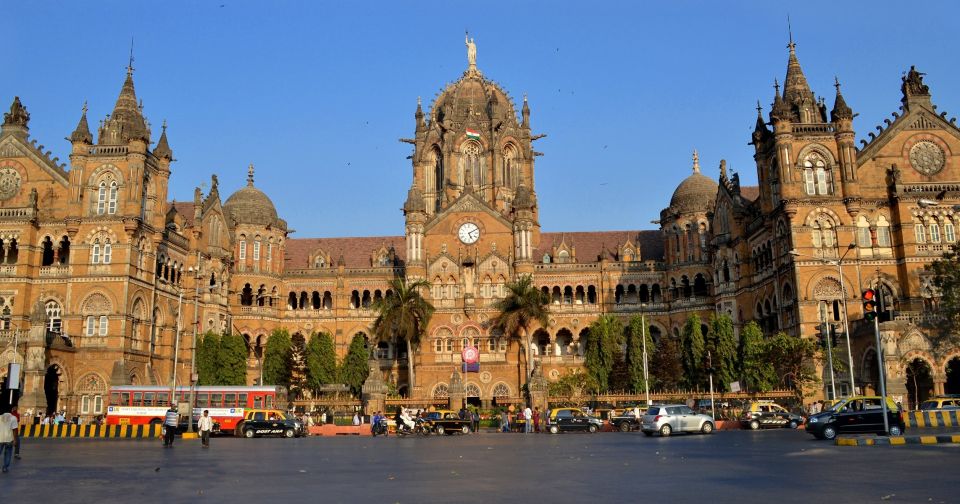
- UNESCO on your route: Chhatrapati Shivaji Terminus is a World Heritage train station stop.
- Cast iron with a story: Watson’s Hotel is the earliest surviving cast-iron architecture in India.
- Colonial institutions, explained: Town Hall (Asiatic Society Library), University of Mumbai, and Bombay High Court get context.
- Iconic monuments, not random photos: Flora Fountain and the Gateway of India are framed with the why behind the wow.
- Guides matter: from Krishna to Ketan, you’ll get a learning-first, Q-and-A friendly pace.
Why South Mumbai feels like an open-air museum
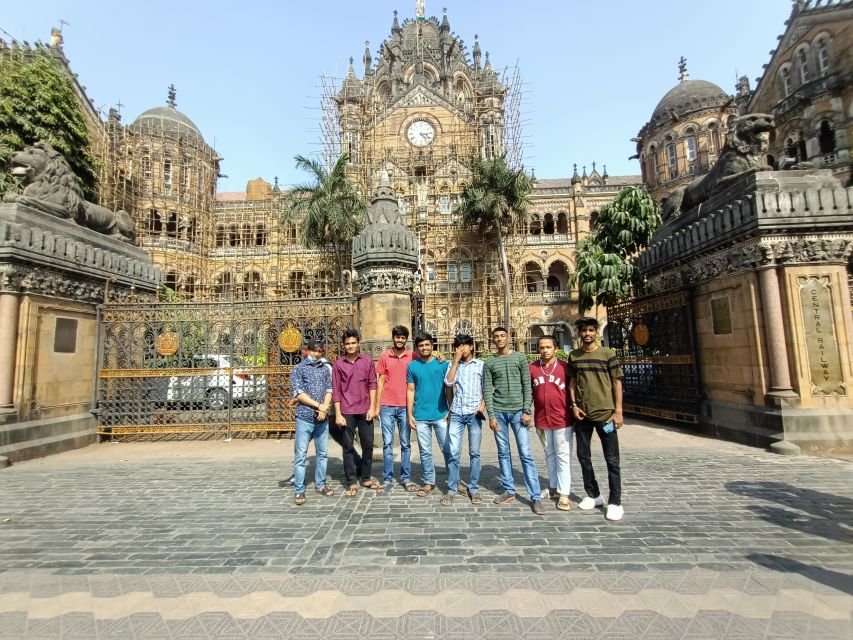
South Mumbai is compact enough to explore on foot, but it’s not empty. You’re walking through layers: grand civic buildings, places tied to religion and education, and big public monuments that locals still use as reference points. The fun is that everything looks connected once a good guide shows you the pattern—different eras, different design ideas, same streets.
The tour’s core strength is the architecture angle. It’s built around the idea that buildings aren’t just backdrops. They reflect planning choices, ornamental details, and the social and cultural shifts that brought them into being. That makes stops like St. Thomas’ Cathedral and Bombay High Court more than scenic moments.
You can also read our reviews of more walking tours in Mumbai


Price and time: does $28 make sense for this route?
At $28 per person, this tour is priced like a value play for first-time visitors. You’re paying for three things that are hard to DIY quickly: a structured route across major South Mumbai landmarks, a guide who can explain what you’re seeing, and time saved from trying to connect architectural dots on your own.
The route is also built for efficiency. You hit top sights in a single walk, including the UNESCO World Heritage site at Chhatrapati Shivaji Terminus, plus major heritage stops through Colaba-area highlights like Taj Mahal Palace and the Gateway of India. Even if you’re the type who normally moves fast, a guide helps you slow down in the right places.
So the real question is your travel style. If you like wandering with a purpose and asking questions, $28 is a bargain. If you hate walking and just want snapshots, you might feel the cost more than the value.
How the walking route holds together (and why that matters)
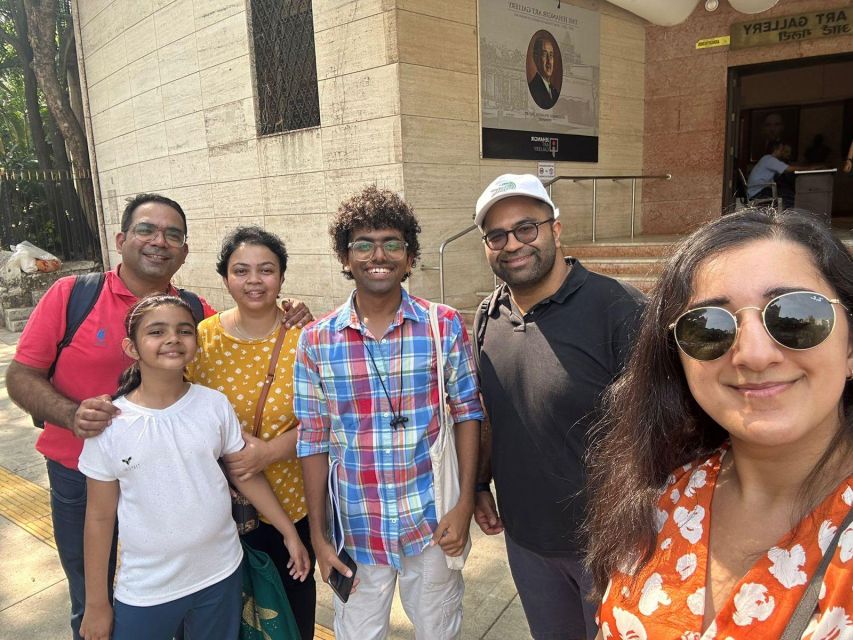
This isn’t a random stroll. The route connects big anchors—train station, libraries, cathedral, monuments—with intermediate “explainable” buildings in between. That matters because South Mumbai is full of impressive structures that you’d otherwise pass without understanding.
You’ll also learn how the area is divided in concept. The tour talks about Old Mumbai and the colonial-era geography that shaped what’s around you today. That’s helpful because it turns confusing streets into a mental map.
A practical note: since you’re on foot through city blocks, it helps to dress for walking and keep your pace steady. Many people find the route easiest when they treat it like an educational walk rather than a race to the next postcard.
Chhatrapati Shivaji Terminus: the UNESCO stop that changes how you see trains
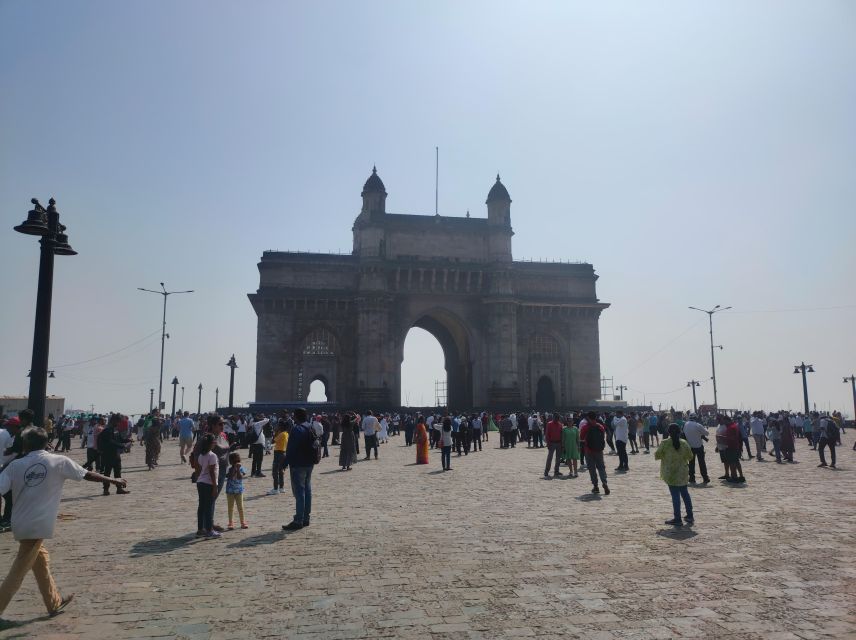
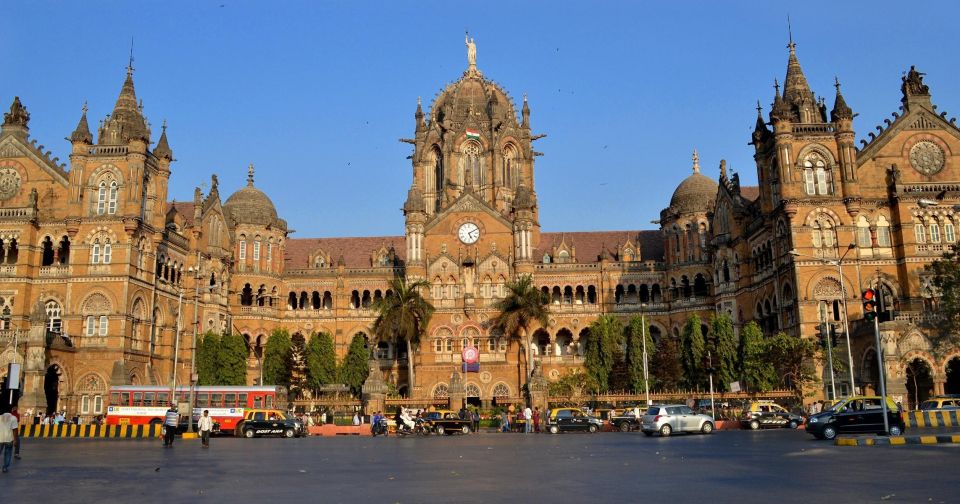
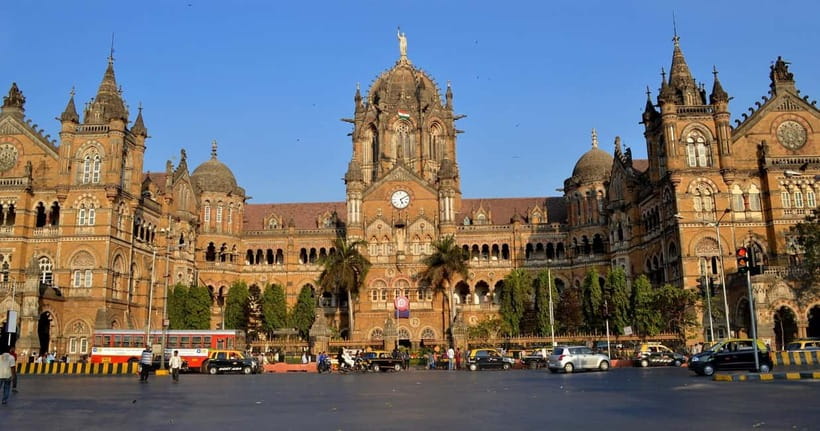
The tour’s showpiece is Chhatrapati Shivaji Terminus, widely regarded as one of the most beautiful train stations in India—and it’s also a UNESCO World Heritage Site. Even if you’re not a rail fan, this is the kind of structure that rewards attention.
What makes this stop valuable is the way a guide can reframe it. A station can look like just a transportation hub, but the stories around UNESCO recognition and architectural design help you see the station as a landmark built to project identity and ambition. You also get a strong “starting note” for the rest of the walk—when you begin here, the later institutional buildings feel less scattered.
If you’re short on time in Mumbai, this one stop alone can justify joining the tour, because it’s a dense combination of architecture + global recognition.
Town Hall (Asiatic Society Library) to St. Thomas’ Cathedral: colonial institutions with character
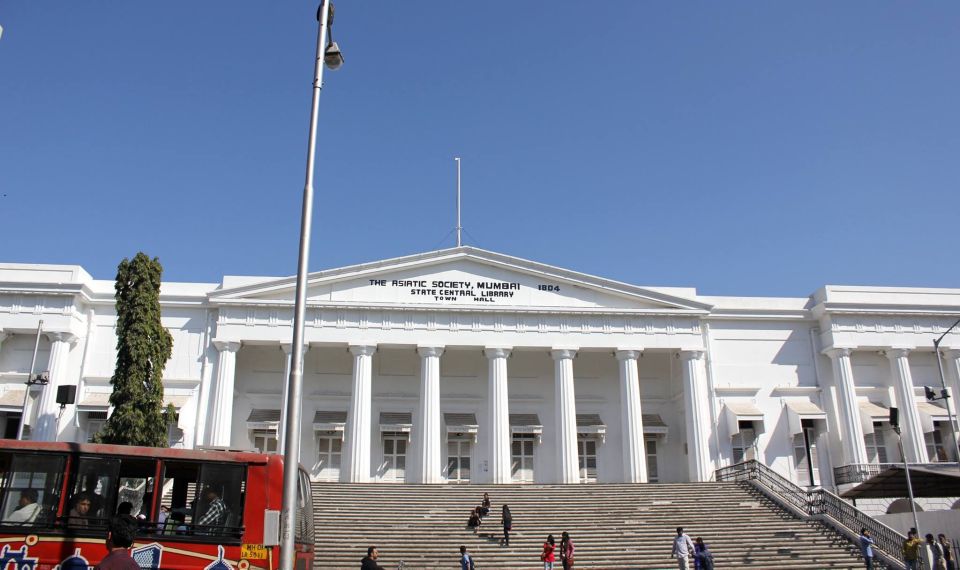
From civic learning spaces to religious architecture, this section shows how different kinds of buildings can share design logic from the same era.
At Town Hall (Asiatic Society Library), you’re looking at a colonial structure that’s among the oldest libraries in town. Libraries are quietly dramatic. The guide’s job is to translate the building into something meaningful: why it was built, what it signaled, and how it fits into the idea of education as a public project.
Then the walk turns toward St. Thomas’ Cathedral, described as a 300-year-old cathedral church. It’s tied to the Diocese of Mumbai of the Church of North India. With a good guide, this stop goes beyond calling it old. You start noticing the architectural cues that give it its identity—and you understand it as part of Mumbai’s long religious and cultural timeline.
Drawback to keep in mind: cathedrals and historic institutional spaces can draw crowds. If you want uninterrupted photos, you’ll do better when you’re focused on the details your guide points out rather than trying for perfect empty-frame shots.
You can also read our reviews of more guided tours in Mumbai





Marine Drive and Flora Fountain: where the stories feel public
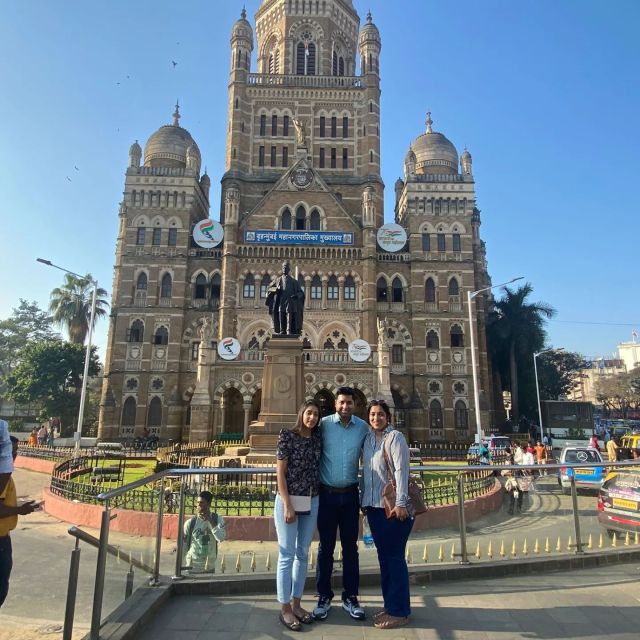
Two of the most recognizable “in the open” sights are Marine Drive and Flora Fountain, and they work well in a walking format. You don’t just look—you learn how these landmarks function as part of street life.
Flora Fountain was built in 1864 and depicts the Roman goddess Flora. That one fact opens a door. A fountain isn’t only decorative; it’s public art that reflects the cultural influences of the time. A guide helps you see the symbolism and connect it back to the era shaping South Mumbai’s built environment.
Marine Drive is a major visual anchor along the seafront side of South Mumbai. The guide’s explanations help you understand how the area became known for promenades and views, and why the drive is still a reference point.
If your goal is to take photos, plan for the fact that this area can be busy. Aim to enjoy the walk itself, not just the image.
University of Mumbai, Bombay High Court, and Kala Ghoda’s art-district energy
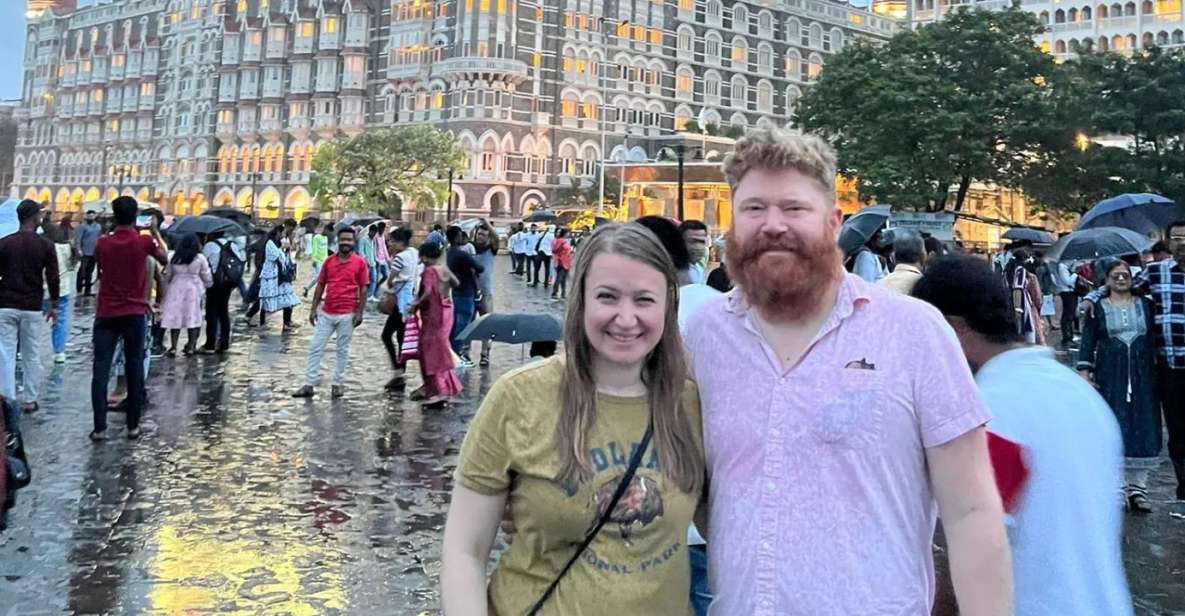
The tour doesn’t skip the “serious buildings.” The University of Mumbai is included as one of the oldest and premier universities in India. That gives you a chance to think about how education shaped the skyline—and how institutions can influence the surrounding street character.
Next is Bombay High Court, described as one of the oldest high courts in India. Legal buildings often look intimidating from the outside, but architecture carries clues about formality, authority, and civic identity. With a guide speaking through those cues, the building stops being background.
Then you move into Kala Ghoda, a crescent-shaped art district with several heritage buildings. This is where the walk can feel especially satisfying, because you switch from education and law to culture and creative activity. Even if you’re not planning to enter museums, the exterior architecture makes the area worth slowing down for.
Watson’s Hotel: cast iron that you can actually see working
Watson’s Hotel is one of the most distinctive stops because it’s the earliest surviving example of cast-iron architecture in India. That’s not a trivia detail; it changes what you look for.
Cast iron is about industrial capability expressed as design. When a guide points out the features, you can start noticing the “why” in the structure. You’ll likely look at the building differently afterward—less like a historic landmark you walked past, more like an engineering story dressed as architecture.
This is also a good stop for questions. If you like to understand how materials and methods shape what you see, you’ll get a lot out of this segment.
Taj Mahal Palace and the Gateway of India: big icons, guided so they feel real
The later part of the tour leans into iconic landmarks. The idea isn’t just to stop for photos. It’s to understand what makes these places famous.
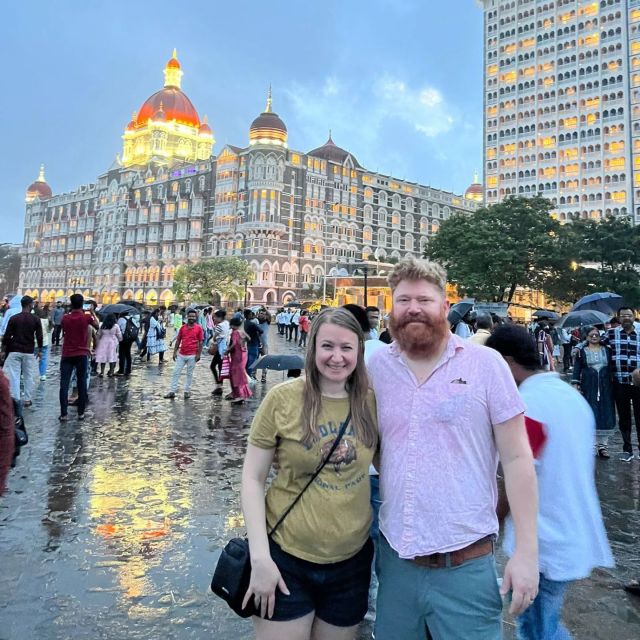
You’ll pass by Hotel Taj Mahal Palace, described as a heritage five-star luxury hotel in the Colaba area of Mumbai. Even from the outside, heritage hotels can feel like they’re built for spectacle. A guide helps connect that spectacle to the historical role Colaba played and the cultural significance of major landmarks in the area.
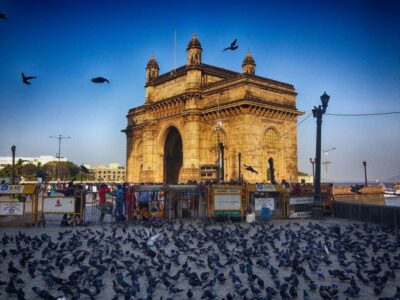
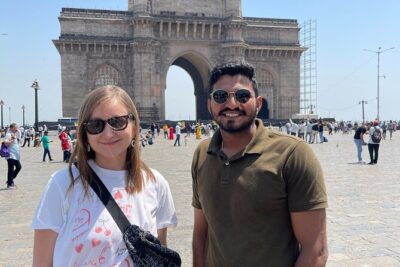
Then comes Gateway of India, an arch-monument built in the early 20th century. It’s one of those sites where the first sight always hits, but the second sight is where meaning matters. With context, you understand why it became a symbol and how it connects to the broader South Mumbai story you’ve been learning step by step.
What makes the guides stand out in practice
The biggest pattern I see in how this tour performs is guide energy—real people, real pacing, and lots of follow-up questions.
You might end up with Sanika, who people describe as warm and able to explain Mumbai’s history so it feels simple. You could meet Krishna, who’s highlighted as giving lots of information and details. Or you might get Ketan, who brings enthusiasm and answers questions with a sincere vibe, including an academic interest in areas like Indian literature and archaeology. Other names that have led these walks include Abhi, Alan, and Alkama.
The value here isn’t just facts. It’s that the guide helps you notice. The route becomes a guided set of “look for this” moments—architectural details, planning clues, and the social context behind key landmarks.
If you like a conversation style, this tour tends to work well. It’s also a strong choice if you’re new to Mumbai and want someone to help you not walk past important things with no explanation.
Tips to get more out of the walk (without overthinking it)
- Wear comfortable shoes you don’t mind breaking in. This is a walking tour, and you’ll be on foot through multiple heritage stops.
- Bring questions. The guides clearly enjoy explaining, and you’ll get more out of stops like Town Hall and Bombay High Court when you ask what to look for.
- Focus on details instead of only big photos. Flora Fountain’s specific Roman-goddess theme and Watson’s cast-iron significance are the type of facts that make a stop memorable.
- If you’re traveling solo or want a personal pace, the tour’s flexible, conversation-friendly feel can help. (Some groups are smaller depending on the day.)
Who should book this South Mumbai heritage walking tour?
This fits best if you:
- Want an organized introduction to South Mumbai’s most important heritage sites
- Enjoy architecture and want context for what you see
- Are visiting for the first time and want a guide to build your mental map fast
- Prefer walking + explanation over museum-only days
It might be less ideal if you:
- Strongly dislike walking or crowds around major landmarks
- Only want quick exterior photos and don’t care about architectural context
Should you book this tour?
If you’re spending only a short time in Mumbai, this is one of the smarter ways to get value. For $28, you’re getting a structured route through major heritage anchors: UNESCO at Chhatrapati Shivaji Terminus, colonial-era institutions like Town Hall (Asiatic Society Library), the long-lived presence of St. Thomas’ Cathedral, and signature landmarks including Flora Fountain, Kala Ghoda, Watson’s Hotel, Taj Mahal Palace, and Gateway of India.
I’d book it if you want the city to make sense while you’re still exploring. And I’d skip it only if your ideal day is mostly sit-down sightseeing with minimal walking.
If you do book, set your expectation as a guided street-learning experience. The payoff comes when you look at the same buildings later and recognize the design logic behind them.
FAQ
How much does the Mumbai South Mumbai Heritage Walking Guided Tour cost?
It costs $28 per person.
How long is the tour?
It runs for about three hours.
What language are the guides?
The tour is offered in English.
Which UNESCO World Heritage Site is included?
Chhatrapati Shivaji Terminus is included, and it is a UNESCO World Heritage Site.
What are some of the main stops on the route?
The tour includes Chhatrapati Shivaji Terminus, Town Hall (Asiatic Society Library), St. Thomas’ Cathedral, Flora Fountain, the University of Mumbai, Bombay High Court, Kala Ghoda, Watson’s Hotel, Hotel Taj Mahal Palace, and the Gateway of India.
Does the tour focus on architecture?
Yes. The walking program is designed to raise awareness of Mumbai’s architecture and heritage monuments, and the tours highlight architectural styles, planning elements, and ornamental details.
Who operates the tour?
The experience provider is Mumbai Dream Tours.
Can I book and pay later?
Yes, there is a reserve & pay later option.
What is the cancellation policy for a full refund?
You can cancel up to 24 hours in advance for a full refund.