REVIEW · MUMBAI
South Mumbai: Cultural Heritage Walking Tour
Book on GetYourGuide →Operated by Amaze Tours · Bookable on GetYourGuide
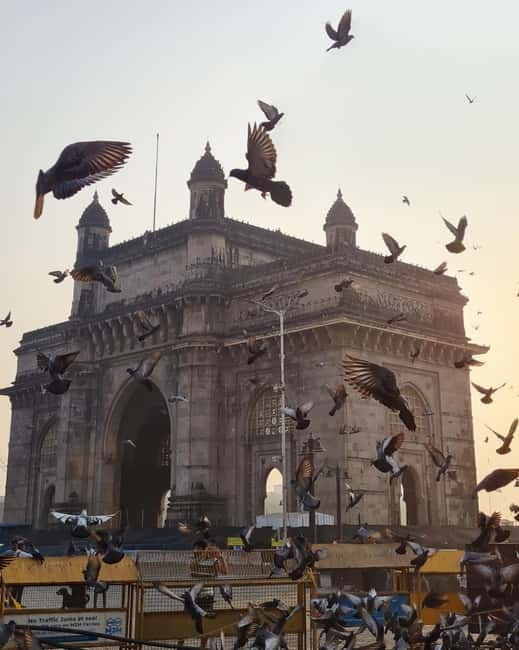
South Mumbai can feel like a movie set, if you know where to stand. This Heritage Walking Tour strings together the city’s key landmarks with a calm, guided pace, plus chai and UNESCO CSMT. I really like how the route mixes famous sights with less-obvious buildings you’d miss wandering on your own. I also like that the group stays small (max 6), so questions don’t get swallowed. One possible drawback: it’s a walking tour, and it’s not suitable for wheelchair users, so plan for uneven sidewalks and lots of steps.
You start at the Gateway of India area, then you pass (and briefly learn about) the Taj Mahal Palace Hotel and other standout colonial-era and institutional buildings. The middle of the walk focuses on architecture-heavy streets around Kala Ghoda and Oval Maidan, and you’ll get a short bus ride to Chhatrapati Shivaji Maharaj Terminus (CSMT) at the end. If you like history you can point to—buildings, design styles, and who used them—this format works fast.
Best of all, the tour is led in English by local guides who clearly enjoy the details. In past groups, guides such as Loki, Lokesh, Maze, Dawood, Dinesh, and Ganesh have been praised for clear explanations and helpful answers. Still, do bring your ID and comfortable footwear, because this isn’t a quick photo stop spree.
In This Review
- Key things that make this tour worth your time
- Starting at the Gateway of India: the easiest place to get your bearings
- Taj Mahal Palace Hotel glimpses: fast pass, real context
- Maharashtra Police HQ, Elphinstone College, and David Sassoon Library: institutions with stories
- Kala Ghoda and Oval Maidan: architecture, open space, and the city’s style switch
- Horniman Circle, Asiatic Society Library, and the chai break you’ll remember
- The short bus ride to CSMT: UNESCO-class design, up close
- Price and value: how $16 really plays out
- Who this works for (and who should skip it)
- The guide factor: why names keep showing up in good feedback
- Should you book this South Mumbai heritage walking tour?
- FAQ
- Where do I meet the guide?
- How long is the tour?
- Is the tour in English?
- What’s included in the price?
- Do I get hotel pickup and drop-off?
- How big is the group?
- Is there an ID requirement?
- Are baby strollers allowed?
- Is the tour wheelchair accessible?
- What are my options if my plans change?
Key things that make this tour worth your time
- Small group (max 6), so you actually hear the guide and ask questions
- Chai included, a real taste-break in the middle of the walk
- Guided landmark time at Gateway of India, Kala Ghoda, Oval Maidan, and CSMT
- Design and architecture focus: Gothic and Art Deco Ensembles of Mumbai along the route
- A short bus hop to CSMT, so you don’t waste energy crossing the city
- Three drop-off options near Mumbai Cruise Pirs, CSMT Viewing Stage, and Mumbai port
Starting at the Gateway of India: the easiest place to get your bearings
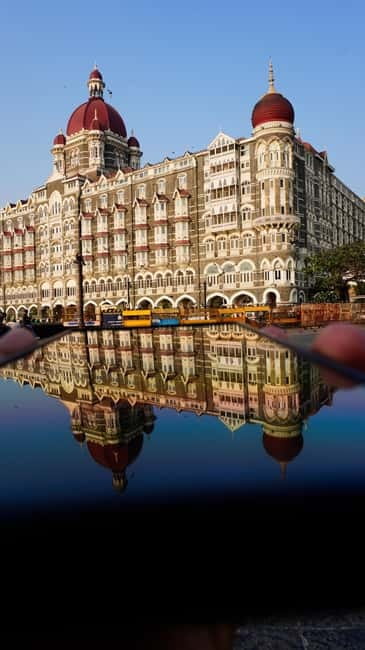
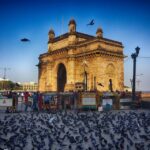
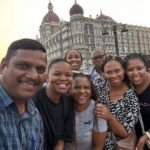
This tour begins by the Pizza Express entrance next to the Gateway of India. It’s a smart meeting point because you’re dropped into the most recognizable starting photo—and you don’t need a complex “find the guide in a side street” scavenger hunt.
From there, you get a guided visit at the Gateway of India (about 20 minutes). That time matters. The Gateway isn’t just a backdrop; it’s a quick on-ramp to understanding how South Mumbai grew into a formal, world-facing city. You’ll walk with a local guide who can connect what you’re seeing to the bigger story of Mumbai’s coastal and civic identity.
Practical tip: if you’re arriving from somewhere else, give yourself a little buffer to get to the meeting spot. South Mumbai can move at a quicker-than-expected pace around the waterfront, and you’ll want to start relaxed instead of rushing.
You can also read our reviews of more walking tours in Mumbai

Taj Mahal Palace Hotel glimpses: fast pass, real context
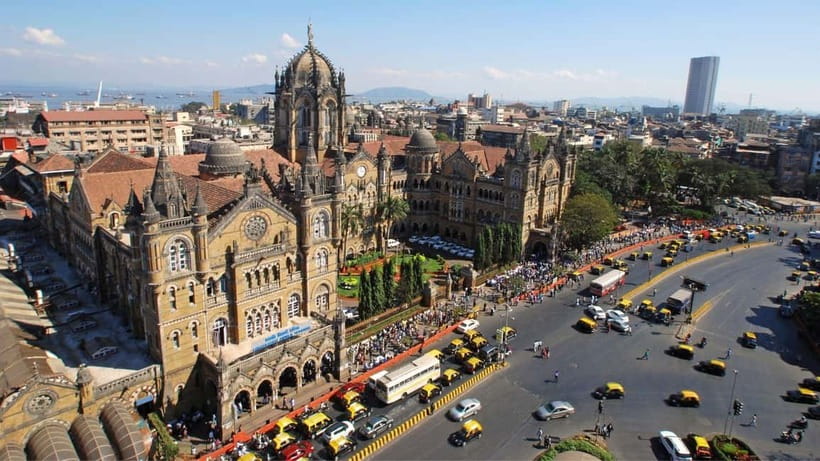
Right after the Gateway area, you’ll pass by the Taj Mahal Palace Hotel for a short window (around 5 minutes). You won’t linger like you’re touring a hotel lobby. Instead, think of it as a visual anchor: this is the kind of landmark that signals how Mumbai puts old and new influences into one skyline.
You’ll keep walking toward other iconic sights nearby, including the Royal Bombay Yacht Club (a short walk). Even though the stops here are brief, the value is that your guide helps you read the buildings as more than pretty facades—who they served, what they symbolize, and how they fit into South Mumbai’s layered evolution.
If you like “quick look, clear explanation,” this section does exactly that. If you hate being rushed, just know the entire tour keeps a steady pace, and several stops are intentionally short.
Maharashtra Police HQ, Elphinstone College, and David Sassoon Library: institutions with stories
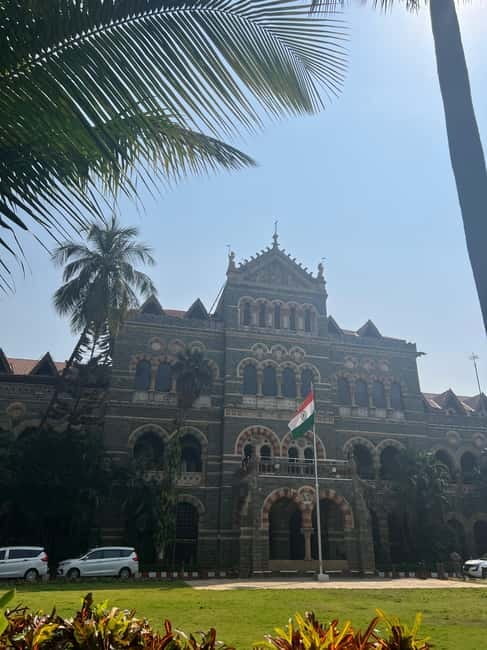
As you move deeper into the heritage core, the tour shifts from postcard landmarks to the kind of buildings that shape everyday city life. You’ll walk past the Maharashtra State Police HQ (listed as Maharashtra Police Headquarters) and then continue toward Elphinstone College.
Elphinstone College gets a short walking stop, but it’s the kind of place where the architecture and the institution’s role can spark bigger questions: how education and civic systems developed, and what kinds of buildings got built to support them. The same idea applies to David Sassoon Library, which you also see on foot.
A fun, practical way to experience this: don’t just look up at facades. Glance at the setting. These buildings sit in a living neighborhood, not a fenced-off “historic district” bubble. That’s a big part of why the walking format works here—you’re absorbing the city as it actually functions.
You’ll also spot the route moving through areas the tour describes as having older palatial connections and a major museum nearby. Even without a long interior visit, it helps you map South Mumbai’s wealth of civic sites onto a walkable pattern you can later revisit on your own.
Kala Ghoda and Oval Maidan: architecture, open space, and the city’s style switch
The real mood shift comes around Kala Ghoda, a historic area that the tour treats as a guided moment (about 15 minutes). Expect Kala Ghoda to be more than a neighborhood name—it’s part of the “read the city” lesson. You’re likely to hear how these streets became known for particular styles and institutions, and why the architecture here is worth slowing down for.
Next up is Oval Maidan, guided for about 10 minutes. This open area helps you reset your eyes after dense building blocks. When a guide points out the details around you—balconies, massing, and the mix of design languages—the square/green space makes it easier to take everything in without feeling squeezed.
The tour also flags the Gothic and Art Deco Ensembles of Mumbai as part of what you’re seeing along the way. That phrase matters because it’s easy to lump “old buildings” into one category. Here, you’re nudged to notice the differences—how styles show up in real streets and not just in museum photos.
Horniman Circle, Asiatic Society Library, and the chai break you’ll remember
Halfway through the route, you get your included cup of chai. This isn’t just a snack stop. It’s a timing tool: you pause, warm up your hands, and then continue while your brain is still in “history mode.” For me, that chai break is one of the easiest ways this tour makes the city feel human instead of purely monumental.
As you continue, you’ll walk around Horniman Circle and the Asiatic Society of Mumbai area (with time built in—about 10 minutes of walking around this zone, plus a larger stop connected to the society). The Asiatic Society of Mumbai and its library space are ideal places to understand Mumbai as a city shaped by learning, publishing, and formal institutions.
You’ll spend enough time here that it doesn’t feel like the guide is dragging you past. The goal is for you to come away knowing what you actually saw and why it mattered—without needing to cram a reading list on your phone afterward.
You can also read our reviews of more historical tours in Mumbai


The short bus ride to CSMT: UNESCO-class design, up close
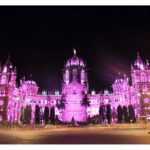
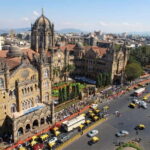
After the walking stretch, there’s a short bus/coach ride (about 10 minutes) to the final highlight. This keeps the tour efficient while still giving you the “real life” effect of ending at the place everyone photographs: Chhatrapati Shivaji Maharaj Terminus (CSMT).
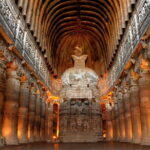
CSMT is where the tour earns its big credibility, since it’s a UNESCO World Heritage Site. You’ll get a guided tour (about 10 minutes), which is short but not useless. The guide’s job here is to point out the design cues that make CSMT more than a train station. It’s a statement building—meant for arrivals, departures, and the idea of Mumbai as a connected, global city.
And then you’re done in a way that’s practical: the tour ends with three drop-off locations—Mumbai Cruise Pirs, CSMT Viewing Stage, and Mumbai port. That flexibility helps if you’re heading to a cruise area, staying near CSMT, or continuing your day somewhere else on the waterfront.
Price and value: how $16 really plays out
At $16 per person for about 2.5 hours, this tour is priced like a budget-friendly “best of South Mumbai” plan—but with a key difference: you’re paying for a guide and a structured route, not just access.
You get:
- A local guide who explains what you’re seeing (in English)
- A cup of chai
- A route with multiple guided segments (not only wandering around)
For the money, the big value is efficiency. Instead of spending half your day figuring out which buildings matter and what to look for, you get a sequence that connects landmarks in a way that helps you remember them.
One cost-related consideration: no hotel pickup or drop-off is included. You’ll meet at the Gateway of India area and then get dropped at one of the waterfront/CST-adjacent options. If you’re far from South Mumbai, factor in your own transport time.
Who this works for (and who should skip it)
This tour suits you if:
- You want a short, guided introduction to South Mumbai’s heritage without a long day
- You like architecture, institutions, and learning what buildings represent
- You’re happy walking and want a small-group experience (max 6)
It may not be the best fit if:
- You need wheelchair access (it’s not suitable)
- You’re traveling with a baby stroller (not allowed)
- You dislike city-walking in crowded, sidewalk-heavy areas
Comfort matters. Wear comfortable footwear. Even though many stops are “walk past” moments, the total time on your feet is still real. Also, bring an ID card (a copy is accepted).
The guide factor: why names keep showing up in good feedback
What stands out from the guide performance is consistency in communication. In prior groups, guides such as Loki, Lokesh, Maze, Dawood, Dinesh, and Ganesh were praised for being friendly, answering questions, and explaining the history and architecture with energy.
That matters because Mumbai’s heritage can feel layered and complicated if you’re reading signs and plaques only. A good guide turns it into a usable story you can carry with you after the tour ends—especially at CSMT, where the station’s design details can feel like trivia until someone gives them context.
Should you book this South Mumbai heritage walking tour?
I’d book it if you want a 2.5-hour, small-group way to see major South Mumbai landmarks and still come away with a sense of how the city works historically. The combination of chai, multiple guided stops, and the UNESCO CSMT finish is hard to beat at this price.
I’d hesitate if you’re not comfortable with lots of walking, you need step-free access, or you’re expecting a slow museum-style pace. This is a “see it, walk it, understand it” tour—fast enough to be doable, structured enough to feel rewarding.
If your schedule is tight and you want the best shot at first-time South Mumbai confidence, this is a smart use of time.
FAQ
Where do I meet the guide?
Meet at the entrance of Pizza Express next to the Gateway of India.
How long is the tour?
The tour runs for about 2.5 hours.
Is the tour in English?
Yes, the live tour guide speaks English.
What’s included in the price?
The tour includes a tour guide, a cup of chai, and the walking tour.
Do I get hotel pickup and drop-off?
No, hotel pickup and drop-off are not included. You’ll meet at the Gateway of India area and end at one of three drop-off locations.
How big is the group?
It’s a small group limited to 6 participants.
Is there an ID requirement?
Yes. Bring an ID card, and a copy is accepted.
Are baby strollers allowed?
No, baby strollers are not allowed.
Is the tour wheelchair accessible?
No, it’s not suitable for wheelchair users.
What are my options if my plans change?
Free cancellation is available up to 24 hours in advance for a full refund, and you may be able to reserve now and pay later depending on availability.