REVIEW · MUMBAI
All inclusive Elephanta Caves Guided Tour
Book on Viator →Operated by Amaze Mumbai Tour · Bookable on Viator
Stairs, sea air, and ancient rock art. This all-inclusive Elephanta Caves guided tour turns a simple ferry ride into a guided walk through UNESCO-listed caves, with the big draw being the enormous three-headed Shiva. I really like that ferry + cave entrance fees are handled for you, so you’re not hunting tickets while you’re on island time.
I also like the way the guide experience shows up in real detail. Guides such as Harish, Daivat, David, Krupesh, and Samir are mentioned again and again for making the carvings make sense, from the 6th–7th century architecture to the stories behind what you’re seeing. The one real consideration: you’ll climb 120 steps to reach the cave plateau, so plan for heat and stamina.
In This Review
- Key highlights worth knowing
- Why Elephanta Caves feel different with a guide
- Gateway of India to Elephanta Island: the ferry ride setup
- The 120 steps to the plateau: how to pace it
- Inside the caves: Shiva, pillars, and 6th–7th century craftsmanship
- A three-cave route: what you’ll see (and what you might not)
- Guide handoffs and group size: getting from ferry to cave smoothly
- Price and logistics: is $50 good value here?
- Timing, crowds, and weather: how to plan your day
- Who this tour is best for
- Should you book the All Inclusive Elephanta Caves Guided Tour?
- FAQ
- How long is the Elephanta Caves guided tour?
- What’s included in the price?
- Where is the meeting point in Mumbai?
- Do I need to climb stairs?
- Is there an entrance fee for children?
- What should I do if the weather is poor?
Key highlights worth knowing
- Island-style guiding with names like Harish, Daivat, and Samir that helps the carvings click
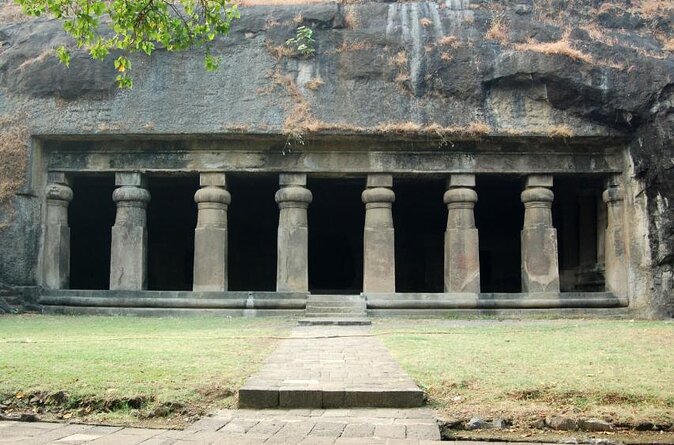
- The three-headed Shiva and pillar-supported halls from the 6th and 7th centuries
- Round-trip ferry from the Gateway of India with a guided handoff on Elephanta Island
- A 120-step climb plus shade along the way, if you take it at a steady pace
- Value at $50 since ferry tickets and entrance are included, though food isn’t
Why Elephanta Caves feel different with a guide
Elephanta Caves are one of those places where signs help, but context changes everything. The caves are carved religious spaces, with Hindu and Buddhist religious sculpture, and the details are easier to read when someone connects the visuals to meaning, symbols, and design choices.
What makes this tour work is that it’s not just a sightseeing drop-off. You get a tour guide who stays with the group and keeps you moving in a way that makes the caves feel like a story instead of random statues in a rock room.
And the biggest “wow” moment is hard to miss. Even before you fully understand it, the massive three-headed Shiva is visually commanding, the kind of sculpture you remember the next day.
You can also read our reviews of more guided tours in Mumbai



Gateway of India to Elephanta Island: the ferry ride setup
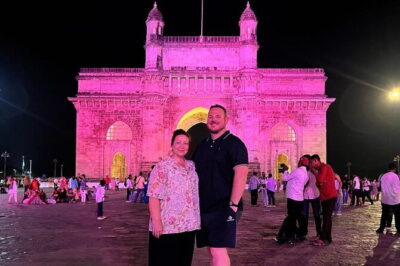
Your tour starts at the PizzaExpress Dhanraj Mahal area in Colaba, right by Apollo Bandar. From there, it’s a straightforward stroll to the ferry, and the point is to get you through the easiest part fast: getting on the water.
The schedule is built around a roughly 1-hour ferry ride to Elephanta Island. On paper that sounds simple; in real life it matters because it shapes your timing for stairs, sun, and crowds. Some days, departures feel a bit “wait-and-go,” since boats can leave when they’re full.
Use the crossing time smart. If the day is clear, you can often get a better sense of the harbor and coastline. If it’s hazy, foggy, or smoggy, don’t worry about losing the view too much—your time is really paid back once you hit the plateau and the caves.
The 120 steps to the plateau: how to pace it
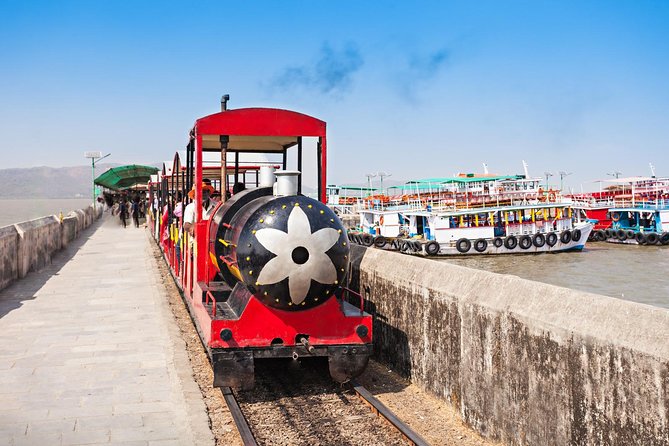
Elephanta isn’t a flat stroll. You’ll climb 120 steps to reach the area where the caves are entered. It’s not a mountain hike, but it is real, especially in Mumbai heat, and the tour is designed for people with moderate physical fitness.
Here’s what helps:
- Take the climb steady and expect a slower pace than you’d use on a flat street.
- Bring water. Even when you think you’re fine, you’ll be glad you did.
- You’ll likely find plenty of stops along the steps, and the route has shaded areas thanks to stalls lining the way.
And yes, be alert once you’re on the island. There are monkeys on Elephanta, and they may try to grab things left loose. Keep your stuff secured—especially water bottles, snack wrappers, or anything dangling from a bag zipper.
Inside the caves: Shiva, pillars, and 6th–7th century craftsmanship
Once you reach the plateau, the tour becomes about reading stone like a language. The caves you visit feature Hindu and Buddhist religious sculptures, and the overall feel is tied to the craftsmanship of the 6th and 7th centuries.
One reason the caves are so famous is the architecture. You can see a spacious hall supported by huge pillars, and those pillars are part of what gives the interior its scale. It’s not only about single statues; it’s about how the space was engineered for worship and storytelling in stone.
Then there’s the main showpiece: the three-headed Shiva. It’s described as huge and unusual, and when you see it in person, the size makes the carving feel almost physical, like it’s changing how you stand and look. With a guide, you’ll usually understand what you’re looking at—how the sculpture fits into the broader religious art of the site.
Another value of guided time: damaged or weathered sections still make sense when explained. Some carvings aren’t pristine, but the structure and layout still tell you how the site was meant to function.
A three-cave route: what you’ll see (and what you might not)
The tour focuses on three caves during your time at Elephanta. That’s a good decision for most people, because the site has multiple major excavations in the wider area (there are seven major excavations noted in the area), and trying to see everything at once would turn this into a rushed stampede.
So if you’re the type who wants to check every room and every carving from corner to corner, you might feel you’re seeing only part of the story. But if you want the best “what matters most” tour of the day, three caves is usually the sweet spot.
The guide structure also helps you understand why some rooms feel different. Some caves are more suited to worship and display; others can feel quieter and more like a place for meditation. Even if you don’t catch everything, you’ll leave knowing what each cave is “for.”




Guide handoffs and group size: getting from ferry to cave smoothly
This tour caps at maximum 20 travelers, which matters more than you might think. Smaller groups mean you spend less time waiting and more time listening.
It also tends to run as a chain of logistics:
- You start from the Colaba meeting point.
- You take the ferry to the island.
- The tour guide helps with getting you into the ferry flow.
- On Elephanta Island, you’re matched with an island guide so you’re not wandering around trying to find the right route.
One review detail I really appreciate: some guides are described as being born and raised on Elephanta Island, including someone like Samir (described as 4th or 5th generation). When that happens, the explanations often sound less like textbook descriptions and more like someone telling you how the site fits into island life and belief.
This is also where photo timing helps. If the light is right, you can find better conditions for shots because you’re not doing everything blindly. With a guide, you’re more likely to be in the right place when a room feels brightest or most legible.
Price and logistics: is $50 good value here?
At $50 per person, the value is solid because the tour includes the big cost drivers:
- Ferry tickets
- Elephanta Caves entrance fees
- A tour guide
Food and drinks are not included, so you’ll still want to plan for water and a simple snack strategy. That can be the only real extra cost you’ll feel, unless you decide to buy extras on the island.
One more value point: entrance fees are noted as free for children under 15. If you’re traveling with kids in that age range, this tour can be a lot easier to price and plan than cobbling together separate tickets and ferry options.
Timing, crowds, and weather: how to plan your day
Elephanta Caves depend on decent conditions. The experience notes it requires good weather, and if weather cancels the tour, you’ll be offered another date or a full refund.
Crowds matter too. If you’re trying to enjoy the caves without constant pressure to keep moving, aim for an earlier departure when possible. Later in the morning, groups can build up around the main areas.
Also keep in mind that the day can stretch. The tour is listed as about 4 to 5 hours, but real-world timing can drift based on ferry loading, how fast your group climbs, and how long you spend inside. Plan like it’s closer to a half day that might run long.
Finally, be ready for the sea side of Mumbai days. The ferry ride back can feel longer depending on wind, and you may notice the experience pacing changes slightly with conditions on the water.
Who this tour is best for
This is a strong fit if:
- You want a guided interpretation of sculpture and architecture, not just photos.
- You like structured half-day plans that handle ferry and entry for you.
- You’re comfortable with a moderate climb and can handle about 120 steps.
If you’re traveling with mobility limitations, this is probably not your best option. The tour specifically calls for a moderate fitness level, and the main access involves stairs to the plateau.
Solo travelers often do well here too. The meeting point is clear, and the tour design keeps you from figuring things out on your own. Just keep an eye on your items around the island, because monkeys can be bold.
Should you book the All Inclusive Elephanta Caves Guided Tour?
If you want the most efficient, least stressful way to see Elephanta, I think this is a good booking. The reason is simple: you get the essentials covered—ferry, entrance, and a guide who helps you understand what you’re looking at.
I’d only hesitate if the idea of climbing 120 steps in warm weather stresses you out, or if you’re set on spending so much time inside that you feel constrained by a three-cave route. For most people, though, this tour hits the right balance of time, context, and value.
If you’re going to Elephanta anyway, go guided, go with a steady pace, and give yourself a little time to look slowly once you’re inside the caves. The payoff is real.
FAQ
How long is the Elephanta Caves guided tour?
It runs about 4 to 5 hours (approx.).
What’s included in the price?
The tour includes a guide, ferry tickets, and Elephanta Caves entrance fees. Food and drinks are not included.
Where is the meeting point in Mumbai?
You meet outside PizzaExpress Dhanraj Mahal, Apollo Bandar, Colaba, Mumbai.
Do I need to climb stairs?
Yes. You’ll climb 120 steps to reach the plateau where the caves are entered.
Is there an entrance fee for children?
Entrance fees are free for children under 15 years old.
What should I do if the weather is poor?
The experience requires good weather. If it’s canceled due to poor weather, you’ll be offered a different date or a full refund.