REVIEW · MUMBAI
Mumbai: Local Transport & Dabbawallah Tour
Book on GetYourGuide →Operated by Reality Tours and Travel Private Limited · Bookable on GetYourGuide
Mumbai moves fast, and you ride along. This Local Transport & Dabbawallah tour is a 3.5-hour street-to-street sampler of real commuting life, from CSMT to Dadar Flower Market and Chor Bazaar, plus a look at the lunch delivery system that keeps the city fed. I especially like the mix of transport that actually shows you how people get around, and I like the market stops that feel practical, not staged.
Two things I really appreciate: you get to spend real time at Dadar Flower Market and Chor Bazaar, and you travel with an English-speaking guide who can make the routine of the day click. If you’re lucky, you might even get a guide like Hitesh, who’s been singled out for strong English and turning transport into an informative experience.
One possible drawback: the route can feel time-tight, with quick stops that may not satisfy you if you want slow wandering and lots of background. Also, while public transport is a core part of the plan, some days may use alternatives like shared taxi time when traffic dictates.
In This Review
- Key highlights worth your time
- A 3.5-hour morning route through real Mumbai
- Regal Cinema to Churchgate: how the logistics actually work
- CSMT: the station that anchors the whole day
- Dadar Flower Market: where the colors meet the schedule
- Dhobi Ghat photo stop: work you can see up close
- Chor Bazaar shopping time: fast browsing with a guide
- The dabbawallah moment: lunch logistics in action
- A viewpoint walk and the drop-off at Churchgate
- Price and value: what $31 covers (and why it’s not just a sightseeing deal)
- Watch outs: when things can feel rushed
- Who should book this tour (and who should skip it)
- Should you book this Mumbai Local Transport & Dabbawallah Tour?
- FAQ
- How long is the Mumbai Local Transport & Dabbawallah tour?
- How much does it cost?
- Where does the tour start?
- What public transport will I use during the tour?
- Are there any major markets or neighborhoods included?
- Will I see the dabbawallahs?
- Is food included?
- Is hotel pickup included?
- What language is the guide?
- Is this tour suitable for strollers or prams?
Key highlights worth your time
- Suburban train + bus + black & yellow taxi so you see Mumbai’s everyday motion
- CSMT, Dadar Flower Market, Dhobi Ghat for iconic sights tied to work life
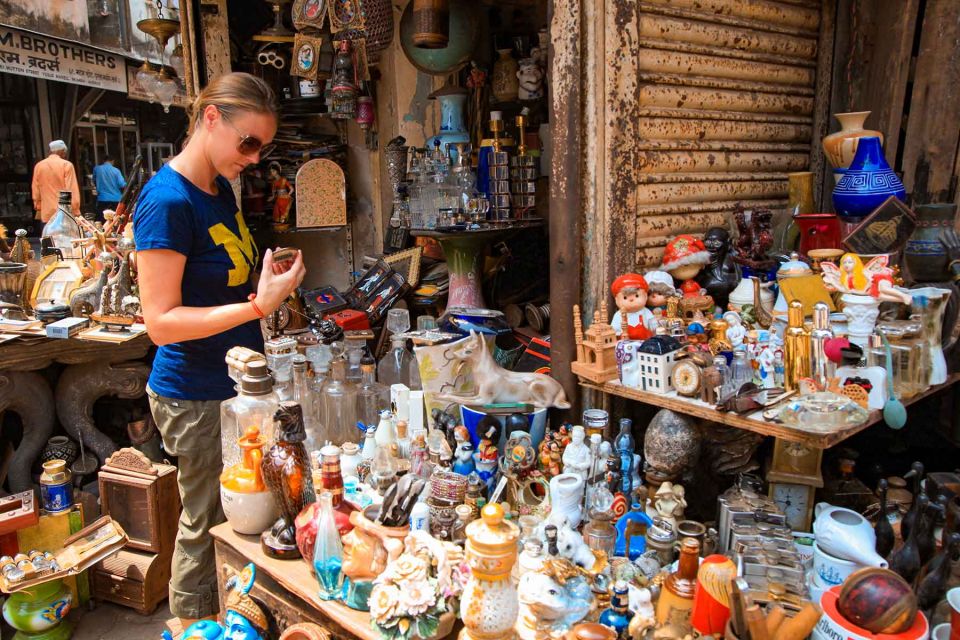
- Chor Bazaar as one of India’s most active flea-market scenes
- Dabbawallahs in action for a behind-the-scenes look at lunch delivery
- Small groups capped at 6 people for less chaos and more attention
- Guided shopping time so you can actually ask before you buy
A 3.5-hour morning route through real Mumbai
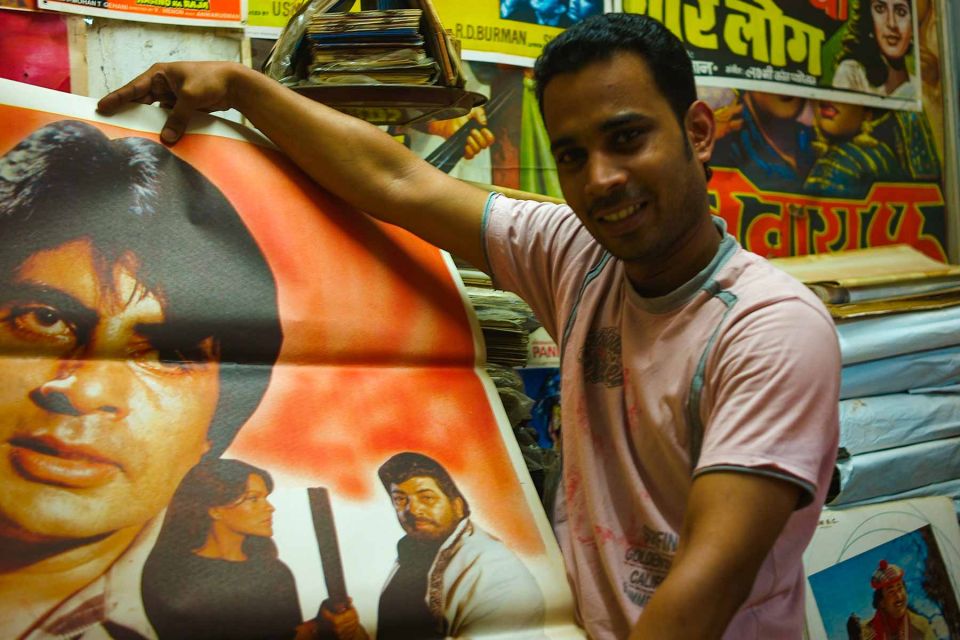
This is the kind of tour that helps you get oriented fast. In just a few hours, you’ll hop between places that locals treat as normal parts of life: stations, markets, and working corners of the city. It’s not built around monument posing. It’s built around movement.
The best part is the way the transport acts like the glue. You’re not just visiting spots; you’re traveling like a working commuter for segments of the day, then stepping off at places where that energy shows up in the streets.
You’ll walk a bit, and you’ll stand. So wear comfortable shoes. Also note that the tour is not set up for prams or strollers, which matters if you’re traveling with kids.
You can also read our reviews of more tours and experiences in Mumbai.



Regal Cinema to Churchgate: how the logistics actually work
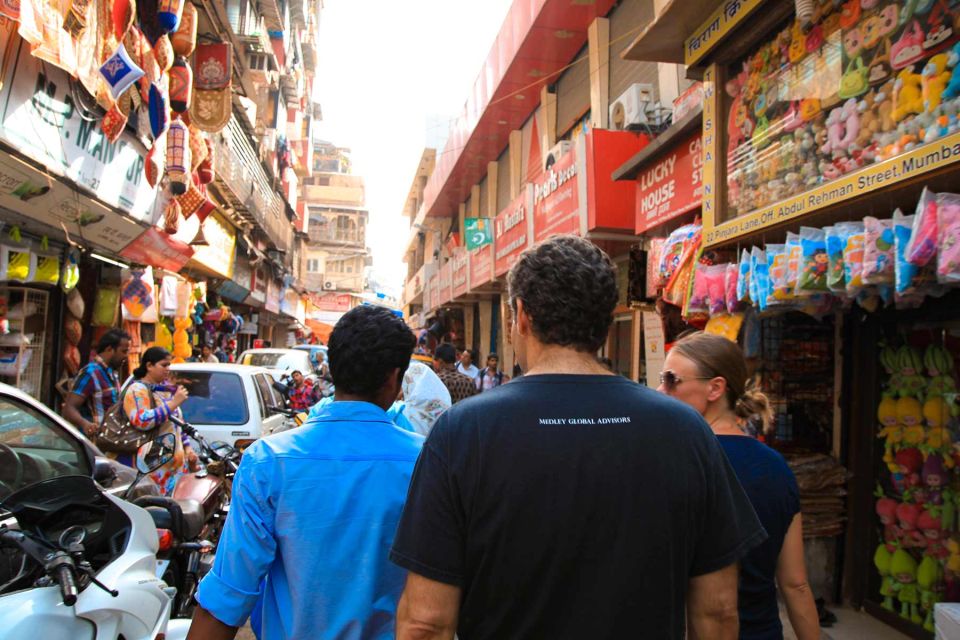
The tour meets at Regal Cinema in one of the starting options (the exact meeting point can vary based on what you booked). From there, you’ll use local transport right away, and the whole day flows with short legs between stops.
You don’t have to arrange hotel pickup, because it’s not included. That keeps the tour simple, but it also means you’ll want to be punctual at the meeting point and ready to travel from there.
Group size is capped at 6 people. The tour is described as a group activity, and you may be joined by other travelers. In practice, this is a sweet spot: small enough for questions, big enough to keep it social.
CSMT: the station that anchors the whole day
Your itinerary begins with a quick visit at Chhatrapati Shivaji Maharaj Terminus (often shortened to CSMT). Even if you only have 10 minutes there, it’s a strong starting point because it’s more than a photo stop. It sets the tone for the day: this tour is about motion, jobs, and getting things done.
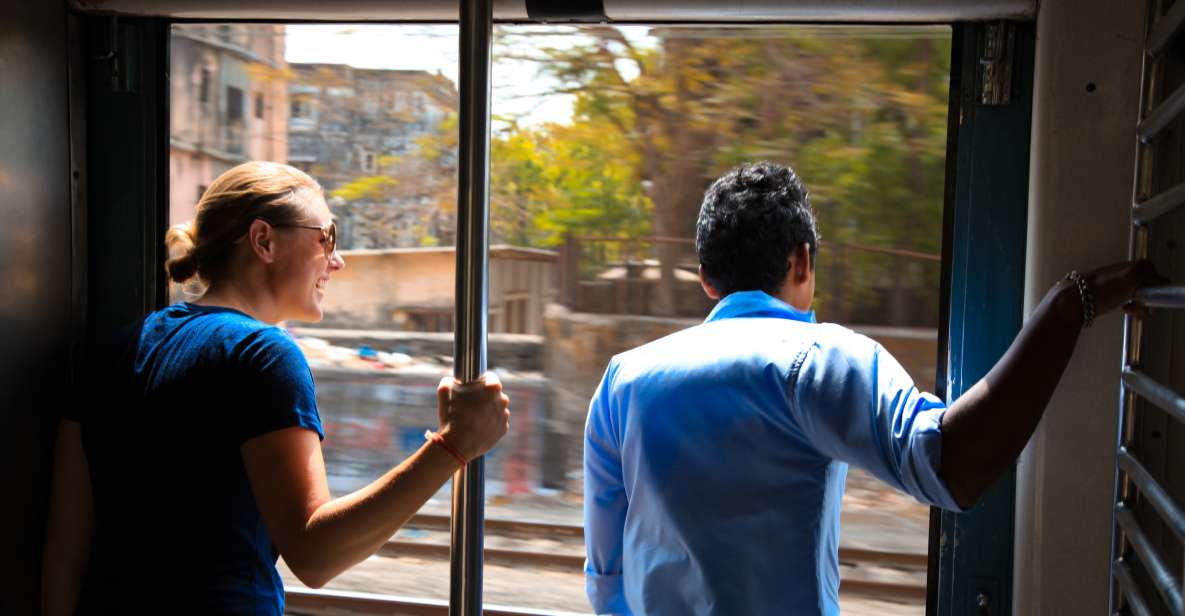
Then you head onto the train for your first taste of the Mumbai suburban rhythm. You’ll spend around 15 minutes on that train segment, and the guide uses the travel time to frame what you’re seeing outside typical sightseeing loops.
If you care about learning how a city works, this is one of the smarter choices you can make in Mumbai. You see the station face up close, then you immediately feel the commute side of the same story.
Dadar Flower Market: where the colors meet the schedule
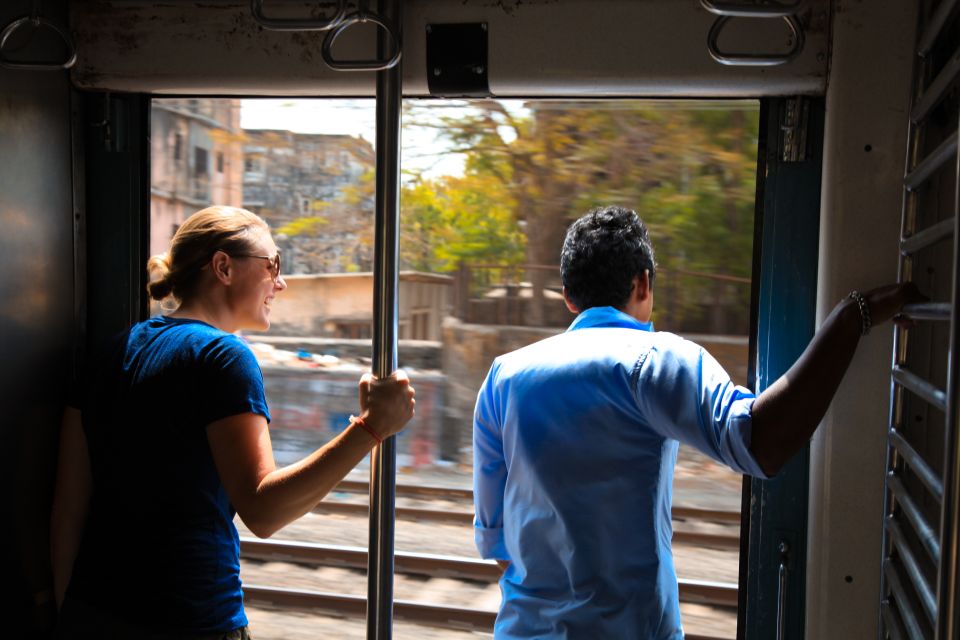
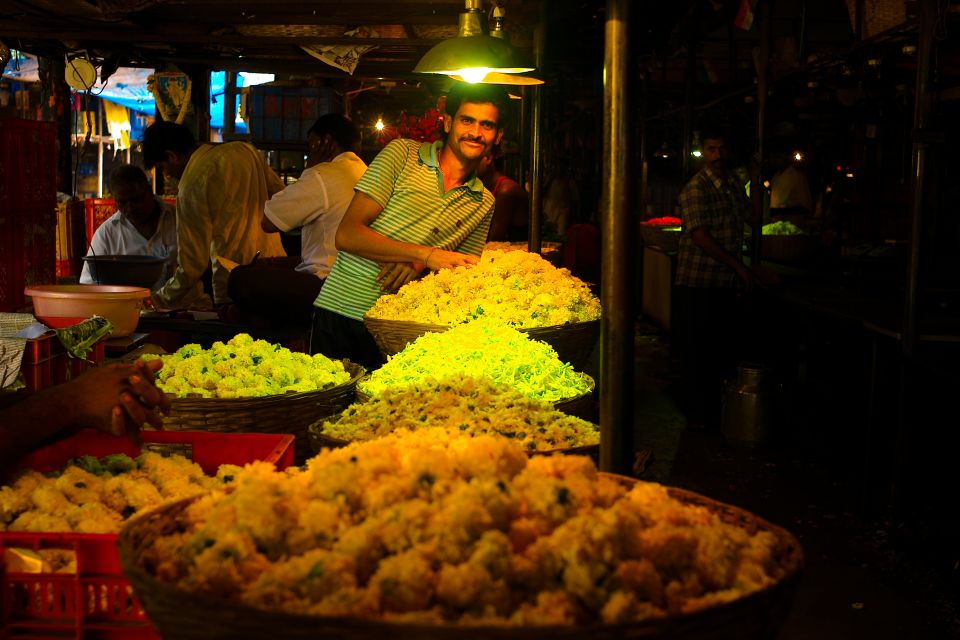
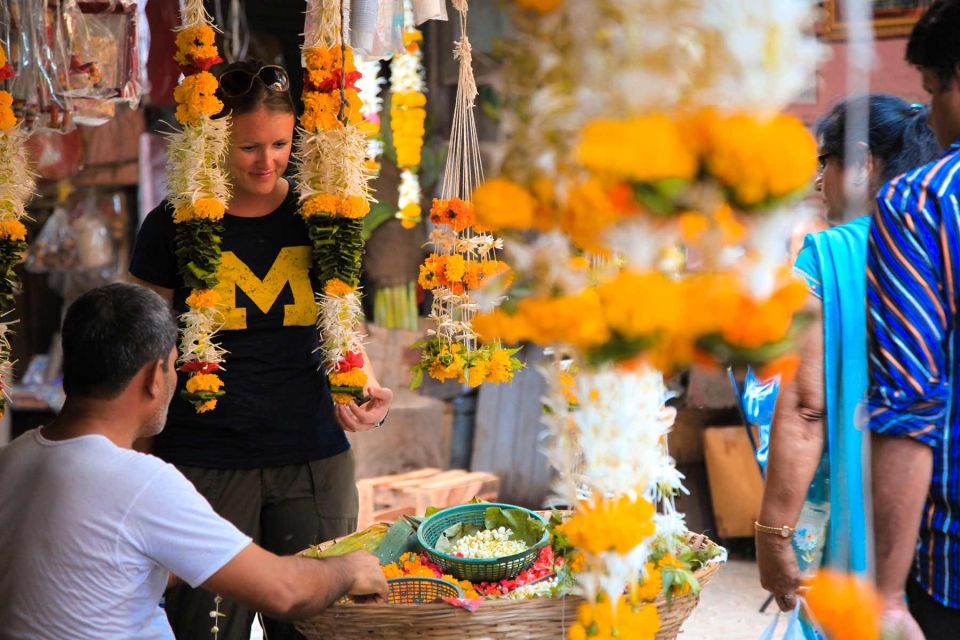
Dadar Flower Market is one of the most “alive” stops on the route. You’ll get a guided visit and walk there, about 15 minutes, before hopping back onto the train.
This is the part of the tour where your senses do a lot of the explaining. Flowers are visual, but the market also signals something practical: a supply chain that keeps working. You’ll be able to watch the human pace behind the goods, and your guide can help you connect it to the larger picture of how Mumbai supplies its neighborhoods.
Because the time is limited, plan to move with purpose. If you want photos, decide what you want first. If you want to ask questions, save them for when your group is stopped rather than walking.
Dhobi Ghat photo stop: work you can see up close

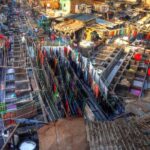
Next up is Dhobi Ghat, with a photo stop and short sightseeing time (around 10 minutes). The point here isn’t to “tour” the site like a museum. It’s to see a working space, then capture a few images that make the scale believable later.
This is also a good place to practice the mindset that makes tours like this worth it: don’t wait for a long explanation. Look, notice what’s in motion, then ask the guide what you’re seeing in plain words.
You’ll then switch to a black cab segment (about 15 minutes), which helps you move through the city without losing the thread of the itinerary.




Chor Bazaar shopping time: fast browsing with a guide
Chor Bazaar is the flea market you hear about, and for good reason. You’ll get a guided visit and shopping time of about 30 minutes, followed by another black cab segment.
This is one of those markets where a guide makes a difference. Even with only half an hour, you’ll get more than aimless wandering because you can ask about what’s practical to buy, what looks good in a small group setting, and how to navigate without getting swept up in noise.
If you enjoy bargaining and browsing but don’t want a chaotic free-for-all, this guided timing is a smart compromise. You get to experience the energy, then step back before your feet fully give up.
The dabbawallah moment: lunch logistics in action
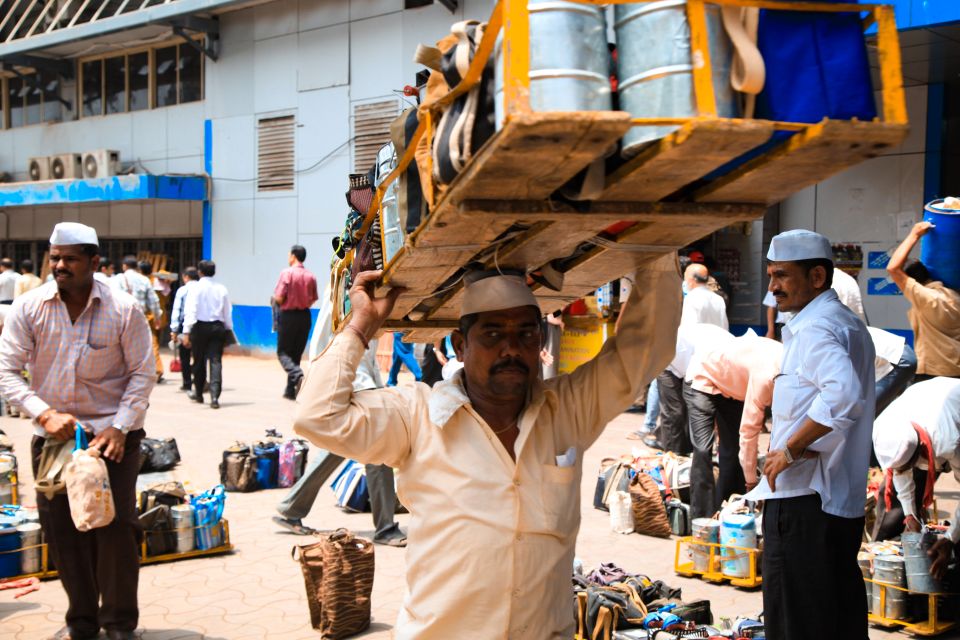
The tour is built around the dabbawallahs, the workers behind Mumbai’s lunch box delivery system. You’ll learn about them and see them in action around the station area, tied into the commute flow.
This part matters because it turns a normal daily routine into something you can actually picture. Instead of hearing about food delivery as a service, you see the people and the movement that make it work on time.
It also fits the rest of the itinerary perfectly. After you’ve spent time with stations and markets, the dabbawallah story doesn’t feel random. It feels like one more link in the same chain: people, schedules, and systems that keep the city running.
If you’re the kind of traveler who likes human-scale logistics, this is your payoff stop.
A viewpoint walk and the drop-off at Churchgate
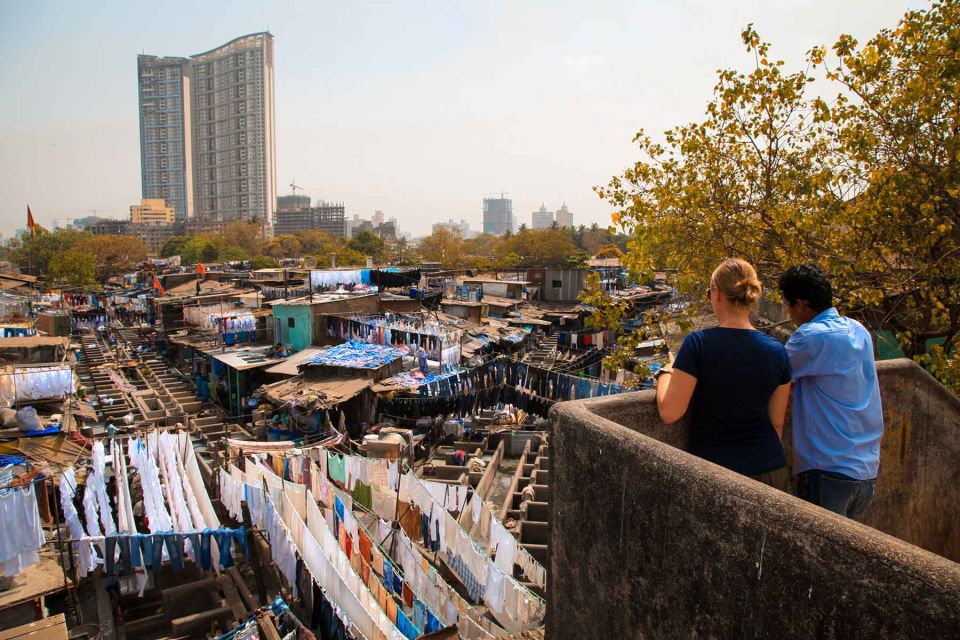
After Chor Bazaar, you’ll take another black cab ride (around 20 minutes) to a view point where you’ll get guided explanation and a short walk (about 10 minutes). This is your chance to take a breath, connect the earlier scenes to a wider city sense, and reset before the tour ends.
The tour finishes at one of two drop-off options: Churchgate Station (Churchgate Railway Station). From there, you’re positioned close to another hub in the city, which makes it easier to keep exploring on your own.
Price and value: what $31 covers (and why it’s not just a sightseeing deal)
At about $31 per person for roughly 3.5 hours, you’re paying for more than entry-style sightseeing. You’re also paying for transportation between multiple zones of the city: train segments, public transport time, and taxi rides. The tour includes a local English-speaking guide and water/cold drink.
In cities like Mumbai, the hidden cost is often transit time and figuring out what to do next. This tour solves that by bundling transport and guidance into one plan. The price feels most reasonable if you want structure but still prefer authentic street scenes over polished indoor attractions.
Also, transport quality gets strong feedback in the overall rating. That matters because on this kind of tour, the schedule only works if the getting-there portion runs smoothly.
Watch outs: when things can feel rushed
I like tours that use public transport because they create context. But I also think about the downsides.
One issue you can run into is timing. Some days may feel rushed, with minimal time to wander or soak in details. If you tend to like slow pacing, plan to lean on your guide for the key facts rather than expecting long stops.
Another consideration: while public bus time is part of the concept, some versions of the day may swap in alternative rides when traffic demands it. That won’t ruin the tour, but it may change the feel of the local-transport segment.
Finally, if you want deep explanations at every stop, be ready to ask questions. The experience is guide-led, and your level of satisfaction will track with how much you engage.
Who should book this tour (and who should skip it)
This tour is a great fit if you:
- Want to understand Mumbai through daily transit rather than a checklist of monuments
- Enjoy markets and street scenes, especially when someone helps you navigate them
- Like the idea of seeing the dabbawallah lunch system from the ground up
- Prefer a small group (up to 6) so you’re not lost in a crowd
You might skip it if you:
- Want a long, slow, unhurried experience at each site
- Need lots of time for independent browsing without guidance steering the schedule
- Are traveling with a stroller or pram, since it’s not suitable for that
Should you book this Mumbai Local Transport & Dabbawallah Tour?
Book it if your goal is to get a real-feeling snapshot of Mumbai’s rhythm in a short time. The combination of CSMT, Dadar Flower Market, Dhobi Ghat, Chor Bazaar, and the dabbawallah component gives you more variety than a typical city tour, and the built-in transport keeps the story moving.
Don’t book it if your top priority is slow sightseeing and deep, uninterrupted time at each location. Some days can feel brisk, and the day has a practical tempo.
If you’re flexible and you like learning by doing, this one earns its spot.
FAQ
How long is the Mumbai Local Transport & Dabbawallah tour?
It lasts about 3.5 hours.
How much does it cost?
It’s listed at $31 per person.
Where does the tour start?
The meeting point can vary by booking, but one of the starting options is Regal Cinema.
What public transport will I use during the tour?
You’ll ride the suburban train and a public bus. You’ll also travel by black & yellow taxi.
Are there any major markets or neighborhoods included?
Yes. You’ll visit Dadar Flower Market and spend time at Chor Bazaar.
Will I see the dabbawallahs?
Yes. The tour includes learning about and seeing the dabbawallah lunch delivery system in action.
Is food included?
No. Food is not included.
Is hotel pickup included?
No. Hotel pickup and drop-off are not included.
What language is the guide?
The guide is English-speaking, and the tour is described as English live guided.
Is this tour suitable for strollers or prams?
No. It’s not suitable for prams or strollers.