REVIEW · MUMBAI
Morning Life of Mumbai’s Dabbawalas and Dhobis Tour
Book on Viator →Operated by GeTS Holidays · Bookable on Viator
Morning Mumbai runs on two jobs you can actually watch. The dabbawalas’ lunch-pail system and the Dhobi Ghat open-air laundry are both world-class examples of work done the old-school way, right in the middle of daily life. This tour gives you the story behind that efficiency, from the boxes switching at Churchgate to the clothes getting thrashed and dried in huge communal vats.
I especially like the way the morning is built around real movement: you see the handoff process and then ride a local train from Churchgate to Mahalaxmi. I also like how the guide role matters here. In feedback, people praised guides such as Ms. Sangeeta for clearing things up once the start got slightly mixed, and Mr Arun for packing a lot of context into a short 3-hour route.
One thing to consider is that expectations around privacy can vary. The experience is listed as private, but some reviews complained they didn’t get much interaction during car travel or felt the set-up wasn’t fully private. Also, the early start plus Mumbai transit means delays can happen, even if the core stops run on schedule.
In This Review
- Key things to know before you go
- Two jobs, one morning: why dabbawalas and Dhobis belong together
- Churchgate station: dabbawalas unloading, sorting, and getting ready
- Possible snag to plan for
- The local train ride to Mahalaxmi: the city in motion
- Dhobi Ghat: seeing the open-air laundry process up close
- What you should consider at Dhobi Ghat
- What the tour actually gives you (and where it can fall short)
- Price and value: what $77 buys you in Mumbai terms
- Practical tips for a smooth morning at 10:00 am
- Should you book this tour?
- FAQ
- What time does the tour start?
- Where do we begin the tour?
- Is hotel pickup and drop-off included?
- Does the tour include train tickets?
- Are food and drinks included?
- Can I get a refund if I cancel?
Key things to know before you go
- Train-first approach: the route includes a local rail ride, not just standing around.
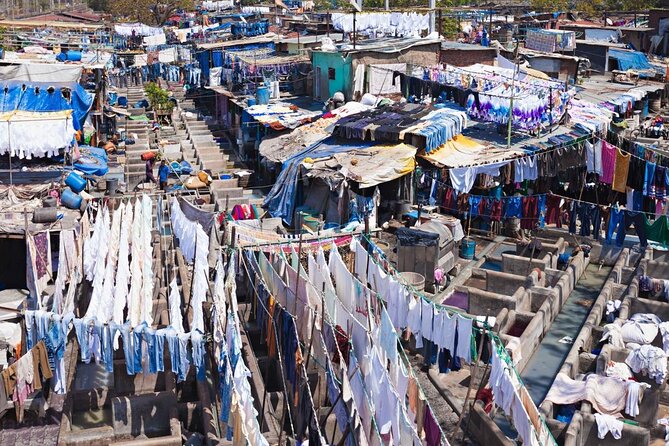
- Dhobi Ghat is a working site: you’ll see the non-stop wash-and-dry routine in an open-air ghat.
- Included transport reduces hassle: hotel pickup/drop-off and the Churchgate to Mahalaxmi train tickets are part of the package.
- Guide quality is the difference-maker: reviews highlight strong explanations from guides like Ms. Sangeeta and Mr Arun.
- It’s short and physical: comfortable walking shoes help, and it’s only about 3 hours total.
Two jobs, one morning: why dabbawalas and Dhobis belong together
Mumbai’s morning can feel like a blur until you anchor it to a job people rely on every day. Dabbawalas pick up lunch from homes and deliver it to offices with a system built on routes, boxes, and handoffs. Dhobis do the same kind of daily service, collecting laundry, washing it in an open ghat, and returning pressed clothes.
What makes this tour special is the pairing. One stop shows how food moves citywide on tight timing. The other shows how clothing moves through a communal industrial process that’s been passed down through generations. Together, they explain how the city functions not just with landmarks, but with dependable trades.
You’ll also get a sense of scale without needing to “guess” what’s happening. At Dhobi Ghat, the work isn’t a single family operation. It’s described as a continuous process with hundreds of Dhobis and their families working together, so you see how routine becomes a system.
You can also read our reviews of more tours and experiences in Mumbai


Churchgate station: dabbawalas unloading, sorting, and getting ready
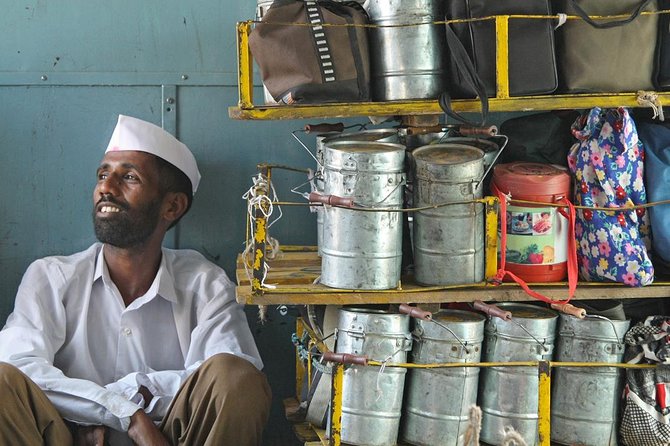
Stop 1 is Churchgate Railway Station, and that’s smart. You start where the system intersects with the commuter flow. You’ll see dabbawalas disembarking from the local train and moving lunch boxes in wooden carts, then transferring the boxes into trolleys for deliveries.
The tour also gives you a structure so you don’t just watch. You’re escorted toward the platform to board the local train to Mahalaxmi. The point is to experience the transition from train arrival to delivery readiness, which is where the dabbawala job becomes visible as more than “people carrying lunch.”
A practical note: the itinerary doesn’t encourage lingering in the station area. That’s good for time, but it means you should keep your camera ready and pay attention to the guide’s direction. If you’re the type who loves slow observation, you may want to spend extra time later in Mumbai near other markets or transit corners.
Timing is about 30 minutes at Churchgate with an admission ticket included. It’s enough time to see the workflow, but don’t expect a long photo shoot. Comfort and awareness beat patience here.
Possible snag to plan for
Some reviews mention starting confusion and a lack of a clearly laid-out tour plan at the beginning. If you show up and feel rushed, ask the guide to repeat the sequence and where you’re going next. You’ll save yourself stress fast.
The local train ride to Mahalaxmi: the city in motion
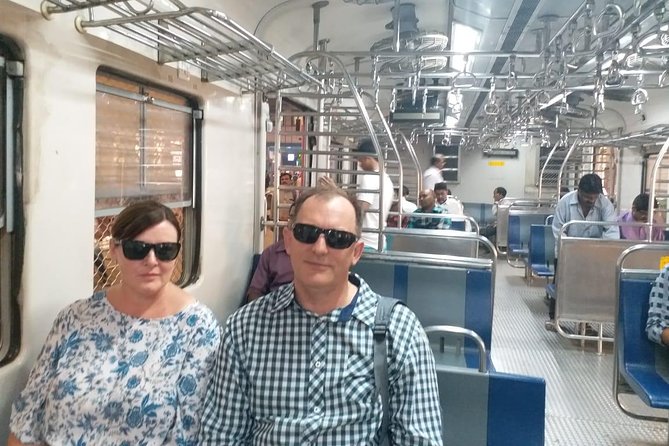
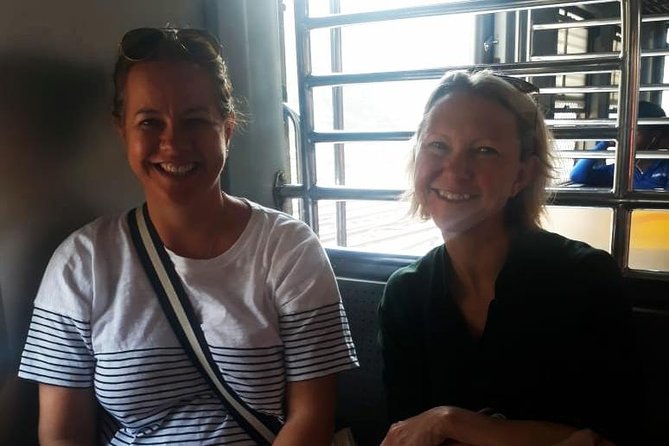
Right after Churchgate, you board the local train for Churchgate to Mahalaxmi. Train tickets for this segment are included, and that matters because navigating Mumbai transit on your own takes extra effort. You also get the advantage of being guided where to stand, where to get on, and when to move.
This ride is more than transportation. It’s part of the story. You’re literally traveling along the same commuter rails that connect the dabbawalas’ pickup world to the delivery side of the route. Even if you’ve been on trains before, this one has a purpose.
A good guide will also frame what you’re seeing—why the handoffs matter, how boxes are segregated, and why accuracy is the job’s identity. In feedback, Mr Arun was specifically praised for being informative in a short 3-hour window, which is exactly what this train segment can turn into: context plus a moving viewpoint.
Dhobi Ghat: seeing the open-air laundry process up close
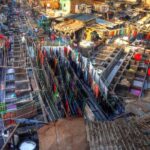
Stop 2 is Dhobi Ghat, Mumbai’s famous open-air laundry area. Here, you’re not looking at a museum display. You’re watching a working ghat where clothes are collected, washed in open space, and then returned neatly pressed.
The process is described as non-stop. You’ll see clothes soaked in sudsy water, thrashed on flogging stones, tossed into large vats, and hung out to dry. That’s a lot of physical motion, and it explains why the Dhobi job takes teamwork and daily stamina.
There are also family operations baked into the work. The ghat is described as employing more than 200 Dhobis and their families together, with a hereditary occupation model. That’s important because it reframes Dhobi Ghat from a curious sight into a social system that’s kept running for generations.






What you should consider at Dhobi Ghat
Open-air washing means you’ll be surrounded by strong smells and constant sound. The tour doesn’t include food or drinks, so you’ll likely want to manage your comfort before and during the stop. Also, this is an active workplace, so keep your movements smooth and follow the guide’s instructions closely.
You’ll have about 40 minutes here, with an admission ticket included. It’s long enough to understand the steps and see different parts of the workflow, but short enough to keep the group moving. If you want a deeper look at the tools and routines, you may enjoy arriving early or pairing this with extra time elsewhere in the city.
After Dhobi Ghat, you’re dropped back at your hotel. That return is a big value point. Mumbai distances add up, and having transport handled keeps this from turning into a half-day project.
What the tour actually gives you (and where it can fall short)
This is sold as a morning tour lasting about 3 hours, starting at 10:00 am. You get a professional guide, and transport is handled with hotel pickup and drop-off, plus train tickets for the Churchgate to Mahalaxmi ride. Group discounts are mentioned, and the experience is described as private with only your group participating.
That’s the promise. Here’s how it plays out in real terms:
- You save planning time: you don’t have to figure out train logistics and timing for two specific working sites.
- You get context: the job stories are the core value, not just visuals.
- You keep the pace reasonable: it’s short and structured, which helps when you’re balancing other Mumbai plans.
Where it can disappoint is when service style doesn’t match expectations. One review criticized the experience for not feeling private, with minimal attention during part of the driving segment and very little spoken information in that time. Another review suggested the price was high because parts of it might be possible on your own, while one person felt the tour wasn’t worth the cost.
So the practical takeaway is this: if you care about explanations and interaction, your guide matters more than anything. If you get a guide who talks clearly and links what you see to how the system works, the tour justifies the price. If you get a guide who sticks to a bare-bones script, you’ll feel the gap.
Price and value: what $77 buys you in Mumbai terms
At $77 per person, you’re paying for three things: access to two working sites, guided interpretation, and transportation support. The tour includes hotel pickup and drop-off, plus train tickets for the key rail segment. It also includes admission tickets for both stops.
It does not include food and drinks. That’s not a deal-breaker, but it means you should plan for what you’ll do after the tour. Since you’re watching operations in the morning, stopping for a proper meal afterward makes sense rather than grabbing snacks during the route.
Whether the price feels fair depends on your comfort level with doing Mumbai logistics on your own. If you’re confident using public transit and want to wander freely, you might be able to recreate parts of the route. But if you’d rather spend your energy on the working processes and the explanations instead of figuring out trains and timing, this package can be good value.
Also, you’re not just buying “tickets.” You’re buying someone to connect the dots: how lunch boxes get segregated and transferred, why accuracy is central to dabbawala pride, and how Dhobi labor works in an open-air workflow.
Practical tips for a smooth morning at 10:00 am
This tour recommends smart casual dress and comfortable walking shoes. That’s not just polite advice—there’s walking between points, plus standing time while watching processes. If you wear slick sandals or shoes you haven’t broken in, you’ll feel it.
Bring patience for Mumbai transit. One review mentioned a delay caused by an unscheduled protest, even though the guide was close to the hotel time-wise. If your schedule is tight, give yourself a buffer after the tour too.
Also, manage expectations on what you’ll see in a short window. Churchgate gives you a snapshot of unloading and sorting. Dhobi Ghat shows the ongoing washing routine, but you won’t have hours to watch every single step. The guide’s explanations help you make sense of what you can’t watch for long.
If you’re sensitive to smells, plan for Dhobi Ghat. It’s an open-air working ghat, so it’s not designed for comfort tourism. A light layer and breathable clothing can help. And since food and drinks aren’t included, consider having breakfast before you go and keeping water on hand for after.
Should you book this tour?
Book it if you want a guided morning that shows how Mumbai systems work at street level—dabbawalas delivering lunch with high accuracy and Dhobis running a full-cycle laundry operation in open air. The included transport and train tickets make it easier than trying to stitch everything together yourself, especially if you’d rather spend time learning than navigating.
Pass or shop around if privacy and active guiding are your top priorities. The best experiences seem to hinge on guide communication—people praised Ms. Sangeeta for improving clarity when the start got mixed, and Mr Arun for being informative. If you end up with a quiet guide, the structure may feel rushed.
My practical call: if you’re curious about real working trades and you’re okay with a working-site atmosphere, this is a worthwhile Mumbai morning. If you want a leisurely, highly interactive tour with lots of narration the entire time, check details carefully before committing.
FAQ
What time does the tour start?
The tour starts at 10:00 am. It runs for about 3 hours.
Where do we begin the tour?
The meeting point for the first stop is Churchgate Railway Station.
Is hotel pickup and drop-off included?
Yes. The tour includes hotel pickup and hotel drop-off.
Does the tour include train tickets?
Yes. Train tickets for Churchgate to Mahalaxmi are included.
Are food and drinks included?
No. Food and drinks are not included.
Can I get a refund if I cancel?
You can cancel up to 6 days in advance for a full refund. For smaller windows, the refund amount changes based on how close to the start time you cancel.