REVIEW · MUMBAI
Mumbai Elephanta Caves Private Half-Day Tour including Guide
Book on Viator →Operated by Mystical Mumbai · Bookable on Viator
One sentence can sell you on the Elephanta Caves. UNESCO-listed caves plus a private licensed guide is what makes this tour feel worth the money, and I like how the guide points out what you’d otherwise miss in the giant Shiva carvings. The only real drawback to plan for is time: you’ll spend a solid chunk of your day on the ferry and there can be schedule hiccups if water traffic shifts.
This tour runs about 4 hours total, and it’s structured for a clear rhythm: mainland meeting, ferry across, cave exploration for around 2 hours, then back again. You’ll also experience a hand-off between people at key points, so don’t treat this like a single person walking beside you the whole time.
In This Review
- Key things that make this Elephanta tour work
- From Colaba to UNESCO caves: why Elephanta is a smart half-day pick
- Meeting at Regal Cinema and getting to the Gateway of India
- The ferry ride: your first lesson in Mumbai Harbor (and sun planning)
- Hand-offs on the way: what to expect when the guide changes
- Inside Elephanta: how the walk and the caves connect
- Shiva Cave: what to look for in the giant carvings
- Buddhist caves too: a different feel once you go inward
- Crowds, photos, and shopping: small moments that add up
- Lunch with a village family: when it feels most authentic
- Price: is $105 per person good value for Elephanta?
- Who this tour fits best (and who might not need it)
- What I’d do if I booked this again
- Should you book this Elephanta Caves private half-day tour?
- FAQ
- How long is the Elephanta Caves private half-day tour?
- Is this tour private?
- Where do we meet, and does pickup happen?
- What language will the guide speak?
- Are ferry and cave entry fees included?
- What should we wear to visit the caves?
- How much walking is involved, and is there an age limit?
Key things that make this Elephanta tour work
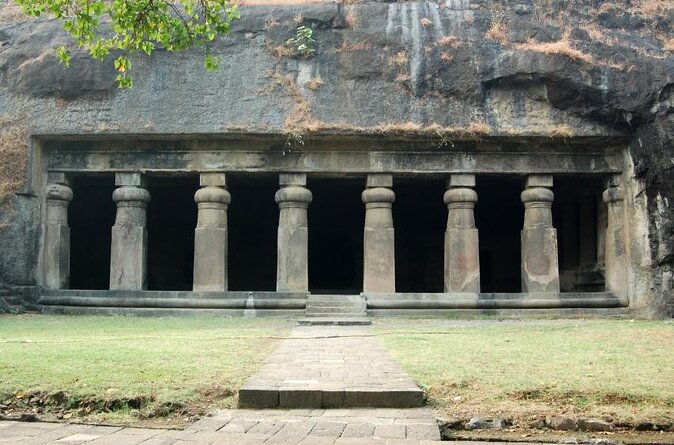
- Licensed guide support on the island, with language options (English, Spanish, German)
- Ferry included in the tour inclusions, plus cave entry fees listed as included
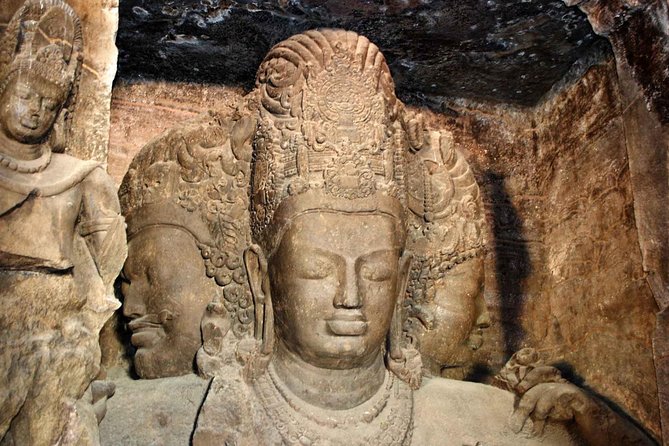
- Shiva Cave focus, including huge Trimurti sculpture (about 20 feet tall) and detailed myth panels
- Local perspective from island-born guides like Sameer, who also helps with great photos
- Moderate walking with practical safety notes for sun and temple-style clothing
From Colaba to UNESCO caves: why Elephanta is a smart half-day pick
Elephanta Island is one of those rare places where the setting helps the story. You’re in the middle of Mumbai Harbor, then you step into a rock-carved world of Hindu myth figures and Buddhist cave spaces. That mix of sea air and stone sculptures is exactly why a guided visit saves time and makes the carvings easier to read.
I also like that this tour is designed as a half-day out-and-back rather than a rushed day trip that only gives you postcard views. With a guide like Sameer (island-born in the stories I heard) you’re not just looking at Shiva statues—you’re learning what the scenes are supposed to mean.
The one caution: even if the cave visit itself is manageable, the total experience is still shaped by ferry timing. Expect time on the water, sun exposure, and crowds that can build quickly if you don’t aim for an early slot.
You can also read our reviews of more guided tours in Mumbai



Meeting at Regal Cinema and getting to the Gateway of India
Your day begins at Regal Cinema on Colaba Causeway, across from Chhatrapati Shivaji Maharaj Vastu Sangrahalaya, near Apollo Bandar. It’s a very central starting point, close to where you’ll naturally end up heading for the harbor.
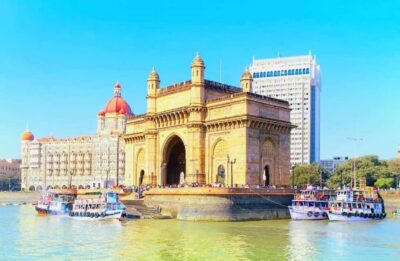
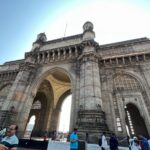
From there, the path to the Gateway of India is part of the day’s rhythm. This arch monument was built to commemorate the 1911 landing of King-Emperor George V and Queen-Empress Mary, and it’s the classic Mumbai backdrop before you go out to sea.
If you’re thinking about comfort: hotel pickup is not included in the default setup. There is an extra-charge option for an airconditioned vehicle (USD 40 for 1–4 pax), so if you’d rather avoid a walk or taxi hopping, you’ll want to plan that upfront.
The ferry ride: your first lesson in Mumbai Harbor (and sun planning)
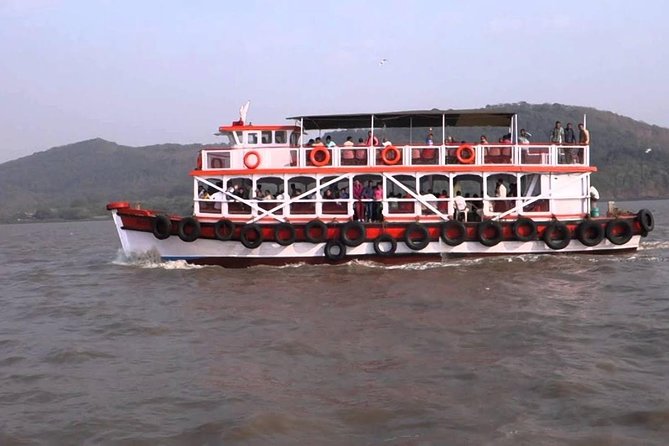
The ferry is about an hour each way in the way this experience is commonly paced. That hour matters more than you might expect, because it’s your transition time—from busy city movement to a calmer water route.
This is also when sun and weather become the deciding factor in your comfort. One of the best practical tips I picked up is simple: bring SPF, a hat or scarf, and water. Even if you’re not thinking of yourself as a sun person, the crossing can feel long when the sky is clear.
Also keep a little flexibility in your mind. Water schedules can be affected by public events, and at least one cancellation/back-up story shows how ferry changes can happen. Your tour provider may respond with an alternative plan, but you should still build buffer into your day if Elephanta is a must-do.
Hand-offs on the way: what to expect when the guide changes
This tour has a neat but important detail: you don’t always stick with the same guide person from start to finish. A common pattern is one guide helping you reach the ferry, and another guide meeting you on Elephanta Island.
That can feel slightly confusing at first, but it’s usually smooth if you follow meeting cues and keep your phone handy. In past experiences shared with the tour, people noted that the process felt organized, with guides meeting at each point and helping with the ferry flow.
The upside is that island-born guides can take over once you’re on the ground—exactly where the real value happens. That’s where you’ll see names like Sameer and where guides helped with photos in the crowd while explaining what you’re looking at.
Inside Elephanta: how the walk and the caves connect
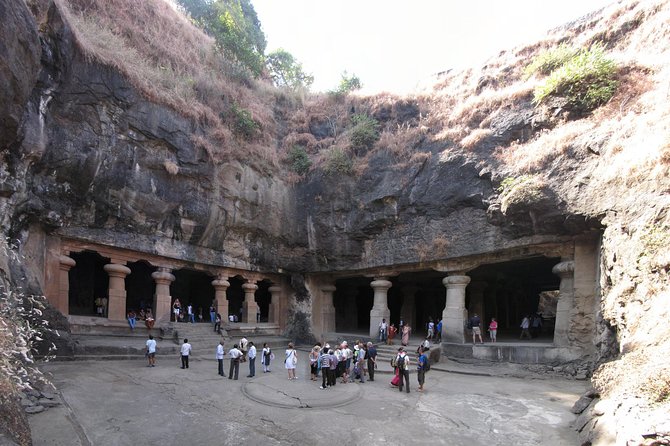
Once you disembark, you’ll explore the caves with about 2 hours on-site. There’s a moderate amount of walking, and the layout rewards you for taking your time. The caves are grouped, and the outer areas and inner areas have different religious histories.
One thing I’d encourage you to watch for is the shift from the earlier worship spaces to the deeper, smaller cave sections. The outer caves were used for Hindu worship until Portuguese rule established changes. Farther in, you’ll find smaller Buddhist caves, and your guide should help you connect what you’re seeing to that story of shifting use over time.
There’s also a toy train ticket included. The tour data doesn’t spell out exactly where it fits in for every route, but the point is practical: it may help reduce some walking effort depending on the day’s flow.
You can also read our reviews of more private tours in Mumbai




Shiva Cave: what to look for in the giant carvings
The highlight here is the main Shiva Cave, often called the Shiva Cave. This is where the big sculptures and the most detailed panels sit together, and your guide’s job is to stop you from treating it like one long statue gallery.
In the main cave, you’ll see huge scenes carved across the space, including depictions of Shiva’s wedding and Shiva slaying of Andhaka. The guide can also help you spot the logic behind the arrangement—why certain figures and myth themes are grouped the way they are.
Don’t miss the Trimurti sculpture in the main cave. It’s described as about 20 feet tall, and even if you’ve seen photos, being there in front of the scale changes how you understand the effort behind the carvings.
You may also see shrines dedicated to Shiva’s sons, including Kartikeya and Ganesha, in the wings. If you’re someone who likes to connect the dots, this is where a guide helps you move from random spotting to real identification.
Buddhist caves too: a different feel once you go inward
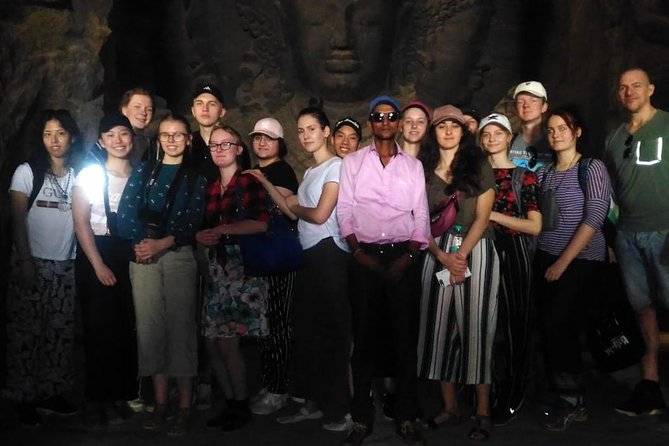
Many cave visits only market the big Hindu focus, but this tour includes time for the smaller Buddhist caves. You’ll see that the experience isn’t just one style and one temple personality—there are different carved spaces and a different spiritual emphasis as you move deeper.
This part works best when your guide explains what you’re entering rather than just naming locations. The outer caves and the deeper caves represent different phases and traditions, and that “why was it carved like this?” question is exactly what turns a visit into something you remember.
If you’re short on attention span, you might skim. I don’t recommend that. The contrast between the larger Shiva-focused sections and the smaller Buddhist sections is one of the reasons Elephanta doesn’t feel repetitive, even though it’s still all carved stone.
Crowds, photos, and shopping: small moments that add up
Elephanta isn’t a silent museum. The steps and paths can get crowded, especially with the ferry schedule stacking multiple arrivals. A useful tip from people who’ve done this before is to go early so you’re not fighting the first wave of foot traffic.
Photos are a real part of the experience here. Multiple guide stories mention that guides helped capture good images, including island-born guides who knew where you could stand for cleaner shots. If you care about photos, tell your guide early and ask for specific angles for the carvings—this tour tends to handle that well.
There are also little market areas around the cave approach where you’ll see shops along the way in and out. You can browse without turning your visit into a shopping mission, but it’s smart to budget time if you want bargains or souvenirs.
Lunch with a village family: when it feels most authentic
If you choose the lunch option, it’s described as lunch with a local family. People highlight this as an authentic and memorable component—less of a “touristic add-on,” more of a genuine window into everyday life.
This option is included only if you select the lunch inclusive option, and the tour data frames it as a local family meal. If you like meeting people and tasting food in context, it’s often the part that makes the whole half-day feel human rather than just historical.
If you don’t pick the lunch option, you’ll still have a straightforward half-day schedule centered on the caves and the ferry. Just remember you’ll likely be out for a large slice of daylight, so plan snacks or water accordingly if you skip the meal.
Price: is $105 per person good value for Elephanta?
At $105 per person, the value question is really about what you’re paying for: not the caves themselves (you can visit on your own), but the guidance that helps you understand the sculptures and move efficiently through a complex site.
What makes the price more defensible is the guide component. This tour includes a government-approved license guide, and people specifically praised guides by name—Sameer for island history and photos, plus others like Anthony for boat/meeting support. That’s not just “someone who points”; it’s interpretation paired with logistics.
Still, don’t assume every cost is identical across every booking. The tour data lists ferry and cave entry fees as included, but other experiences describe paying ferry and entrance separately. Because of that mismatch, your best move is to check your voucher carefully for what’s covered and what might be collected locally on the day.
Also note: hotel pickup isn’t included in the base offering. If you add that, your cost goes up, but you buy time and comfort—especially helpful if you’re traveling with kids or you don’t want the extra legwork before the ferry.
Who this tour fits best (and who might not need it)
This tour fits you best if you:
- Want a guided, interpretation-heavy visit to the Shiva Cave rather than just photos
- Like having local context, like the way island-born guides connect scenes and symbols to meaning
- Prefer a clear half-day plan with a structured ferry-to-caves flow
You might skip paying for a guide if you:
- Are comfortable navigating the island on your own and reading the carvings with less support
- Have a very tight schedule where ferry changes would leave you stressed
- Don’t want to spend money on guidance and would rather pay only for transport and entry
One more practical fit note: the minimum age is 10 years, walking is moderate, and you should be comfortable with sun and uneven steps.
What I’d do if I booked this again
I’d treat Elephanta as a morning-leaning activity if your itinerary allows, since early visits reduce crowd friction. I’d also confirm your guide plan in writing the day before, because at least one experience described delays when the meeting didn’t go exactly as planned.
On the day itself, I’d show up with:
- Comfortable walking shoes
- Sunscreen and water
- A hat or scarf (easy win for sun and temple dressing)
And I’d ask the guide one question before you start the main cave—something like what single scene you should prioritize. That simple move helps you remember the carvings instead of watching them blend together.
Should you book this Elephanta Caves private half-day tour?
Yes, I think you should book it if you want more than a quick look at statues. The best value here is the guide experience inside the Shiva Cave, paired with practical help around the ferry timing and island navigation.
If you’re budget-focused, verify what’s truly covered for your option. In some cases, ferry and entry costs show up as separate local payments, and that can change the math. If you confirm those details and you’re excited to understand the carvings (not just photograph them), this tour is a strong way to see one of Mumbai’s most impressive UNESCO sites without turning the day into a scavenger hunt.
FAQ
How long is the Elephanta Caves private half-day tour?
The duration is about 4 hours (approx.), with around 2 hours spent exploring the caves.
Is this tour private?
Yes. It’s listed as private, and only your group participates. There’s also a minimum of 2 people per booking.
Where do we meet, and does pickup happen?
The meeting point is Regal Cinema on Colaba Causeway, opposite Chhatrapati Shivaji Maharaj Vastu Sangrahalaya (Apollo Bandar). Hotel pickup and drop-off by airconditioned vehicle is not included, but it’s available for an extra charge of USD 40 for 1–4 pax.
What language will the guide speak?
The guide is available in English, Spanish, or German, depending on the option you select. Pricing can differ by language.
Are ferry and cave entry fees included?
The tour inclusions list ferry to Elephanta Island and Elephanta cave entry fees as included, but the details can vary by option. Check your voucher carefully to confirm what your specific booking covers.
What should we wear to visit the caves?
There’s no strict dress code, but you should dress appropriately for places of worship. Spaghetti straps and short shorts are not recommended.
How much walking is involved, and is there an age limit?
There’s moderate walking and a moderate physical fitness level is recommended. The minimum age is 10 years.