REVIEW · MUMBAI
Mumbai Full-Day Sightseeing & Dharavi Slum Tour
Book on Viator →Operated by Cityscape Mumbai Tours · Bookable on Viator
A day in Mumbai can feel like sensory overload, so this one helps you steer it. You get a private guide to explain what you’re seeing and a car plan so you’re not stuck figuring out routes or worrying about safety. I also like the way the tour mixes big-name landmarks with smaller local stops, so the day feels like Mumbai, not a checklist.
Two things I’m especially fond of: the air-conditioned roundtrip transport, and the fact that you can slow down. Private tours here mean you’re not trapped on a stopwatch. One heads-up: this is a full day with several stops kept fairly short, so if you prefer long museum time or deep, quiet exploration, you might want to add a buffer day.
In This Review
- Key highlights that make this tour worth your time
- Why This Mumbai Highlights + Dharavi Day Works
- Getting Started in Colaba, Then Rolling Through the City in Comfort
- CSMT and the Gateway Area: From Rail Heritage to Coastal Views
- Dhobi Ghat and Oval Maidan: Seeing Daily Work and Cricket Culture
- The High Court, University Fort Campus, and Marine Drive at Golden Hour
- Malabar Hill Views, Jain Temple Hill, and Hanging Gardens Breaks
- Crawford Market, Kamala Nehru Park, and the Boot House Moment
- Mani Bhavan Gandhi Museum: A Focused Admission-Included Stop
- Dharavi with a Local Guide: What to Expect and How to Make It Meaningful
- Price and Value: Is $35.23 a Smart Deal for This Much Ground?
- Who This Tour Best Fits (and Who Might Want a Different Plan)
- Should You Book This Mumbai City + Dharavi Tour?
- FAQ
- How long is the Mumbai full-day sightseeing and Dharavi tour?
- Is pickup included?
- Is this tour private?
- What stops are included during the day?
- Is admission included for any attraction?
- What food is included?
- Will I need paper tickets?
- Can I cancel if my plans change?
- Do I need to speak Hindi or a local language?
Key highlights that make this tour worth your time
- Private, first-person explanation at every major stop, with time to ask questions
- Air-conditioned car for transfers between neighborhoods (comfort matters in Mumbai heat)
- Mix of icons and everyday life, from CSMT and Gateway to Dhobi Ghat and Crawford Market
- A guided Dharavi visit for context, with a local perspective that turns stereotypes into real understanding
- Gandhi Museum time with admission included, so you’re not scrambling for tickets
- Stops you can pace, since guides in this tour style are used to adjusting your time at locations
Why This Mumbai Highlights + Dharavi Day Works
Mumbai is a city where “just walk around” can turn into “where am I going now?” fast. This tour is designed to prevent that. Instead of you trying to decode traffic, neighborhoods, and local signage, you get a guide to connect the dots in real time.
I like that it’s structured but not rigid. You still see major landmarks—CSMT, the Gateway area, Marine Drive—but you also get stops that show the city’s rhythm in between the postcards. It’s a practical way to understand Mumbai as a living place, not only a photo backdrop.
And then there’s Dharavi. This part can be emotional, and it helps to have someone who can frame what you’re seeing and explain how the community works. In the reviews tied to this experience, guides such as Jawwad, Preti, and Subhan get praised for making the visit more thoughtful than shocking.
One more thing: your driver and guide are usually a team. Guests mention friendly, patient drivers like Saedam, Dipak, and Saddam, which matters when a long day has lots of movement and you want calm between stops.
You can also read our reviews of more tours and experiences in Mumbai



Getting Started in Colaba, Then Rolling Through the City in Comfort
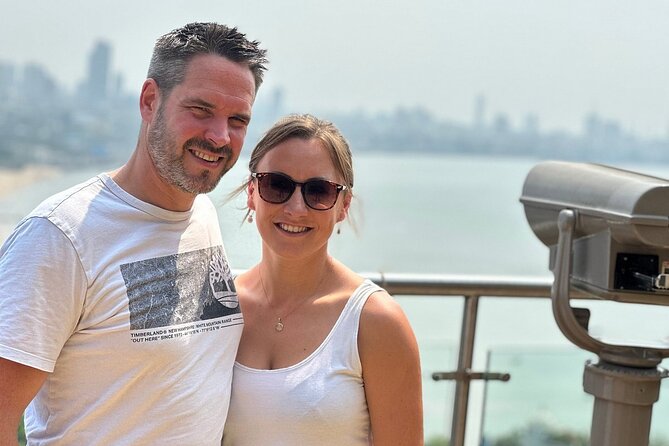
The meeting point is in Colaba, at PizzaExpress on Chhatrapati Shivaji Maharaj Marg (near Apollo Bandar). It’s a useful anchor area because it’s close to where many sightseeing routes begin, so you start the day with momentum.
From there, you ride in an air-conditioned car. In Mumbai, that small comfort upgrade adds up. You’re not just paying for seats—you’re saving energy for walking and looking. Heat and crowds can wear you down, and this transportation setup helps you keep your head clear.
Because it’s a private experience, you’ll move as a group rather than matching pace with a big crowd. More than once, guests praised guides for being patient and responsive to what they needed. That shows up in the way they answer questions and adjust the time at stops instead of rushing you out at the same pace for everyone.
CSMT and the Gateway Area: From Rail Heritage to Coastal Views
Two of the first stops set the tone: you start with Mumbai’s grand transport landmark, then you shift into iconic coastal scenery.
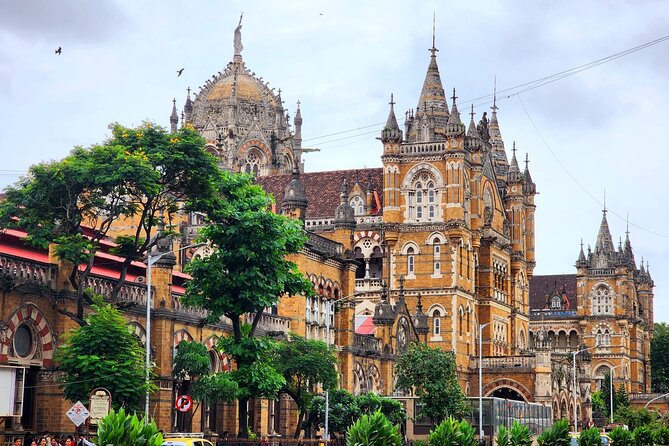
At Chhatrapati Shivaji Maharaj Terminus (CSMT), you’re looking at a station that’s more than functional. It’s architectural and dramatic, and it’s hard not to feel the weight of the place the moment you arrive. CSMT works as a fast orientation stop too: it helps you understand Mumbai’s scale and how much of daily life runs through rail.
Then you head to the Gateway of India area. This monument is a classic “start here” marker because it’s instantly recognizable and positioned for sea views. Your guide can put it into context and point out how this part of the city connects historic shifts with what you see today.
The tradeoff? These are popular areas. Even if your time is scheduled, expect crowds and noise around the big names. The upside is that a guide helps you focus on what matters instead of getting stuck scanning for meaning.
Dhobi Ghat and Oval Maidan: Seeing Daily Work and Cricket Culture
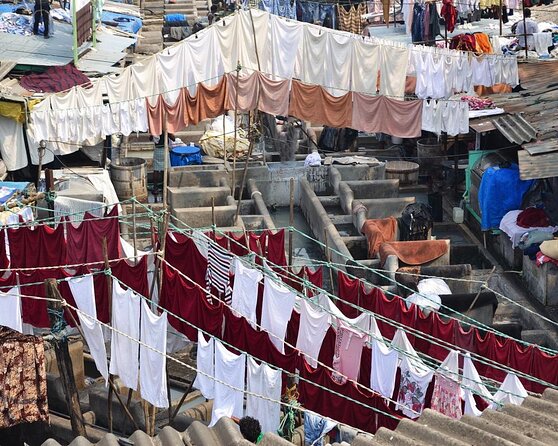
After the monuments, you get a dose of Mumbai’s daily life at Dhobi Ghat. This isn’t a staged attraction. It’s a real laundry complex, and the point of the visit is understanding how people sustain work and routines in a dense city. You’ll get context from your guide about why this area matters and how the laundry system has shaped local life.
This stop is short (about 20 minutes), so I treat it as a “look closely, ask questions, then move” moment. If you want a longer study session, you might ask your guide to slow your pace here—many private-tour setups allow that.
Next is Oval Maidan, close to the cricket heartbeat of Mumbai. Mumbai and cricket are a real relationship, not a side note. Oval Maidan gives you a chance to understand why the city’s sports culture runs deep, from colonial-era roots to the present day.
If you’re a cricket fan, this stop will feel satisfying even in a quick window. If you’re not, it still helps you read Mumbai’s public spaces as social stages, not empty fields.
The High Court, University Fort Campus, and Marine Drive at Golden Hour

The day keeps moving through important civic and educational landmarks.
The High Court of Mumbai is a great stop for architecture watchers. Even with limited time, you can see the idea behind the building: law as power, formal structure, and a visible symbol of governance. Your guide can help you connect why a building like this lands in the middle of an everyday city.
Then there’s the University of Mumbai Fort Campus area. This campus sits in the historic precinct, and it’s one of those stops where the value comes from noticing the contrast—academic life next to busy city movement. It also helps you understand Mumbai’s layers: transport, institutions, commerce, then the neighborhood details.
By the time you reach Marine Drive, the tone changes. Marine Drive is known as the Queen’s Necklace, a seaside promenade with a sweeping arc along the Arabian Sea. It’s a classic photo stop, yes, but it’s also a useful mental reset after a day of dense streets. Looking out across the water gives you breathing room.
Practical tip: Marine Drive is best when you’re not sprinting through it. If your energy dips, use the guide’s flexibility to spend a little extra time here.





Malabar Hill Views, Jain Temple Hill, and Hanging Gardens Breaks
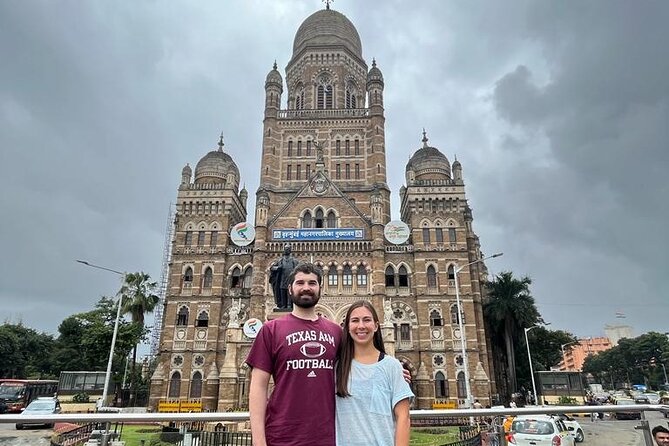
This part of the tour shifts into “slow down and look up” territory.
Malabar Hill is a higher area with views over the sea and across the city. It’s also a different neighborhood feel—more relaxed compared to the streets you’ve been in. Your guide can explain what makes the hill important and what you’re likely to notice from the viewpoints.
Then you head to Jain Temple Hill. This is a calmer contrast to the louder city stops. It’s about spirituality and detail—architecture and places of worship where you can step back from the pace. If you’re traveling with people who need variety, this stop balances the day.
You also get time at Hanging Gardens, up on Malabar Hill. The gardens offer green space and wide views. In a single day packed with stops, a garden break is a smart move because it refreshes your eyes and legs.
One consideration: viewpoints and gardens can involve some uneven ground and steps. Wear comfortable shoes. This tour is doable for most people, but you’ll still be on your feet.
Crawford Market, Kamala Nehru Park, and the Boot House Moment
Mumbai’s markets are where the city feels most real, and Crawford Market fits that role. It’s a historic commerce hub with Victorian-style architecture and the kind of shopping scene that makes you understand why Mumbai is a business city as much as a sightseeing city.
This stop isn’t only about buying things. It’s about reading the city’s energy at street level—colors, movement, and the sheer variety of goods.
Then you visit Kamala Nehru Park, which is closely connected to the Boot House—an eye-catching building shaped like a giant boot. It’s a playful detour that keeps the day from becoming all serious monuments. It also gives you an easy win for photos without dragging on for hours.
If you love street-level culture and you enjoy markets even when you’re not shopping, you’ll appreciate this sequence. If you dislike crowded indoor/outdoor spaces, you’ll want your guide to manage your time there.
Mani Bhavan Gandhi Museum: A Focused Admission-Included Stop
Not every moment on this tour is outdoors. Mani Bhavan Gandhi Museum is an indoor, reflective stop linked to Mahatma Gandhi’s life and work. Admission is included here, and that’s a big practical benefit because it keeps you from hunting tickets or timing the museum on your own.
This is also a strong tonal shift. After city architecture, markets, and Dharavi, the Gandhi Museum acts like a mental reset. It gives you perspective on the ideas behind social change, and it helps connect the wider Mumbai story to human choices and activism.
If you like history that feels personal rather than distant, this museum timing should fit well in the overall day.
Dharavi with a Local Guide: What to Expect and How to Make It Meaningful
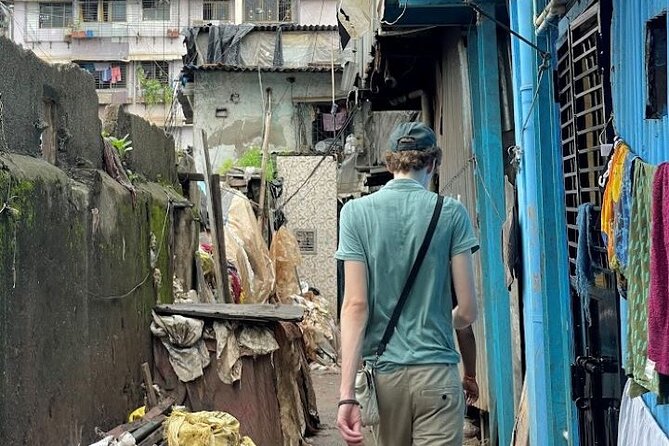
The tour culminates with Dharavi, with about two hours set aside for the visit. This is the portion that many people remember longest, because it challenges assumptions and forces a more grounded view.
Dharavi is described as a busy urban community known for small-scale industries, creativity, and resilience. That wording matters. The point isn’t to treat it like a spectacle. With the right guidance, you’ll see how people build work, networks, and a sense of normal.
In the reviews tied to this experience, guides connected to Dharavi get particular praise. Subhan, for example, is highlighted for having grown up in Dharavi, and guests liked the credibility that brings. Others, including Javed, Jawwad, and Preti, get called out for being informative and for making the visit interactive—answering questions and adjusting how they explain things.
How to get the most out of Dharavi time:
- Ask questions that move beyond stereotypes. Your guide can steer you toward details that actually explain daily life.
- Go in prepared for emotions. Eye-opening is the vibe here, but it should also feel respectful and thoughtful.
- Use your two hours. Don’t rush. This is the part where you’ll want context, not just a quick look.
A practical note: Dharavi is a local area, so expect crowds and movement. This is exactly why having a guide and a private setup is valuable.
Price and Value: Is $35.23 a Smart Deal for This Much Ground?
At $35.23 per person, this tour sits in a “good value for a full day” zone, mainly because it bundles several things people usually pay for separately.
You’re getting:
- A full-day route through multiple neighborhoods
- Private guiding (not a scripted audio tour)
- Air-conditioned car transport with roundtrip coverage
- Admission included for the Mani Bhavan Gandhi Museum
- Access to a guided Dharavi visit that many people wouldn’t feel confident doing on their own
The value hinges on the way the day is paced. Stops like CSMT, Gateway, Dhobi Ghat, Marine Drive, gardens, and markets cover different “Mumbai angles” in one go. That matters if you only have one day and you want results, not wasted time.
Also, the day is built around convenience. One of the tour’s selling points is avoiding the hassle of planning and navigating, plus reducing that worry of feeling unsafe while moving around. When a city is big and complicated, paying for that peace of mind can be worth more than the sticker price.
Who This Tour Best Fits (and Who Might Want a Different Plan)
This experience is a strong match if:
- You’re short on time and want Mumbai highlights plus Dharavi in one day
- You want a local guide to explain context instead of guessing
- You care about comfort and want transfers in an air-conditioned car
- You like interactive touring, where you can ask questions and set your pace
It may be less ideal if:
- You want a slow, in-depth museum-heavy itinerary
- You dislike walking around busy public spaces even for short periods
- You want lots of downtime between stops
Because it’s private, you can also influence your experience. Reviews praise guides and drivers for being accommodating, so if you have a preference—more viewpoint time, less market time—your guide can usually work with it.
Should You Book This Mumbai City + Dharavi Tour?
If you want a one-day plan that covers the icons and the lived reality—and you’re open to learning with a guide—this is a smart booking. The real selling points are the private guiding, the air-conditioned transport, and the way the day connects landmarks like CSMT and Gateway with human-scale stops like Dhobi Ghat and Dharavi.
I’d book it especially if it’s your first time in Mumbai and you don’t want to spend your limited time figuring out logistics. The named guides mentioned in guest feedback—Jawwad, Preti, Javed, Subhan, Sharon, and more—fit the vibe of patient, question-friendly guiding, and that can make a sensitive visit like Dharavi feel clear instead of confusing.
If you’re hoping for a purely “top sights only” day, you might feel Dharavi changes the tone. But if you want the full Mumbai story, that’s the point.
FAQ
How long is the Mumbai full-day sightseeing and Dharavi tour?
It runs about 5 to 7 hours, and that total includes transportation time.
Is pickup included?
Yes, pickup is offered, and the tour includes roundtrip transportation in an air-conditioned car.
Is this tour private?
Yes. It’s a private tour/activity, so only your group participates.
What stops are included during the day?
You’ll visit key sights around Mumbai including CSMT, Gateway of India, Dhobi Ghat, Oval Maidan, Marine Drive, Malabar Hill area viewpoints, Crawford Market, Kamala Nehru Park with the Boot House, Hanging Gardens, Mani Bhavan Gandhi Museum, and Dharavi.
Is admission included for any attraction?
Admission is included for Mani Bhavan Gandhi Museum. The other stops are listed as free.
What food is included?
Dinner and alcoholic beverages are not included.
Will I need paper tickets?
No. The tour uses a mobile ticket.
Can I cancel if my plans change?
Free cancellation is available up to 24 hours in advance for a full refund.
Do I need to speak Hindi or a local language?
The tour is guided, and multiple guests mention the guide’s English being good, but the specific languages offered are not listed in the provided details.