REVIEW · MUMBAI
Private Full-Day Mumbai Sightseeing & Dharavi Slum Tour
Book on GetYourGuide →Operated by Cityscape Mumbai Tours · Bookable on GetYourGuide
Mumbai changes fast from sea cliffs to back streets. This private tour strings together iconic Mumbai landmarks and a hands-on Dharavi slum walking experience, so you don’t just tick boxes—you get the city’s contrasts in one day. I especially like the way the tour is paced by local experts, with English guidance from people such as Javed, Priti, Subhan, Ravi, and Dharavi guides like Krishna, who can explain what you’re seeing in plain, human terms.
The other big win for me is the comfort: hotel pickup and drop-off in an air-conditioned car, plus bottled water and skip-the-ticket-line handling so you spend less time waiting around. The main drawback to consider is simple: it’s a full-on day with several photo stops and walks, so you’ll want comfortable shoes and the mindset that Mumbai traffic and crowds can shape timing.
In This Review
- Key highlights that make this tour worth your time
- From the cruise terminal to Dharavi: how this tour actually works
- Hotel pickup, air-conditioned comfort, and the guide team
- Gateway of India and Taj Mahal Palace: the postcard start, with context
- CST, heritage architecture, and Crawford Market’s everyday energy
- Dhobi Ghat: laundry work you can’t forget
- Mani Bhavan: ideas, activism, and a quieter kind of history
- Marine Drive, Malabar Hill views, and the night-light payoff
- Colaba Causeway, Rajabai Clock Tower, High Court photos, and Asiatic Society passes
- Kamala Nehru Park: a short break with big-city breathing room
- Dharavi in two hours: what you’ll see and what to do with the emotions
- Timing, shoes, and comfort: how to plan for a long day
- Price and value: is $27 a bargain or a trick?
- Who this tour suits best (and who might want to rethink it)
- Should you book the Mumbai and Dharavi combo?
- FAQ
- How long is the Private Full-Day Mumbai Sightseeing & Dharavi Slum Tour?
- What is the price per person?
- Is this tour private or shared?
- Is hotel pickup and drop-off included?
- What languages are available for the tour guide?
- Where do I meet the guide if I’m on a cruise?
- What are the main sights included in the day?
- Is entry/admission included?
- Are meals included?
- Is bottled water included?
- What is the cancellation policy?
Key highlights that make this tour worth your time

- Landmarks in one loop: Gateway of India, Taj Mahal Palace, CST, Marine Drive, Colaba Causeway, and more in a single day plan.
- A real Dharavi walking tour (2 hours) with practical, on-the-ground insight into work, homes, schools, and recycling.
- Local guide energy: many guides on this route share personal context, with some guides connected to Dharavi themselves.
- Transport that reduces stress: air-conditioned car and an expert driver focused on getting you from stop to stop.
- City lights at the end: a finish at Mumbai View Point, where the skyline looks good once the day cools.
- Good value at about $27 because entry/admissions, a guide, and bottled water are bundled.
From the cruise terminal to Dharavi: how this tour actually works
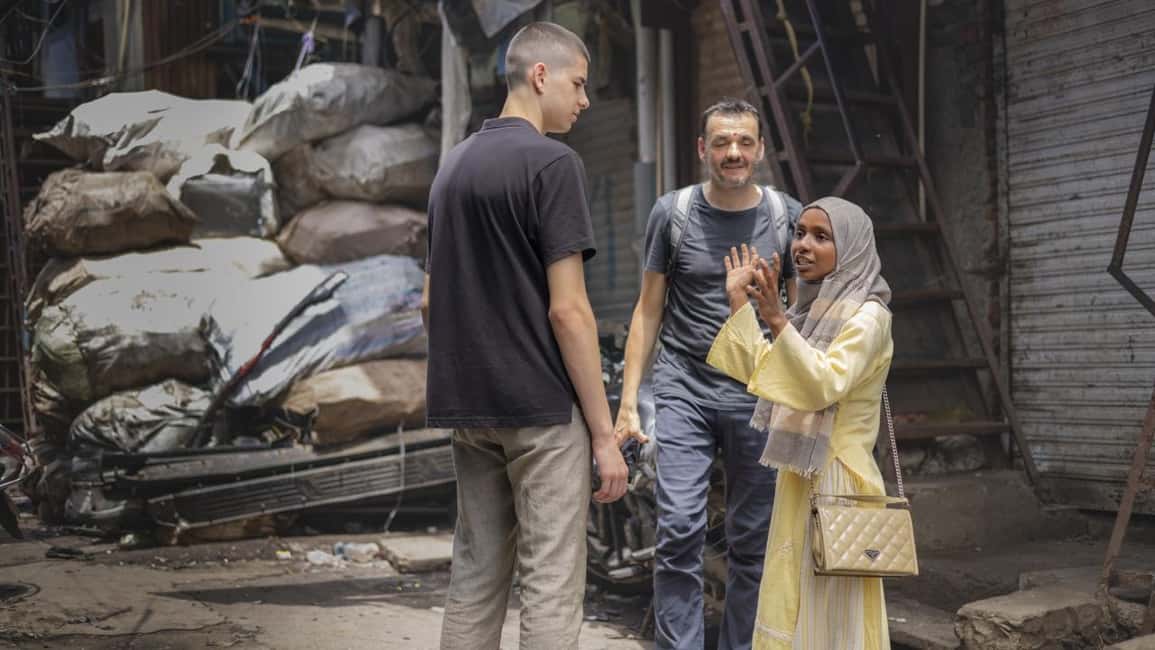
This is the kind of tour you take when you want a strong overview of Mumbai fast, but you also want your day to mean something. You’ll start with the well-known sights along the waterfront and heritage districts, then you’ll shift into lived-in Mumbai with a two-hour Dharavi walk. The result is a day that feels like two stories told in the same voice: the city on postcards, and the city where people build everyday life.
Pickup is designed to be easy. If you’re not on a cruise, you can choose hotel pickup; if you are on a cruise, you meet your guide at the Green Gate, the exit of the Mumbai International Cruise Terminal. Either way, you’ll travel in an air-conditioned car with an expert driver and a local English-speaking guide who can explain what you’re seeing as you go.
One practical note: the itinerary is packed by nature. That’s why the private format matters. It lets the guide keep you moving, answer your questions, and adjust when possible—something many visitors praised, especially the smooth day flow from people like Javed, Priti, and Subhan.
You can also read our reviews of more private tours in Mumbai


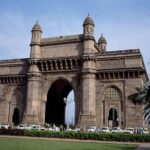
Hotel pickup, air-conditioned comfort, and the guide team
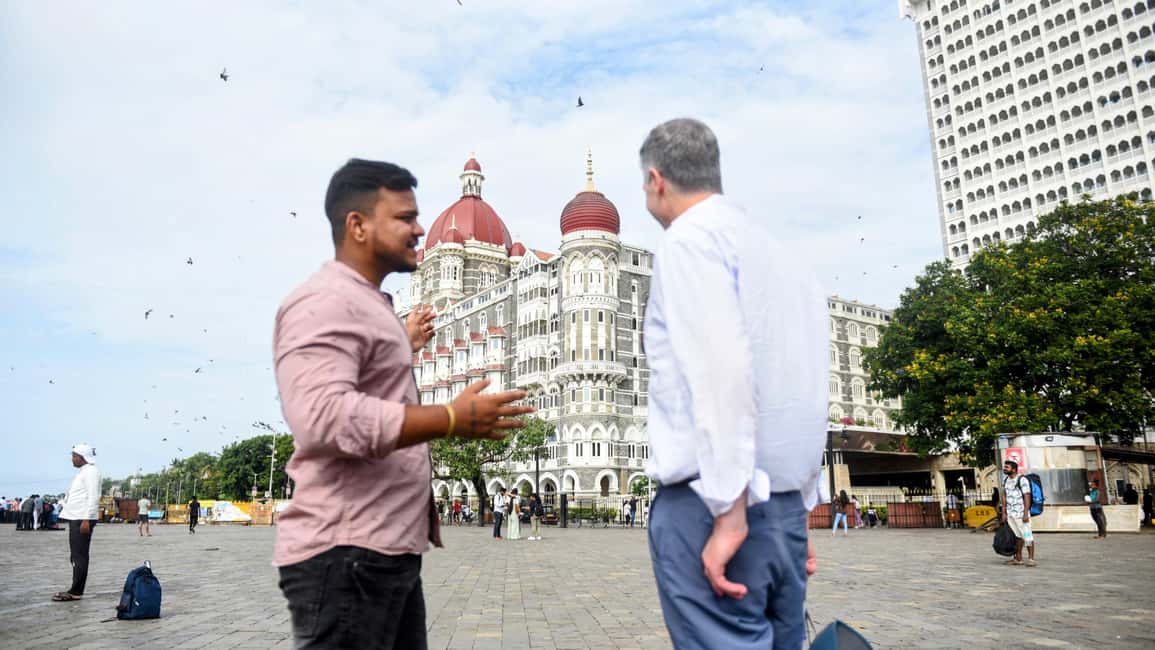
Mumbai can feel like a constant test of patience if you’re navigating on your own. Here, the planning is handled for you: pickup, drops, and transport between neighborhoods are part of the package. That matters because the city’s streets can be busy, and you don’t want your sightseeing to depend on figuring out routes, buses, or taxis mid-day.
The guide aspect is where the tour becomes more than sightseeing. On this route, you might be with a city guide like Ravi or Javed for the heritage and landmark storytelling, and with a Dharavi guide like Krishna for the walking segment. Visitors consistently highlighted clear English and the fact that guides stayed responsive—asked-and-answered questions felt normal, not rushed.
Also, bottled water is included. It sounds small, but in a long day it helps you avoid the constant stop-and-search for drinks. The car being air-conditioned is equally important, since you’ll likely be in transit between multiple areas.
Gateway of India and Taj Mahal Palace: the postcard start, with context
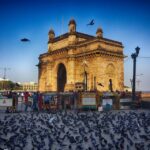
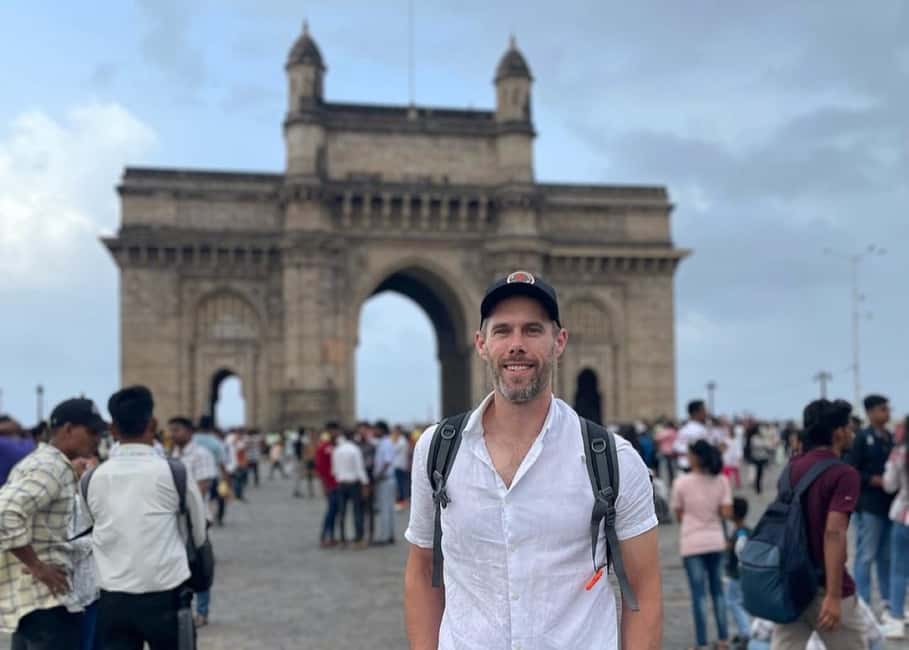
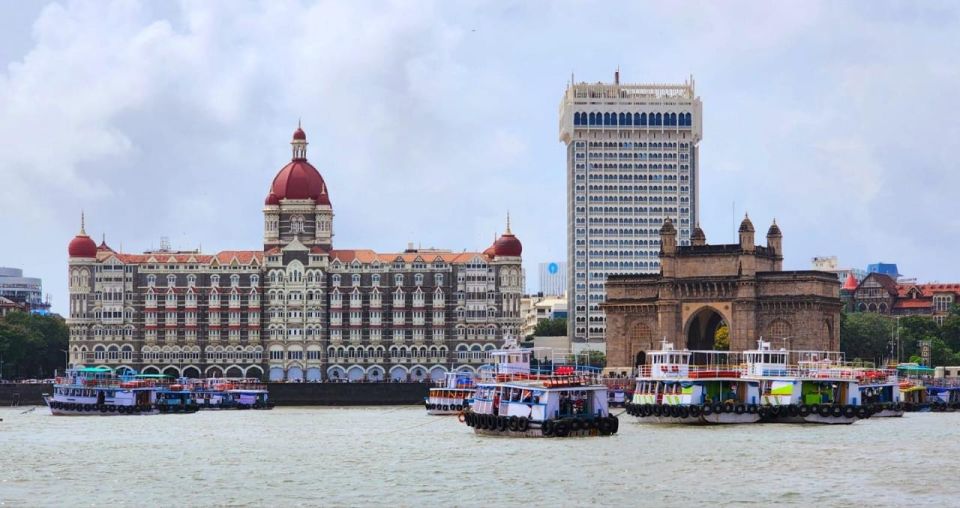
The day typically begins at the Gateway of India area. You’ll get a photo moment, a short guided visit, and time for a real look at what this landmark signals historically and visually. It’s the kind of stop where Mumbai’s coastline style is on full display—arch, sea, and the sense that ships and trade shaped the city’s growth.
Next up is Taj Mahal Palace, which is often viewed as a shiny icon from the outside. The tour usually keeps this brief—a photo stop—so you don’t lose time waiting. Still, this is a smart pairing: you see the grand public monument first, then you see the famous hotel façade second, and your guide can connect why these two areas belong to the same chapter of Mumbai’s story.
The value here is the pacing. Even if you’re only in Mumbai for one day, this start gives you immediate orientation: where the old port energy lived, and how the city’s major landmarks line up along the water.
CST, heritage architecture, and Crawford Market’s everyday energy

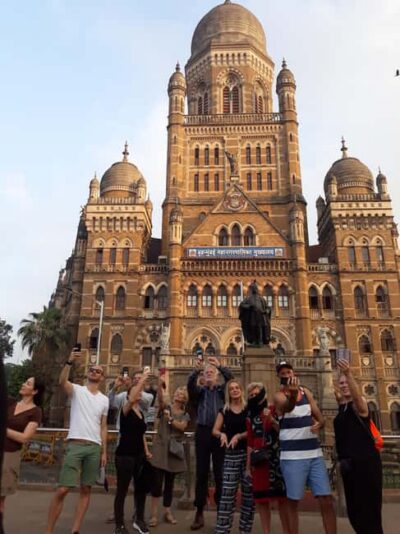
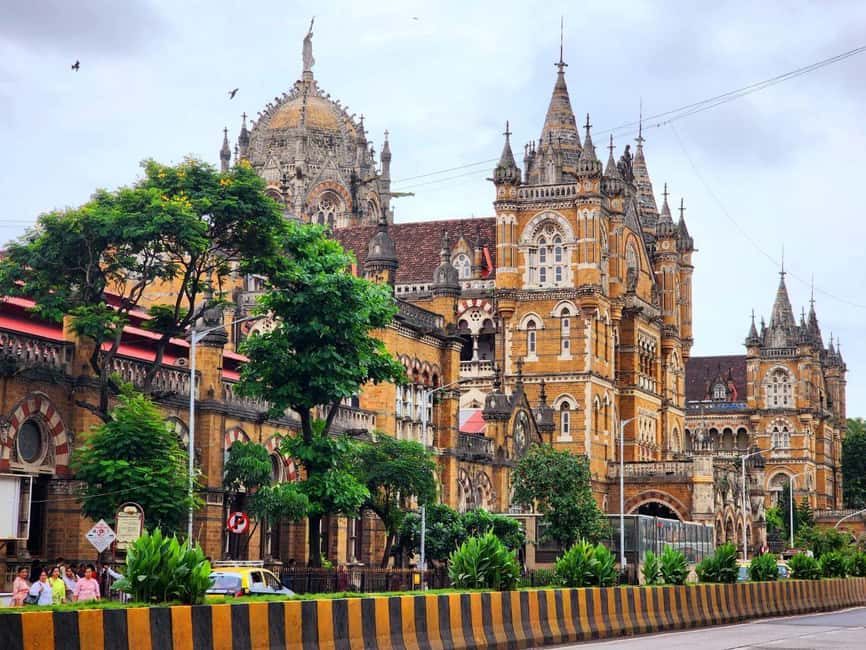
One of the strongest parts of the day is the heritage zone around Chhatrapati Shivaji Maharaj Terminus (CST). You’ll have time for a photo stop plus a guided visit. CST isn’t just a pretty building; it’s a living reminder of how transport, commerce, and city identity developed over time. Seeing it with a guide helps you notice details you might otherwise skim past, especially if you don’t know the architecture already.
From there, the tour often moves into the Crawford Market area, which feels like a different Mumbai. This is where tourists can sometimes get tunnel vision, looking only at sights. But guided time here turns it into something more practical: you learn how markets function as community hubs. There’s typically a visit and walkthrough that helps you understand why this area matters beyond shopping.
A second Crawford Market moment can happen later in the day, including a walk through the food market section. That repeat visit is useful because markets feel different at different times, and the guide can point out what to watch for—how vendors work, where people gather, and what everyday life looks like at street level.
If you like places that tell you how people actually spend their day, this market sequence is one of the best uses of your limited time.
Dhobi Ghat: laundry work you can’t forget
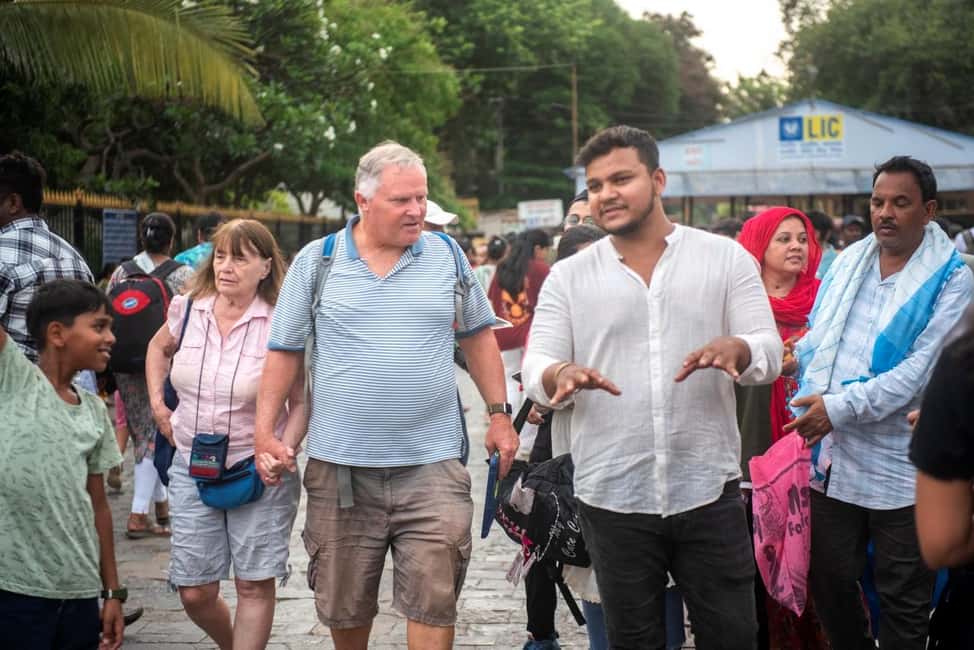
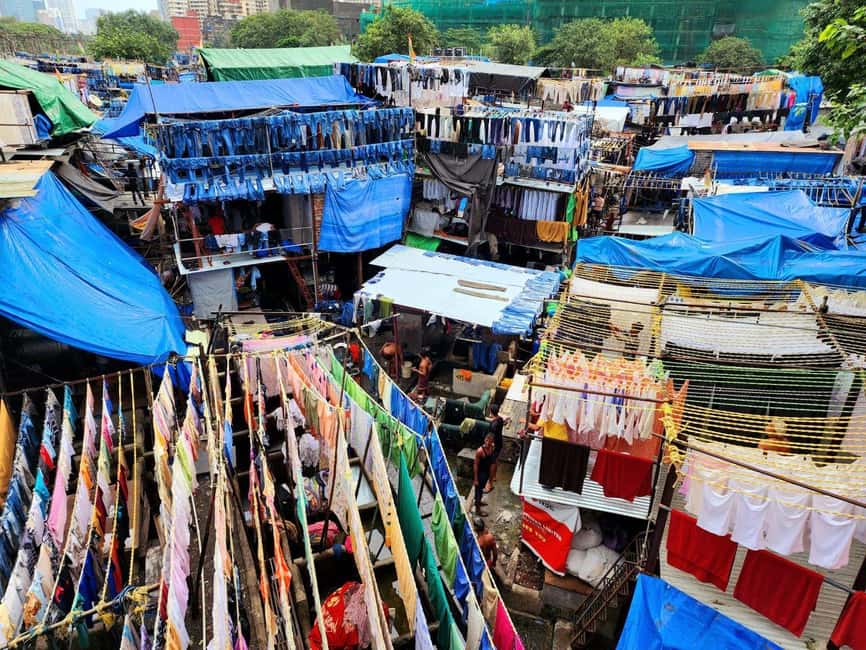
Dhobi Ghat is one of the stops most likely to stick in your memory after the tour ends. You’ll get guided time there, and it tends to be quick in clock terms but heavy in impact. The reason it hits is that you’re watching a skilled labor system in action—something you’re not likely to experience anywhere else as a tourist spectacle.
The guide’s job here is crucial. Without commentary, you can view it as just an open-air laundry scene. With guidance, you understand it as work, community, and routine. Visitors often described Dhobi Ghat as a revelation, with the explanation making the activity feel more connected to Mumbai’s broader rhythm.
Practical tip: this is a working area. You’ll likely want to stay aware of where you’re standing and how much space you take in front of people doing their job.
You can also read our reviews of more tours and experiences in Mumbai





Mani Bhavan: ideas, activism, and a quieter kind of history
Mani Bhavan adds a different texture to the day. It’s not just architecture or waterfront views. It’s a place that puts human decisions, movement, and personal stories into the frame. The tour includes a visit and guided time, typically around 20 minutes.
This stop is valuable because it breaks the pattern of monuments and street views. If you’re the type of traveler who wants to understand how modern Mumbai formed—socially and politically—Mani Bhavan gives you a focused angle.
Also, it makes the tour feel more balanced. After Dhobi Ghat and markets, it’s a welcome change of pace without turning the day into a lecture.
Marine Drive, Malabar Hill views, and the night-light payoff
Marine Drive is one of those Mumbai places that photographs well because it’s made for long city gazes. Your tour includes guided time and a scenic drive segment, plus passing by Malabar Hill for more skyline viewpoints. Even if your photo results aren’t perfect, your guide’s commentary can help you connect why these points matter in Mumbai’s geography and city planning.
The best part for most people is what happens later: the tour ends at Mumbai View Point so you can see the city lit up at night. That finish changes the mood of the day. Your earlier stops are about daylight textures and landmark scale, but the end is about atmosphere—warm street lights, a skyline you thought you knew, and that feeling that the day is finally giving back.
One drawback to plan for: depending on your starting time, traffic, and how the guide times breaks, you may need to stay flexible for the night finish.
Colaba Causeway, Rajabai Clock Tower, High Court photos, and Asiatic Society passes
Colaba Causeway gives you the chance to walk through a lively, tourist-known area where locals also move through daily life. You’ll typically have photo time plus a guided visit and walk. This is a good spot to do light browsing, pick up small items, or simply enjoy the street energy with a guide to keep you oriented.
Then the tour threads through the grand university and institutional belt—Rajabai Clock Tower with a short walk, plus photo stops at places like the High Court of Bombay. The Asiatic Society is usually a pass-by, which means you’ll see it from the route rather than spend long inside.
The key benefit here isn’t checking off famous buildings. It’s the sense of structure. Mumbai has districts that feel like separate worlds, and this institutional segment helps you understand the layout and the old-money/education imprint on the city.
Kamala Nehru Park: a short break with big-city breathing room
You’ll likely stop at Kamala Nehru Park for photos and a short walk. It’s a helpful timing tool inside a long day. After markets, monuments, and travel between neighborhoods, a green pause—however brief—can keep your feet from feeling like they belong to someone else.
It also gives you a calmer viewpoint over the city. If the day already feels like a lot, this is the point where you catch your breath and reset for the more intense final segment: Dharavi.
Dharavi in two hours: what you’ll see and what to do with the emotions
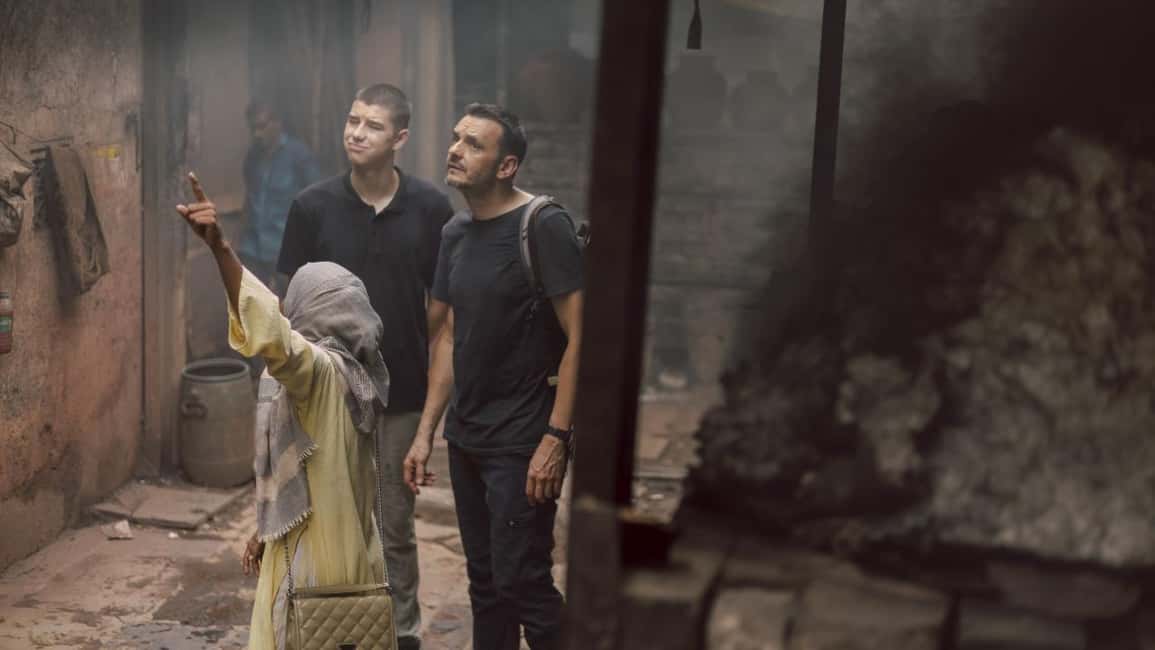
Dharavi is the centerpiece difference between a standard Mumbai highlights tour and this one. You’ll spend about two hours on a guided walking tour in the heart of the area, including stops around recycling factories, residential areas, schools, health facilities, and small-scale industries.
This part is powerful because it’s not only about poverty. It’s also about work, entrepreneurship, and community systems that keep running every day. Many visitors specifically praised Dharavi guides for explaining both benefits and challenges, and for maintaining a respectful tone while showing the real texture of daily life.
If you’re considering the tour, come prepared for mixed feelings. Some moments can feel hard to process. That’s normal. The best way to get value is to go in with respect: watch quietly, follow your guide’s instructions, and don’t treat people’s lives like a photo prop.
A strong plus: visitors noted that some Dharavi guides grew up in the area, which can make the storytelling feel less like a script and more like lived experience. Guides such as Krishna were mentioned often in this role, with city guides like Ravi or Javed pairing well for the “why this place matters” context.
Timing, shoes, and comfort: how to plan for a long day
This tour runs about 4 to 7 hours depending on your selected option and scheduling. You’re likely to have multiple short stops, plus walking time in places like Dharavi and the markets. Even if the guide keeps moving, your body still needs support.
Here’s what I’d plan for:
- Comfortable walking shoes (you’ll do more than you think, especially in markets and Dharavi).
- Light layers because the air-conditioned car can feel chilly after time outside.
- Water awareness, since bottled water is included, but you might also want extra if you’re sensitive to heat.
Also, food and drinks aren’t included. That doesn’t ruin the day, but it means you should treat meals as optional planning rather than part of the fixed itinerary. If you’re the type who needs lunch at a specific time, mention it to your guide and plan accordingly.
Price and value: is $27 a bargain or a trick?
At around $27 per person, the value comes from what’s bundled. Hotel pickup and drop-off, an English-speaking local guide, bottled water, and entry/admissions are included. There’s also skip-the-ticket-line handling, which can save real time at busy sights.
The trade-off is that food isn’t included, and some portions of the day are photo-stop heavy. If you’re hoping for long museum-style time at every attraction, you may feel it’s a little too fast. But if you want a strong overview plus a meaningful Dharavi segment, the price feels fair—especially with private transport and guide attention built in.
In practice, the tour works best when you treat it like a curated day of orientation: see the landmarks, understand the city’s shape, and finish with a segment that adds human weight.
Who this tour suits best (and who might want to rethink it)
I think this is a great fit for you if:
- you have one day (or a tight schedule) and you want both landmarks and local life
- you like guided context, not just photos
- you want a Dhariavi experience led by someone who can explain how life and work function there
It may be less ideal if:
- you hate walking or crowds and you need lots of quiet time
- you want deep time inside major buildings rather than short visits plus travel time
If you’re traveling solo, it can also be reassuring that many visitors specifically felt safe and well cared for by guide and driver pairs.
Should you book the Mumbai and Dharavi combo?
If your goal is to understand Mumbai in one day—real landmarks plus real daily life—this tour is hard to beat. The mix of Gateway of India and CST with Dhobi Ghat, Mani Bhavan, markets, and then Dharavi makes it more than a checklist. And the night-lit ending at Mumbai View Point gives you a satisfying final mood shift.
Book it if you want a guided day with good logistics and strong storytelling from people like Javed, Priti, Subhan, Ravi, and Dharavi guides such as Krishna. I’d recommend it especially when you don’t have time to piece together separate tours on your own.
If you book, go in with good shoes, a respectful attitude for Dharavi, and a willingness to feel a little uncomfortable at times. That’s often where the meaning shows up.
FAQ
How long is the Private Full-Day Mumbai Sightseeing & Dharavi Slum Tour?
The duration is listed as 4 to 7 hours.
What is the price per person?
The price is $27 per person.
Is this tour private or shared?
A private group option is available.
Is hotel pickup and drop-off included?
Yes. Hotel pickup and drop-off are included (pickup is optional depending on your selected option).
What languages are available for the tour guide?
The tour guide provides live guidance in English.
Where do I meet the guide if I’m on a cruise?
You meet your guide at the Green Gate, the exit of the Mumbai International Cruise Terminal.
What are the main sights included in the day?
Key sights include the Gateway of India, Taj Mahal Palace, Chhatrapati Shivaji Maharaj Terminus (CST), Dhobi Ghat, Crawford Market, Mani Bhavan, Marine Drive, Colaba Causeway, and a Dharavi walking tour, plus views from Mumbai View Point.
Is entry/admission included?
Yes, entry/admission is included.
Are meals included?
No. Food and drinks are not included.
Is bottled water included?
Yes, bottled water is included.
What is the cancellation policy?
Free cancellation is available up to 24 hours in advance for a full refund.