REVIEW · MUMBAI
Dharavi Slum Tour
Book on Viator →Operated by Dream City Tours and Travels · Bookable on Viator
Dharavi isn’t what you expect. A short walk through tight alleys turns into a real lesson on work, community, and day-to-day resilience—without the usual poverty spectacle. You’ll hear how Dharavi became globally known after the 2008 movie Slumdog Millionaire, then see the lived reality beyond that film image.
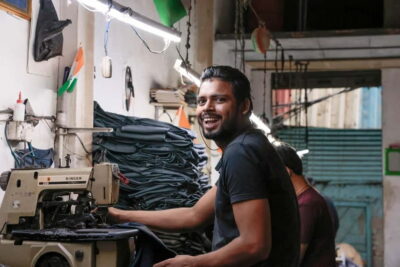
What I like most is the tour’s clear message: this is not about gawking at hardship. I also love that the walk connects you to visible local industries—think plastic recycling, leather work, pottery, and soap production—so the place feels like a functioning mini-city, not a photo backdrop.
One thing to consider: you’re walking through narrow lanes, so you’ll want moderate physical fitness and good weather.
In This Review
- Key Highlights to Know Before You Go
- Why This Dharavi Tour Focuses on Dignity
- Finding the Meeting Point at Café Coffee Day in Mahim
- The 2-Hour Walk: Tight Lanes, Straight Talk, Real Pace
- What You’ll Actually See: Recycling, Leather, Pottery, Soap
- Beyond Workshops: Schools and Churches in the Same Community
- A Note on the Tour’s Mindset: Why It Feels Less Exploitative
- Price and Value: $20 for a 2-Hour Small-Group Experience
- Who This Tour Suits (and Who Might Want to Skip It)
- Should You Book This Dharavi Slum Tour?
- FAQ
- How long is the Dharavi slum tour?
- Where does the tour start?
- Is private transportation included?
- What fitness level do I need?
- What will I see during the tour?
- What happens if the weather is bad or I cancel?
Key Highlights to Know Before You Go
- Not poverty-gawking: the tour is designed to challenge the usual Dharavi stereotypes
- Small group size (max 5): you can actually hear the guide and ask questions
- English-speaking local guide: context stays clear and practical
- Real work on display: plastic recycling, leather work, pottery, and soap production
- Community spaces included: you’ll also see schools and churches
Why This Dharavi Tour Focuses on Dignity
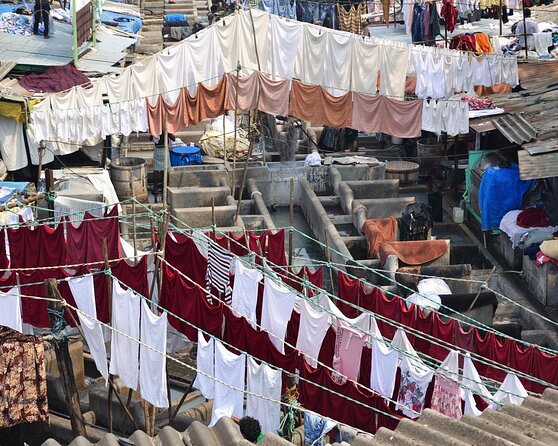
If your mental picture of Dharavi is only misery, this tour is built to correct that fast. The guiding idea is simple: you’re there to understand what people can build under tough conditions—through work, skills, and community life—rather than to treat suffering like entertainment.
I appreciate how this approach changes your mindset the moment you start walking. Instead of staring at problems, you’re watching how residents organize daily life: making things, trading, teaching, and supporting each other. It’s still a place shaped by serious constraints, but the emphasis stays on agency and effort. You leave with a more accurate picture of how complex and capable a community can be.
You can also read our reviews of more tours and experiences in Mumbai.

Finding the Meeting Point at Café Coffee Day in Mahim
You start at Café Coffee Day, Unit No. 58, Ground Floor, Ram Mahal Building, Senapati Bapat Marg, T.P. Road, Station, Marinagar Colony, Navjivan Society, Mahim, Mumbai, Maharashtra 400016. The tour ends back at the meeting point, so you’re not stranded in the middle of nowhere when the 2 hours are done.
This matters more than it sounds. Dharavi area navigation can get confusing, especially if you’re on your first day in Mumbai. From the planning side, Mohamed and Shailinder are mentioned as key helpers for getting people to the right start point, which is a relief when you’re dealing with a dense neighborhood layout.
Two practical notes:
- The tour is near public transportation, so you can usually reach the area without paying for private transport.
- The meeting point is a café—an easy landmark—so you can regroup quickly if your group arrives in separate bursts.
The 2-Hour Walk: Tight Lanes, Straight Talk, Real Pace
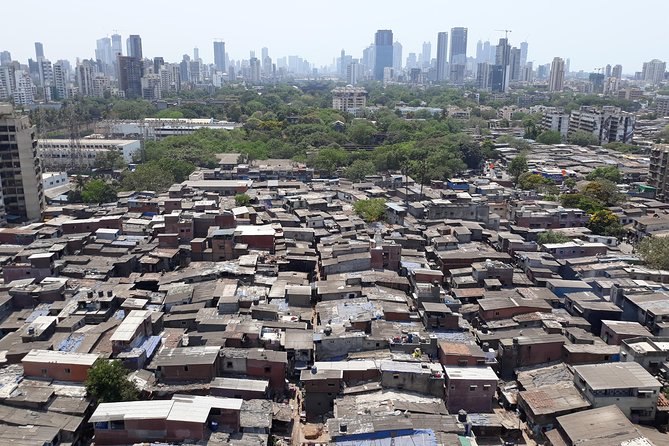
The tour runs for about 2 hours. That’s long enough to see multiple kinds of work and community spaces, but short enough that you can keep your energy for the walking parts.
The group size is capped at 5 travelers, and that changes the whole feel. In a small group, the guide can adjust pace, answer questions, and keep the story moving. It also helps you stay aware of what you’re seeing—rather than feeling like you’re herded through at speed.
Fitness-wise, you should plan for walking in close, narrow alleys. The requirement is moderate physical fitness, which basically means: wear comfortable shoes, expect some uneven steps or crowding, and don’t show up planning for a stroller-friendly stroll (nothing like that is stated). If you’re sensitive to cramped spaces, this is the part to think about before booking.
What You’ll Actually See: Recycling, Leather, Pottery, Soap
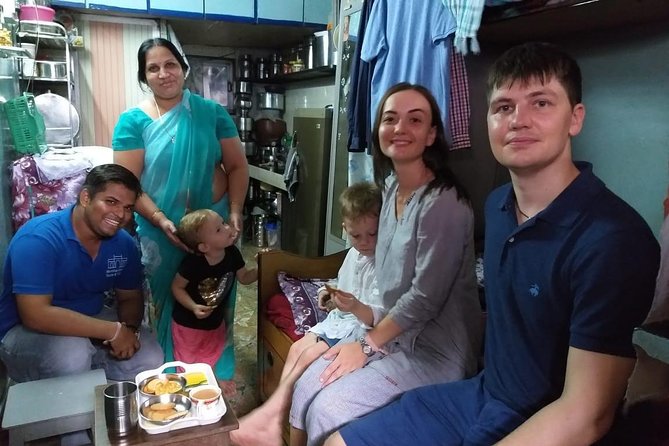
This is where the tour earns its reputation as “more than a photo stop.” You’re guided through a place where you can spot different industries you wouldn’t normally connect to city slums. The highlights listed for Dharavi include:
- plastic recycling
- leather work
- pottery
- soap production
Here’s what’s valuable about seeing these in person, even if you don’t know the technical side. Watching real work happening in tight spaces teaches you how skills travel through families and neighborhoods. You start noticing that “slum” doesn’t mean “random.” It often means informal economies with real production lines—people making, processing, finishing, and selling.
You also get a sense of how this work supports community life. When local industries are active, families can find income streams, and young people can see practical paths into adult work. It’s not a fantasy of success—conditions are still difficult—but it’s a clearer picture than the usual stereotypes.
Beyond Workshops: Schools and Churches in the Same Community
Dharavi isn’t only production. The tour also includes schools and churches as part of what you’ll see, which matters for one reason: it shows that community life happens on multiple tracks, not just work and survival.
Seeing these institutions in the same space you’re walking through gives you a more balanced understanding. You start to connect the dots between:
- learning and future opportunities
- faith-based community support
- and the day-to-day economics you’ve just observed
If you tend to associate slums with only one story, this section helps you correct that mental shortcut. It turns “poverty” into something more accurate: a place with families building routines, supporting one another, and raising children inside the world they have.




A Note on the Tour’s Mindset: Why It Feels Less Exploitative
One of the most praised aspects is the tour’s emphasis on dispelling the wrong idea that Dharavi tours exist to gawk at suffering. That’s not just marketing language—it changes how your visit feels.
When a tour frames itself around dignity and inspiration, you’re more likely to experience the neighborhood as a living community rather than a problem to stare at. You also tend to get context that helps you understand how people navigate constraints. That’s the difference between an image-driven outing and a meaning-driven one.
If you’re the type who wants to “get it” quickly—understand what’s going on, why it matters, and how locals see their own lives—this style will fit you well.
Price and Value: $20 for a 2-Hour Small-Group Experience
At $20 per person, this tour is priced like a “serious value” activity in Mumbai. For that cost, you get:
- an English-speaking local guide
- a roughly 2-hour walking experience
- group options (and group discounts)
- a mobile ticket
The big value lever here is the small group size (max 5). With only a handful of people, the guide’s time and attention can go further, and the experience feels more like an organized conversation than a cattle-line walkthrough.
The main cost consideration isn’t the tour price—it’s what’s missing. Private transportation is not included. So your total trip cost depends on how you get to the meeting point in Mahim. The good news is that the start area is near public transportation, which can keep the day budget-friendly.
Also, this gets booked fairly often—on average about 6 days in advance—so if your schedule is tight, don’t wait until the last minute.
Who This Tour Suits (and Who Might Want to Skip It)
This Dharavi Slum Tour is a strong fit if you want:
- an on-foot, human-scale experience in Mumbai
- a guided look at local industries like recycling, leather work, pottery, and soap production
- context that pushes you past stereotypes
- a small group setting where you can actually hear the guide
It may feel like the wrong choice if you’re looking for classic “attractions” like monuments, views, or museums. This is about real neighborhoods and real work, and that can be emotionally intense if you’re not ready for it.
It’s also not built for people who strongly dislike walking in tight spaces. You don’t need to be an athlete, but moderate physical fitness is part of the deal because the setting is narrow-lane and compact.
Should You Book This Dharavi Slum Tour?
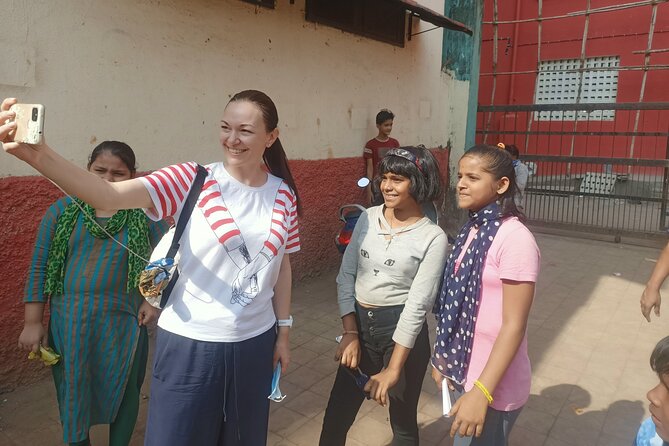
Yes—if you’re open-minded and you want a guided, respectful look at how a community runs on skill, work, and social support. The combination of a small group, an English-speaking local guide, and a focus on dignity makes it a smarter choice than the stereotype-based “slum tour” idea.
I’d book it when:
- you can reach Mahim easily via public transport
- you’re traveling with time for a 2-hour walking experience
- you can handle tight alleyways and stay comfortable in a small group
One more practical point: this experience requires good weather. If conditions are poor, plan for an alternate date or a refund option, since that weather factor is part of how the tour operates.
If that sounds like you, this is a worthwhile Mumbai moment—more honest than you expect, and a lot more inspiring than the movie fame alone would suggest.
FAQ
How long is the Dharavi slum tour?
The tour lasts about 2 hours (approximately).
Where does the tour start?
It starts at Café Coffee Day, Unit No. 58, Ground Floor, Ram Mahal Building, Senapati Bapat Marg, T.P. Road, Marinagar Colony, Navjivan Society, Mahim, Mumbai, Maharashtra 400016, India, and it ends back at the meeting point.
Is private transportation included?
No. Private transportation is not included, so you’ll need to get to the meeting point yourself.
What fitness level do I need?
You should have a moderate physical fitness level since the tour involves walking in narrow alleys.
What will I see during the tour?
You can expect a walk through narrow alleys, with attention to the sense of community and local work such as plastic recycling, leather work, pottery, and soap production, plus schools and churches.
What happens if the weather is bad or I cancel?
The tour requires good weather. If it’s canceled due to poor weather, you’ll be offered a different date or a full refund. You can cancel for a full refund if you cancel at least 24 hours in advance.