REVIEW · MUMBAI
Private Dharavi Slum Tour with Guide and Transport
Book on Viator →Operated by MUMBAI TOUR VISION · Bookable on Viator
Dharavi is not what you think. This private tour takes you into Mumbai’s best-known low-rise neighborhood, using a local guide to explain what you’re seeing and why it matters, plus a stop in Kumbharwada, the potters’ area.
I especially like the hotel pickup and air-conditioned transport, because it keeps the day practical. I also like the chance to get a personal, respectful guide-led route, with Gurmit and Divya showing up in real-world reviews as professional, funny, and attentive.
One drawback to consider: this is a close-up look at tough living conditions. You’ll want to come with a respectful mindset, good shoes for narrow lanes, and the emotional stamina for real life.
In This Review
- Key highlights worth knowing
- Private Dharavi tour with hotel pickup: where the time goes
- The Dharavi 90-minute walk: what you should expect (and how to handle it)
- Kumbharwada potters’ area: a short stop with a craft focus
- Guides Gurmit and Divya: why local context changes everything
- Time, transport, and the $90.78 value check
- How to be a respectful visitor in Dharavi (so the visit stays good)
- Who this tour suits best (and who might want another option)
- Should you book this private Dharavi slum tour?
- FAQ
- How long is the Dharavi slum tour?
- Do I get pickup and drop-off from my hotel?
- What is included in the tour price?
- Are admission tickets included?
- Is this a private tour?
- What is the cancellation policy?
Key highlights worth knowing
- Hotel pickup and drop-off so you spend less time coordinating
- English-speaking expert guide who frames the stories behind what you see
- A 90-minute walking portion in Dharavi focused on daily life rather than quick photos
- Kumbharwada pottery stop for a short look at how ceramic craft fits into the community
- Bottled water and coffee or tea during a tour that includes a decent amount of walking
- Service that reviewers connect with: guides like Gurmit and Divya get praised for being patient and respectful
Private Dharavi tour with hotel pickup: where the time goes
A Dharavi visit is one of those trips where logistics can make or break the day. This tour is built to remove the biggest headache: you’re picked up from your hotel and taken to the start, then dropped back after the walk and the pottery stop. That sounds basic, but in Mumbai it’s a real quality-of-life upgrade, especially when you’re walking in tight streets.
Price-wise, $90.78 per person isn’t “cheap,” but you’re paying for a set of things that add up fast when you do them on your own: transport, an English guide, and guided time with local context. You’re also not stuck trying to decode local directions while you’re figuring out where you’re allowed to go and what you should ask.
You also get an air-conditioned vehicle. During a half-day in warm weather, that matters more than you’d think—especially because the tour includes a 90-minute on-foot segment.
You can also read our reviews of more guided tours in Mumbai



The Dharavi 90-minute walk: what you should expect (and how to handle it)
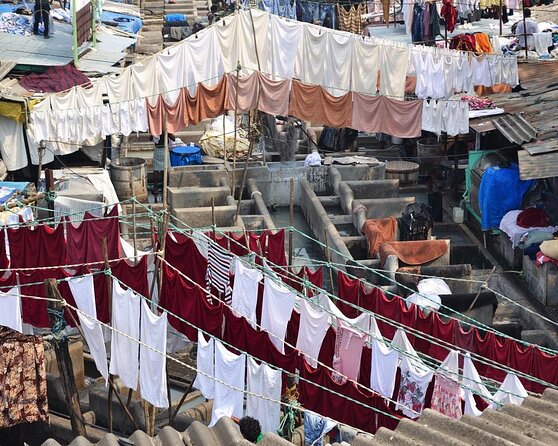
The main event is a 90-minute immersive walking tour in Dharavi, guided and structured around stories and everyday life. This isn’t framed like a theme park ride. The best way to think of it is as guided orientation: you move through the neighborhood, see how people live and work, and hear explanations that help you connect the dots beyond what you’ve seen in films or stereotypes.
That “walking” part is also the reality check. Dharavi isn’t laid out for visitors. Narrow lanes and close walls mean you’ll be moving at walking speed, not tour-bus speed. You’ll get closer to what’s going on around you, which is exactly what you want—but it also means comfort details matter:
- Wear shoes you can walk in for an hour and more.
- Expect to feel warm and surrounded.
- Bring your questions, but also be ready for slower conversations depending on what your guide is handling on the ground.
What I like about the way this is set up is that it pushes you toward understanding daily rhythm. The tour includes an admission ticket for the Dharavi portion, which usually signals there’s a planned structure to the visit. In other words, you’re not just wandering; you’re there with guidance.
One more practical point: service details show up in feedback. People have noted that the company looked after comforts like refreshments, and even clean washrooms were mentioned. That’s not “tour glitter,” but it is the kind of practical thing you’ll care about after a couple of hours on your feet.
Kumbharwada potters’ area: a short stop with a craft focus
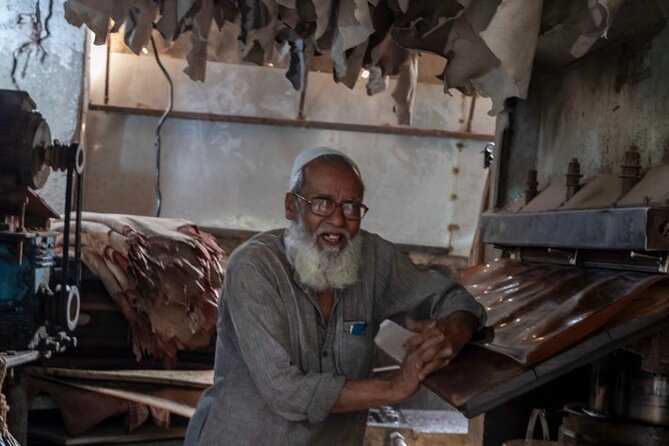
After Dharavi, the tour includes Kumbharwada, known for pottery and ceramics. This portion is shorter—about 30 minutes—and it’s designed to give you a focused look at craft work in the area rather than trying to cover every industry you might hear about in the wider Dharavi conversation.
In a place this large, a timed stop has an upside: it gives you enough time to observe how pottery is made, and enough time to ask basic questions without turning it into a long sit-down lecture. You’re not stuck in a rushed photo line either, because the stop is built around a visit to the potters’ colony.
A nice detail: the Kumbharwada stop is listed as having admission free. That means the main “cost” of the tour is tied to the guided Dharavi walk and overall logistics, not a second paid attraction. It also helps you feel like you’re getting two different styles of learning: neighborhood life first, then craft.
If pottery isn’t your thing, you can still use the stop as a window into how skills and production fit into daily survival and community life. Even without buying anything, you’ll likely leave with clearer mental images than you came in with.
Guides Gurmit and Divya: why local context changes everything
In Dharavi, your guide isn’t just a translator. They’re your filter. The difference between a respectful visit and a disrespectful one often comes down to how your guide handles boundaries—what to look at, what to ask, and when to move on.
The reviews tied to Gurmit and Divya have a consistent pattern: they’re described as professional, patient, and attentive to details. One recurring theme is that the guide approach helps break stereotypes by putting daily life into context rather than treating the neighborhood as spectacle.
Divya, specifically, shows up in feedback as someone who knows the area and the people well and keeps the tone respectful. People also praised her flexibility in how the day unfolded, which matters because real neighborhoods don’t behave like clockwork.
Gurmit shows up as the kind of operator who responds quickly and runs tours with clear care. One anecdote in the feedback even described a guide joining guests later to watch the Cricket World Cup, which signals a human level of engagement beyond a strict “drop you and leave” model. That doesn’t mean you should plan your entire trip around an extracurricular moment—but it does suggest the guides aim to make the visit feel connected to real Mumbai life, not sealed off behind a script.
Bottom line: you’re paying for guidance that helps you see what’s happening without turning people into props.
Time, transport, and the $90.78 value check
Let’s do the value math in plain terms. You’re paying $90.78 per person for a tour lasting about 3 to 4 hours. That time isn’t just “walk time.” It includes pickup and drop-off, plus the guided portions in Dharavi and Kumbharwada.
You also get:
- English-speaking guide
- Bottled water
- Coffee and/or tea
- Air-conditioned vehicle
- All fees and taxes
- Admission ticket included for Dharavi; Kumbharwada admission listed as free
If you were to piece this together yourself, you’d likely spend money on transport, then still need a trustworthy local guide who can take you where visitors are expected and guide you through what you’re seeing. This price point starts to make sense as “one organized morning” rather than “a DIY challenge.”
Is it worth it if you’re short on time? In many cases, yes—because the tour compresses meaningful learning into a manageable half-day. Is it worth it if you want to spend the entire day with a single community? You might feel limited, since it’s built around a 90-minute walk plus a 30-minute pottery stop.
So think of it as a well-structured introduction. If you’re staying longer in Mumbai and want a deeper follow-up, this tour can be a strong first step.
You can also read our reviews of more private tours in Mumbai





How to be a respectful visitor in Dharavi (so the visit stays good)

This neighborhood is part home and part work. So your behavior matters. The good news: the tour is designed to guide you, and the guides praised in feedback are specifically noted for being respectful and caring with visitors.
Still, you’ll do yourself a favor by arriving prepared:
- Keep your camera attitude thoughtful. If you’re not sure, ask your guide first.
- Treat conversations like real conversations, not interviews.
- Don’t assume you know someone’s story. Your guide’s job is to explain; your job is to listen.
- Be patient with movement. Narrow lanes mean you can slow things down if you stop suddenly.
Also, plan for bodily comfort. You’re walking for a solid chunk of time, so socks, hydration, and shoes matter. The tour includes bottled water and hot drinks, which helps, but you still want to pace yourself.
If you’re sensitive to difficult realities, give yourself time after the tour to reset. A neighborhood visit like this can stick with you.
Who this tour suits best (and who might want another option)
This is best for you if:
- You want a structured visit with an English guide rather than trying to figure things out alone.
- You’re open to a close-up view of real life in Mumbai, including the hard parts.
- You like learning with a human guide who can correct misconceptions as you go.
- You value logistics: pickup, transport, and basic comforts are handled.
It may not be ideal if:
- You want a relaxed, leisurely sightseeing day with minimal walking.
- You strongly prefer curated “attractions” over lived-in neighborhoods.
- You’re looking for a long pottery workshop or a deep dive into a single craft (this is more of a short introduction).
The fact that it’s private—your group only—helps you keep the pace and tone comfortable. In a place like Dharavi, that privacy can make a difference in how much your guide can focus on your questions.
Should you book this private Dharavi slum tour?
I’d book it if you want a respectful, guided introduction to Dharavi plus Kumbharwada without the stress of planning transport and navigation. The combination of hotel pickup, an English-speaking guide, and a real walking route makes it feel organized rather than improvised.
I’d skip or rethink it if you’re hoping for a light, entertainment-focused outing. This isn’t designed to be painless. It’s built to show real community life, and your experience will depend on your mindset as much as the schedule.
If you do book, go in prepared for a mix of education and emotion. And when you meet your guide—whether it’s Gurmit or Divya—take advantage of the fact that they can explain what you’re seeing in plain words. That’s the part you’ll remember long after the transport drops you back at your hotel.
FAQ
How long is the Dharavi slum tour?
The tour runs about 3 to 4 hours in total.
Do I get pickup and drop-off from my hotel?
Yes. The tour includes pickup and drop-off from your hotel.
What is included in the tour price?
It includes an English-speaking expert guide, bottled water, coffee and/or tea, an air-conditioned vehicle, and all fees and taxes.
Are admission tickets included?
Admission ticket for Dharavi is included, while Kumbharwada is listed as admission free.
Is this a private tour?
Yes. It’s private, and only your group participates.
What is the cancellation policy?
Free cancellation is available up to 24 hours before the experience starts for a full refund. If you cancel less than 24 hours before, the amount paid is not refunded.