REVIEW · MUMBAI
Mumbai: Dharavi Slum Slumdog Millionaire Tour with a Local
Book on GetYourGuide →Operated by Amaze Tours · Bookable on GetYourGuide
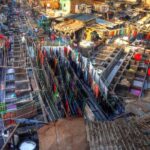
Dharavi turns Mumbai into real life. Famous from Slumdog Millionaire, it’s still a working neighborhood where daily community life plays out in tight alleys, led by a local guide. You’ll walk in a place that’s not just a headline, but a functioning pocket of Mumbai.
I love how this tour keeps its focus on small-scale industries—think soap and handmade cosmetics, pottery, and textiles—while also explaining how work actually gets made and passed along. I also like the option for hotel pickup and drop-off, which matters in a city where getting from A to B can eat your whole day.
One key consideration: this tour isn’t suitable for pregnant women, people with mobility impairments, or anyone with heart problems.
In This Review
- Key takeaways before you go
- Why Dharavi feels different from the movies
- Meeting your local guide and getting oriented fast
- What you’ll see in Dharavi’s narrow alleys
- Small-scale industries: the practical parts of “how things get made”
- Recycling and the supply chain behind everyday consumption
- Culture, community spirit, and respectful interactions
- The pottery factory finish and your easiest exit plan
- Price, time, and whether it’s good value at $10
- What to bring (and what to plan around)
- Who this tour fits best—and who should skip it
- Should you book this Dharavi Slum tour?
- FAQ
- How long is the Dharavi Slum Slumdog Millionaire Tour with a Local?
- How much does the tour cost?
- What’s included in the price?
- Is food included?
- Is there an add-on vegetarian meal?
- Where do I meet the guide?
- Will the tour run in rain?
- Are photos and videos allowed?
- Does the tour offer private or small groups?
- Is it easy to get back to the city after the tour?
- Who should avoid booking?
Key takeaways before you go
- Local-led walking through narrow lanes, in a small group so you stay together
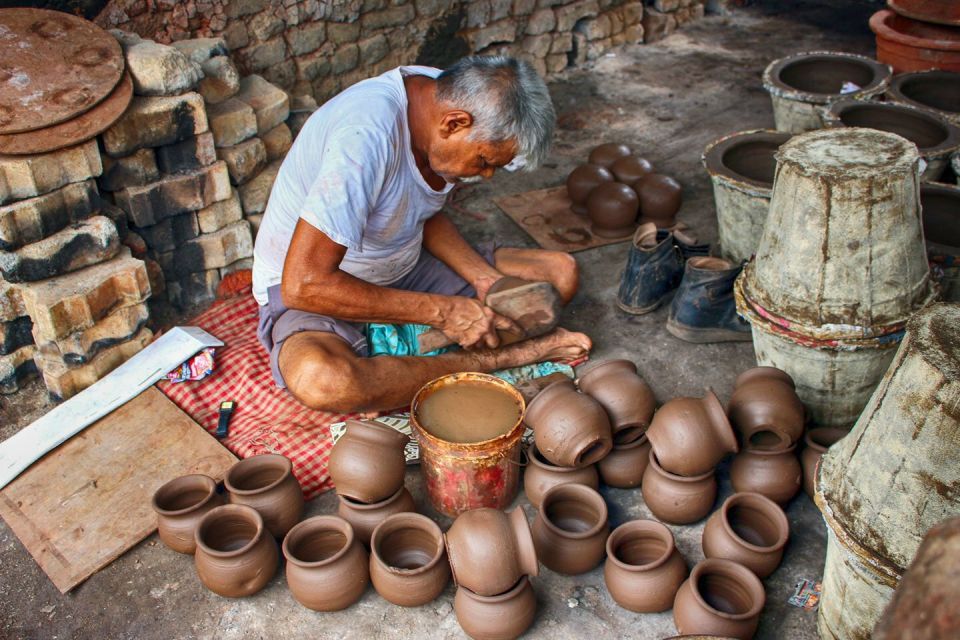
- Small industries up close, from cosmetics to textiles and pottery
- Recycling work explained, including the production chain logic
- Community details beyond the headlines, including schools and a hospital
- End at a pottery factory, where you can ask for a taxi
- Optional home meal add-on with a local family if you want more time inside Dharavi
Why Dharavi feels different from the movies
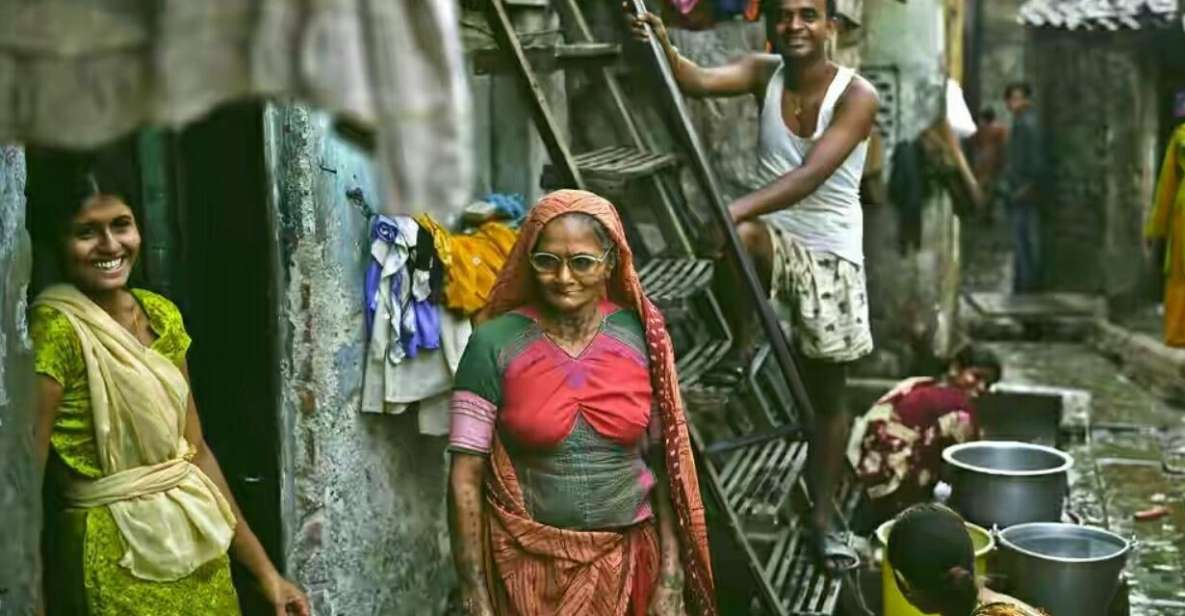
Dharavi’s global nickname comes from a film, but the lived reality is more practical. The tour is designed to show you Dharavi as a working neighborhood, with people making products, running small businesses, and keeping routines going between the harder conditions you’ll also see.
The most valuable part is the “city within a city” feeling. You’re not just staring at poverty; you’re watching a local economy at work. One of the strongest review themes is the contrast between tough working areas (especially around recycling) and calmer residential parts, where community institutions like schools and a hospital show up.
Still, keep your expectations grounded. This is not a gentle, postcard-style experience. You’ll see life as it is—close up, sometimes hot, and often emotionally heavy.
You can also read our reviews of more tours and experiences in Mumbai.

Meeting your local guide and getting oriented fast
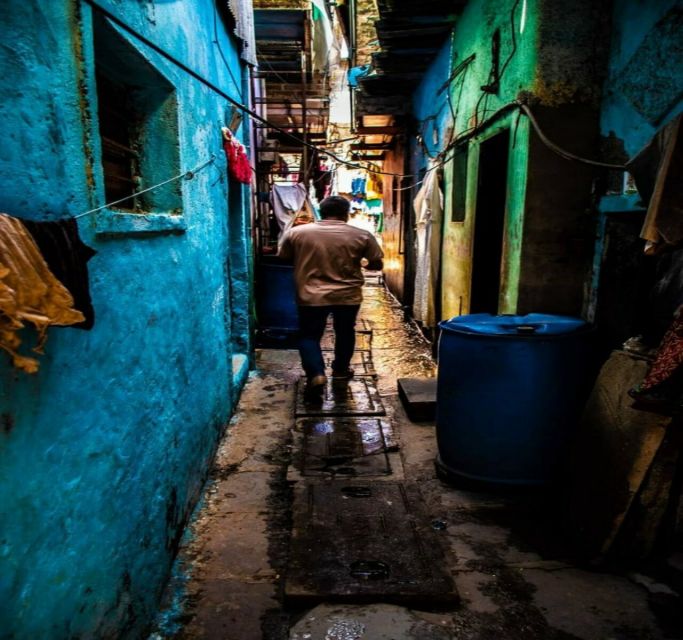
You start by meeting your guide at Dharavi (the exact meeting point can vary by booking option). From step one, the guide’s role is about keeping the walk manageable and respectful, especially in narrow alleys where crowds and confusion can form quickly.
A big reason this tour works is that it’s built for small groups, not busloads of people. That means fewer bottlenecks and more chances to ask questions—things you’d never know how to ask if you were wandering on your own. You’ll also get bottled water, which sounds basic, but in Mumbai heat it’s a genuine comfort.
If you choose the hotel transfers option, you remove a lot of stress. Even when you’re not using transfers, expect the tour to end in a way that helps you continue your day smoothly—your guide can help with getting a taxi once the walking portion finishes.
What you’ll see in Dharavi’s narrow alleys
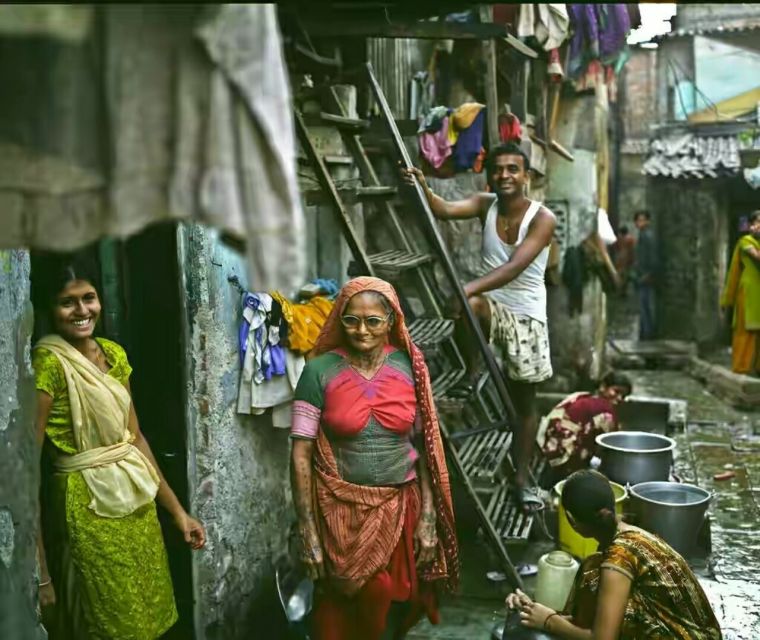
This tour is mostly a walking experience, and that’s the point. You’ll move through tight lanes where you can actually read the rhythm of the neighborhood: where people pause, where work happens, and how small spaces get used.
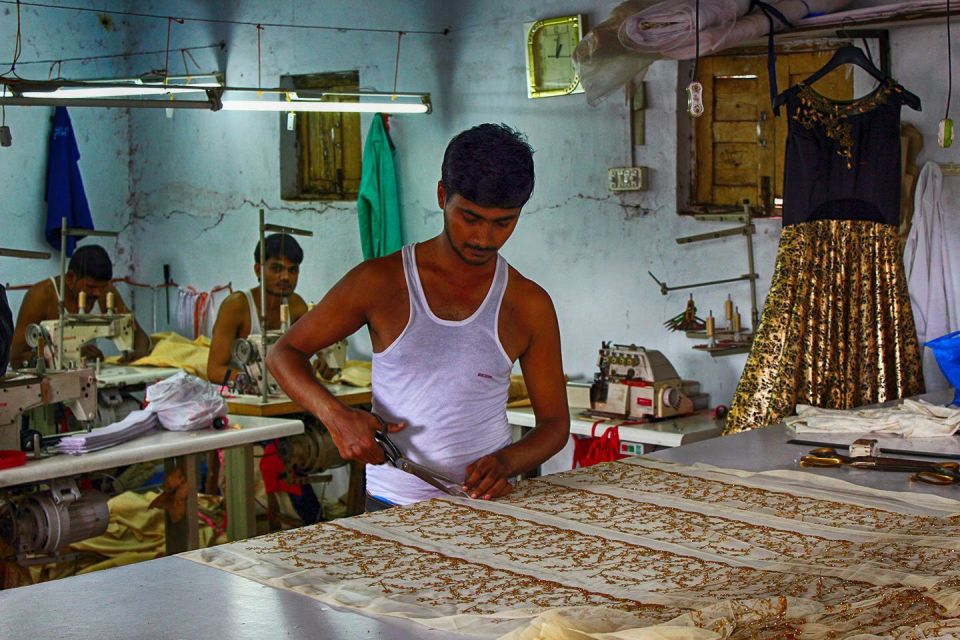
You can also expect a steady stream of “small business” stops. The tour description points to items like exotic soaps and handmade cosmetics, plus pottery and textiles, and the overall theme is production at human scale. In other words, you’re seeing work that’s local, immediate, and built around skill.
As you walk, your guide will help you connect what you’re seeing to bigger systems. One of the most praised elements is how the tour frames Dharavi as more than one story—there are different traditions, different beliefs, and multiple ways people organize daily life in the same area.
Drawback to keep in mind: the route is active, and you should plan on time standing and walking on uneven ground.
Small-scale industries: the practical parts of “how things get made”
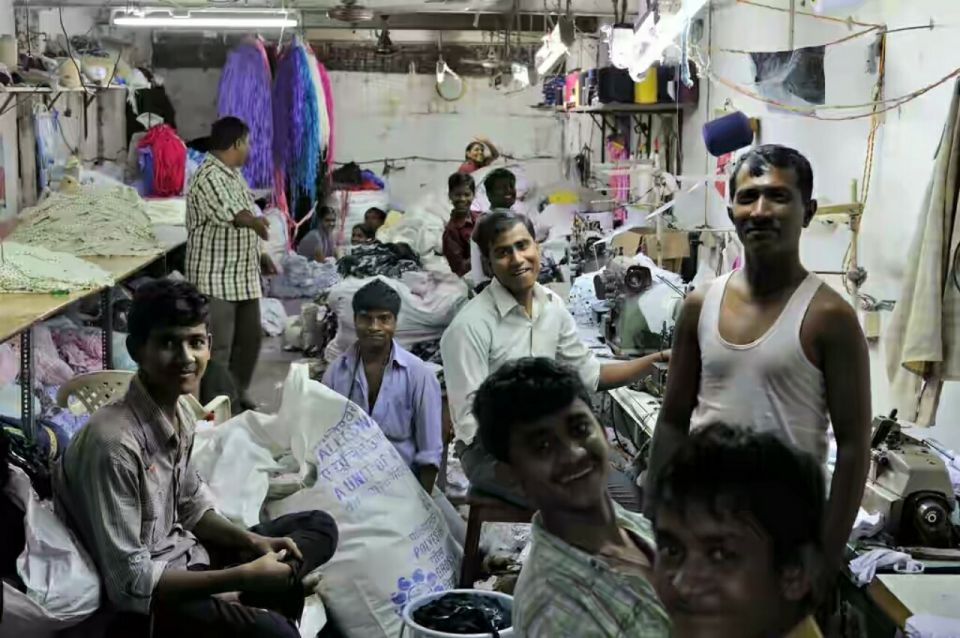
The tour shines when it turns products into processes. Instead of a quick “look at this factory,” you get an explanation of how materials move and how people specialize. That makes Dharavi stop being mysterious and start feeling logical.
A few industry types you’ll likely encounter based on what the tour highlights:
- Handmade goods like soaps and cosmetics
- Textiles and related production
- Pottery work (you also finish at a pottery factory)
What’s especially useful for you as a visitor is the production-chain view. When your guide can explain how one workshop links to another—sometimes via recycling inputs—you start understanding why certain goods show up in markets far beyond Mumbai.
The tone can be serious, but it’s not all grim. Several guides named in the tour history (like Alam, Maze, Loki, and Ganesh) are praised for making the walk both informative and human, with a lightness that helps you handle what you’re seeing.
Recycling and the supply chain behind everyday consumption
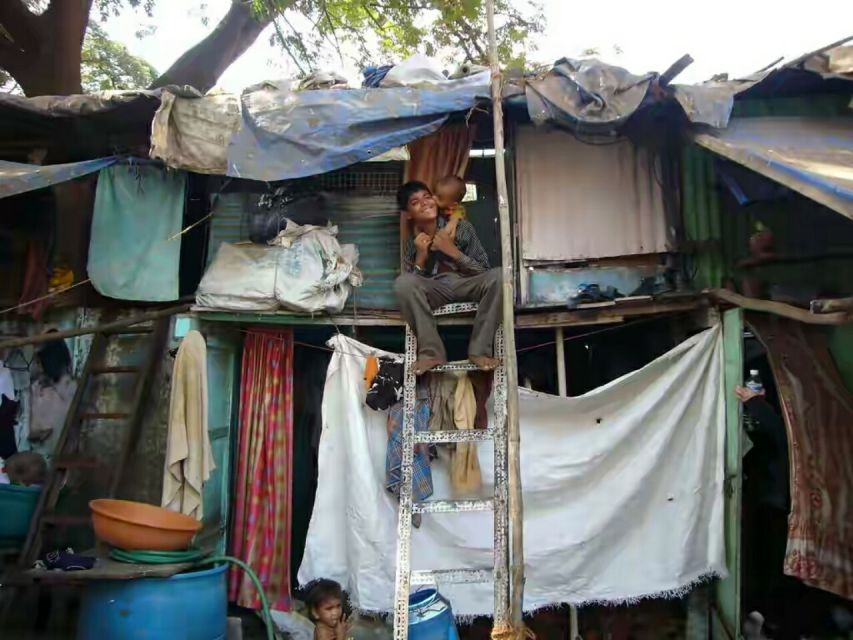
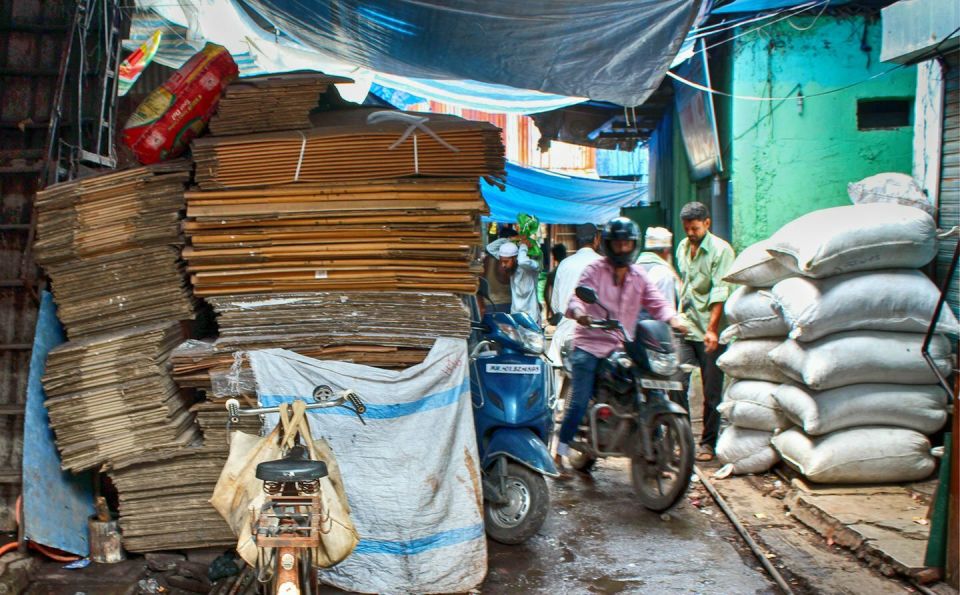
Dharavi’s recycling industry is a major theme of this tour. You’ll learn how the recycling process works in practice, not just as a concept. That means you can connect waste, sorting, and small manufacturing to the products that end up being used elsewhere.
In plain terms, this is where Dharavi’s global link becomes visible. One review notes the contrast between harsh conditions for seasonal and migrant workers in recycling industries and the calmer residential side. Even if you don’t focus on contrasts, you can’t miss that the work is physical and time-sensitive.
This is also why the tour can be a useful reality check. It encourages you to look at materials—packaging, scraps, discarded items—and understand the labor and skill that transform them. It’s not guilt-tripping. It’s perspective.
If you’re sensitive to heavy topics, give yourself a buffer. Bring water, take a short pause when you need it, and let your guide know if you want to slow down.




Culture, community spirit, and respectful interactions
Dharavi is often described in two extremes: either as shocking or as misunderstood. This tour aims for a third option: seeing the place as a working community with a community spirit that still holds.
Because the tour is led by someone from the local environment (English-speaking guides are part of the deal), you’ll have a better chance to interact appropriately. You may meet people along the way, and your guide will help you frame questions in a way that feels considerate.
One of the strongest points from guide feedback is that the tour helps you see Dharavi as diverse—not a single stereotype. You’ll notice different traditions and beliefs coexisting in a shared space, and you’ll get a sense of how people keep education, healthcare, and everyday business going.
Photography note that matters for your behavior: photography and videography aren’t permitted in most places. If you want photos, ask your guide first and follow their direction. This isn’t just a rule—it’s part of protecting people’s privacy.
The pottery factory finish and your easiest exit plan
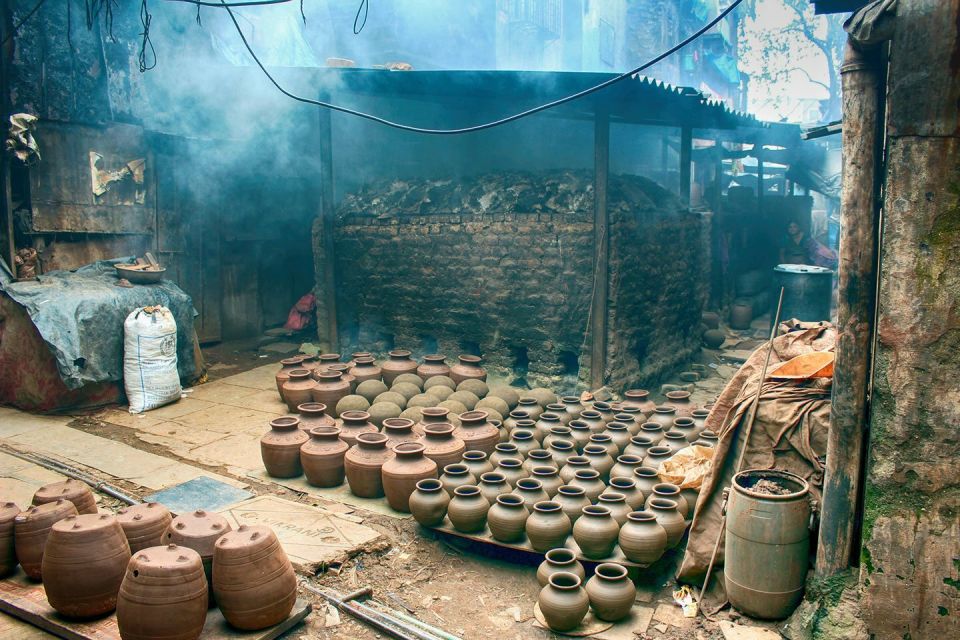
Your walk ends at a pottery factory. That’s a smart finish point because it connects the whole tour to a tangible craft—something you can see and ask questions about right at the end.
From there, you have options:
- You can ask your guide to help you get a taxi
- If you booked an option with hotel transfer, you’ll have a clearer path back
- You can add a vegetarian meal with a local family if you want to stay longer
That meal add-on is a key “should I stay longer” choice. The tour description says it’s a vegetarian meal with a local family at home. If you’re up for it, it turns the experience from street-level observation into a longer sit-down moment—time you can use to ask normal questions about daily life.
Some guides are also praised for helping with onward transport planning, including getting you back using local connections. Since transport can vary depending on your exact route and day, treat that as a guide-provided service, not something you should plan to figure out yourself on the spot.
Price, time, and whether it’s good value at $10
At $10 per person, this is one of those tours that sounds almost too cheap for what you get—until you look at what’s included. You’re paying for an English-speaking local guide, bottled water, and a structured walking route that leads to real work sites and a pottery factory finish.
If you pick the hotel pickup and drop-off option, you’re also paying for time and friction reduction. In Mumbai, the “cost” of navigating transport is often bigger than the money cost. Eliminating that stress can make a short 1.5–3 hour tour feel like a solid block of understanding instead of a logistical scramble.
Time matters, too. In a few hours you can cover multiple industries, learn how recycling connects into production, and get context from a guide who knows the neighborhood rules. If you’re short on time, it’s a strong use of an afternoon.
The only catch is that you shouldn’t expect a museum-style pace. This is active street time.
What to bring (and what to plan around)
Because this tour runs rain or shine, you need to pack for weather, not hopes. Wear comfortable shoes you don’t mind getting dusty, and plan for long pants since the route is active and often outdoors.
Helpful items:
- Comfortable shoes
- Sunglasses
- Sun hat
- Long pants
Also plan around the photo rule. Don’t spend the whole tour trying to film. Use your eyes, take notes if you like, and ask your guide where photos are allowed.
Finally, bring a respectful mindset. Tips aren’t included, and the guide relationship matters. If you feel it’s earned, tipping is optional but always part of the real-world equation.
Who this tour fits best—and who should skip it
This tour is a great fit if you want authentic context. It works well for first-timers to Mumbai who want to understand how everyday products and recycling labor connect to global consumption. It’s also a good choice if you like “small group” experiences and you value asking questions directly.
It may not suit you if you:
- Need a low-walking, low-stairs route (mobility impairments are specifically listed as not suitable)
- Have heart problems
- Are pregnant
It’s also worth saying out loud: the tour can feel emotionally tough. You’ll see harsh working conditions in some areas. If that affects you, plan breaks and don’t rush the experience.
Should you book this Dharavi Slum tour?
If you’re looking for a quick Mumbai experience that explains how a working neighborhood functions—and you’re okay with an honest, up-close view—yes, book it.
Choose it especially if you want:
- A local guide who can explain the why behind the work
- Small industries and recycling shown through real production chains
- An easy finish at a pottery factory with help getting a taxi
- Hotel transfer added if you’re short on time or don’t want transport hassle
Skip it if you’re not comfortable with the physical pace, or if your health or mobility situation makes the route unsafe.
FAQ
How long is the Dharavi Slum Slumdog Millionaire Tour with a Local?
The duration is listed as 1.5 to 3 hours, depending on the option and availability.
How much does the tour cost?
The price is $10 per person.
What’s included in the price?
Included items are an English-speaking local guide, bottled water, and hotel pickup and drop-off if that option is selected.
Is food included?
Meals and drinks are not included, unless you add the optional meal with a local family.
Is there an add-on vegetarian meal?
Yes. You can add a vegetarian meal with a local family if you want to stay longer in the area.
Where do I meet the guide?
The meeting point may vary depending on the option you book.
Will the tour run in rain?
Yes. The tour takes place in rain or shine.
Are photos and videos allowed?
Photography and videography are not permitted at most places. Check with your guide before taking any pictures or videos.
Does the tour offer private or small groups?
Yes. Private or small groups are available.
Is it easy to get back to the city after the tour?
Your tour ends at a pottery factory, and you can ask your guide to get you a taxi. If you book the hotel transfer option, pickup and drop-off are included.
Who should avoid booking?
This tour is not suitable for pregnant women, people with mobility impairments, or people with heart problems.