One of Mumbai’s most human walks. In about 2 hours, you’ll get close-up views of small workshops and the recycling work that keeps Dharavi running, and I love that the group stays tiny at 15 people with lots of time for questions. The main drawback to consider is that this is a dense, on-foot area—so comfortable shoes and patience matter.
You’ll move from the commercial side, where waste management and manufacturing are happening in plain sight, into the residential side with markets, schools, leather work, pot-making areas, and tight lanes that make it easy to feel how everyday life actually flows. It’s also a tour that explains the entrepreneurial spirit that made Dharavi famous worldwide through Slumdog Millionaire, but without turning people into a photo backdrop.
Practical bonuses help too: you can start from a clear meeting point at Third Wave Coffee on Senapati Bapat Marg, and you’ll have a mobile ticket. Pickup is offered, and there’s an upgrade option for door-to-door hotel transfers from anywhere in Mumbai if you want the easiest possible start.
In This Review
- Key points to know before you go
- Dharavi Makes More Sense When You Walk It With a Guide
- From Third Wave Coffee to the First Streets of Dharavi
- Commercial Dharavi: Recycling and Manufacturing You Can Actually See
- Residential Dharavi: Markets, Schools, Leather, and Pot Making
- Why the Group Cap Changes the Whole Experience
- Your Two Hours: Timing, Walking Comfort, and What to Wear
- Price and Value: What $8.95 Buys You in Real Terms
- Who Should Book This Dharavi Tour (and Who Might Not)
- Should You Book This Mumbai Dharavi Slum Tour?
- FAQ
- How long is the Mumbai Dharavi Slum Tour?
- What group size is this tour capped at?
- Where does the tour start?
- Does the tour offer pickup or transfers?
- Do I need a printed ticket?
- What areas and activities will I see during the tour?
- Is this mainly a walking tour?
- What is the cancellation policy?
- What happens if the tour is canceled due to poor weather?
Key points to know before you go
- Small group cap (15 people) keeps the pace friendly and question-friendly
- Commercial-to-residential route shows both work and daily life in Dharavi
- Real industries in motion including recycling and leather work
- Access that’s hard on your own to workshops, schools, and local markets
- Optional door-to-door transfers make the tour feel less logistical
Dharavi Makes More Sense When You Walk It With a Guide
Dharavi can look like a single place from far away, but on foot it breaks into neighborhoods of work, schools, studios, and small businesses. A guided walk matters here because the lanes can feel confusing fast, and you need someone who knows how to move you through the area without wasting time.
I also like that the focus isn’t only on hardship. Yes, it’s an informal settlement, but it’s also a working community with production and recycling that keep people employed and connected to markets. When the tour explains how those small industries operate, it’s easier to understand why Dharavi is talked about as an entrepreneurial hub.
One more point: the tour is designed for mobility. With a cap of 15 people, the group can stay together without turning into a slow-moving crowd that can’t get through narrow spaces.
You can also read our reviews of more tours and experiences in Mumbai.


From Third Wave Coffee to the First Streets of Dharavi
Your start is clearly set: Third Wave Coffee, Tip Road, Unit no. 58, Ground, Ram Mahal, Senapati Bapat Marg, Marinagar Colony, Station, Mahim, Mumbai, Maharashtra 400016, India. The good news is that it’s near public transportation, so you’re not stuck arranging a long private transfer just to begin.
The tour ends back at the meeting point, which helps with planning. You’ll know where you can grab water, use a nearby restroom, or switch plans afterward without guessing your way through the city.
If you’re staying in central Mumbai and you don’t want to think about timing, consider the upgrade that includes door-to-door hotel transfers from anywhere in Mumbai. If you’re comfortable navigating Mumbai for short hops, the standard pickup offered with the tour may feel enough.
Commercial Dharavi: Recycling and Manufacturing You Can Actually See
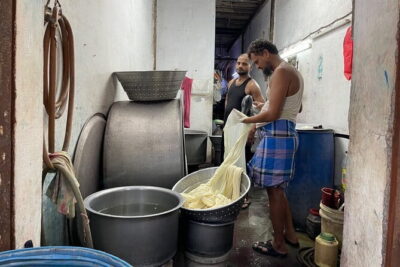
The first big shift is into Dharavi’s commercial area, where you’ll see waste management and recycling happening alongside manufacturing activities. This is where the tour stops feel most hands-on: not in a museum way, but in a working-while-you-watch way.
One review highlight stood out: the plastic recycling factory area is especially striking. That makes sense. Recycling isn’t just a concept here—it’s a job with real steps, real materials, and real people moving through the process. Watching it with a guide helps you connect what you’re seeing to how the broader system functions.
You’ll also get to observe small-scale industries rather than just a single attraction. That’s a key part of why this tour works as value for money: for a short two-hour window, you get a concentrated picture of how Dharavi turns waste and raw materials into usable products, jobs, and income.
A practical drawback in the commercial area is attention. It can be easy to focus on what looks unusual, while missing the bigger workflow around it. A guide helps you look at the full system—who does what, what materials move where, and how work stays organized in a tight environment.
Residential Dharavi: Markets, Schools, Leather, and Pot Making
After the work-focused streets, the tour moves into the residential area. This is where Dharavi stops feeling like a “site” and starts feeling like a place people live—complete with markets, schools, and industries that blend into daily routine.
You’ll pass through local markets where everyday commerce is part of the background. It’s also one of the best parts for understanding how residents connect to supplies and customers without relying on big, formal structures.
Schools are another important stop. Seeing them adds context you won’t get from industry-only views. It shows that while people are working and producing, they’re also building the next part of life through education.
The leather industry and pot-making areas give you another layer. These aren’t listed as quick photo opportunities. The point is to help you understand small production happening close to homes and the ways trades persist over time.
And then there are the narrow alleys. They aren’t an “extra.” They shape the experience. Walking them with a guide helps you grasp how people move through the settlement—how goods and people fit into tight spaces, and why local knowledge is essential to navigate confidently.
Why the Group Cap Changes the Whole Experience
This tour’s cap at a maximum of 15 travelers isn’t just a comfort perk. It directly affects what you get out of the visit.
In smaller groups, your guide can manage pace in a way that lets you ask questions without feeling rushed. The best part of the tour, based on standout feedback, is exactly that: a guide who keeps a nice pace and makes space for your questions.
It also helps with mobility. With fewer people, you can move through tighter lanes and reach workshop areas more easily. If you’ve ever done group tours that feel like a conveyor belt, this one is built to avoid that.
One more value point: smaller groups usually mean the guide can respond to your interests. If you’re curious about recycling, you’ll hear the explanation tied to what you see. If you want to understand daily life, you’ll get that angle as you move through markets and schools.




Your Two Hours: Timing, Walking Comfort, and What to Wear
Plan for a focused 2-hour walking experience. It’s short enough to fit into a half-day plan, but long enough to feel like more than a quick stop.
Because it’s a walk in a dense urban area, you’ll want shoes you trust. The tour doesn’t say it’s wheelchair-friendly, but it does say most travelers can participate. That usually translates to: you should be comfortable walking through uneven, crowded spaces for the length of the tour.
Weather matters too. The tour requires good weather, and if conditions are poor enough to cancel, you’ll be offered a different date or a full refund. Mumbai weather can be unpredictable, so check conditions the day of.
If you’re prone to getting overwhelmed in busy streets, treat this as an active experience. Bring a calm mindset, keep your questions ready, and let the guide set the flow.
Price and Value: What $8.95 Buys You in Real Terms
At $8.95 per person for about two hours, this tour is priced like a bargain. The big question is whether you’re just paying for access.
In this case, you’re paying for structure: a guided route that connects commercial work, residential life, schools, markets, and specific industries like leather and pot making. That matters because you could spend the same time walking around and still miss the relationships between what’s happening where.
The small-group cap and the guide’s ability to manage pace are part of that value too. When you’re only paying under $10, you’re not buying luxury—you’re buying the ability to understand what you’re seeing instead of guessing.
Also note what’s included versus optional. Pickup is offered, and you can upgrade for door-to-door hotel transfers from anywhere in Mumbai. If you’re choosing convenience, the base price remains low, but your total cost may rise if you add transfers.
Who Should Book This Dharavi Tour (and Who Might Not)
This tour suits you if you want a grounded look at how people work and live in one of India’s largest informal settlements. It’s especially good if you like industry in context—recycling, manufacturing, trades, and small businesses—paired with daily-life details like markets and schools.
It also fits well for visitors who care about learning. The standout feedback is consistent: guides are kind, and the pace supports questions, which helps the whole experience feel respectful rather than rushed.
You might reconsider if you prefer a quieter sightseeing style, or if you’re not comfortable walking in crowded areas. This is a real neighborhood, not a staged attraction. A little discomfort doesn’t mean it’s wrong—it just means you’re opting in to authenticity, close-up reality, and a lot of human activity.
Should You Book This Mumbai Dharavi Slum Tour?
Book it if you want real explanations, not just photos, and you like a short walking format that covers both work and daily life in Dharavi. The 15-person cap and time for questions are the deciding factors for me, because they make it easier to learn while you’re moving.
Skip it if you’re looking for a highly controlled, low-foot-traffic “tour-bus” type day. This is on foot in a dense area, and the value comes from seeing how industries and neighborhoods connect.
If you do book, come with curiosity, wear comfortable shoes, and expect a humbling experience that’s still full of practical details about how a community functions.
FAQ
How long is the Mumbai Dharavi Slum Tour?
It’s about 2 hours.
What group size is this tour capped at?
The tour has a maximum of 15 travelers.
Where does the tour start?
The meeting point is Third Wave Coffee, Tip Road, Unit no. 58, Ground, Ram Mahal, Senapati Bapat Marg, Marinagar Colony, Station, Mahim, Mumbai, Maharashtra 400016, India.
Does the tour offer pickup or transfers?
Pickup is offered. There’s also an upgrade option that adds door-to-door hotel transfers from anywhere in Mumbai.
Do I need a printed ticket?
No. You’ll receive a mobile ticket.
What areas and activities will I see during the tour?
You’ll visit both commercial and residential parts of Dharavi, including waste management and recycling areas, manufacturing activities, local markets, schools, leather industry areas, pot making areas, and narrow alleys.
Is this mainly a walking tour?
Yes. It’s described as a small-group walking tour through Dharavi.
What is the cancellation policy?
You can cancel for free up to 24 hours in advance for a full refund.
What happens if the tour is canceled due to poor weather?
If poor weather causes cancellation, you’ll be offered a different date or a full refund.