REVIEW · MUMBAI
Dharavi Small-Group Mumbai – Walking Tour with Guide and Optional Add-ons
Book on Viator →Operated by Mystical Mumbai · Bookable on Viator
Dharavi isn’t what your brain expects. A small-group walk through Mumbai’s Dharavi brings the daily rhythm of work and community into view in about 2 hours, led by a local guide who knows the area up close. You’ll move through narrow lanes, pause to ask questions, and learn how the neighborhood functions for around a million residents.
I especially like the emphasis on real people and real routines—bakeries, sweet shops, soap and cosmetic making, tailor work, even small cyber cafés you might not notice from the outside. I also like that guides are college students living in Dharavi, so the tour isn’t just sightseeing; it’s tied to their education and time in the neighborhood.
One consideration: this is a walk through tight alleys and active local businesses, so you’ll want comfortable shoes and patience. Also, photography rules are part of showing respect—if you’re unsure, follow your guide’s lead.
In This Review
- Key highlights worth your attention
- Why Dharavi walking tours feel different from typical sightseeing
- What you’ll experience in the 2-hour Dharavi walk
- A sense of community in tight lanes
- Small businesses you can smell and spot
- Cyber cafés and tailor shops you’d otherwise miss
- A guided conversation, not a photo sprint
- The guide matters: college students living there (and the Q&A power)
- How to handle the photography and respect part
- What’s included (and what’s not) so there are no surprises
- Pickup and drop-off upgrades: when they’re worth it
- Optional add-ons: lunch, cooking, or an art walk
- Price and value: is $40 fair for this kind of access?
- Dress code and practical comfort tips (so you enjoy it more)
- Who should book this Dharavi small-group tour
- Should you book? My take
- FAQ
- FAQ
- How long is the Dharavi small-group walking tour?
- How much does the tour cost?
- Is lunch included?
- Are hotel pickup and drop-off available?
- What kinds of add-ons can I choose?
- What group size should I expect?
- Do I need to buy a separate ticket for Dharavi?
- Is the tour near public transportation?
- What should I wear?
- Is there a minimum number of people required to run the booking?
Key highlights worth your attention
- Local guide, small group (up to 10): you’ll get real conversation time, not just a quick pass-through.
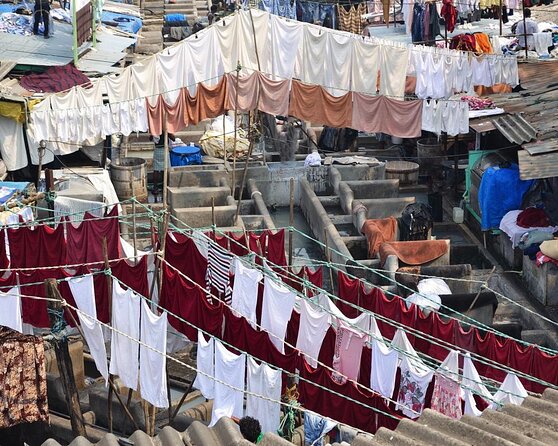
- Access inside Dharavi’s working areas: you’ll see daily life and trade, not just views from a distance.
- Sensory details on the route: aromas from bakeries and sweet shops, plus smells tied to soap and cosmetic making.
- Community-first approach: the walk is about how people live together and solve everyday needs.
- College-student guides: guides living in Dharavi help with their studied, making your visit feel more grounded.
- Optional add-ons: hotel pickup/drop-off and choices like home-cooked lunch, a cooking experience, or an art walk.
Why Dharavi walking tours feel different from typical sightseeing
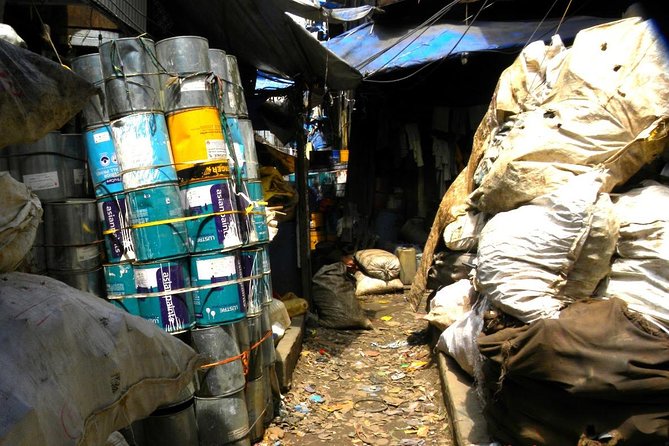
Dharavi sits right in the middle of Mumbai’s contradictions: close to luxury and billboards, yet home to an enormous number of people and businesses working every day. This tour is designed for curious visitors who want to understand what that means on a human scale.
One of the most useful things about doing this with a guide is the translation of context. The word slum gets thrown around a lot in English, and it doesn’t neatly match how people talk about their own neighborhood. Your guide may explain that the term doesn’t map cleanly into local language, which helps you shift from labels to lived reality.
And yes, Dharavi is known for its place in Slumdog Millionaire. But the point here isn’t movie scenery—it’s the day-to-day systems around food, work, community, and survival. If you go in expecting a spectacle, you’ll miss the best parts.
You can also read our reviews of more walking tours in Mumbai



What you’ll experience in the 2-hour Dharavi walk
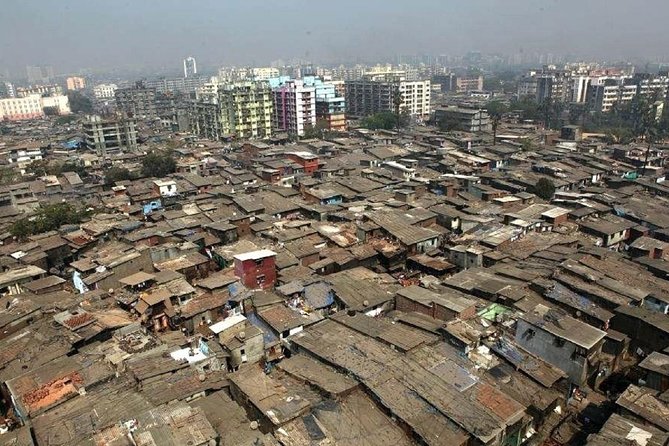
This tour is simple in structure: it’s focused on one main area—Dharavi—with a guided walk through neighborhoods where residents live and work. Expect about 2 hours total, and expect frequent turns, narrow lanes, and short stops where you can ask questions.
Here’s the kind of route you should anticipate:
A sense of community in tight lanes
You’ll wind through narrow alleyways and by-lanes, and the tour is built around meeting friendly locals as you go. That matters, because the neighborhood is often discussed as a problem from far away. On the walk, it’s presented as a place with routines, relationships, and local solutions.
Small businesses you can smell and spot
The route is designed to be sensory, in a useful way—not just “wow” factor. You might catch aromas from local bakeries and sweet shops as you pass. You may also notice strong smells from soap and cosmetic making units. That’s not random. It’s a sign the area is full of ongoing work, not just housing.
Cyber cafés and tailor shops you’d otherwise miss
Some of the stops focus on small-scale services and production. The description includes dime-sized cyber cafés and mass-producing tailor shops. Even if you don’t go inside every business, the tour helps you connect what you see to how people earn money, learn, and keep daily life moving.
You can also read our reviews of more guided tours in Mumbai





A guided conversation, not a photo sprint
With a local guide, the walk tends to slow down where it counts. You can ask why certain things exist where they do, how people manage work and home life, and what daily rhythms look like. English is usually a strong point on this tour, with guides able to answer questions clearly.
The guide matters: college students living there (and the Q&A power)

The guides are college students who live in Dharavi, and that fact changes the vibe. You’re not just buying access; you’re learning from someone with real familiarity and skin in the game.
In particular, look for a guide who:
- answers questions clearly (good English helps a lot)
- shares explanations instead of only pointing
- sets expectations around manners—especially photography
One guide specifically noted in past experiences is AJ, praised for being a strong communicator and for sharing a lot of information. Not every guide will be exactly the same, but the best outcome you should aim for is a back-and-forth tour where your questions get real answers, not brushed off.
How to handle the photography and respect part
There’s a clear theme: follow protocols for taking photographs. Since you’ll be walking through homes and working spaces, don’t treat it like street photography. Ask first, and if your guide says no or changes where you stand, listen quickly. This isn’t about killing your fun—it’s what keeps the experience respectful and smooth.
A practical tip: plan to do your “memory work” with observation first. Let your camera be second.
What’s included (and what’s not) so there are no surprises
This is a group walking tour. What’s included is straightforward:
- Local guide
- Group tour format
What’s not included:
- Lunch (so don’t build a full meal plan into your budget unless you choose an add-on)
Also, the admission ticket is free for the included visit, and you’ll receive a mobile ticket.
If you’re choosing add-ons, read them like a menu. Optional upgrades can include pickup/drop-off and food or experience components. The base tour keeps things moving and focused on the walk.
Pickup and drop-off upgrades: when they’re worth it
You can add hassle-free hotel pickup and drop-off. For many visitors, this is the difference between feeling relaxed and feeling rushed.
Why? Dharavi is reachable via public transportation (it’s near transit), but getting yourself to a starting point while navigating a busy city can eat time. Pickup helps you skip that stress and put your energy into the tour itself.
If you’re a slower-paced couple or you just prefer everything to be straightforward, pickup tends to be a smart add-on—not because you can’t do it on your own, but because the tour itself already has a lot happening on foot.
Optional add-ons: lunch, cooking, or an art walk

This tour can be extended with extra experiences, depending on what you select:
- Home-cooked lunch (listed as an optional upgrade)
- Cooking experience (also an upgrade)
- Art walk (another optional add-on)
These add-ons can be valuable because they keep the day from becoming one long “look and leave.” Food and art are ways to understand culture beyond logistics and economics.
Just be realistic: once you add lunch or cooking, your total time in the area may shift. If your schedule is tight, plan around the walk’s core 2-hour structure and then decide how much extra time you can afford.
Price and value: is $40 fair for this kind of access?
At $40 per person, this isn’t a bargain-basement tour, but it also isn’t priced like a luxury activity. The value is mainly in the combination of:
- a small group (up to 10)
- a local guide (college student living in Dharavi)
- access through a working neighborhood where context matters
- the fact that admission is free for the included area
That said, one past point of frustration has been pricing that feels higher on some booking channels compared with what people might pay when arranged locally. I can’t tell you where you’ll fall on that scale, but I’d treat $40 as a “pay for guidance” cost, not a “pay for a building ticket” cost.
My practical rule:
- If you want a guided, respectful, conversation-based experience with strong Q&A, $40 can be a good deal.
- If you’re mainly after a quick photo stop with minimal interaction, you may feel it’s overpriced.
Also, if you can travel with at least one other person, you should have an easier time meeting the minimum group requirement (more on that in the FAQ).
Dress code and practical comfort tips (so you enjoy it more)
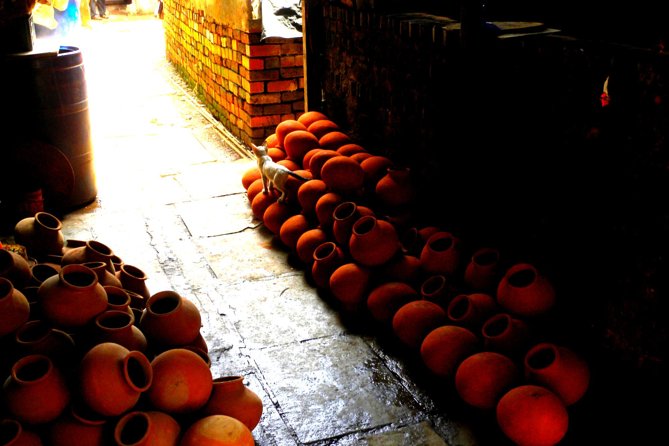
India’s dress code guidelines are conservative, and this tour calls out that shoulders and knees should be covered. Pack for that. A light scarf can save you from overthinking outfits.
Then focus on comfort:
- Wear shoes that handle uneven surfaces and lots of walking.
- Keep your phone easy to use, but be ready to put it away when asked.
- Bring a little flexibility. Tight alleys and active work areas move differently than a museum corridor.
And if you’re the type who gets anxious about crowds or crowded sidewalks, remind yourself: this is a working neighborhood. The “crowd” is the city doing its thing.
Who should book this Dharavi small-group tour
This is a great match if you:
- want a human-scale understanding of Mumbai’s contrasts
- like asking questions and hearing explanations in plain language
- prefer small groups where you can actually talk to the guide
- are respectful about photography and other cultural expectations
It may be less ideal if you:
- dislike walking in narrow, busy streets
- need a quiet, low-stimulation experience
- expect a glamorous viewpoint over a neighborhood
This is also an experience that tends to change minds. Many people start out uneasy about visiting a place labeled as a slum, and they leave with less judgment and more understanding—especially after hearing how locals themselves frame their neighborhood and what’s possible inside it.
Should you book? My take
If you’re planning Mumbai and you want something real—something that explains how communities function day to day—this Dharavi Small-Group walk is worth strong consideration. The best part isn’t the “destination.” It’s the guide-led context, the small-group size, and the chance to see working life up close while staying respectful.
I’d book it if you’re open-minded, have comfortable shoes, and you’re ready to follow your guide’s rules on photography. I’d skip it if you want a passive sightseeing loop or you’re uncomfortable walking through active local lanes.
FAQ
FAQ
How long is the Dharavi small-group walking tour?
It’s about 2 hours.
How much does the tour cost?
The price is $40.00 per person.
Is lunch included?
No. Lunch is not included with the base tour.
Are hotel pickup and drop-off available?
Yes, they’re available as an optional add-on.
What kinds of add-ons can I choose?
Optional upgrades can include a home-cooked lunch, a cooking experience, or an art walk.
What group size should I expect?
This is a group tour with a maximum of 10 travelers.
Do I need to buy a separate ticket for Dharavi?
The admission ticket for the included part is free.
Is the tour near public transportation?
Yes, it’s near public transportation.
What should I wear?
Dress conservatively, covering shoulders and knees, as that’s recommended across India.
Is there a minimum number of people required to run the booking?
Yes. The booking requires a minimum of 2 people.