REVIEW · MUMBAI
Dharavi Slum Tour in Mumbai with Combo Packages & Transfers
Book on Viator →Operated by Magical Mumbai Tours · Bookable on Viator
A city tour, measured by real life. Dharavi is known worldwide from Slumdog Millionaire, but on this guided walking tour you get the day-to-day reality behind the headlines, plus a chance to meet people and see local small businesses up close. It’s built around respectful commentary, and you’ll cover the economics and culture of life there with a guide who sets the tone.
What I like most is the private guide format. Guides like Pooja, Varsha, and Yash are repeatedly praised for being friendly, funny, and sharp at explaining how work actually happens—often with practical moments like showing outdoor laundry setups or helping with basic bargaining so you’re not thrown off balance.
The main caution is timing can slip if transport before or after the tour isn’t well coordinated. One experience noted that the guide was excellent, but the ride plan on either end dragged longer than the advertised window.
In This Review
- Key things to know before you go
- Entering Dharavi with a guide who sets the tone
- The Dharavi walking tour: 3 hours of real street-level Mumbai
- What you’ll likely see and learn
- Private guide differences: Pooja, Varsha, and how the route feels
- Pickup, drop-off, and A/C transport: good news with one timing warning
- What a combo package changes: adding Mumbai, Bollywood, or Elephanta
- Price and value: how $11.16 can still feel “small”
- When this tour makes sense for you (and when it doesn’t)
- Practical tips so your visit feels respectful and smooth
- Should you book this Dharavi Slum Tour with transfers?
- FAQ
- How long is the Dharavi slum tour?
- Do they pick me up and drop me off?
- Is the Dharavi admission ticket included?
- Is this a private tour or shared group?
- Can I add other tours like Mumbai or Elephanta?
- What should I wear or bring for the walking tour?
Key things to know before you go
- A 3-hour walking focus inside Dharavi, with admission ticket included for the Dharavi stop
- Private local guide with a more personalized route through everyday work and community life
- Pickup & drop-off in an A/C vehicle, plus bottled water to keep the walk more manageable
- Combo add-ons you can attach to your day: Mumbai, Bollywood, or Elephanta
- Comfort matters: you’ll want proper walking shoes for a hot, active stroll
Entering Dharavi with a guide who sets the tone
Dharavi is one of those places people feel they already understand—until they walk it with the right guide. This tour is designed to correct the usual oversimplified story. Instead of treating Dharavi as a single image, your guide connects what you’re seeing on the street to the kinds of jobs people do, the way homes and workshops share space, and how residents build livelihoods.
One of the strongest signals here is the emphasis on sensitive commentary and a private guide. In the feedback I see, guides like Pooja and Varsha stand out for balancing warmth with clarity—so you can ask questions without the visit feeling like a lecture or a sideshow. That matters, because Dharavi can be emotionally intense, and the guide’s framing helps you stay grounded.
I also like that the tour isn’t just about looking. You meet residents, see businesses in action, and learn how the local economy works at street level. You’ll leave with a more human sense of how community life keeps running.
You can also read our reviews of more tours and experiences in Mumbai.


The Dharavi walking tour: 3 hours of real street-level Mumbai

The heart of the experience is a walking tour inside Dharavi that lasts about 3 hours. This isn’t a sit-and-watch stop. It’s an active route where you move through lanes and working areas, with your guide pointing out the positive aspects of the neighborhood as well as the practical realities of daily life.
You should expect the pace to match a walking tour through dense, lived-in space. Comfortable walking shoes are strongly recommended for a reason. Several guides are also praised for pacing and explanation, including taking time for questions, so the walk often feels more like a conversation than a timed checklist.
Admission to the Dharavi stop is included, and you’re also covered with bottled water. That sounds small, but on a hot day it’s the difference between tolerating the walk and feeling drained by it.
A note on shopping and interactions: some experiences can turn into sales pressure if people along the route try to involve visitors. The feedback here includes examples of guides helping with negotiation and keeping things respectful. Still, it’s smart to carry yourself with calm boundaries, treat interactions as human moments (not a game), and let your guide handle the tricky bits.
What you’ll likely see and learn
You’ll learn about:
- How residents support themselves through small businesses and workshop-style work
- How different industries operate in tight urban space
- How everyday community life functions beyond stereotypes
The tour’s value is the way these lessons connect. A quick photo of a lane doesn’t explain how money moves. A good guide does.
Private guide differences: Pooja, Varsha, and how the route feels
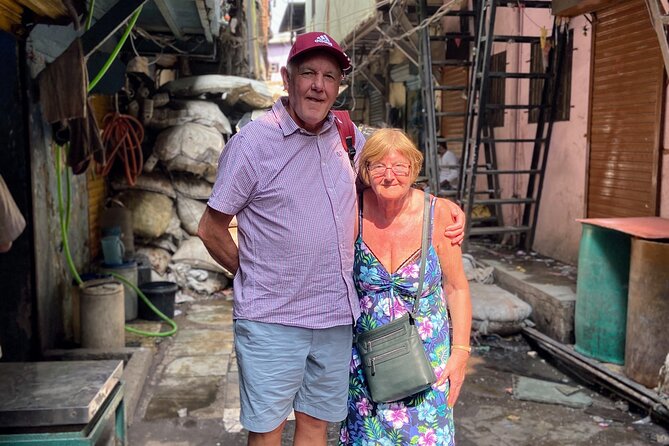
This is listed as a private tour/activity, meaning it’s built for your group rather than a mixed crowd schedule. That changes the feel. You can move at a pace that works for your comfort level, and your guide can tailor what they emphasize—whether that’s explaining specific trades or answering deeper questions.
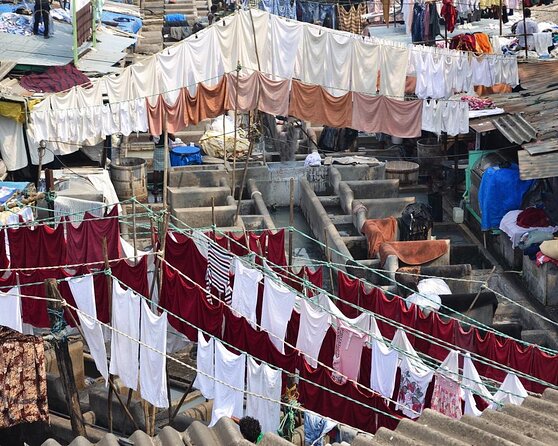
Names that come up often in the feedback include Pooja, Varsha, Hasan, Yash, and Sahil. Across those guides, a theme is that they bring both information and personality. Pooja is described as friendly and funny, even helping with bargaining and offering chai moments. Hasan is mentioned as stopping to show outdoor laundry so you don’t miss key visuals. Yash is praised for solid English and clear explanations of industries inside the slum.
In a place like Dharavi, that matters because the differences between streets, workshops, and home setups can be huge. A one-size-fits-all script would miss the texture. A guide-led conversation helps you notice what you’d otherwise gloss over.
Pickup, drop-off, and A/C transport: good news with one timing warning

Your booking includes pickup & drop-off and an air-conditioned vehicle, plus bottled water. For Mumbai, that’s not just comfort—it’s also logistics. Traffic can be chaotic, and having a pre-arranged car plan saves you from trying to solve the city on your own while you’re hot and tired.
Still, timing is where you should keep your expectations flexible. One experience flagged that transport arrangements before and after the tour weren’t well organized, which stretched the day longer than advertised. That doesn’t mean it will happen to you, but it does mean you should avoid booking tight follow-on plans right after the tour ends.
If you can, keep your next activity buffer-friendly—think a relaxed meal or a nearby rest stop rather than a scheduled ticket across town.




What a combo package changes: adding Mumbai, Bollywood, or Elephanta
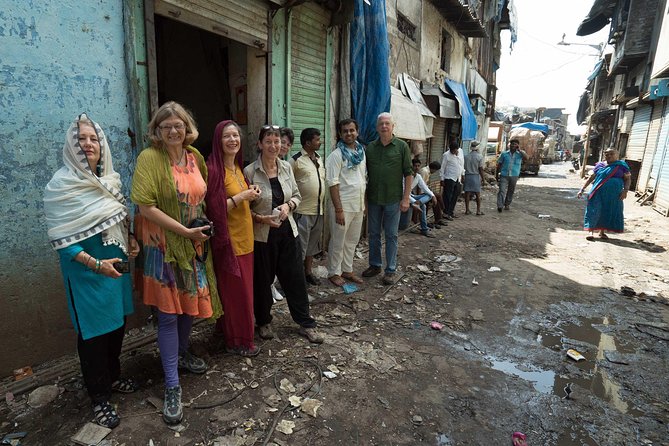
The tour supports add-ons, which is where this experience becomes a full-day strategy instead of a single highlight. You can attach additional touring options such as Mumbai, Bollywood, or Elephanta.
Why that’s valuable: Dharavi is intense in its own way. Pairing it with another neighborhood or themed experience can help balance your emotional load and give you broader context for the city beyond one micro-world. If you choose an add-on that includes parts of central Mumbai, you may also get connections to other well-known sights like Dhobi Ghat and local train life, depending on your exact combo.
What you should do with this information: treat add-ons as a chance to map Mumbai from more than one angle. If you’re already in the city for a short time, this is a decent way to avoid a separate day of planning.
Price and value: how $11.16 can still feel “small”
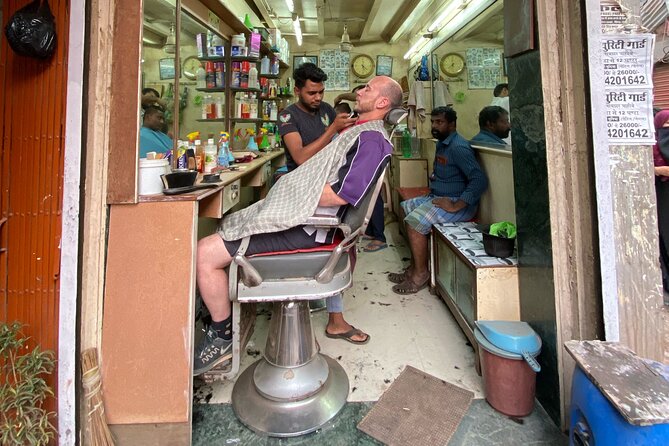
The price listed is $11.16 per person, with the average booking made about 20 days in advance. That low number can look suspicious at first, especially when private guiding is part of the package. But you’re not only paying for conversation—you’re paying for a guide, A/C transport, pickup/drop-off, bottled water, and an included admission ticket for the Dharavi stop.
Here’s the honest value equation: if the tour runs on time and transport is smooth, it’s excellent value for a private, guided walking experience in Mumbai. If timing slips due to transport on either end, the price still isn’t “bad,” but your experience will feel longer and more stressful. You’re basically paying for organization and human guidance. When both land well, the deal feels real.
As with any low-cost activity in a high-cost city, I’d base your expectations on what’s included and what you can control—shoes, water, and a calm attitude toward dense urban travel.
When this tour makes sense for you (and when it doesn’t)
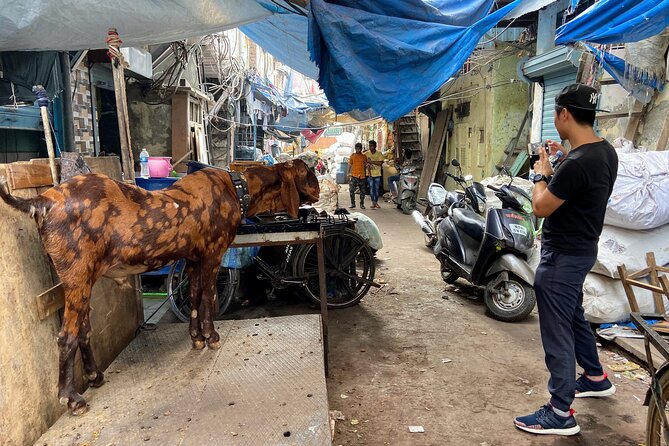
This Dharavi tour fits best if you want:
- A guided, respectful look at real daily life in Mumbai
- A private format where your questions matter
- A short time investment (about 3 hours) that still feels educational and human
It also makes sense if you’re combining it with another Mumbai add-on. You get one focused slice of the city, then you can shift to other themes—Bollywood or Elephanta—without adding extra planning stress.
You might want to rethink it if:
- You’re not comfortable with active walking and crowded streets
- You hate long, unpredictable days caused by traffic and timing mismatches
- You prefer purely observational sightseeing with minimal personal interaction
The good news is that the tour says most travelers can participate and that the walking focus is the main physical requirement. If you can walk for a few hours and you come prepared, you’re already most of the way there.
Practical tips so your visit feels respectful and smooth
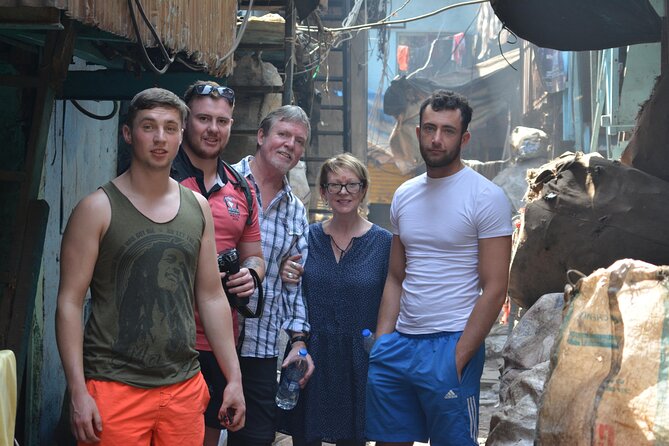
A guided tour works best when you show up with a few simple habits.
Bring:
- Comfortable walking shoes (non-negotiable for this style of outing)
- A light layer if you’ll be out for long in changing air
- Some small cash for personal expenses, since those aren’t included
Expect:
- A guided walk through working and living areas, not a staged attraction
- Conversations that may involve sensitive topics, shaped by your guide’s approach
- Opportunities to meet residents and learn about local business life
Also, keep your mindset steady. This is not a “check-the-box” photo event. If you walk in ready to listen and ask questions thoughtfully, the experience becomes much more rewarding.
Should you book this Dharavi Slum Tour with transfers?
I’d book it if you want a short, guided, and structured way to understand Dharavi beyond stereotypes—especially because the guides (Pooja, Varsha, Hasan, Yash, Sahil) are consistently praised for clear explanations and personable energy. The included pickup/drop-off, A/C vehicle, and bottled water make the day easier on your body.
I wouldn’t book it if you’re scheduling your entire day like a train timetable and can’t tolerate delays. One transport hiccup can stretch your time, and a walking tour is still a walking tour—hot, active, and real.
If you’re flexible and curious, this is a strong use of time in Mumbai.
FAQ
How long is the Dharavi slum tour?
The tour runs for about 3 hours.
Do they pick me up and drop me off?
Yes. Pickup and drop-off are included, with an air-conditioned vehicle.
Is the Dharavi admission ticket included?
Yes. Admission ticket is included for the Dharavi stop.
Is this a private tour or shared group?
This is a private tour/activity, meaning only your group participates.
Can I add other tours like Mumbai or Elephanta?
Yes. You can add on a tour of Mumbai, Bollywood, or Elephanta as part of combo options.
What should I wear or bring for the walking tour?
Wear comfortable walking shoes. Bottled water is included, and personal expenses aren’t included.