REVIEW · MUMBAI
Private Dharavi Slum, Dabbawala & Dhobi Ghat tour with Transport
Book on Viator →Operated by Discover Activities · Bookable on Viator
Mumbai runs on systems you never notice. This tour puts those systems in front of you, starting with dabbawallas at Churchgate and then moving to the open-air laundry operation at Dhobi Ghat and the community recycling work in Dharavi. I love how the day feels private and personal, with a local guide to steer the story street by street. I also like the practical touch that keeps things easy: round-trip hotel transfers plus free bottled water.
One heads-up: the schedule is tight and station/walk time can be a bit physical, so wear shoes you can move in and plan for a 4 to 7 hour commitment without long breaks.
A big bonus for many people is that the focus is on how neighborhoods actually function, not just quick sightseeing stops. In the praise I saw, the local guiding was a standout—one guide name that comes up strongly is Sajid, described as friendly and able to explain what you’re seeing in a clear way.
In This Review
- Key things I’d bet you’ll enjoy most
- The value: why $70 feels fair here
- Getting started at your hotel: the quiet win
- Stop 1: Churchgate Railway Station and the dabbawallas in action
- Stop 2: Dhobi Ghat at Mahalakshmi for open-air laundry work
- Stop 3: Dharavi’s recycling area and community contribution
- The guide experience: when friendliness matters
- Transport and pacing: what the private vehicle changes
- What’s included vs. what you’ll plan
- Who this tour is best for
- Should you book this private Dharavi, dabbawala, and Dhobi Ghat tour?
- FAQ
- How long is the tour?
- What are the main stops on the tour?
- Does the price include hotel pickup and drop-off?
- Is this tour private?
- What’s included and what’s not?
- Is there a minimum age?
Key things I’d bet you’ll enjoy most
- Churchgate Railway Station tiffin drop-off viewing with the dabbawallas and their wooden carts
- Dhobi Ghat’s open-air laundry workflow right by the rail area at Mahalakshmi
- Dharavi’s recycling area visit through a local guide’s perspective
- Private guide + private vehicle so you’re not stuck with a rigid crowd pace
- Included admissions and bottled water, which reduces surprise costs mid-day
- Hotel pickup and drop to South Mumbai/Colaba, a big convenience factor
The value: why $70 feels fair here
At $70 per person, this is priced like a midrange private experience for Mumbai. The value comes from the add-ons that normally cost extra in a city where logistics can eat your time: transport by private vehicle, round-trip hotel transfers, a professional local guide, and bottled water.
It also includes admission tickets for the first two stops, and it lists GST in the total. Food isn’t included, so you’ll want to budget for lunch or snacks on your own. Still, for a tour that strings together three major “inner workings” stops—rail delivery, open-air laundry, and a community recycling area—this is a reasonable way to do it without building the plan yourself.
If you’re traveling with a friend or small group, the “private vehicle + private guide” piece usually makes even more sense, because you’re spreading the logistics across the group.
You can also read our reviews of more private tours in Mumbai



Getting started at your hotel: the quiet win
The tour starts with hotel pickup by the guide and a drive to the first stop at Churchgate Railway Station. That sounds basic, but in Mumbai it’s a real time-saver. You’re not juggling ride-hailing, directions, and station entry points while trying to arrive at the right moment.
You’ll also get bottled water, which matters when you’re moving through train-adjacent areas and spending a couple of hours at each stop. Bring a refillable bottle if you like, but at least you’re not going to be stuck buying water mid-route.
You can expect a tour duration of about 4 to 7 hours, so plan your day around it. If you’ve booked this alongside other big plans, keep some breathing room for timing.
Stop 1: Churchgate Railway Station and the dabbawallas in action
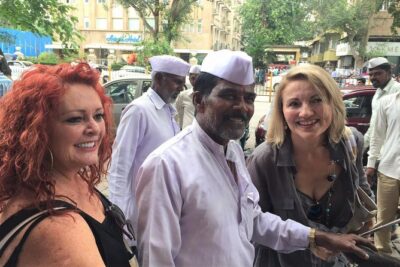
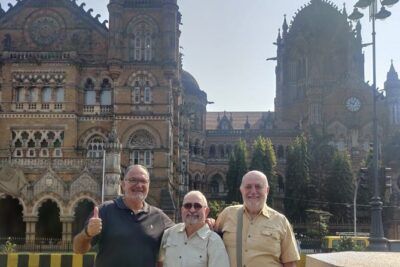
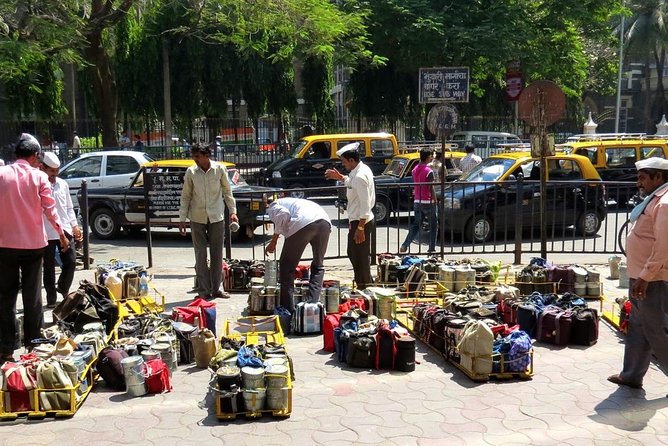
You begin at Churchgate around 10:00. The guide drives you in and you’ll spend about 1 hour at the station to watch the dabbawallas disembark the dabbas (tiffins) in their wooden carts. There’s an admission ticket included for this stop, which usually means they’ve planned a straightforward, on-the-ground way for you to view what’s going on.
What makes this stop special is that it’s not just “watching people.” It’s watching a system that feeds thousands of office workers every day. When you’re standing there, you can start to understand how the city’s daily rhythm depends on organized delivery and quick coordination.
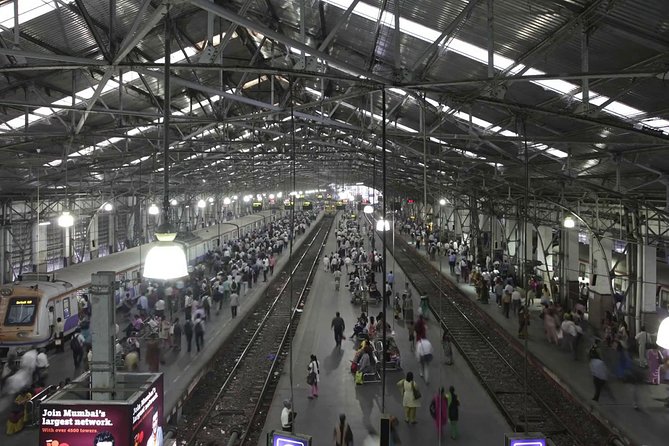
Practical tip: this is a rail station environment, so you’ll want shoes you can stand in and hands-free carry if you’re taking photos or notes. You might find it crowded or noisy—stations do that—so if you’re someone who gets flustered in busy places, this is where a good guide helps you keep your bearings fast.
Possible drawback: since the action is time-based, you’ll want to be punctual at pickup and ready to move at the station. If you’re hoping for a super slow pace at the first stop, this one may feel more structured.
Stop 2: Dhobi Ghat at Mahalakshmi for open-air laundry work
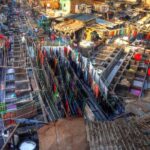
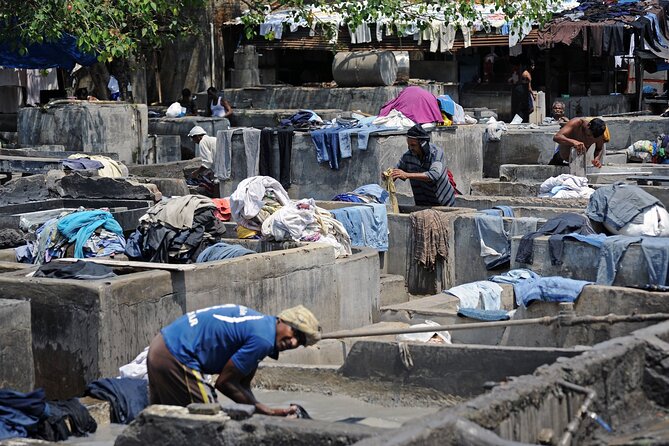
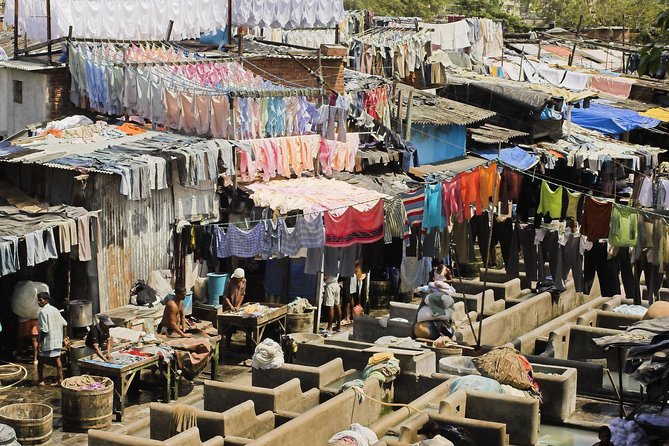
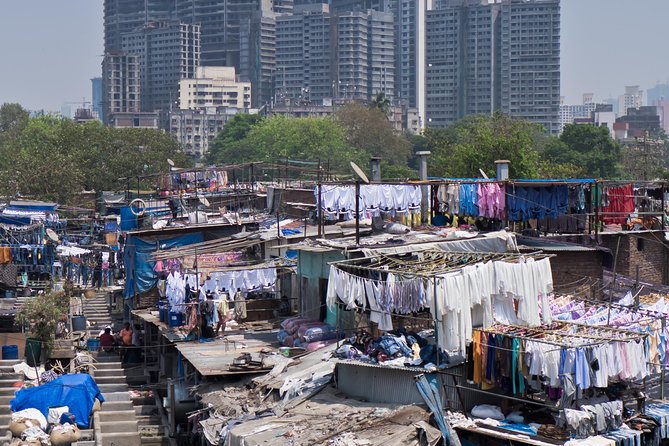
Around 11:00, you head to Dhobi Ghat. You arrive via Mahalakshmi Railway Station on the Mumbai Suburban Railways, and Dhobi Ghat is described as being next to the municipal dhobi ghats at Mahalakshmi. This stop lasts about 2 hours, and an admission ticket is included.
If the Churchgate stop shows the city’s lunch-delivery rhythm, Dhobi Ghat shows another kind of infrastructure: open-air laundry as a daily service. Even without technical details, you’ll be able to see the scale and the work patterns. It’s the kind of place where the “how it works” is visible, not explained from far away.
Why it’s worth your time: you get out of the usual “look at the famous view” travel mode and into something more grounded. You’re seeing a real operation that people depend on—clothes, cleaning, workflow—right in an urban setting.
Practical tip: dress for being outdoors and moving around. This isn’t an air-conditioned museum stop. Also, since food isn’t included, plan a snack strategy for later; two hours can fly by, and you don’t want to end hungry.
Possible drawback: open-air work areas can be visually and physically intense. If you’re sensitive to strong working environments or prefer quieter, controlled settings, this stop might feel challenging. On the flip side, that challenge is often exactly why people remember it.
Stop 3: Dharavi’s recycling area and community contribution
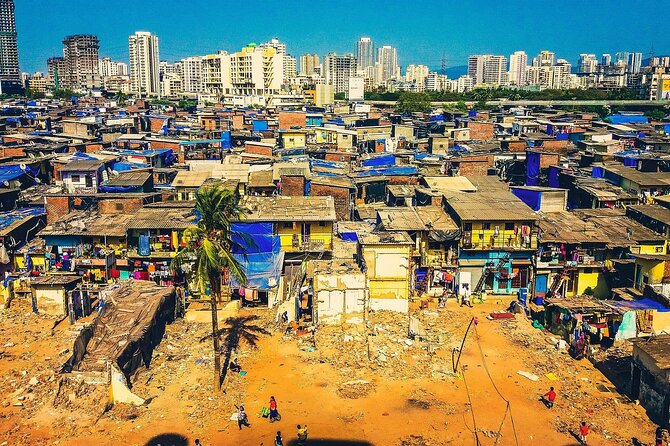
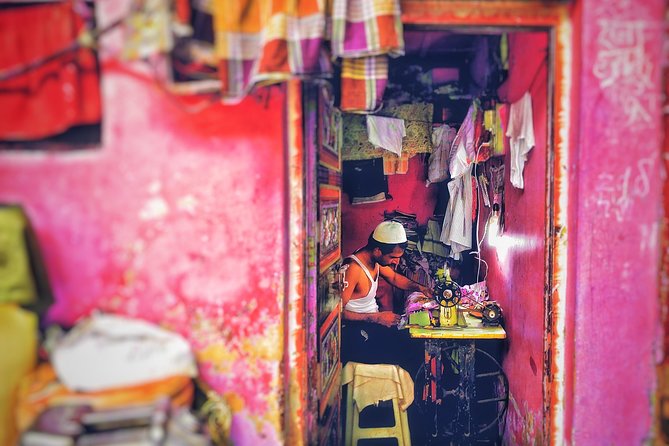
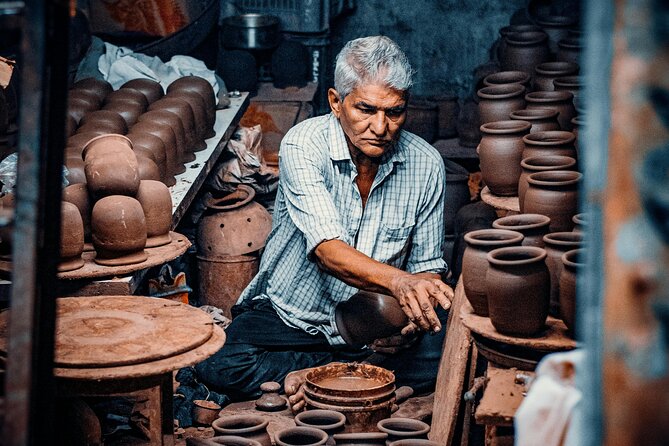
Next comes Dharavi, where you’ll spend about 2 hours with a local guide. Dharavi is described as a place where many people live due to the high cost of Mumbai, and the tour specifically includes a visit to a recycling area to learn how residents contribute to the city’s massive recycling programs.
This stop is the emotional and ethical center of the day. It’s not presented as a “slum tour” for shock value. The emphasis here is the recycling work—how everyday labor connects to a broader urban system of reuse and recovery. Your guide’s job is crucial: they can help you frame what you’re seeing without turning it into a spectacle.
How to get the most out of it: ask questions that keep you focused on practical realities—how the recycling process works, how people organize work, and how recycling supports daily life. A good guide helps you ask and hear the story in a respectful way.
Possible drawback: Dharavi is a lived-in neighborhood. You’ll want to keep your behavior grounded—quiet voice, no intrusive photo-taking, and patience if the area feels tight or busy. If your idea of “touring” is mostly about landmarks, this stop may feel more like a conversation with a neighborhood than a checklist.






The guide experience: when friendliness matters
You’re not just paying for transportation; you’re paying for translation. A local guide makes a huge difference on all three stops because you’re dealing with systems that have context—delivery routes, laundry workflow, and recycling routines.
In the standout praise for this tour style, the guide named Sajid is mentioned as friendly and able to explain what you’re seeing in a way that makes it click. That’s exactly what you want: not a script, but answers that help you connect the dots as you move.
If you care about learning, this tour is set up for questions. If you’re more of a quiet observer, the private format still helps—your guide can adapt so you’re not stuck listening through a group.
Transport and pacing: what the private vehicle changes
A lot of Mumbai day trips fail for one reason: you lose the afternoon to getting from point A to point B. Here, transport by private vehicle and round-trip hotel transfers remove a lot of friction.
The pacing still matters, though. Your day is arranged with time blocks—1 hour at Churchgate, 2 hours at Dhobi Ghat, and 2 hours in Dharavi. That can feel fast if you want to linger, but it keeps the whole tour inside a realistic window of 4 to 7 hours.
Private also means flexibility. This is listed as a private tour/activity, so only your group participates. If you want to spend an extra few minutes at a point the guide highlights, you’ll typically have more room than on a big group schedule.
What’s included vs. what you’ll plan
Included:
- Professional guide
- Private vehicle transport
- Round-trip hotel transfers
- Bottled water
- Admission tickets for Churchgate and Dhobi Ghat
- GST
Not included:
- Food and drinks
That last line affects your comfort. If your tour runs through lunch time, consider buying a simple snack before you start or plan a nearby lunch option after the drop back. Since you’re dropped back to South Mumbai/Colaba, those areas are your easiest meal target.
Also, the tour uses a mobile ticket and confirmation happens at booking time.
Who this tour is best for
This is a great fit if you:
- want to see Mumbai’s working systems, not just famous buildings
- like guided explanations where you can ask questions
- prefer a private setup over squeezing into a larger group
- can commit to about 4 to 7 hours with limited downtime
It may be less ideal if you:
- want a purely landmark-based sightseeing day
- hate being in active, working environments
- expect food to be included (it isn’t)
Minimum age is listed as 18 years, so it’s an adult-oriented outing.
Should you book this private Dharavi, dabbawala, and Dhobi Ghat tour?
I’d book it if your goal is understanding Mumbai through the stuff that keeps daily life running: delivery, laundry services, and recycling work. The mix of stops is unusual and practical, and the logistics are handled for you with hotel pickup, private transport, and a guide who can explain what you’re seeing.
I’d pause before booking if you want a relaxed day with long breaks or if you’re uncomfortable in working, open-air environments. Also, because food isn’t included, plan how you’ll eat so the day doesn’t turn into a rushed scramble.
If you’re someone who likes learning, this tour gives you exactly that—without making you figure out the hardest parts on your own.
FAQ
How long is the tour?
It runs about 4 to 7 hours.
What are the main stops on the tour?
You’ll visit Churchgate Railway Station (dabbawallas), Dhobi Ghat (via the Mahalakshmi area), and Dharavi (including a recycling area visit), then you’ll be dropped back to your South Mumbai/Colaba hotel.
Does the price include hotel pickup and drop-off?
Yes. Round-trip hotel transfers are included.
Is this tour private?
Yes. It’s listed as a private tour/activity, so only your group participates.
What’s included and what’s not?
Included: professional guide, private vehicle transport, bottled water, GST, and admission tickets for the first two stops. Not included: food and drinks.
Is there a minimum age?
Yes, the minimum age is 18 years.