REVIEW · MUMBAI
Bombay Fort Heritage Walking Tour
Book on Viator →Operated by Reality Tours & Travel Pvt Ltd · Bookable on Viator
South Mumbai walks like a living museum. I loved how a local guide like Chetan connects big sights to daily life, and I liked the calm rhythm of frequent stops plus a cold drink to keep you comfortable; the main drawback is simple: you’re on your feet for about three hours, so plan for steady walking and dress modestly when temples are part of the route.
You start in Colaba at Regal Cinema, then head into alleyways, markets, and neighborhood temples that feel more real than postcard Mumbai. There’s even a chance you’ll see how families live, with a possible stop at a local home, and the group stays small (max 25), which makes questions easier.
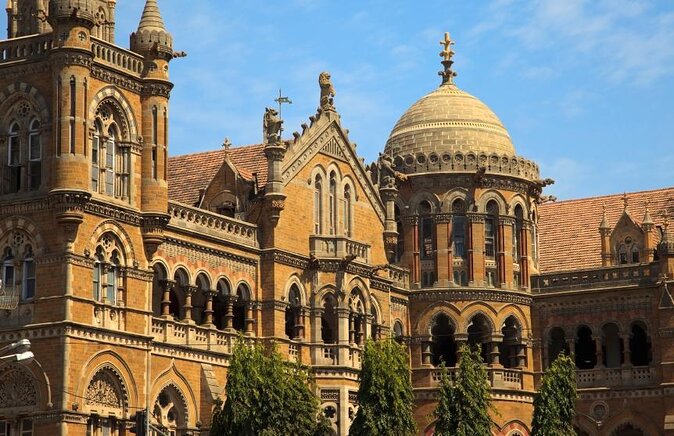
This is a standout way to see South Mumbai’s layered identity, from the Gateway of India waterfront view to St. Thomas Cathedral (in use since 1718) and the architecture of Chhatrapati Shivaji Terminus. You’ll also cover Mumbai’s modern history at the terminus site, including its connection to the 2008 attacks and its film appearance.
In This Review
- Key highlights you’ll feel right away
- Colaba start at Regal Cinema: getting your bearings fast
- Gateway of India waterfront: the first big picture
- Fort and Kala Ghoda: older Mumbai in a tighter footprint
- Oval Maidan: cricket culture and city views
- St. Thomas Cathedral in 1718: a church stop with a drink nearby
- Chhatrapati Shivaji Terminus: film, beauty, and real-world history
- Markets, temples, and the possible family-home moment
- Water, lassi, and the snack-to-brunch rhythm
- Price and value for a 3-hour South Mumbai walk
- Should you book the Bombay Fort Heritage Walking Tour?
- FAQ
- FAQ
- Where is the meeting point for the Bombay Fort Heritage Walking Tour?
- What time does the tour start?
- How long is the walking tour?
- What’s included in the price?
- Is food included?
- Are there admission tickets you need to pay for the stops?
- What should I wear?
- What’s the minimum age?
- How big is the group?
- What is the cancellation policy?
Key highlights you’ll feel right away
- Colaba meeting point that’s easy to find: Regal Cinema on Colaba Causeway near public transport
- A guide who ties buildings to life (Chetan is a great example from the guides who lead this walk)
- Landmarks with no added pressure: listed stops include free admission for viewing
- Comfort help built in: water or a cold drink, plus pauses along the way
- Temples, markets, and a possible family-home peek for a less staged feel
Colaba start at Regal Cinema: getting your bearings fast
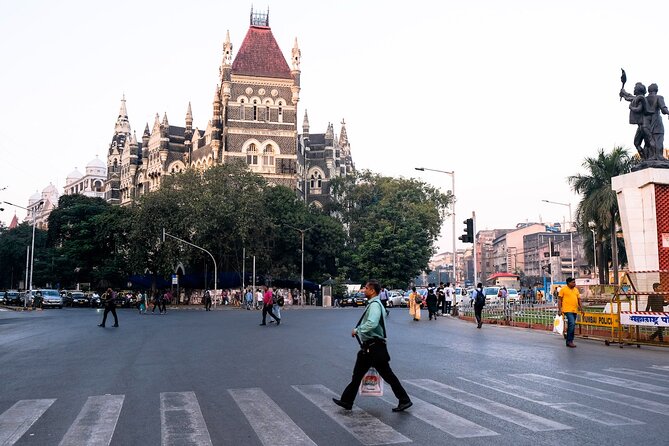
The tour begins at 9:00am at Regal Cinema on Colaba Causeway, opposite the Chhatrapati Shivaji Maharaj Vastu Sangrahalaya (Apollo Bandar side). It’s a good spot because you’re already in the thick of South Mumbai, and you’re near public transport options once you need to break off on your own.
This walk is built for people who like structure but don’t want to be herded. You’ll head out on foot with a local guide and keep moving through Colaba and nearby areas, usually with frequent stops. Expect a “slow enough to learn” pace, not a marathon.
One practical point: the day’s best experience usually comes from being ready for a mix of sights. You’ll be outside for most of the tour, and the route can include temples, local markets, and shaded pauses. Comfortable shoes matter more than you think, especially on uneven sidewalks.
You can also read our reviews of more walking tours in Mumbai

Gateway of India waterfront: the first big picture
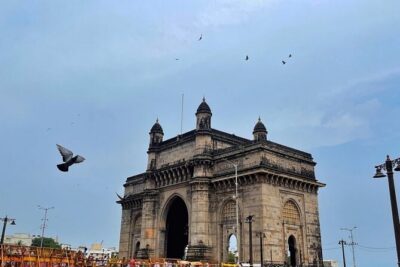
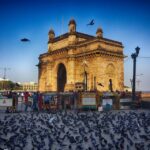
Your first stop is the Gateway of India on the waterfront. It blends Hindu and Islamic architectural styles, and it matters because it became the first major sight visitors saw from the sea starting in 1924. Even if you’ve seen photos, it hits differently in person because you’re standing in the same arrival space that shaped early impressions of Mumbai.
This isn’t just about admiring stonework. Your guide will help you connect what you see to why it became symbolic in Mumbai’s story. You’ll also get the sense of how the waterfront works as a public space, not a fenced-off monument.
That 20-minute stop is a sweet length: long enough to look closely and ask questions, short enough that you’re not stuck before the real walking starts. If you’re sensitive to crowds near major landmarks, just know this is a high-visibility area.
Fort and Kala Ghoda: older Mumbai in a tighter footprint
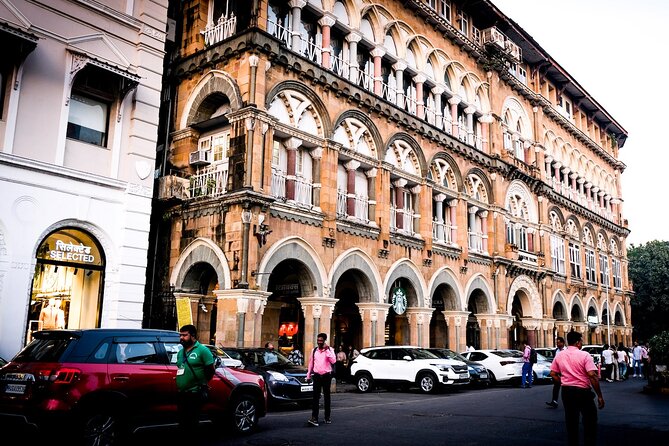
Next up is the Fort/Kala Ghoda area. The theme here is historic architecture, with some of the oldest and finest buildings in Mumbai concentrated in a relatively compact zone. If you like comparing styles, this is where your guide’s explanations can do a lot of work, because the area rewards attention to details you’d otherwise miss.
Kala Ghoda is also a place where the city feels layered: you see heritage architecture alongside everyday streetscape. That balance is one reason this tour works for first-timers and returners. It gives you a framework for what you’re looking at, then sends you back to the street to confirm it with your own eyes.
Potential consideration: this section is still “city walking,” so you’ll want your focus on both the buildings and the route. It helps to keep your phone handy for photos, but keep your attention forward too, since you’re moving through active streets.
Oval Maidan: cricket culture and city views
After the Fort area, you reach Oval Maidan, a large park where cricket games seem to be happening at almost any time of day. This stop is valuable because it shifts you from architecture-only thinking to how people use public space.
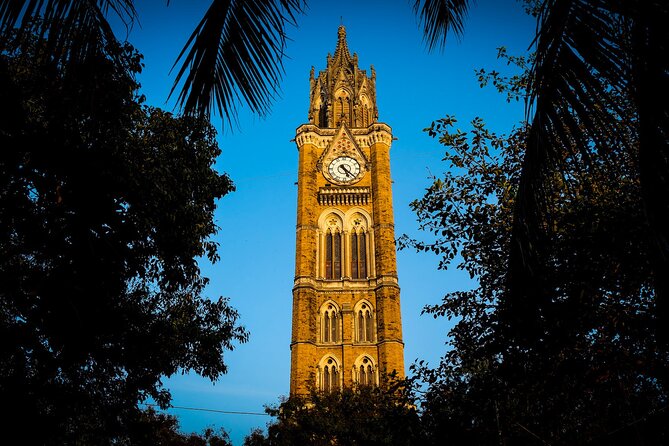
You’ll also get views over the park toward key institutions around Mumbai: Mumbai University’s clock tower area (Rajabhai), and the High Court viewpoint. The perspective from Oval Maidan helps you understand why South Mumbai’s landmarks sit so close together. It’s not a scattered museum; it’s a working city with heritage buildings embedded in daily routines.
At about 20 minutes, this stop is long enough for one good look, a short pause, and a few questions. If you’re a cricket fan, you’ll likely enjoy watching for a moment. If you’re not, don’t worry. The guide will still help you interpret what you’re seeing in terms of Mumbai life.
St. Thomas Cathedral in 1718: a church stop with a drink nearby
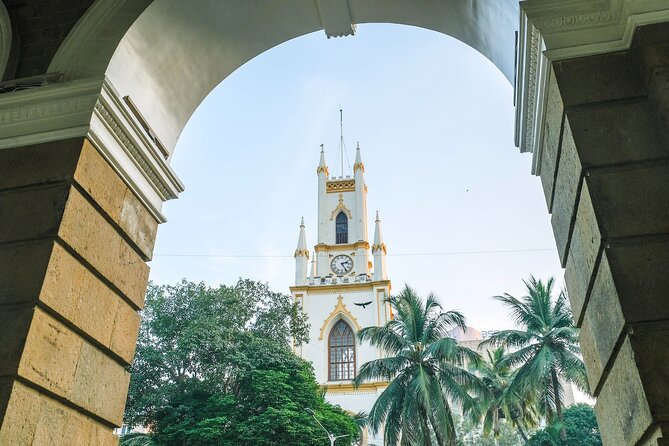
St. Thomas Cathedral in Mumbai is next, and it’s a special one. This Anglican church has been in use since 1718, and it has recognition as a UNESCO Heritage Award-winning site. You’re given time to soak in the atmosphere and the architecture without feeling rushed.
What I like about this stop is that it isn’t treated like a museum object. You’re encouraged to understand it as a living part of the city, and it sits in a neighborhood where religious and social life overlap.
There’s also a small refresh stop nearby: you’ll pause for a lassi. That’s a smart travel move. Lassi isn’t just tasty; it’s also a practical break from heat and walking. And if you notice stalls offering sugar cane juice, it’s the kind of side treat that fits the “snack pause” rhythm of this tour.
One practical note: you’ll want to follow the modest dress guidance, especially when temples are in the route. Even if you’re not entering every building, being dressed appropriately keeps the experience smooth.
You can also read our reviews of more historical tours in Mumbai



Chhatrapati Shivaji Terminus: film, beauty, and real-world history
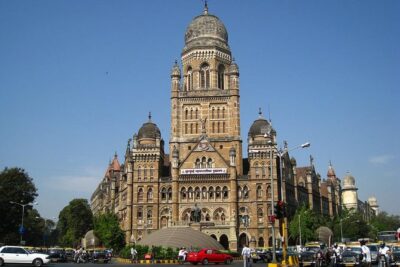
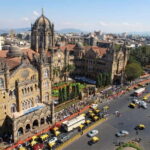
You end this main stretch at Chhatrapati Shivaji Terminus (also called CST). The stop carries multiple layers: it appears in the movie Slumdog Millionaire, and it’s also tied to the 2008 Mumbai attacks, when attackers opened fire at locations including the station area.
That combination can feel heavy, so the value of a good guide matters here. You’ll spend around 20 minutes, and the conversation is typically what turns a photo stop into something meaningful. You’ll get help linking the station’s stunning architecture with why it became such an important symbol in the city and in global pop culture.
If you’re planning your day, treat this as a moment to slow down mentally. It’s easy to get swept up in the classic-station look, but this stop asks you to keep context in mind. It’s also one of the best places on the walk to remember that South Mumbai isn’t “old” in a distant way. It’s history that still affects people.
Markets, temples, and the possible family-home moment
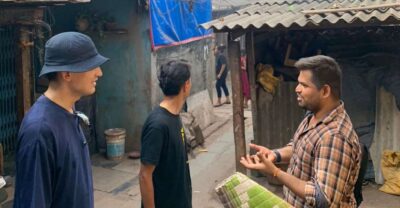
This tour isn’t only about big-name landmarks. As you move through Colaba and South Mumbai, you’ll pass local markets and neighborhood temples. That’s where you get the texture: everyday street life, small details in how people move, and the way religion and politics show up in ordinary spaces.
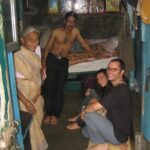
A key detail is the possibility of a visit to a family home. You shouldn’t count on it every day, but it’s an option that can turn a standard walking tour into something more personal and human. If that part happens, treat it with the same respect you would at someone’s invitation at home: modest posture, quiet attention, and a willingness to listen.
You may also notice residents using familiar spaces, like Mumbaikars relaxing and hanging around restaurants, and cricket time at the nearby maidan. These are the kinds of moments that help you understand the city beyond monuments.
Water, lassi, and the snack-to-brunch rhythm
Included in the tour is water or a cold drink. That’s a small line item, but it matters in Mumbai heat and humidity. It also signals how the tour is designed: it expects you’ll be out walking and gives you a basic comfort check without making you constantly buy things.
Food is listed as not included, even though the tour describes time for snacks and a laid-back brunch-style sit-down. Translation: you’ll likely have the chance to eat at some point, but you should expect to pay for meals yourself. This setup can actually be better for value, since you can choose what you eat based on your comfort level.
From the experience lead-up, the snack rhythm can include things like lassi nearby St. Thomas Cathedral, and there are also mentions of sugar cane juice as a refresh option during the day. If you’re food-curious, bring a bit of flexibility. If you’re not, you can just use the snack breaks for rest and hydration.
Price and value for a 3-hour South Mumbai walk
At $29.21 per person for about 3 hours, this is priced like a solid, entry-level heritage walk. What makes it feel fair is the mix: you’re paying mostly for the guide time and the ability to connect multiple landmarks into a coherent story.
You also get free viewing at the listed stops, plus water or a cold drink. There’s no mention of paid museum entrances being required along the way, so you’re not hit with a long list of add-on tickets. The inclusion of a guide for the full walk is the biggest value driver, because you’ll spend time asking questions and interpreting what you see rather than just collecting photos.
Group size is capped at 25, which is important in a place like South Mumbai. A smaller group usually means your guide can actually manage the group’s pace and keep your questions relevant. You’ll also have the choice of private or group options, with group discounts available, so couples or solo visitors can choose what fits.
If you’re short on time in Mumbai but want more than a single famous monument, this is a good use of half a day. You’ll cover major anchors like Gateway of India, CST, and St. Thomas Cathedral while still getting time on markets, temples, and everyday public space.
Should you book the Bombay Fort Heritage Walking Tour?
Book it if you want a guided South Mumbai walk that connects architecture to living city culture. It’s especially worth it if you like:
- seeing landmarks with context (not just quick photos)
- learning from a guide who can tie buildings to daily life
- a manageable 3-hour format with drink breaks
Skip it or consider a different style if you know you struggle with walking for three hours, or if you prefer a more relaxed pace with fewer stops. Also, if religious sites are part of your itinerary, plan on dressing modestly so you can participate comfortably.
If you want a practical heritage morning in Colaba that doesn’t feel like sightseeing homework, this one is an easy yes.
FAQ
FAQ
Where is the meeting point for the Bombay Fort Heritage Walking Tour?
The tour starts at Regal Cinema, Colaba Causeway (opposite Chhatrapati Shivaji Maharaj Vastu Sangrahalaya), Apollo Bandar, Colaba, Mumbai, Maharashtra 400005, India.
What time does the tour start?
The start time is 9:00am.
How long is the walking tour?
It lasts about 3 hours.
What’s included in the price?
You get a local guide for the entire tour and water or a cold drink.
Is food included?
No. Food is not included.
Are there admission tickets you need to pay for the stops?
Admission ticket details listed for the stops are marked free.
What should I wear?
Wear comfortable shoes for walking and dress modestly when visiting temples.
What’s the minimum age?
The minimum age is 3.
How big is the group?
The tour has a maximum of 25 travelers.
What is the cancellation policy?
You can cancel for free up to 24 hours in advance for a full refund. If you cancel less than 24 hours before the start time, you don’t get a refund.