REVIEW · MUMBAI
Dharavi Slum Tour with Laundry And Hotel Transfer (South Mumbai)
Book on Viator →Operated by Showcase India Tourism Company · Bookable on Viator
A Mumbai tour with real everyday meaning. You’ll see Dharavi firsthand and then visit Dhobi Ghat, Asia’s famed open-air laundromat. Two things I like a lot are the small-group size (max 6) and the local driver-guide who walks you through both the residential and commercial sides. One consideration: the topics you’ll hear about—housing, sanitation, and government policy—can feel heavy, so it helps to go in with a calm, respectful mindset.
The logistics are straightforward: a private vehicle from South Mumbai picks you up and brings you back, with a set half-day window. If your guide is Aamir (his name comes up often), you’ll get a friendly, well-prepared companion for the day, plus a safely driven ride between stops.
In This Review
- Key Points to Know Before You Go
- Half-Day Format: How This 3–4 Hour Tour Fits Your Mumbai Plan
- South Mumbai Hotel Pickup and Private Vehicle: Getting In Without Hassle
- Dharavi on Foot: What You See, What Gets Explained
- Dhobi Ghat, Open-Air Laundry: The 150-Year-Old Factory of Clean Clothes
- Price and Value at About $41.56: What You’re Paying For
- Timing and Comfort: Morning vs Afternoon, and What to Bring
- Who This Tour Suits (and Who Might Want a Different Style)
- Should You Book Dharavi and Dhobi Ghat With Hotel Transfer?
- FAQ
- How long is the Dharavi and Dhobi Ghat tour?
- Is hotel pickup and drop-off included?
- How big is the group?
- Are admission tickets included?
- Is lunch or other food included?
- Do I get to choose a morning or afternoon time?
- What happens if the weather is poor?
Key Points to Know Before You Go
- Small-group max 6 keeps the experience focused and easier to ask questions.
- South Mumbai hotel pickup and drop-off removes the hassle of figuring out transport on your own.
- Dharavi walk + context includes explanations of the industrial and residential mix, plus waste and sewage systems.
- Dhobi Ghat entry included for a short look at Mumbai’s large-scale open-air laundry operation.
- Mobile ticket makes last-minute coordination simpler once you’re in the city.
Half-Day Format: How This 3–4 Hour Tour Fits Your Mumbai Plan
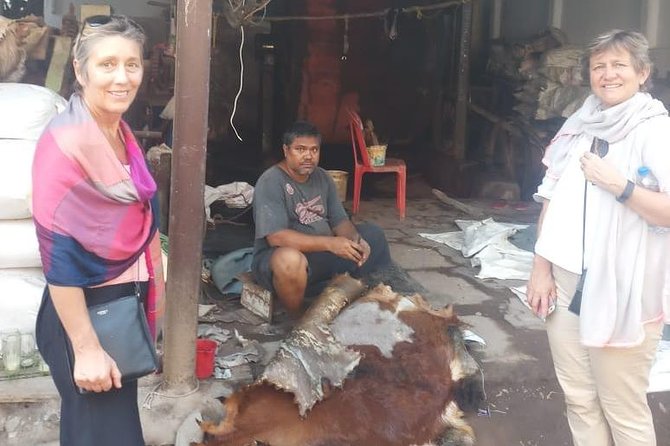
This is a practical half-day outing, running about 3 to 4 hours. That timing matters in Mumbai because your days can turn into a patchwork of travel time, traffic, and long walks. Here, you get a clear plan with two main stops, so you’re not spending your limited time hunting for direction.
You’ll also have a choice of morning or afternoon. I like this because it lets you match the tour to your energy level and to the rest of your day—whether you’re pairing it with sightseeing in South Mumbai or building in a quieter morning.
You can also read our reviews of more tours and experiences in Mumbai



South Mumbai Hotel Pickup and Private Vehicle: Getting In Without Hassle
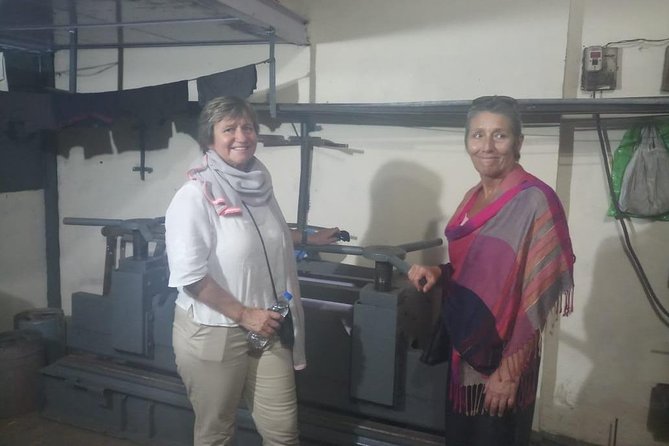
The tour includes hotel pickup and drop-off from South Mumbai. That’s a big deal, especially if you’re staying centrally but don’t want to negotiate routes and timing on your own.
You’ll travel by private vehicle with a chauffeur-cum-guide who’s local and can orient you as you go. The ride isn’t just transportation; it’s part of the day’s value because it sets context before you step into Dharavi’s streets. Even the driving style matters here—people specifically call out safe, careful driving when they mention their experience.
Also, you’re not arriving with a big crowd. With a max of 6 travelers, you tend to feel less like you’re moving through a checklist and more like you’re being guided at human speed.
Dharavi on Foot: What You See, What Gets Explained
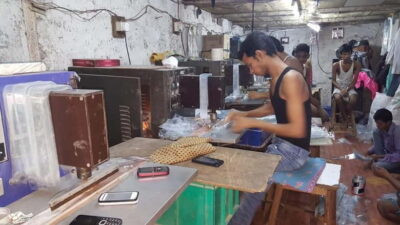
Dharavi is the centerpiece. You’ll spend about 2 hours on the ground, guided on small alleys through both residential and industrial areas. This mix is important: Dharavi isn’t presented as a single-note location. You get a sense of how people live and how work happens around them, often in the same broader space.
What I really appreciate is that the guide doesn’t only point at what’s visible. You’ll also get answers to how and why the area functions the way it does—especially around sewage and waste water systems. That kind of explanation changes the experience. Instead of just seeing conditions, you start understanding infrastructure and daily reality.
You’ll also hear about government policies that aim to empower the slum community. That’s the difference between a surface-level visit and one that helps you form a clearer mental picture. It doesn’t turn Dharavi into a neat story, but it does help you understand that the area intersects with planning, services, and political decisions.
A practical note: plan for the emotional weight. The subject is sensitive by nature. If you’re the type who needs distance from serious topics, choose your tone before you go. For many people, the reward is in seeing everyday life with fewer myths and more details.
Dhobi Ghat, Open-Air Laundry: The 150-Year-Old Factory of Clean Clothes
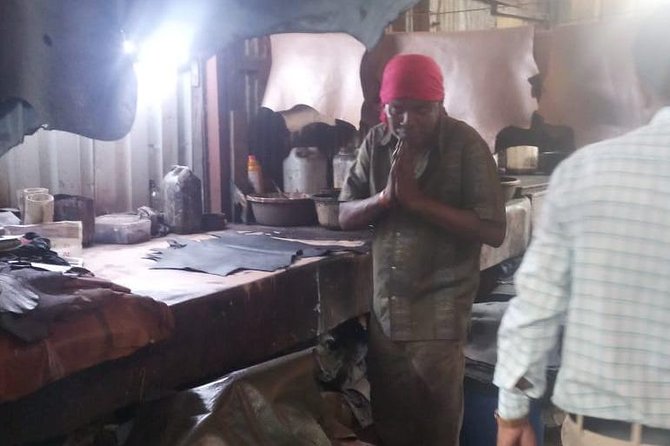
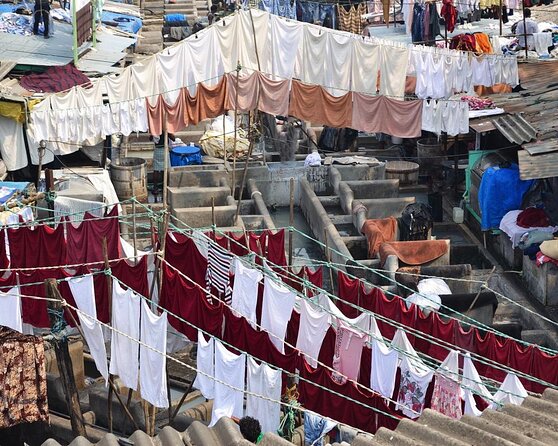
After Dharavi, you head to Dhobi Ghat, Mumbai’s best-known open-air laundromat. You’ll spend about 20 minutes there, with admission ticket included.
The numbers are what catch your attention right away. It’s described as around 150 years old, built by the British, and recognized in the Guinness Book of World Records for washing the maximum clothes at once. The scale is huge—about 100,000 clothes washed per day.
Even in a short visit, the goal is to show how organized this looks from the outside and how labor-intensive it is at street level. You’re seeing a working system, not a museum display. That makes the visit feel grounded, almost like watching an everyday factory process.
There’s also something useful about how the tour pairs these two places. Dharavi focuses on residential and industrial life inside a dense community. Dhobi Ghat turns that lens outward to Mumbai’s massive demand for laundry and cleanliness work. Put together, you get a sharper sense of how different parts of the city rely on one another.
Price and Value at About $41.56: What You’re Paying For
At about $41.56 per person, this tour can feel like a good bargain—if you’re looking at what’s actually included.
You’re getting:
- Hotel pickup and drop-off from South Mumbai
- Private vehicle transport
- An experienced chauffeur-cum-guide
- Entry tickets included for both Dharavi and Dhobi Ghat
- All fees and taxes, plus a mobile ticket
- A small-group experience (max 6), which you can think of as “more guide time”
Meals aren’t included, so you’ll want to plan a snack or plan your meal around the half-day window. Still, when admission and transfers are bundled, your total cost stays predictable.
One more value angle: tours with a small group often cost less than you’d expect once you factor in how much time you lose doing self-guided transport and trying to find the right context on the ground. Here, your guide supplies local explanations you might struggle to piece together quickly on your own.
The tour is commonly booked about 40 days in advance on average, which tells me there’s real demand. If you have fixed dates, booking earlier usually keeps your preferred time slot available.






Timing and Comfort: Morning vs Afternoon, and What to Bring
Choose morning or afternoon based on your schedule and how you like to travel in heat and crowd levels. The tour runs in a half-day window, so you’ll want the day around it to be flexible enough for short walking segments inside Dharavi.
The tour also notes it requires good weather. That’s not a minor detail—this experience involves walking and outdoor viewing at Dhobi Ghat. If weather is bad, you’ll be offered a different date or a full refund, so build in a little patience.
What to bring (simple and practical, with the information you have):
- Comfortable walking shoes for alley walking and uneven ground
- Light layers you can adjust quickly
- A small plan for hydration since meals and drinks aren’t included
If you’re sensitive to the emotional side of sanitation and housing issues, consider bringing a friend or going at a time when you can process calmly afterward. This is one of those tours where your mental state matters.
Who This Tour Suits (and Who Might Want a Different Style)
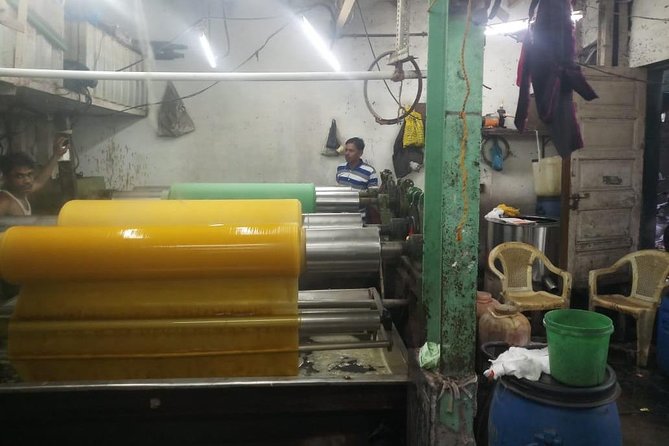
This tour is a good fit if you want a structured, guided look at two real working parts of Mumbai: community life and large-scale laundry work. You’ll learn how the area operates day to day through guided explanations, not just photo stops.
It also suits you if you’re short on time. With a half-day format and hotel pickup, it’s workable even if you’re moving between other parts of Mumbai.
Where it might not fit as well:
- If you strongly prefer entertainment-focused sightseeing
- If you need a purely comfortable experience with minimal exposure to serious topics
- If you dislike walking through dense areas, even with a guide
The tour is described as suitable for most travelers, and it’s also near public transportation, but the heart of the experience is the guided movement inside the neighborhoods.
Should You Book Dharavi and Dhobi Ghat With Hotel Transfer?
I’d recommend booking if you want context, not just a quick glance. The value here isn’t only the locations—it’s the way the guide explains what you’re seeing, including details about waste and sewage systems and government efforts to empower the community. Add in the hotel pickup, the private vehicle, and entry tickets included, and the price starts to look sensible for the time you save.
I would hold off if you’re going primarily for scenery or light sightseeing. This tour asks for attention and respect, and the subjects are serious.
If you’re ready to see Mumbai through daily reality—residential, industrial, and work-focused—this is one of the more practical ways to do it in a half day.
FAQ
How long is the Dharavi and Dhobi Ghat tour?
It runs about 3 to 4 hours, with around 2 hours in Dharavi and about 20 minutes at Dhobi Ghat.
Is hotel pickup and drop-off included?
Yes. The tour includes pickup and drop-off from hotels in South Mumbai.
How big is the group?
The maximum group size is 6 travelers.
Are admission tickets included?
Yes. Admission tickets are included for both Dharavi and Dhobi Ghat.
Is lunch or other food included?
No. Meals and drinks are not included.
Do I get to choose a morning or afternoon time?
Yes. You can choose either a morning or afternoon tour to fit your schedule.
What happens if the weather is poor?
The tour requires good weather. If it’s canceled due to poor weather, you’ll be offered a different date or a full refund.