REVIEW · MUMBAI
Mumbai: Dharavi Tour Including Car Transfer
Book on GetYourGuide →Operated by Reality Tours and Travel Private Limited · Bookable on GetYourGuide
Mumbai surprises you most in Dharavi. This 4.5-hour experience pairs a car transfer with a guided walk through Dharavi’s working lanes, plus stops like Dhobi Ghat that show you how the city actually runs. You also get context on Mumbai’s past and the social issues you pass along the way.
What I like most is how the route is taught, not just driven. On the way north from Colaba you’ll hear about the historic textile mill area that once powered Mumbai, and you’ll also be guided through what you see around places like Kamathipura, including the red-light district area.
The one thing to keep in mind is the rules. There’s a strict no-photography policy inside the slum, and you’ll want covered shoes and modest clothing so you’re comfortable in narrow, sometimes dirty lanes.
In This Review
- Key things you’ll notice on this Dharavi tour
- Why Dharavi hits differently with a guided walk
- The Colaba-to-Dharavi car ride: history plus social context
- Dhobi Ghat: watching laundry as city infrastructure
- Reality Gives–Mumbai: a quick stop with a purpose
- Kumbhar Wada: a 150-year-old pottery neighborhood walk
- Walking Dharavi’s lanes: what you’ll see and how to act
- How this tour turns “slum tourism” into real understanding
- Price and value: what US$39 gets you in 4.5 hours
- Best for first-timers, and who should adjust expectations
- Should you book the Mumbai Dharavi Tour including car transfer?
- FAQ
- How long is the Dharavi tour?
- Do I get picked up from my hotel?
- Where is the meeting point?
- Is food included during the tour?
- What language is the guide?
- Is there walking involved?
- What stops are part of the experience?
- Can I take photos inside Dharavi?
- What should I wear and bring?
Key things you’ll notice on this Dharavi tour
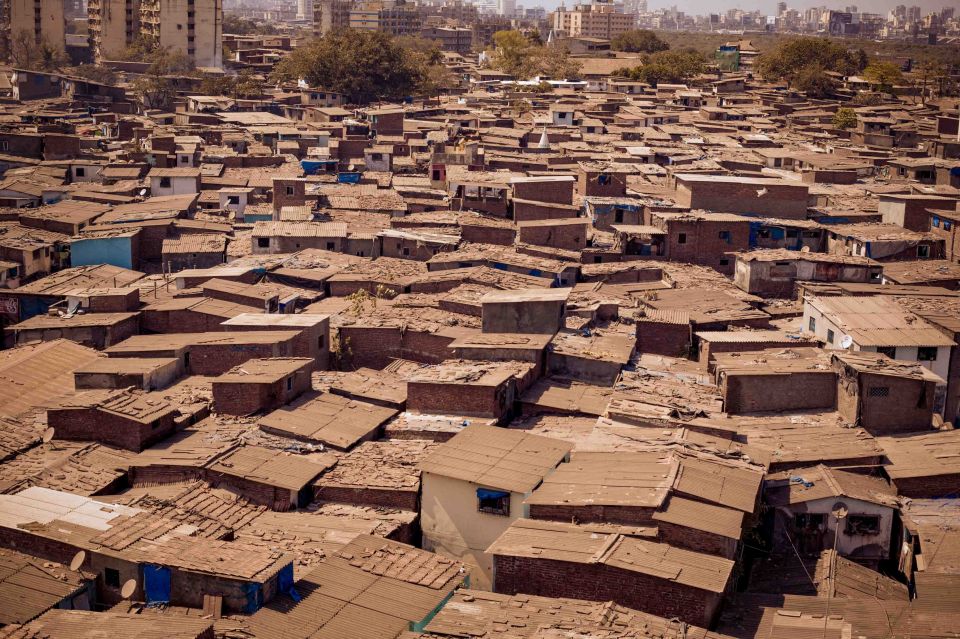
- Car-to-walk flow: Colaba to Dharavi by car first, then a guided walk where you can actually see the work.
- Dhobi Ghat stop: a look at the largest open-air laundry in the world.
- Kumbhar Wada pottery lanes: a 150-year-old pottery neighborhood with hands-on craft context.
- Real-world industry mix: recycling, pottery, embroidery, bakery, soap-making, leather tanning, poppadom production, and more.
- Context on Mumbai’s change: textile mills in the past and ongoing social issues you pass on the drive.
- Respect-based visit: modest dress and a strict no-photography policy inside the slum.
Why Dharavi hits differently with a guided walk
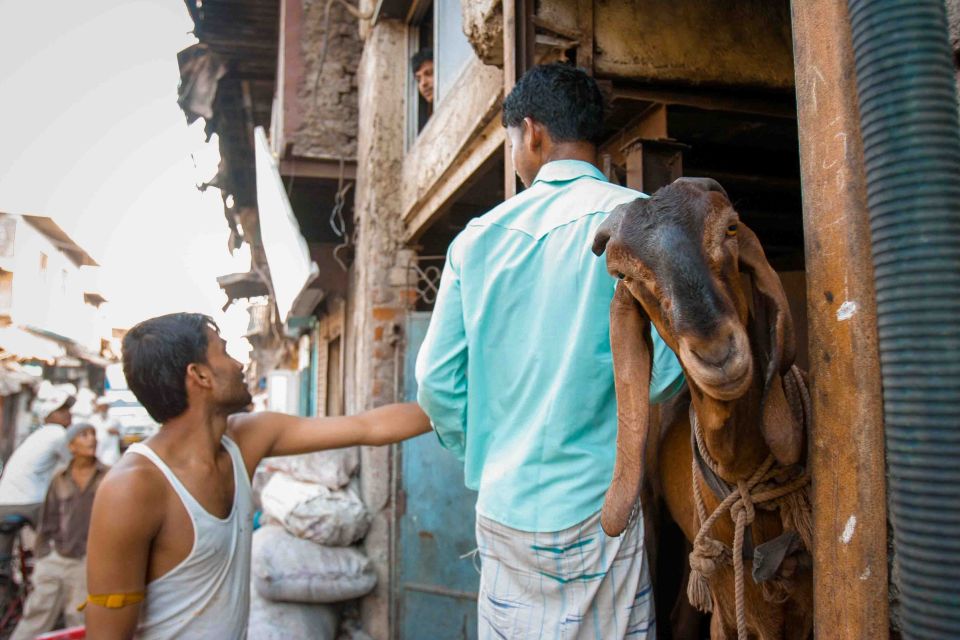
Dharavi is often reduced to one stereotype in guidebooks. This tour treats it more like a place with layers: work, community life, craft, and constant change.
You’ll hear how large it is—around one million residents—and how serious the local economy is, with industries totaling roughly US$665 million in annual turnover. That’s the frame that helps everything else make sense, because you start to see Dharavi less as a single story and more as a city-within-a-city.
And the walk matters. When you’re guided through narrow streets and alleys, you learn what you’re looking at instead of just staring at scenes. You’ll come away with questions answered and a few new ones too.
You can also read our reviews of more tours and experiences in Mumbai



The Colaba-to-Dharavi car ride: history plus social context
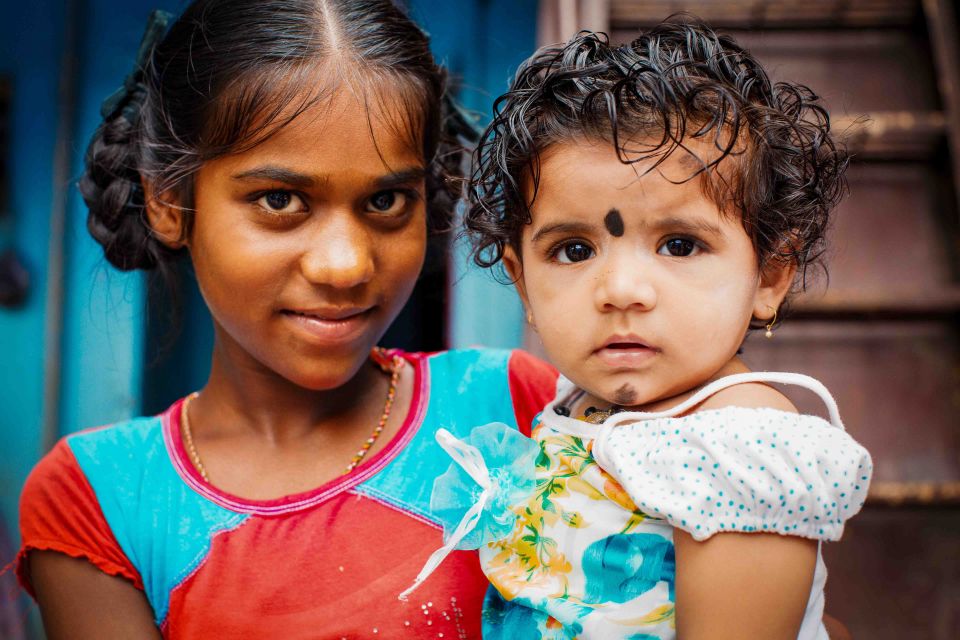
This tour starts with a drive from Colaba toward Dharavi, so you’re not jumping straight into walking without context. Along the way, your local English-speaking guide shares background on Mumbai’s history in a way that connects directly to what you’re about to see.
One major thread is the textile mill area you pass by. You’ll learn how that industry once mattered to Mumbai’s growth, and why its decline still shapes the landscape and economy you see today.
The drive also includes a look at ongoing social issues as you pass areas like Kamathipura. It’s not offered as shock value. It’s there to help you understand the broader urban reality that surrounds Dharavi, not just the boundaries of Dharavi itself.
If you like tours that teach through transitions—first the city’s past, then what’s happening now—this road segment is a big part of the value.
Dhobi Ghat: watching laundry as city infrastructure
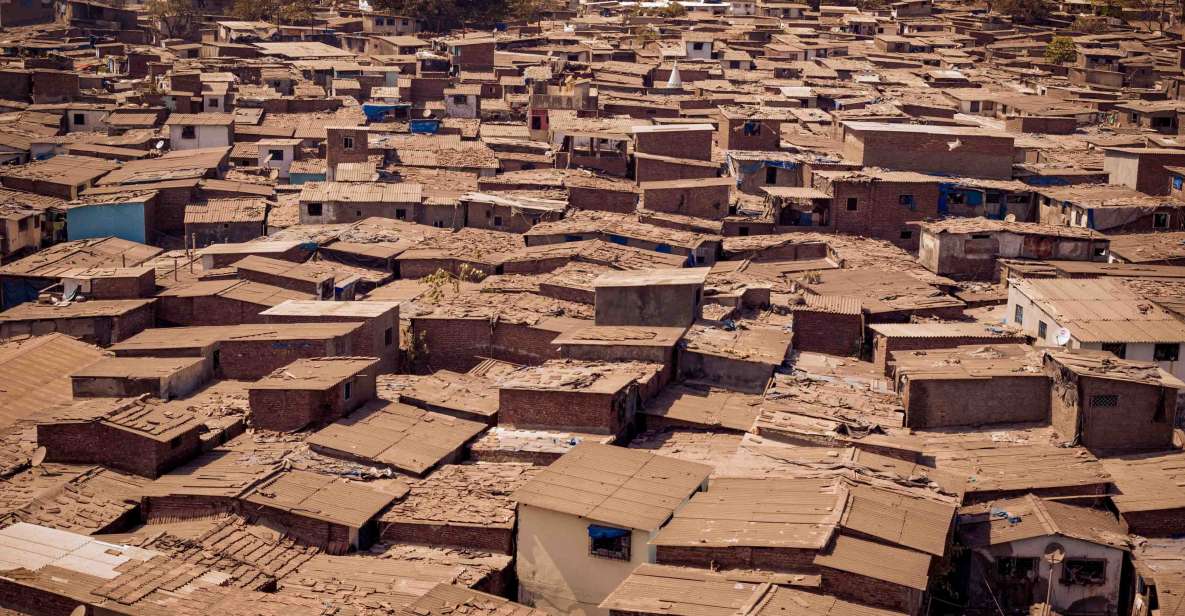
You stop at Dhobi Ghat, described as the largest open-air laundry in the world. Even if you think you know what a laundry looks like, this one shows the scale and organization behind it.
Your guide’s job here is to help you see more than tubs and clotheslines. Dhobi Ghat functions like a working system inside the city, where labor, water, and schedules shape daily life for many people.
This stop also slows the pace in a good way. After the car and the approach to Dharavi, it gives you a clear visual anchor: a place where work is visible, structured, and part of the urban rhythm.
Practical note: open-air stops mean the ground and the viewing areas may not be neat. Wear comfortable shoes and expect you might need to step around uneven surfaces.
Reality Gives–Mumbai: a quick stop with a purpose
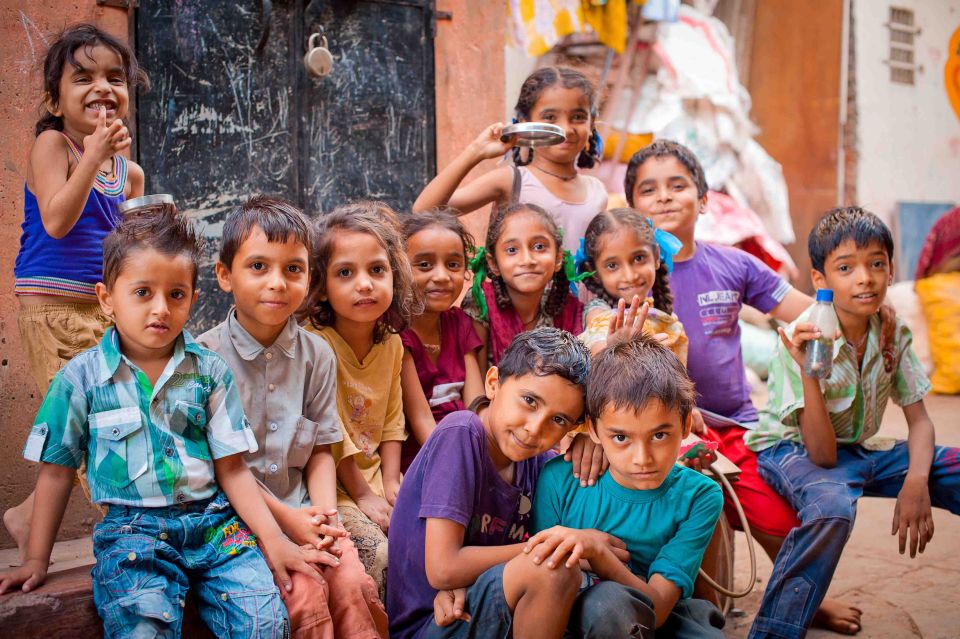
Next comes a short visit labeled Reality Gives–Mumbai, with only about 10 minutes for this part. That brevity can feel rushed on paper, but the point is usually to show you a specific aspect of local initiatives or community-focused work.
Since the stop is short, you’ll want to listen closely to your guide’s explanation. Ask questions during that window—this is where you can get the most helpful, personalized context for what comes next.
If you prefer long museum-style stops, you might wish this had more time. But for many first-time visitors, a short stop like this can be more useful because it keeps the tour’s momentum moving into the neighborhoods where you can see the day-to-day reality.
Kumbhar Wada: a 150-year-old pottery neighborhood walk
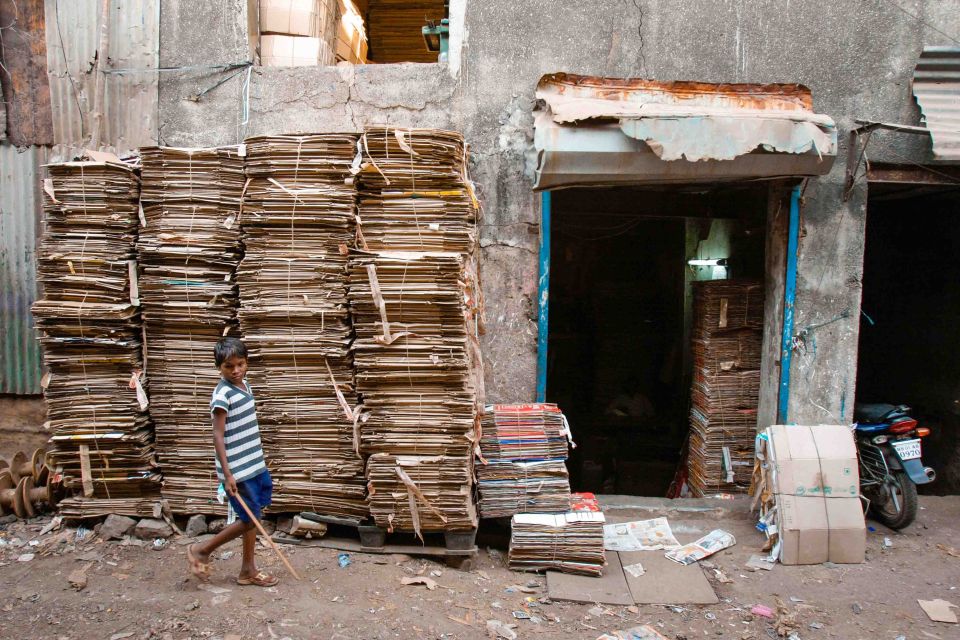
Then you shift into Kumbhar Wada, a pottery area said to be about 150 years old. This is one of the most tangible parts of the experience, because it ties the idea of Dharavi’s industries to a craft tradition with a real footprint.
Your guide takes you through the neighborhood for around 15 minutes, with time to notice how pottery fits into the local economy and daily rhythms. Even if you aren’t a craft person, you’ll likely find the pace and focus different from the rest of Dharavi.
What I like about including Kumbhar Wada is that it helps you avoid the “slum as a single thing” mindset. Pottery gives you a lens: skilled work, repeat customers, and a supply chain that depends on steady production and local knowledge.
Keep expectations realistic for this segment. It’s a brief walk, so you won’t get a full workshop experience unless your guide’s approach includes it. Still, you’ll learn enough to connect the craft to the bigger industrial picture you were hearing about on the drive and earlier in Dharavi.





Walking Dharavi’s lanes: what you’ll see and how to act
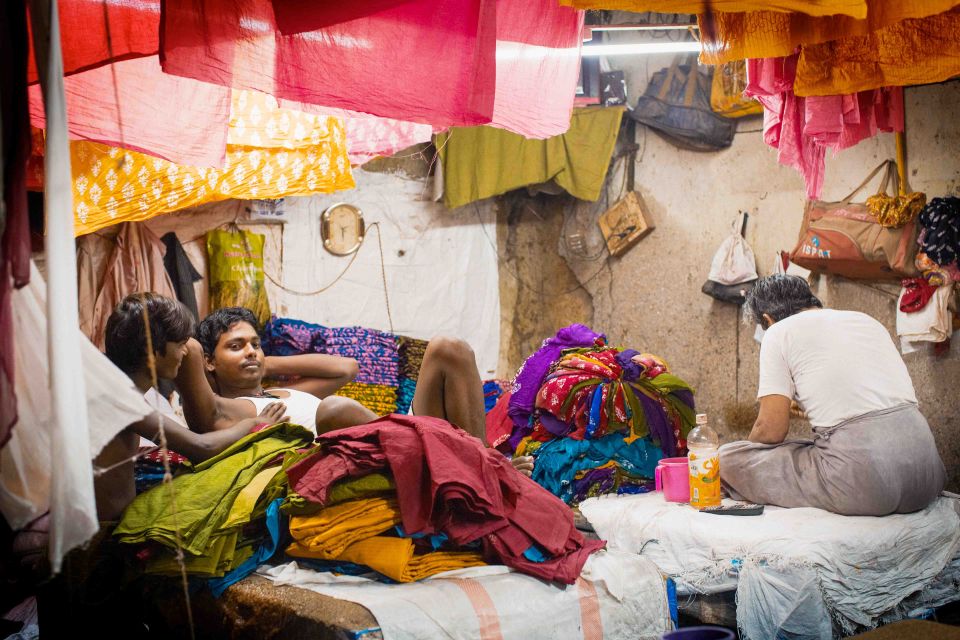
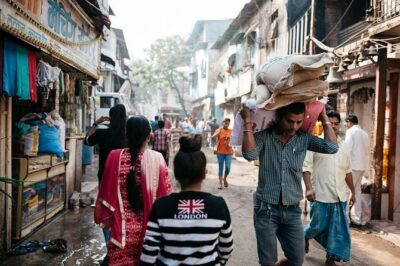
After the intro drive and Dhobi Ghat, the main walking portion covers about one hour in Dharavi. This is the time you’ll be threading through narrow streets and alleys where small-scale industry blends with everyday life.
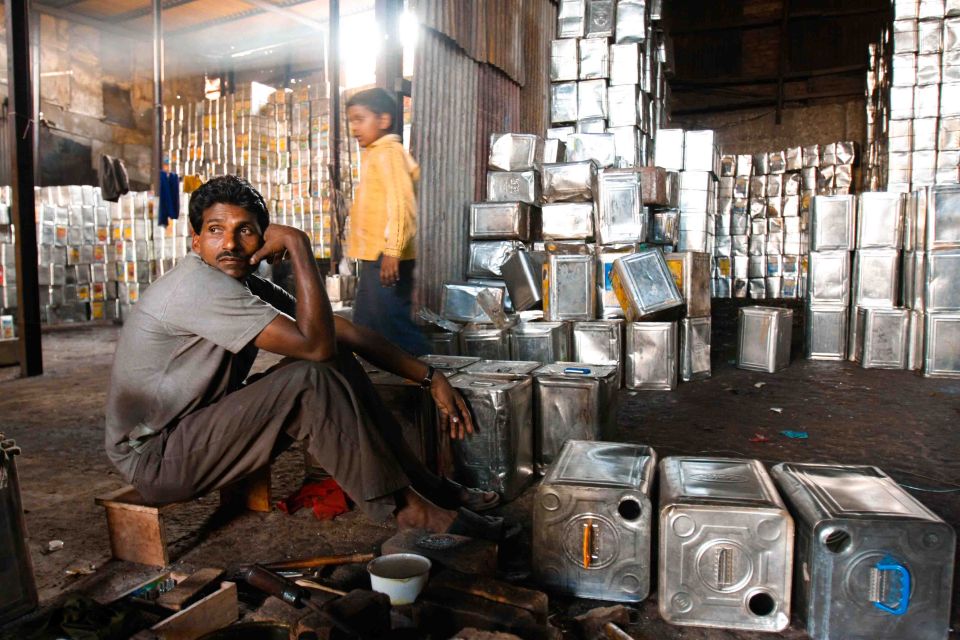
You’ll get an overview of the different business activities that happen here, including things like recycling, pottery-making, embroidery, bakery work, soap factory production, leather tanning, and poppadom-making. The point isn’t to list industries like a worksheet. It’s to show that Dharavi runs on many kinds of labor and many kinds of skill.
You’ll also be in a zone with strict boundaries for visitor behavior. There’s a no-photography policy while in the slum to protect residents’ privacy. If you care about taking photos, this will feel like a buzzkill at first. But it also forces you to experience the place with your eyes and your attention instead of your camera.
There are also dress expectations. You’re asked to dress modestly, with shoulders and chest covered, clothing below the knee, and nothing too tight or revealing. Covered shoes are strongly recommended because some areas can be dirty and you’ll be walking through places that aren’t designed for tourists.
One more small but important detail: your guide wears a blue shirt or polo with the company logo. That helps a lot in a busy setting, especially if you need to double-check you’re together before entering tighter lanes.
How this tour turns “slum tourism” into real understanding
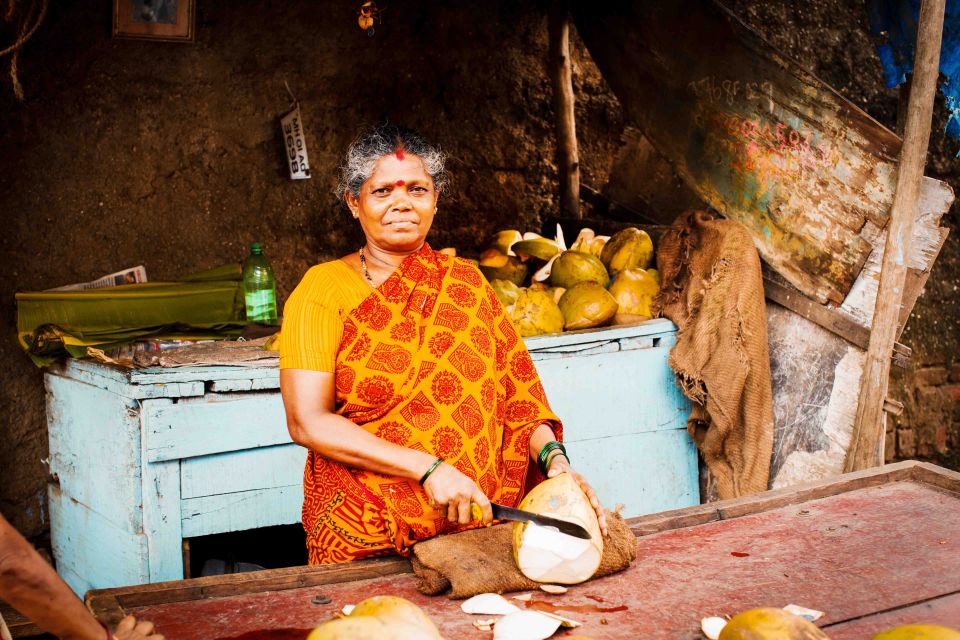
Dharavi is often framed as a problem to be solved. This tour tries a different framing: a place with a beating heart, where people work, build, trade, and support families.
That doesn’t mean you ignore social issues. The guide will discuss ongoing social challenges you pass by, like areas around Kamathipura, and you’ll also hear how historical forces (like the textile mills) helped shape the city into what it became.
If you’ve ever felt uncomfortable about stereotypical slum tours, you’ll probably appreciate the emphasis on context and boundaries here. The experience is built around educational interpretation, not spectacle.
One of the most praised parts of the experience is how guides handle the human side with care. For example, I’ve seen evidence from prior bookings that the operator can support a deaf traveler by bringing in a deaf guide resource when needed, not just offering generic accommodations. That tells me the staff takes guide quality and communication seriously.
Another praised element is the way some guides go beyond the basics with personal touches during the day. One guide name that has come up is Bipin, remembered for pairing the visit with time at a market and a warm family moment involving cooking and a handmade pottery gift. I can’t promise that exact kind of add-on in your slot, and food isn’t listed as included. But it does suggest that when a guide has time, they’re willing to show the culture through real interactions rather than just facts.
Price and value: what US$39 gets you in 4.5 hours
US$39 for a 4.5-hour guided introduction can feel low compared with many Mumbai city tours, especially ones that don’t include any meaningful local context.
Here’s where the value comes from. You get a local English-speaking guide, hotel pickup and drop-off, and water/cold drinks. You also get guided coverage of multiple key parts: the drive with historical and social commentary, the Dhobi Ghat stop, the short Reality Gives–Mumbai visit, and the Kumbhar Wada neighborhood walk.
What you don’t get is food. That’s normal for a tour like this and it keeps the pricing simple, but it means you should plan a meal either before or after. Also note that time is concentrated. If you’re expecting a slow, full-day cultural immersion, you might find 4.5 hours tight. If you want a structured first look that doesn’t waste time, this format works.
Best for first-timers, and who should adjust expectations
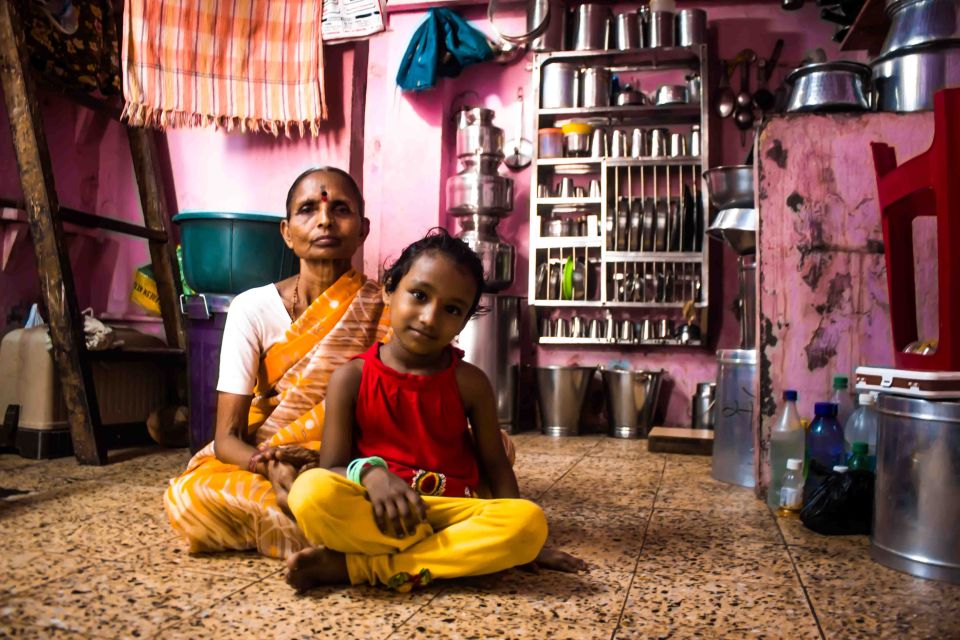
This tour is a strong fit if it’s your first trip to Mumbai and you want to understand Dharavi with some structure. It’s also a good match if you like practical learning: what you’re seeing, why it exists, and what makes the area economically and socially complex.
It’s less ideal if you mainly want photo-heavy sightseeing or if you’re uncomfortable with rules like no photography and modest dress requirements. You should also be ready for places that feel more lived-in than polished. Even with a guide, you’re visiting an active neighborhood, not a staged attraction.
If you travel with limited mobility, keep in mind the experience includes walking in narrow alleys and a main one-hour walk in Dharavi. The tour doesn’t advertise an accessibility adaptation here, so you’d want to think carefully about your stamina and comfort level.
If you travel as a private group, that can be a plus because you can ask questions in real time and adapt the pace to your comfort.
Should you book the Mumbai Dharavi Tour including car transfer?
If you want a short, guided, respectful look at Dharavi with real context, I’d lean yes. The combination of the car-based history and social commentary plus the guided walking and craft stops gives you a more complete understanding than a drive-by ever will.
Book it if you:
- care about learning how Dharavi functions, not just what it looks like
- want a guided stop at Dhobi Ghat and a walk through Kumbhar Wada
- are okay with strict privacy rules like no photography inside the slum
Skip or consider alternatives if you:
- need lots of photo time for souvenirs
- want a full-day program with food and extended craft demonstrations
- aren’t comfortable with modest dress expectations and covered-shoe walking
FAQ
How long is the Dharavi tour?
The duration is 4.5 hours.
Do I get picked up from my hotel?
Yes. Hotel or residence pick up is included (pickup is optional depending on the option you choose), and you also get drop-off.
Where is the meeting point?
You meet outside Leopold Cafe on the side street Nowroji Fardonji Road, off Colaba Causeway.
Is food included during the tour?
No. Food is not included.
What language is the guide?
The tour includes a local English-speaking guide.
Is there walking involved?
Yes. There is a guided visit and walk in Dharavi for about 1 hour, plus shorter guided visits/walks at other stops.
What stops are part of the experience?
You’ll visit Dharavi, stop at Dhobi Ghat, have a short visit at Reality Gives–Mumbai, and walk through Kumbhar Wada.
Can I take photos inside Dharavi?
No. There is a strict no-photography policy while in the slum.
What should I wear and bring?
Wear comfortable clothes and dress modestly (shoulders and chest covered, clothing below the knee, nothing too tight or revealing). You should also wear covered shoes. Water/cold drinks are provided.