REVIEW · MUMBAI
Dharavi: Daily Life inside Asia’s Largest Slum walking tour
Book on GetYourGuide →Operated by Mumbai with Locals · Bookable on GetYourGuide
Dharavi makes you look twice at Mumbai. I love watching plastic recycling turn waste into everyday products, and I love the quiet craft in Kumbharwada, where potters shape clay with generations of skill. The trade-off is simple: this is a walk through narrow, uneven lanes, so it can be tough if you have mobility issues.
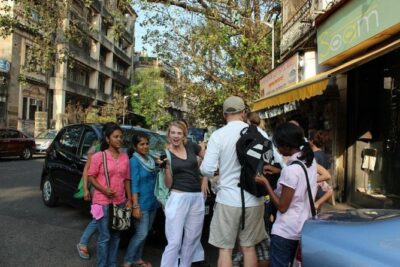
You start outside Third Wave Coffee, meet your guide, and get a clear sense of pace and respect before you step into the lanes. I like that the group stays small and the focus is on conversations, not checklists.
With local English-speaking guides such as Bala, Segidi, Ravi, or Abhishek, you’ll feel looked after while navigating crowded streets. Still, plan for dust and sun, bring comfortable shoes, and expect to walk.
In This Review
- Key things I’d mark on your mental map
- Third Wave Coffee to Dharavi’s edge: how the walk starts
- Dharavi’s industrial lanes: plastic recycling, leather work, and “no space, no problem”
- Residential alleys: kids playing, women chatting, and the hard stuff too
- Dhobi Ghat: hand-washing clothes in the open air
- Kumbharwada potters: clay, kilns, and a community linked to Gujarat
- Price and time: value for $7 in a 2-hour walking tour
- What to bring (so your feet don’t file a complaint)
- Who should book this walk, and who should skip it
- Respect rules that make the whole thing better
- Should you book this Dharavi daily life walking tour?
- FAQ
- How long is the Dharavi daily life walking tour?
- How much does the tour cost?
- Where do we start, and where does the tour end?
- What languages will the guide speak?
- What’s included in the tour price?
- Can I take photos during the tour?
- What should I wear or bring?
- Is it suitable for wheelchair users or limited mobility?
Key things I’d mark on your mental map
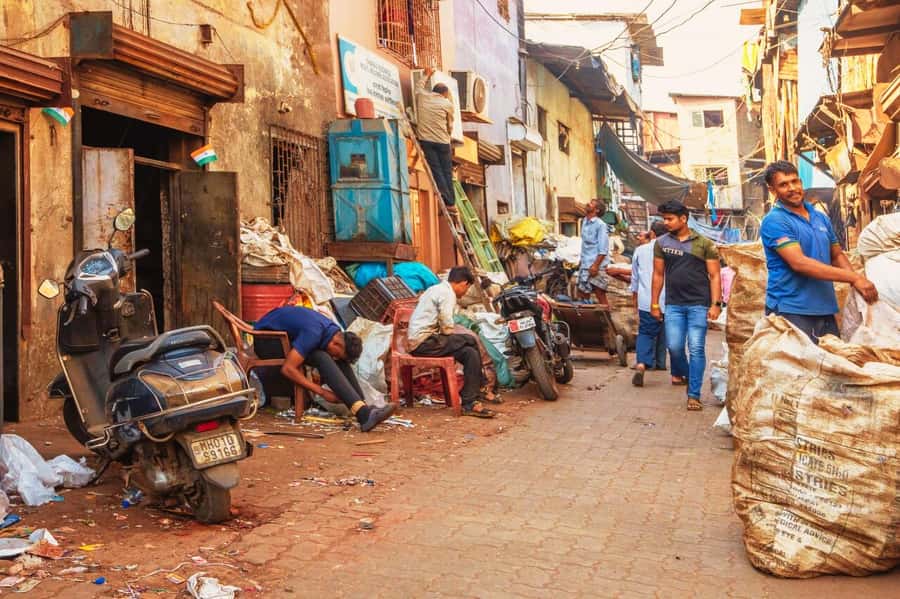
- Plastic recycling that actually works: scrap becomes usable goods.
- Small, family-run industries: you’ll see how the informal economy keeps moving.
- Residential life with real context: daily challenges like sanitation and schooling come up.
- Dhobi Ghat hand laundry: outdoor washing and hard work in plain sight.
- Kumbharwada potters from Gujarat: kilns, drying pots, and practiced hands.
- Local guides + safety support: help with questions and street crossings along the way.
Third Wave Coffee to Dharavi’s edge: how the walk starts
The tour begins outside Third Wave Coffee, with your guide greeting you and setting expectations right away. That intro matters because Dharavi isn’t a normal “attraction.” It’s a working neighborhood where people live, trade, and take care of family life while strangers pass through.
You’ll then move toward Dharavi on foot, with the guide explaining what you’ll see and how to act. This is where you’ll get the rhythm of the day: stay close, listen first, ask questions if invited, and be thoughtful about what you photograph. If you come in looking for a theme park, you’ll feel out of place. If you come curious and respectful, the whole experience clicks.
You can also read our reviews of more walking tours in Mumbai



Dharavi’s industrial lanes: plastic recycling, leather work, and “no space, no problem”
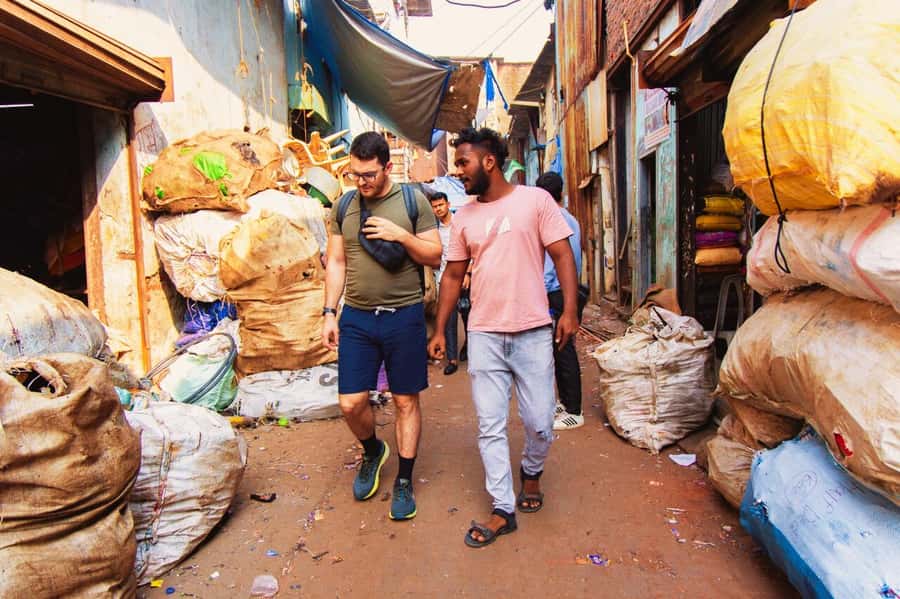
Once you’re inside, the first shift in your mind happens quickly. You might expect only housing, but Dharavi also runs on industry. In the industrial area, there’s a strong sense of motion: people make, repair, craft, bake, and process materials—often right where they live.
One of the best parts is seeing plastic recycling in action. You’ll notice the practical mindset: waste doesn’t get discarded; it gets turned into something useful again. The guide explains how this work feeds Mumbai’s wider economy, even when factories operate with limited space and tight resources.
As you walk, you may also see other small businesses working alongside recycling. The scene can include metal work, leather goods, soap-making, textiles, and pottery-related activity. In many places, it’s family-run and passed down through generations. That’s the point: innovation doesn’t always come from labs or big offices. Sometimes it comes from making do better than yesterday.
A heads-up, though: this section can feel busy and noisy. You’re walking through active work zones, not a museum set. Keep your pace steady and let the guide handle conversations when needed, especially if people are in the middle of tasks.
Residential alleys: kids playing, women chatting, and the hard stuff too
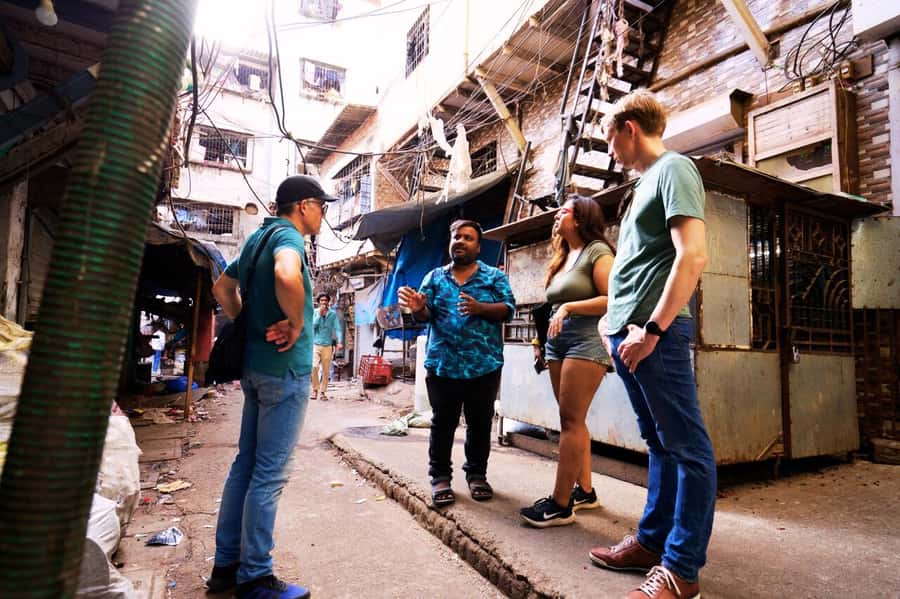
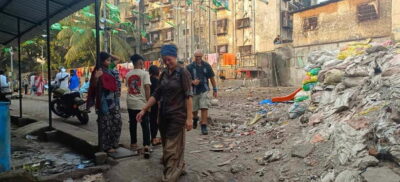
After the industry, the tour moves into the residential area—tight lanes, small homes, and everyday life unfolding close to you. This is where the tour becomes more human and less about your first impressions.
You’ll see ordinary scenes that outsiders often miss: children playing cricket in narrow space, people chatting from doorsteps, and food being prepared in homes. The guide shares local perspectives and personal stories that help you understand what daily routines look like from inside the community.
This is also where the tour doesn’t sugarcoat. You’ll talk about issues tied to living conditions—sanitation, education, healthcare, and housing. The guide’s job is to connect what you see on the ground to what it means for people’s day-to-day lives.
What I like here is the emphasis on empathy over spectacle. The tour isn’t a photo hunt. It’s more like being taught how to notice: how pride shows up in people’s homes and neighborhoods, even when conditions are challenging. If you keep your attitude grounded, you’ll get a lot more out of this section.
Dhobi Ghat: hand-washing clothes in the open air
Dhobi Ghat is one of Dharavi’s most recognizable traditions, and it shows up as part of the experience: Mumbai’s open-air laundry where washerfolk clean clothes by hand.
Even without fancy explanations, you can feel the scale of labor. You’ll see the work process in plain view—people washing, scrubbing, and handling laundry in a space designed for that purpose. It’s not polished, but it is real and systematic, which makes it easy to understand why this kind of work matters in a huge city.
Practical note: this is an outdoor stop. Bring what you need for sun and heat, and stay aware of footing. Also, keep a calm approach. If someone is working, give them space and follow your guide’s cues on when it’s appropriate to look longer or ask questions.
Kumbharwada potters: clay, kilns, and a community linked to Gujarat
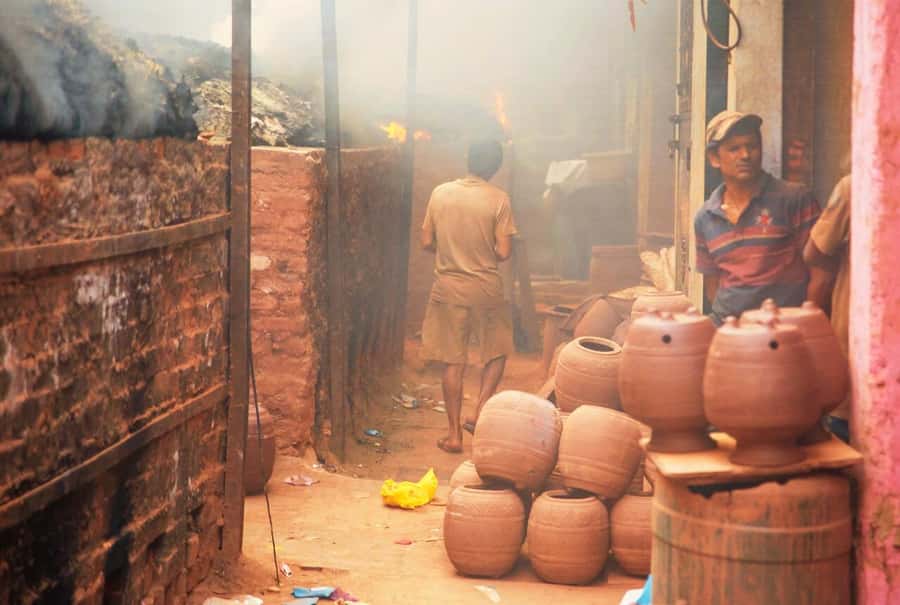
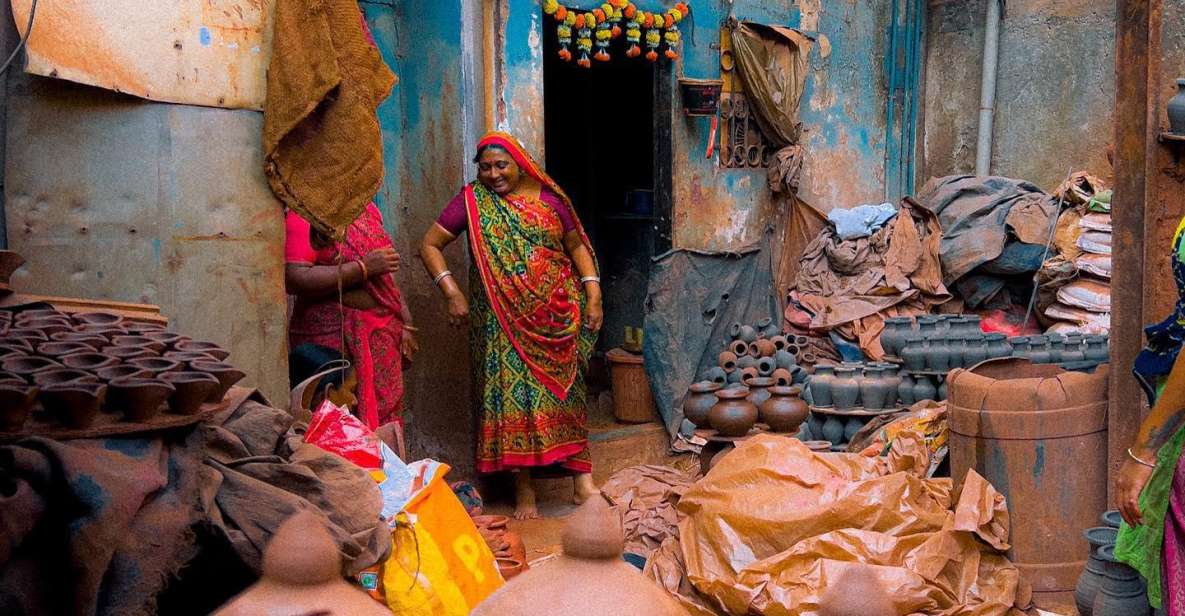
The final leg often shifts to something calmer: Kumbharwada, the potters’ colony. This area is described as home to a community originally from Gujarat, where pottery making has continued for generations.
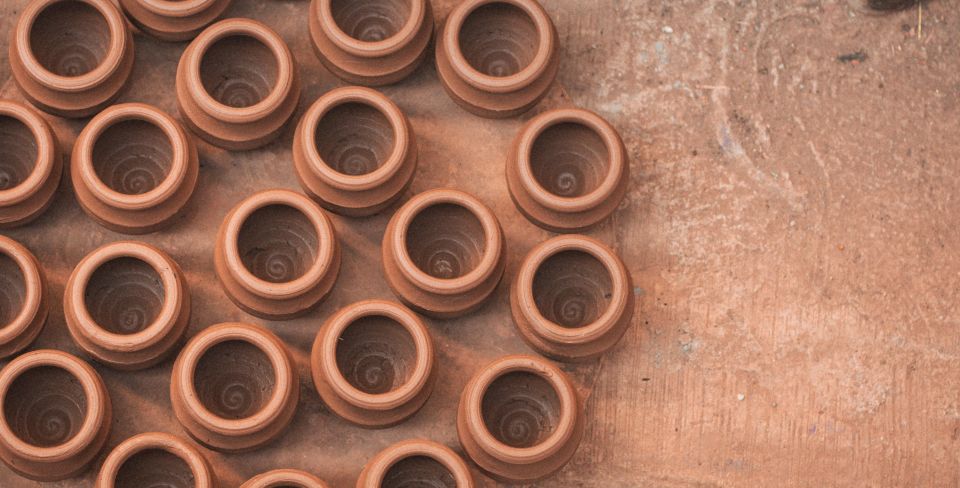
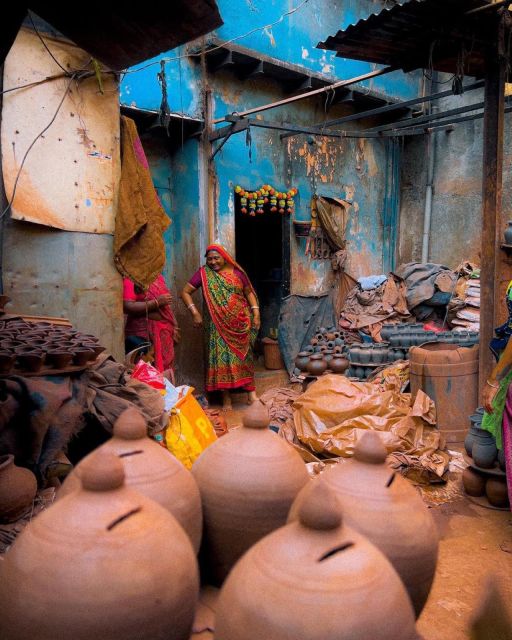
You’ll walk through rows of kilns and see pots drying in the sun. The highlight is watching artisans at work—shaping clay with skilled hands that don’t look like they need instruction from you. It’s a different pace from the industrial zones, and that contrast helps you understand Dharavi as more than one thing.
What makes this stop special is how it shows continuity. Even as the city changes, traditional craft persists. And because the guide places it within the broader story of Dharavi’s economic life, you understand why pottery still matters here—both culturally and practically.
If you love craft, tools, and process, this is the moment you’ll remember. Just be patient and respectful. In areas like this, people are working, not performing.



Price and time: value for $7 in a 2-hour walking tour
At $7 per person for a 2-hour walking tour, you’re paying mainly for local guidance, translation, and access to context. The tour also includes packaged water if needed, which is helpful because you’re outdoors and moving the whole time.
This isn’t a private driver experience. You shouldn’t expect comfort stops, long breaks, or a “sit and learn” format. You’re here to walk and notice. The cost makes sense for what you get: an English-speaking guide, a structured route through key areas, and the chance to ask questions in real time.
Also, group size is kept small to keep things personal. That matters in places like this. Fewer people means less disruption, more time for questions, and a better flow.
What to bring (so your feet don’t file a complaint)
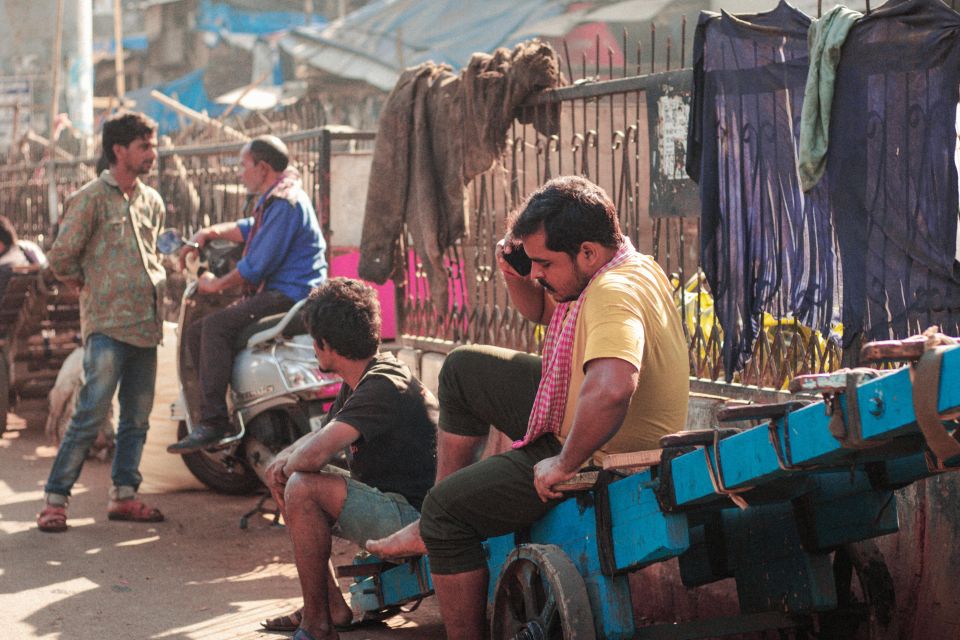
You’ll be walking through narrow, uneven lanes, so your main prep is footwear. Bring comfortable shoes and closed-toe shoes, and wear comfortable clothes. A scarf is recommended, and modest dress is a sign of respect in the community.
Because this is outdoors, pack practical basics: water (even though packaged water is included if needed), sunscreen, and consider a hat if the sun is strong. If you think you’ll struggle breathing in dust or poor air conditions, be cautious—this tour isn’t suitable for people with respiratory issues.
If you’re bringing a camera, remember the rule of thumb: you can take photos, but ask permission before photographing people.
Who should book this walk, and who should skip it
This tour is a great fit if you want to understand daily life inside Dharavi from inside the day-to-day rhythm. It works well for curious adults and students, and for anyone who likes street-level learning: how work gets done, how families function, and how communities maintain identity.
It’s also a good match if you value stories and real conversation. The guides here are central. You may meet guides such as Segidi, Ravi, Abhishek, or Bala, and strong English communication comes up often, along with guidance that helps you feel safe while walking and crossing streets.
Skip it if you need wheelchair access or have major mobility limits. It isn’t suitable for wheelchair users, and it may not work for people with significant movement or vision needs. If your health is sensitive to outdoor conditions or dust, take that seriously before booking.
Respect rules that make the whole thing better
The experience is built on empathy and respect, not sightseeing behavior. That shows up in small moments: where you stand, when you ask questions, and how you handle photography.
Here’s how to keep it respectful without making it awkward:
- Ask your guide when it’s okay to photograph.
- Don’t block entrances or work areas.
- Keep your questions calm and grounded.
- Treat this as a learning walk through someone’s neighborhood, not a spectacle.
Guides also help manage interactions and safety as you move through crowded areas. Reviews highlight guides who go the extra mile, like making sure you get back safely after the walk. That’s a good sign of how the tour is run: practical, careful, and human.
Should you book this Dharavi daily life walking tour?
Book it if you want more than headlines. This tour offers a grounded look at how people turn waste into value, how small industries operate in tight spaces, and how daily life continues with both challenges and pride. The stops add up nicely: industrial work with plastic recycling, residential streets with everyday reality, Dhobi Ghat’s hand laundry, and Kumbharwada’s potters and kilns.
Don’t book it if you can’t handle uneven lanes or outdoor exposure, or if you need accessibility accommodations the tour doesn’t support. Also, if you’re the type who only likes polished viewpoints, this may feel too real and too close to daily life.
If you can walk comfortably for two hours and you’re ready to act respectfully, this is one of the most meaningful ways to understand Dharavi as a living, working neighborhood.
FAQ
How long is the Dharavi daily life walking tour?
It’s a 2-hour walking tour inside Dharavi.
How much does the tour cost?
The price is $7 per person.
Where do we start, and where does the tour end?
You start outside Third Wave Coffee. The tour ends back at the meeting point.
What languages will the guide speak?
The tour uses Hindi and English, and it’s described as an English-speaking guide.
What’s included in the tour price?
The price covers the English-speaking guide and packaged water if needed.
Can I take photos during the tour?
Photography is allowed, but you should ask permission before photographing people.
What should I wear or bring?
Wear comfortable shoes and comfortable clothes. Bring a scarf and closed-toe shoes. Since it’s outdoors, also consider water, sunscreen, and a hat if needed.
Is it suitable for wheelchair users or limited mobility?
No. It is not suitable for wheelchair users and may not be suitable for people with mobility issues.