REVIEW · MUMBAI
Mumbai: Dhobi Ghat Laundry and Dharavi Slum Tour with Local
Book on GetYourGuide →Operated by Inside Mumbai Tours · Bookable on GetYourGuide
Mumbai has a side you rarely see. This Dharavi and Dhobi Ghat tour mixes real neighborhood life with the open-air laundry that keeps clothes moving for thousands. I love how it’s guided by people with roots in Dharavi, and I love the focus on working industries like plastic recycling and garment/textile and leather, not a one-note poverty spectacle.
The biggest drawback? This isn’t a theme-park. You’re walking through real homes and workplaces, so the tone is respectful and photo moments aren’t the point. If you come expecting a Hollywood-style show, you’ll feel out of place.
In This Review
- Key things that make this tour worth your time
- Why Dhobi Ghat and Dharavi are paired in one tour
- You’re not just paying for views. You’re buying local context
- Entering Dharavi: what you’ll actually see on the walk
- The industries: plastic recycling, textiles, garment work, and leather
- The Slumdog Millionaire filming spot: film memory with real context
- Dhobi Ghat open-air laundry: watching clothes become a system
- Getting there the Mumbai way: train rides between neighborhoods
- Price and value: $4.45 is the headline, but what’s included is the real math
- Safety and respect: the ethical concern you should take seriously
- Who this tour is best for (and who might want another option)
- Practical tips before you book
- Should you book this Dharavi and Dhobi Ghat tour?
- FAQ
- How long is the Dhobi Ghat Laundry and Dharavi Slum tour?
- What does the tour include?
- Is this tour private or shared?
- What language is the tour guide?
- What will I see in Dharavi?
- What is Dhobi Ghat like during the tour?
- Is food included?
- Is the tour safe?
- Can I cancel and get a full refund?
Key things that make this tour worth your time
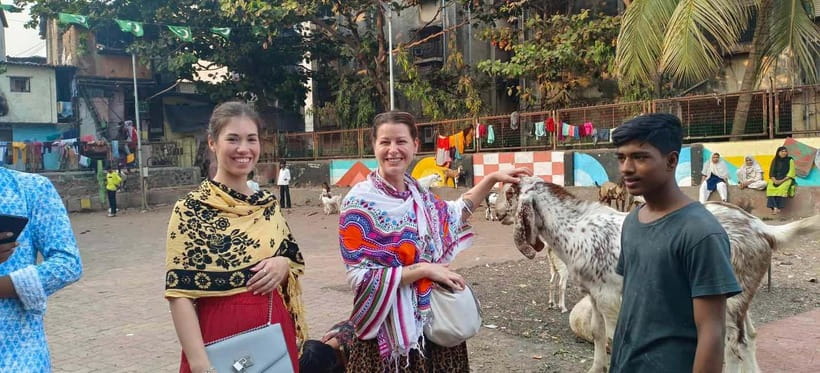
- Local-guided, privacy-first access through Dharavi by residents, not outsiders hovering for reactions
- Dhobi Ghat open-air laundry with a clear look at how the laundry system functions day to day
- Hands-on view of recycling and industries tied to plastic, textiles, garment work, and leather
- The Slumdog Millionaire filming location inside Dharavi, tied to daily life rather than film trivia
- A practical Mumbai touch via local train travel between Dharavi and Dhobi Ghat
Why Dhobi Ghat and Dharavi are paired in one tour
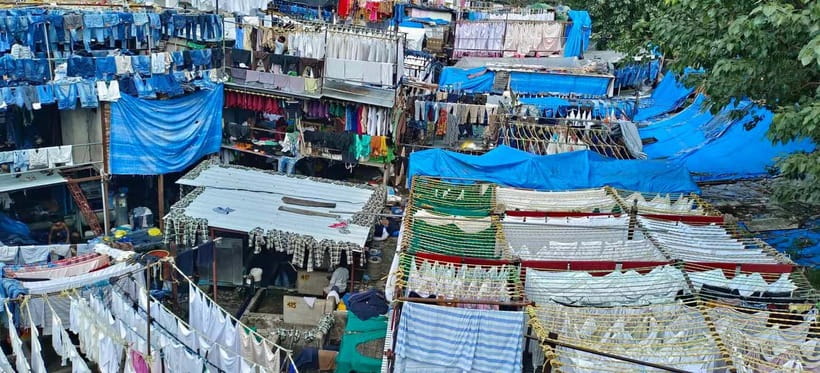
Most Mumbai tours split the story: one day you do sights, another day you do neighborhoods. This one stitches together two “working Mumbai” worlds in about 3 hours. Dharavi shows how a dense community organizes daily life and small industry. Dhobi Ghat shows how an entire laundry operation runs in public, open air.
What I like for your planning: you’re not trying to cover everything across the city. You’re seeing one concentrated slice of the local economy—then you switch gears to another visible system right in front of you. It’s efficient, and it helps you understand Mumbai as a place where labor, logistics, and survival skills all blend.
You can also read our reviews of more tours and experiences in Mumbai.

You’re not just paying for views. You’re buying local context
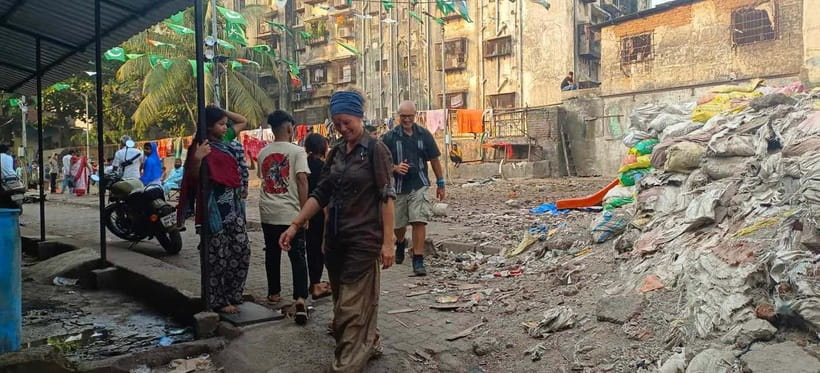
The tour’s hook is the guide. The reviews repeatedly point to guides who grew up in Dharavi and know the area from the inside—people like Bharti, Abi, Ansh, Alkama, Faizan, and Aarti. That matters because Dharavi isn’t one single scene. It’s many micro-neighborhoods, workshops, and household spaces that look confusing if you’re walking without help.
With a local guide, you get the “how does this actually work” layer. For example, guides explain the everyday rhythm—who does what, where families live alongside work, and why certain industries sit where they do. You’re not only seeing buildings. You’re getting the logic behind how the place operates.
And yes, that also affects the vibe. Multiple guides were praised for being respectful and for protecting residents’ privacy. If you’re worried about being intrusive, this is exactly the kind of tour setup you want: you move with permission, boundaries, and a human guide who knows people by name.
Entering Dharavi: what you’ll actually see on the walk
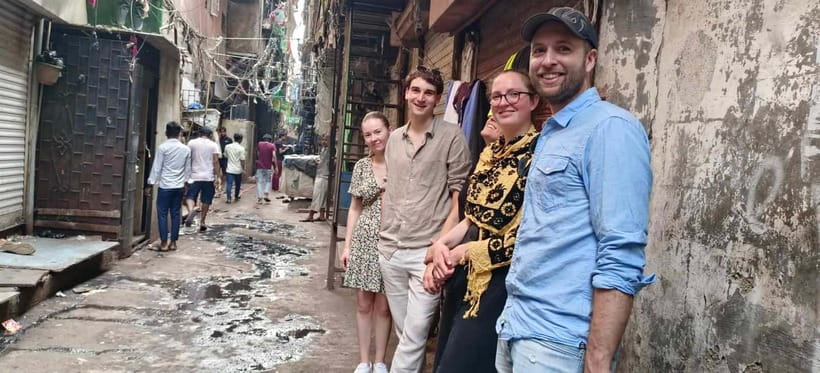
Inside Dharavi, expect a mix of residential life and working areas. The tour description flags what locals do for a living and where families stay. The reviews back that up with routes that include spots where you can observe daily routines—where children play, where people relax, and how work threads through daily living.
Here’s the part that makes the experience click: Dharavi isn’t presented as a single image of hardship. It’s shown as a place with systems. You’ll see the places where businesses operate (workshops and market areas) and the lived-in side of the neighborhood (where households and community life overlap with production).
Practical note for you: walking through Dharavi is not like cruising a museum. You’ll go at a local pace, and your guide may adjust the rhythm if it’s hot or if your group needs slower turns and clearer explanations.
The industries: plastic recycling, textiles, garment work, and leather
This is one of the strongest reasons to book. The tour specifically calls out witnessing the plastic recycling industry and industries tied to garment/textile and leather. When you see these activities up close, the economic picture stops being abstract.
You’re not just learning that “recycling happens.” You see how it fits into a working ecosystem. That helps you understand why Dharavi is often discussed in terms of output and income—because the work is real, continuous, and tightly organized.
Why this is valuable for you, even if you’re not a factory-watching person: industries like textiles and leather depend on steps, tools, and knowledge. Your guide can explain how that knowledge is passed through the community and how the local supply chain keeps moving.
The Slumdog Millionaire filming spot: film memory with real context
The tour includes a visit to a place where the movie Slumdog Millionaire was filmed inside Dharavi. But the value isn’t trivia. The practical payoff is contrast.
Film images tend to compress complexity into quick visuals. Being shown the actual location, in context of how people live around it, helps you build a more honest mental map. You’re comparing a simplified story to the messy reality of a functioning neighborhood.
If you love film and you also care about accuracy, this stop is a neat bridge between pop culture and lived experience—provided your guide handles it in a respectful way (which the reviews emphasize).




Dhobi Ghat open-air laundry: watching clothes become a system
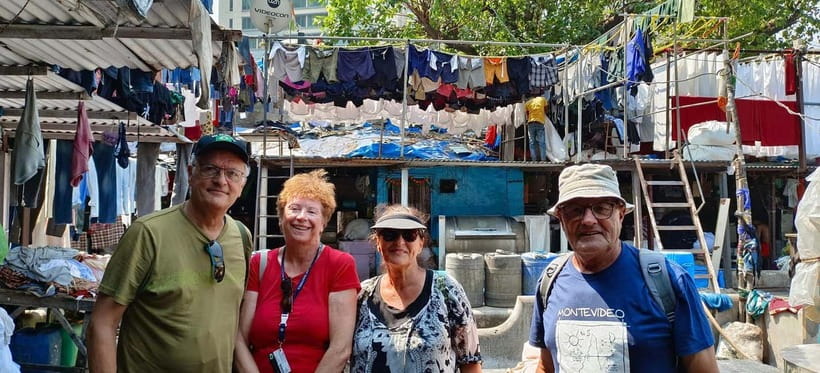
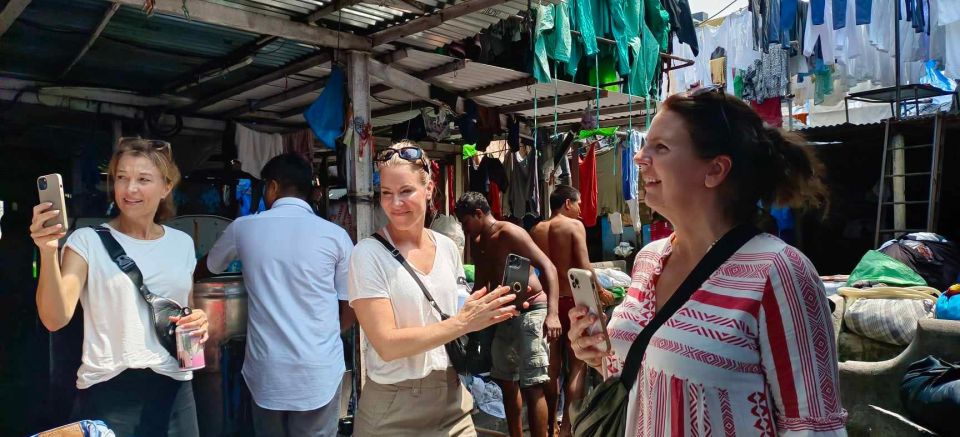
Dhobi Ghat is the other half of the tour, and it’s famously visual. You’ll visit an open-air laundry where the operation runs in public. The guide’s job here is crucial: without explanations, it can look like just people working with huge amounts of laundry.
With a local guide, you get the history and the mechanics—how the laundry system functions and what makes it work at scale. Multiple reviews highlight that the laundry area was a standout moment because it’s something you’d struggle to fully grasp on your own.
One more thing I’d underline: Dhobi Ghat isn’t just a photo op. It’s labor, timing, sorting, handling, and workflow. Watching it after Dharavi helps you connect the dots between different kinds of “work cities run on.”
Getting there the Mumbai way: train rides between neighborhoods
The tour can include local train travel between Dharavi and Dhobi Ghat. Reviews describe train experiences that feel lively and very Mumbai—like enjoying the ride with doors open and using the railway as part of how locals move.
Why I think that’s worth your time: it reduces the “tour bus bubble” feeling. Even a short transit segment becomes part of the story. You also get practical familiarity with how these areas connect, which is useful if you’re navigating Mumbai later.
Price and value: $4.45 is the headline, but what’s included is the real math
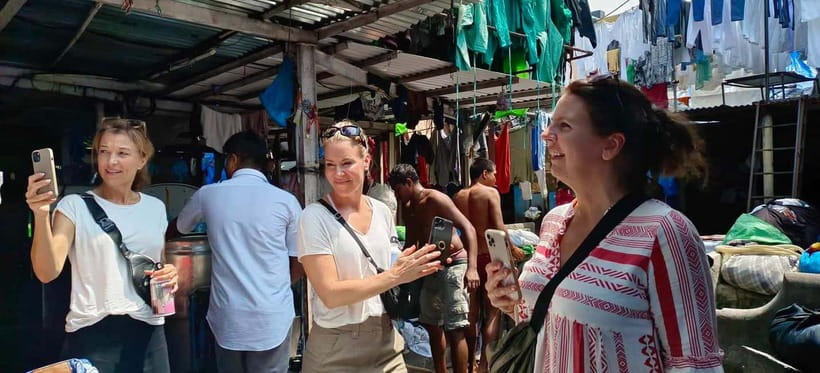
At about $4.45 per person for a 3-hour guided experience, the price can look almost unreal. Here’s how I’d evaluate value instead of just staring at the number.
You’re getting:
- a local English-speaking guide
- either private or shared tour format (depending on what you book)
- entry tickets
- travel fees
- water
Food is not included, so you’ll want to plan accordingly (either eat before or after). But the cost still feels like strong value because the guide, the local access, and the transportation pieces are baked into the package.
Also, the reviews are heavy on one theme: it’s not voyeuristic. You’re guided through working and residential areas with explanations, not just marched past scenes. When a tour costs very little, the risk is that it becomes low-effort. In this case, the guide factor is what people praise most, and it’s the engine behind the experience.
Safety and respect: the ethical concern you should take seriously
Dharavi tours come with a built-in anxiety question: Is it respectful? The tour’s messaging says it aims to dispel stereotypes and that it’s safe to visit inside and around with residents guiding you.
The reviews back up that the guides focused on privacy and respectful behavior. People mention feeling safe throughout, and they mention that the approach didn’t feel voyeuristic. That doesn’t mean you should drop common sense. It means the tour is built to reduce the most uncomfortable risks.
My practical advice for you:
- Wear normal day clothes and act like you’re visiting a workplace and neighborhood, not filming a documentary
- Keep your curiosity human—ask questions, don’t poke around for reactions
- If your guide sets boundaries around photos, take that cue
Who this tour is best for (and who might want another option)
This tour makes the most sense if you want:
- a Mumbai reality check that goes beyond stereotypes
- insight into local economies like recycling and textiles
- a guided visit with a Dharavi local who can explain daily routines
- a short, focused experience that pairs Dharavi with Dhobi Ghat
It may not be the best fit if you:
- want a classic sightseeing loop with long stops at monuments
- get uncomfortable with close quarters in working neighborhoods
- expect a polished, low-contact atmosphere
If you’re visiting with kids, the reviews include families who did this with children aged 8 and 11, and the guide took time to explain things clearly. So it can work for families—just expect it to be educational and more discussion-based than game-based.
Practical tips before you book
A few small things will make your experience smoother:
- Bring a light layer and something for sun. One review notes the guide paced the walk on a hot day, but you’ll still do better with sun protection.
- Plan your meals. Since food isn’t included, eat before you go or schedule something afterward.
- Pack patience. Dharavi is active. Conversations, workflow, and movement are part of the day.
- If you care about guide style, look for the names you see praised most like Bharti, Abi, Ansh, Alkama, and Faizan, since reviews repeatedly call out their approach.
Should you book this Dharavi and Dhobi Ghat tour?
If you want one tour in Mumbai that connects real neighborhood life to visible working systems, I’d say book it. The strongest reasons: the tour is led by local guides with close community ties, it focuses on industries like plastic recycling and textiles/leather, and it includes Dhobi Ghat’s open-air laundry where you can actually see how work runs.
Only consider skipping if you need a relaxed, sightseeing-only day or you know neighborhood tours make you uneasy no matter what. Otherwise, this is a short, high-impact way to see a part of Mumbai that’s usually explained from a distance.
FAQ
How long is the Dhobi Ghat Laundry and Dharavi Slum tour?
The duration is listed as 3 hours.
What does the tour include?
It includes a local English-speaking tour guide, private or shared tour (depending on option), entry tickets, travelling fees, and water.
Is this tour private or shared?
You can book it as private or shared, depending on the option you select. Small groups are also mentioned.
What language is the tour guide?
The tour is offered with an English speaking guide. An optional audio guide in English is also listed.
What will I see in Dharavi?
You’ll see how people live and work inside Dharavi, including where families live, how children play, and local businesses such as plastic recycling and industries like garment/textile and leather.
What is Dhobi Ghat like during the tour?
You’ll visit Dhobi Ghat open-air laundry, where you can see the laundry operation up close, along with explanations of how the laundry system works.
Is food included?
No. Food and drinks are not included.
Is the tour safe?
The activity description says it is completely safe to visit inside and around, and reviews describe feeling safe during the tour when guided by locals.
Can I cancel and get a full refund?
Yes. Free cancellation is listed up to 24 hours in advance for a full refund.