REVIEW · MUMBAI
Mumbai: All-Inclusive Mumbai Private Full or Half Day Trip
Book on GetYourGuide →Operated by India Tour · Bookable on GetYourGuide
Mumbai can feel like a giant moving puzzle. This private tour helps you tick off the Gateway of India waterfront, UNESCO Chhatrapati Shivaji Maharaj Terminus (CST), and Elephanta by ferry without spending your day on buses and apps. I especially like how you get both the classic photo stops and the story-heavy parts, like Gandhi’s Mani Bhavan, in one smooth day. The one drawback: the schedule is packed, so if you prefer slow wandering, you may find the timings a little tight.
For the money, I like that it’s actually all-inclusive for the core logistics: hotel pickup and drop-off, an air-conditioned vehicle, a private guide, entry tickets, and even a water bottle. You can focus on watching Mumbai do its thing, from sea views to working communities. One consideration before you book: Elephanta Caves are closed every Monday, so you’ll want to line up your dates.
In This Review
- Key things that make this Mumbai private trip work
- The best way to start: pickup, air-con, and a smart route
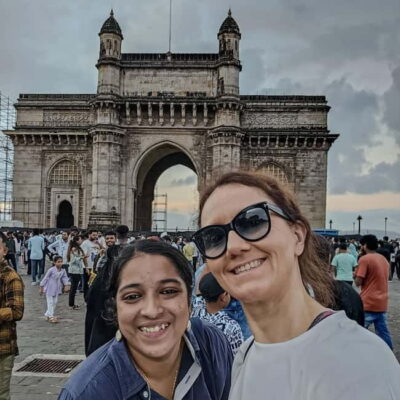
- Gateway of India and Taj Mahal Palace: the sea-front “first impression”
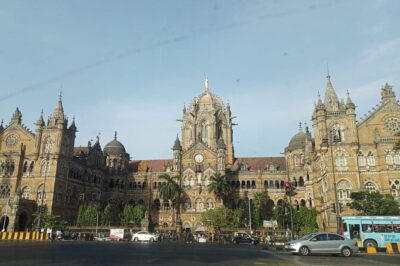
- CST Terminus: UNESCO architecture you can actually notice
- Churchgate and the sea drive: what to watch for on Marine Drive
- Mani Bhavan and Hanging Gardens: Gandhi’s page and Malabar Hill views
- The ferry to Elephanta Caves: plan for timing and the mood shift
- The three-faced Buddha moment
- Dharavi: beyond the headline, a look at real work
- How long is a half day vs full day, really?
- Price and value: why $26 can work in Mumbai
- Who this tour suits (and who should skip it)
- Small practical tips to make the day easier
- Should you book this Mumbai private tour?
- FAQ
- Where do I meet the guide?
- How long is the tour?
- Is this tour private and guided in English?
- How do you get to Elephanta Caves?
- Are entry tickets included?
- Are Elephanta Caves open every day?
- What should I bring with me?
- Does the tour include pickup and drop-off?
- Is the tour suitable for everyone?
Key things that make this Mumbai private trip work
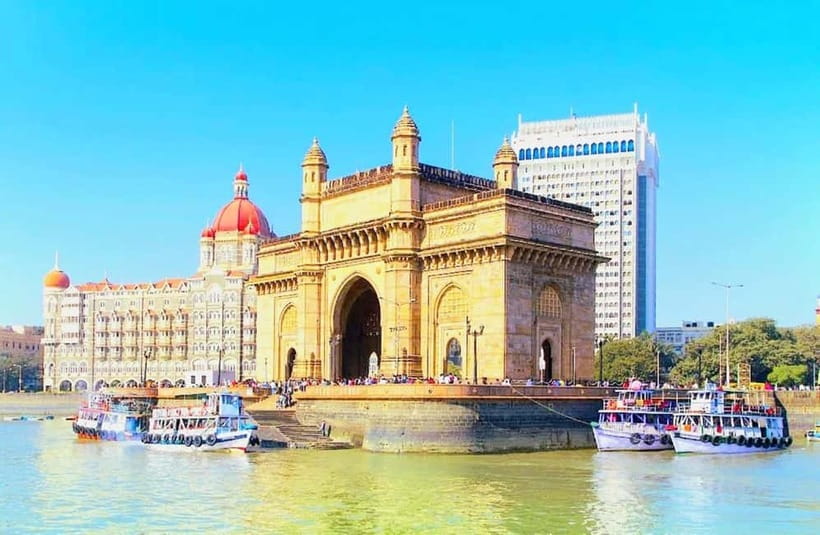
- Gateway of India start point that keeps the day efficient: meet at the waterfront and get moving right away.
- CST Terminus UNESCO visit: you’ll stop for the station’s Victorian Gothic Revival meets traditional Indian design.
- Marine Drive and Malabar Hill photo time: scenic viewpoints that feel very Mumbai, especially when timing allows for lights.
- Ferry + Elephanta Caves plan: a 45-minute crossing each way, plus a focus on the famous three-faced Buddha.
- Mani Bhavan stop for Gandhi’s Mumbai: you’ll visit the historic house tied to key independence movements.
- Dharavi workshop-style visit: pottery, leather workshops, and recycling units—more practical than just a quick look.
The best way to start: pickup, air-con, and a smart route
You begin with pickup from your hotel (or you can meet the driver at your hotel if you choose the pickup option). The whole point is to keep you from wrestling with Mumbai traffic and route planning before you even reach the sights. Once you’re in the car, you’re moving in a steady loop, with short stops where you can take photos and still keep the day flowing.
You’ll travel in an air-conditioned vehicle, and you also get entry tickets plus parking and all fees handled. That matters because Mumbai’s “small” logistics add up fast: parking, ticket counters, and figuring out where to stand. Here, the plan is set up so you can spend your energy on the places, not the process.
You can also read our reviews of more private tours in Mumbai


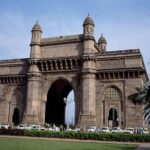
Gateway of India and Taj Mahal Palace: the sea-front “first impression”
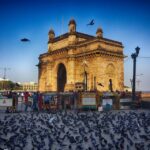
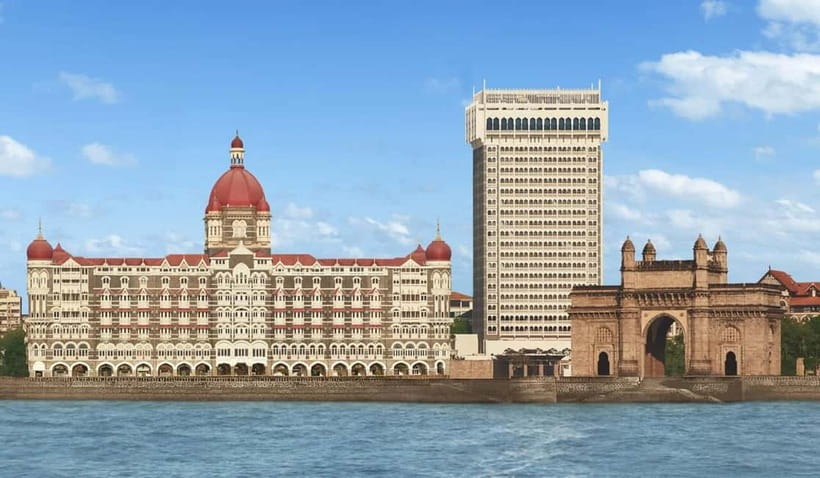
The day kicks off at the Gateway of India, a waterfront landmark with the Arabian Sea right there. This is the kind of stop that instantly tells you what kind of city Mumbai is: maritime, crowded, and visually loud in a good way.
From there, you’ll pass the Taj Mahal Palace Hotel. It’s a quick photo moment, but it sets context—this part of Mumbai has long been where global attention met local life. Even if you’re not staying at the hotel, you’ll see why it shows up in every classic photo set.
A small tip for the vibe: bring your camera phone ready. The waterfront angles can look slightly different from different edges of the monument area, and you don’t want to lose your best shot because you’re hunting for the right spot.
CST Terminus: UNESCO architecture you can actually notice
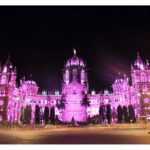
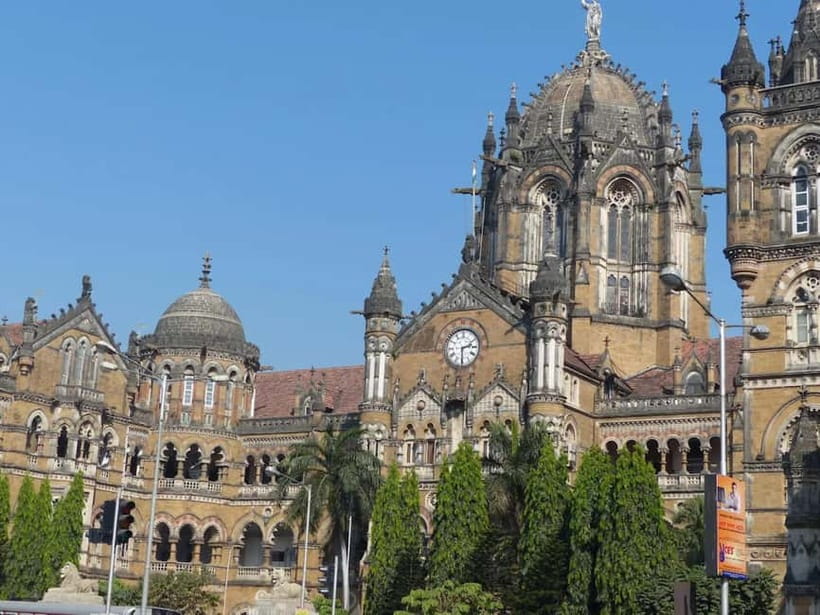
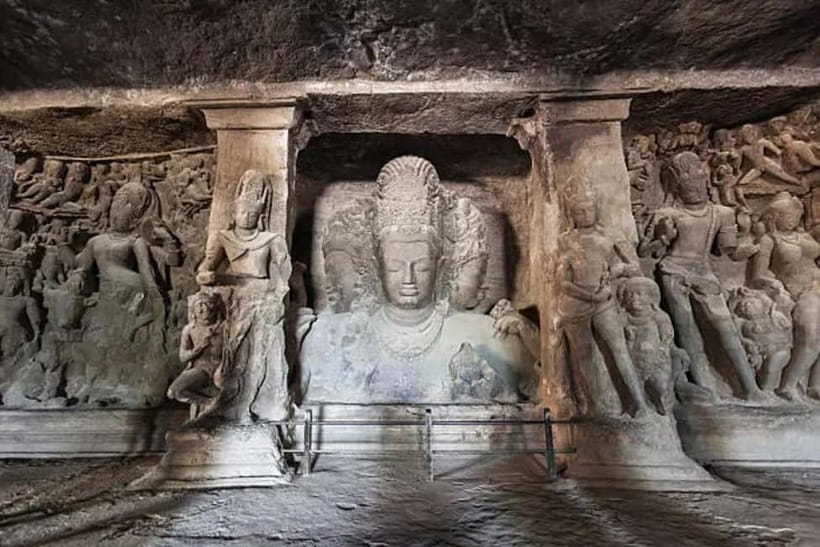
Next comes Chhatrapati Shivaji Maharaj Terminus (CST), a UNESCO World Heritage Site. The station’s design is where this tour earns extra points, because it’s not just “a building”—it’s a mash-up you can visually read: Victorian Gothic Revival elements alongside traditional Indian influences.
This stop works well if you enjoy architecture that looks both formal and lived-in. You’ll get a visit and a photo stop, so you’re not just passing it like a roadside blur. And if you like trains and old infrastructure, this is one of those places where the details reward a slower look for a few minutes.
Churchgate and the sea drive: what to watch for on Marine Drive
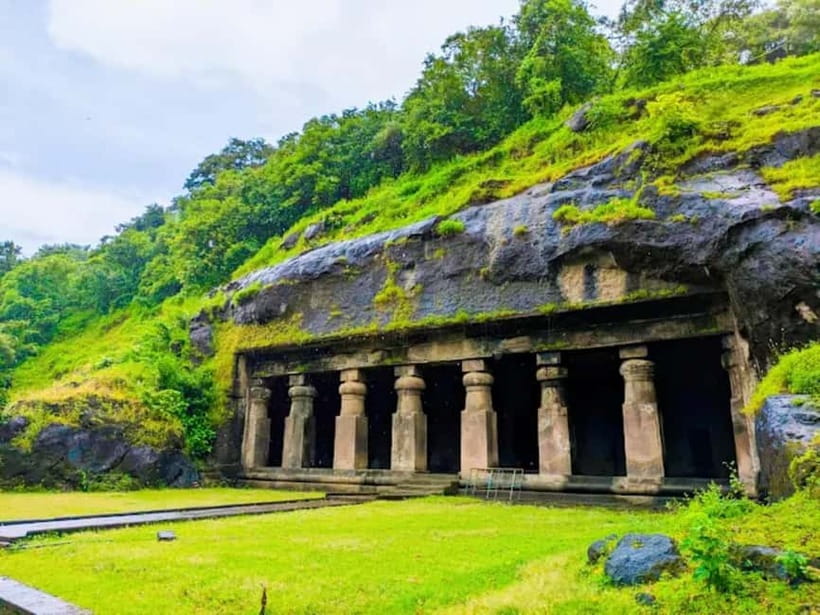
You’ll also include a Churchgate stop (photo stop and visit). It’s short, but it helps the day feel grounded in the actual rail geography of Mumbai, not just the landmarks.
Then you’ll head to Marine Drive, often called the Queen’s Necklace because of its illuminated look at night. Even if your stop is during daytime, you’ll still get sea views and that long, clean stretch of road lined with the city behind it. Keep your expectations realistic: this is a photo viewpoint stop, not a long beach hangout.
If you’re timing-sensitive, this is a good place to ask your guide how long you’ll have for photos. Marine Drive’s best “wow” moment depends on light, and a good guide will know what to aim for.
Mani Bhavan and Hanging Gardens: Gandhi’s page and Malabar Hill views
Now you shift gears into Mumbai that feels calmer for a moment. You’ll visit Mani Bhavan, the historic house where Mahatma Gandhi once lived and directed important actions during India’s freedom struggle. For many people, this is the emotional anchor of the day, because it turns the city from a set of sights into a place where history took practical shape.
After that, you’ll go to Hanging Gardens in Malabar Hill. This is a terraced garden with panoramic city views. The trick here is to take in the scale: Mumbai spreads outward in layers, and from this viewpoint you can feel why the city’s neighborhoods feel so separate even when they’re close.
If you’ve been on the move all morning, this stop gives you a breather. You’ll likely leave with photos that don’t look like the same checklist shot everyone else posts.
You can also read our reviews of more tours and experiences in Mumbai



The ferry to Elephanta Caves: plan for timing and the mood shift
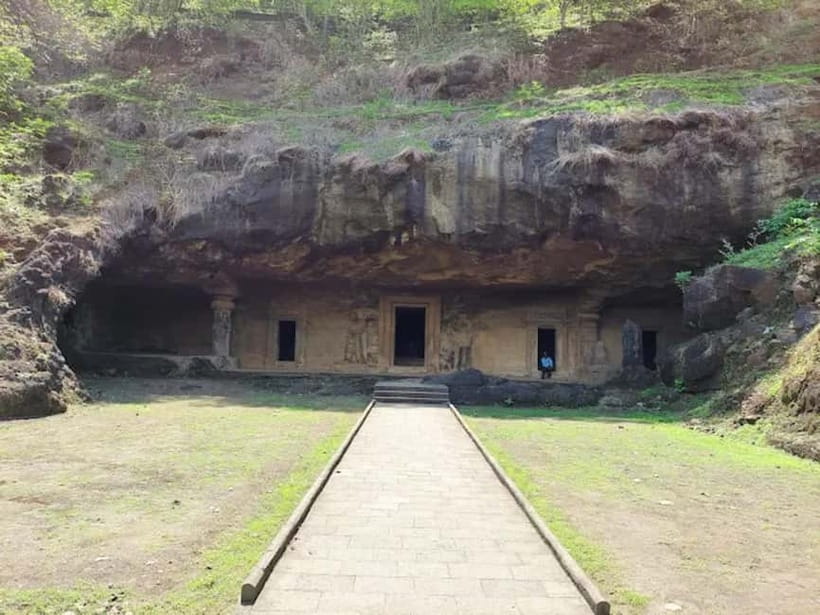
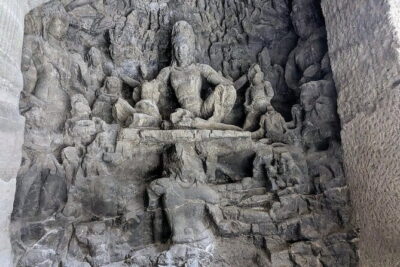
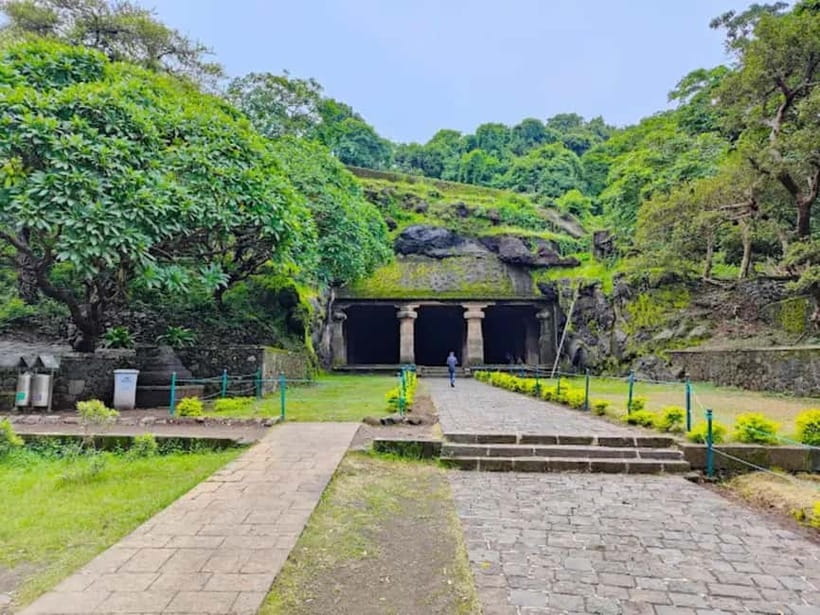
The day’s biggest “wow” component is Elephanta Caves, reached by ferry. The ride is about 45 minutes each way, and that crossing is part of the experience. You’re moving away from the dense city feel and into a more open, sea-and-sky space.
Elephanta Caves are listed as closed on every Monday, so check your calendar before you lock anything in. If your trip lands on Monday, you’ll need to shift dates or switch to the half-day version that doesn’t hinge on the caves.
At the caves, you’ll see rock-cut cave temples dedicated to Ghutam Buddha, and there’s a specific photo moment built around the famous three-faced Buddha sculpture. The day doesn’t treat Elephanta like a quick stop-in-and-out. You get time to explore and take it seriously.
The three-faced Buddha moment
This sculpture is the kind of detail that feels odd until you see it in person. The three faces are hard to understand from photos because your angle changes what you notice. Once you’re there, take a few minutes to look from different points—your guide will likely point out what to focus on.
Dharavi: beyond the headline, a look at real work
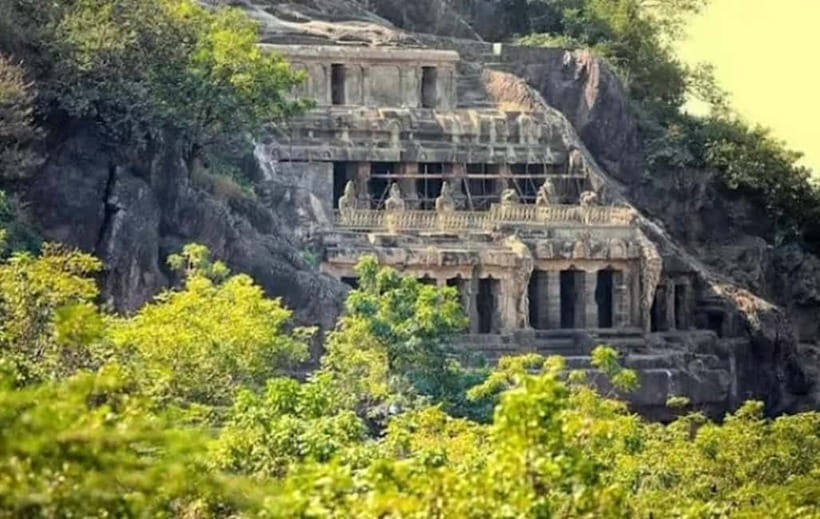
After the caves, you’ll head to Dharavi, described as one of Asia’s largest slums. This part of the tour is not presented as shock tourism. Instead, you’ll explore small-scale industries and see daily work happening through pottery, leather workshops, and recycling units.
If you’re worried this will be only a quick walk-by, don’t. The visit is designed to show the economic engine of Dharavi—how people turn constraints into production. The most useful thing you’ll take away is perspective: entrepreneurship here looks different, but it’s still entrepreneurship.
A practical note: Dharavi can be busy in ways that don’t match a quiet sightseeing pace. A good guide helps you move at a respectful speed and understand what you’re looking at without turning it into a spectacle.
How long is a half day vs full day, really?
This tour is listed as 4 to 8 hours depending on your chosen option. A half-day version usually means you’ll focus on the more central cluster of sights and keep the day from stretching too far. The full-day option gives more time to absorb both sides of the day: city views and then Elephanta plus the Dharavi workshop visit.
If you only have a limited amount of time in Mumbai, I’d lean half day. If you’re there for the first time and want the big-name landmarks plus a deeper community stop, full day makes more sense.
Price and value: why $26 can work in Mumbai
At $26 per person, the value comes from what’s bundled rather than the raw number. You get hotel pickup and drop-off, a private guide, transportation in an air-conditioned vehicle, entry tickets, and all fees and parking charges. That’s a lot of line items you normally end up paying for separately when you plan your own route.
Here’s the part I’d underline for your decision: you’re paying for time saved. Mumbai traffic and ticket logistics can eat half a day even if you “know where you’re going.” A planned route with a guide cuts that risk down.
That said, the price only feels like a win if you’re comfortable with a structured day. If you want lots of unplanned wandering, you might prefer a more flexible format.
Who this tour suits (and who should skip it)
This is a strong fit for first-time visitors who want the main landmarks plus one side-trip that adds real context. It’s also a good match if you like learning from a guide—many past guides have been praised for clear English and for making the day run smoothly with drivers who know how to handle traffic.
It’s also useful if you want a private group experience. The private format matters here because you’re dealing with multiple moving parts: ferry timing, cave visit flow, and then Dharavi.
It’s not suitable for pregnant women, so skip it if that applies to you.
Small practical tips to make the day easier
- Bring your passport or ID card, since that’s what you’re asked to have.
- If you’re sensitive to pacing, consider choosing the half-day option so you don’t feel rushed.
- Plan around the Monday closure for Elephanta Caves.
- For your comfort, keep your daypack manageable—Elephanta and Dharavi are both places where you’ll want to move freely without carrying too much.
Should you book this Mumbai private tour?
I’d book it if you want a fast, guided hit of Mumbai’s best-known sights plus Elephanta Caves and a working look at Dharavi. The structure is what makes it valuable: pickup, a guide, entry tickets, and an air-conditioned car all keep the day from turning into logistical stress.
Skip it if you hate packed schedules or you’re traveling on a Monday and Elephanta matters to you. Also, if you can’t do the physical pace implied by caves and community areas, this is not the best choice.
If your goal is to feel oriented after one day—sea-front landmarks, UNESCO architecture, Gandhi’s Mumbai, then caves and a real community stop—this tour is built for that.
FAQ
Where do I meet the guide?
You meet your guide at the Gateway Of India Mumbai.
How long is the tour?
The duration is 4 to 8 hours, depending on whether you select a half-day or full-day option.
Is this tour private and guided in English?
Yes. It’s a private group experience with a live English-speaking guide.
How do you get to Elephanta Caves?
You take a ferry, with the crossing taking about 45 minutes each way.
Are entry tickets included?
Yes. Entry tickets are included.
Are Elephanta Caves open every day?
No. Elephanta Caves are closed every Monday.
What should I bring with me?
Bring your passport or ID card.
Does the tour include pickup and drop-off?
Yes. Hotel pickup and drop-off are included, and there are multiple drop-off locations including Navi Mumbai, Mumbai, and PhotoGrafar.
Is the tour suitable for everyone?
No. It is not suitable for pregnant women, and pets are not allowed.