REVIEW · MUMBAI
From Mumbai: Half-Day Elephanta Caves Tour with Ferry Ride
Book on GetYourGuide →Operated by India Tour · Bookable on GetYourGuide
Elephanta starts with a sea ride. I like this half-day tour for the ferry ride from the Gateway of India and the focused walk through the caves, especially the Trimurti rock sculpture that anchors Cave 1. You get a local guide to make the day feel manageable, from boarding the boat to moving between the cave halls at a steady pace.
The main consideration is timing and comfort. The Elephanta Caves are closed every Monday, and this tour is not suitable for pregnant women, likely because you’re on an island with walking and uneven ground. If you’re sensitive to hills or crowds, pick your day carefully and plan for some heat.
In This Review
- Key points before you go
- Gateway of India to Elephanta: the ferry ride that sets the tone
- What the ferry experience feels like in practice
- How the 4-hour structure keeps Elephanta from feeling rushed
- The cave visit is where the guide matters most
- Cave 1 and the Trimurti sculpture: the must-see stop
- What to look for beyond the big face
- Smaller cave temples, courtyards, and pillars: where the detail hides
- The value of a guide who points, not just talks
- A balanced heads-up on tips
- After the caves: museum time, island strolling, and Cannon Hill views
- Toy train vs. walking: choose based on your energy
- Price and value: what you’re really paying for
- Who should book this Elephanta half-day tour (and who should skip it)
- Should you book? My practical verdict
- FAQ
- How long is the Elephanta Caves half-day tour?
- What does the tour include?
- Where do I meet the group?
- Is the tour guided in English?
- What are the main highlights inside the caves?
- Can I walk up from the jetty, or is there another option?
- Are the Elephanta Caves open every day?
- Are pets allowed?
- Is the tour suitable for pregnant women?
- What’s the cancellation and payment flexibility?
Key points before you go
- Gateway of India ferry time is part of the experience: you cross the Arabian Sea with city-coastline views.
- Cave 1 is the headline: the 20-foot three-faced Trimurti sculpture is hard to top.
- Expect a guide handoff: facilitators like Danish DK or Hamid often coordinate early, then a cave specialist such as Krishna, Vaibhav, or Dharmesh takes over.
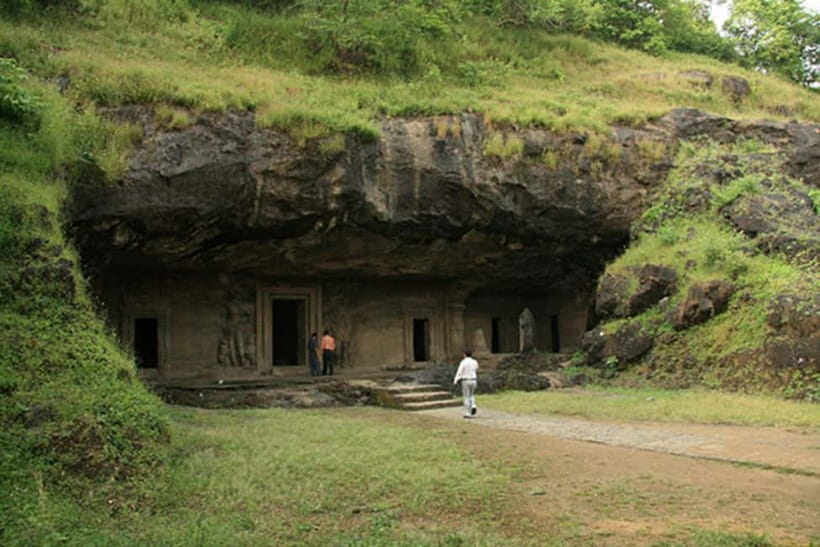
- You control island pacing: you can walk up from the jetty or take the small toy train, plus you’ll have options like the museum and island strolling.
- A short hike adds big views: Cannon Hill is available if you want a bit of extra effort for panorama views.
- Tip talk can vary by guide: most interactions feel friendly, but you should be ready for some direct requests depending on who leads inside the caves.
Gateway of India to Elephanta: the ferry ride that sets the tone
Most Mumbai day trips to Elephanta start with a ferry, but this one treats the crossing like more than transit. You leave from the Gateway of India and head out across the Arabian Sea, watching Mumbai’s coastline and harbor area slide by. Even if you’re only on the water for a short stretch, it changes the mood from city chaos to island calm.
This also matters because it’s where the tour saves you effort. People are often figuring out where to stand, how to board, and which side of the day’s schedule they’re on. In real-world examples, facilitators like Danish DK or Hamid help you get moving quickly—getting the right ferry tickets, finding comfortable seating, and staying on time as crowds build around the pier.
If you’re the type who hates last-minute scrambling, this is one of the strongest parts of the experience. Your ferry and cave visit work as a connected loop, with the guide actively managing the flow instead of handing you a map and hoping for the best.
You can also read our reviews of more tours and experiences in Mumbai


What the ferry experience feels like in practice
The tour includes the ferry ride, and it also includes hotel pickup and drop-off. That’s not just convenience; it reduces the number of independent decisions you have to make. From the reviews, the facilitators are often proactive—meeting you at the Gateway of India, guiding your boarding steps, and then keeping the next transfer tight so you don’t lose time on the island.
You’ll still want to bring the basics: sun protection and water awareness. A water bottle is included, which helps, but Mumbai heat is no joke. If you’re sensitive to heat, plan your day with that in mind and aim for the coolest start time you can.
How the 4-hour structure keeps Elephanta from feeling rushed
Elephanta Caves are a big deal, but half-day tours can turn into a checklist. What I like here is the way the day is structured to keep you moving without pretending you’ll see everything in one afternoon.
The entire tour runs about 4 hours, which means you’ll focus on the core cave circuit and the main island moments. You start with pickup (optional pickup is available), then head to the Gateway of India. After the ferry crossing, you’ll arrive on Elephanta Island and move toward the caves.
Here’s the practical part: once you step off the ferry, you get choices. You can walk up from the jetty or take the small toy train. That small option is a big deal because it changes the day’s comfort level. If your legs are tired or you just want to save energy for the caves, the toy train helps you arrive less worn out.
Inside, you’ll have time to see Cave 1 and then visit smaller caves with carved panels, courtyards, and pillars. The tour timing usually supports photos too—guides in the field often know where lighting and angles work best, which makes a difference when you want to capture detail carvings without feeling like you’re constantly asking strangers to move.
The cave visit is where the guide matters most
The caves are ancient and detailed, but they can blur together fast if you don’t have context. This tour uses a local guide so you’re not just staring at stone and guessing what you’re looking at.
A common pattern is that one guide handles your early coordination and then a dedicated cave guide takes over. Names that show up frequently in real experiences include Krishna, Vaibhav, and Dharmesh. That handoff can be a strength because the cave specialist can point out specific panels and explain what the carvings represent—without rushing you through.
Cave 1 and the Trimurti sculpture: the must-see stop
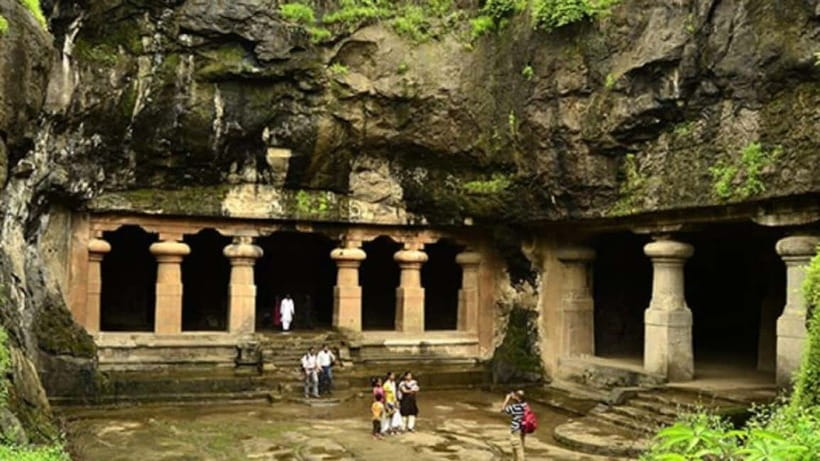
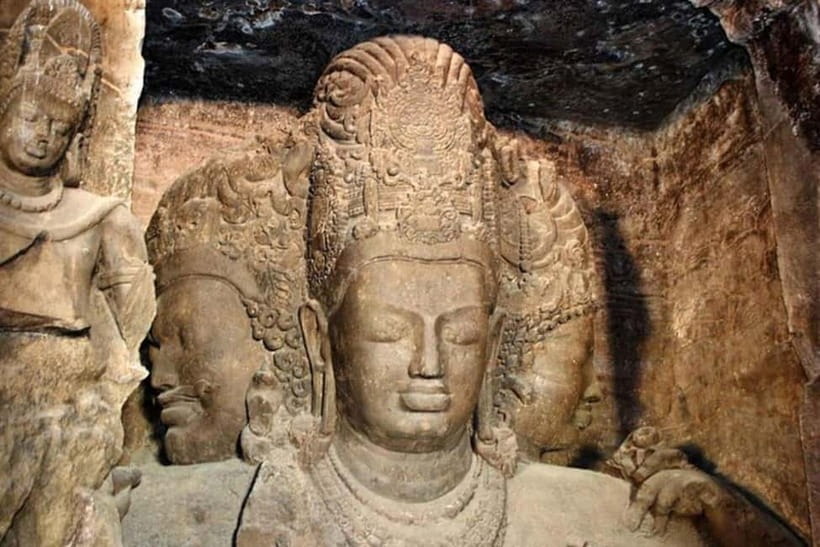
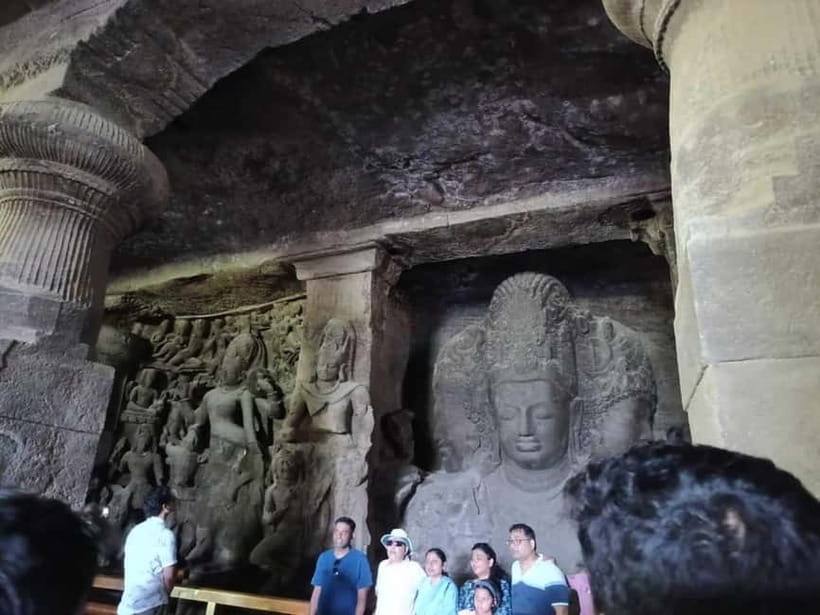
If you come to Elephanta for one thing, it’s Cave 1. The biggest attraction is the Trimurti sculpture: a 20-foot-tall three-faced figure in the main cave. The tour description frames this figure as Lord Bhudha, and regardless of your personal interpretation, the scale and craftsmanship are the point.
This is the sculpture that gives the caves their global reputation. In practical terms, it’s also the part where your guide’s pacing pays off. You’ll be able to stand back, look up, and then return for closer viewing while someone explains what you’re seeing—especially the three-faced design and how the surrounding carvings connect to broader themes.





What to look for beyond the big face
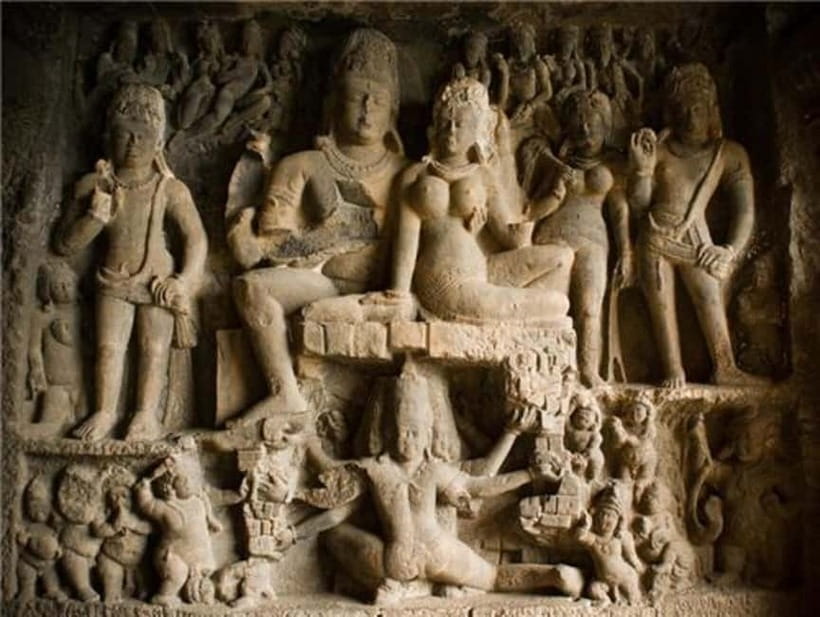
You’re not just staring at one sculpture. The experience includes time in other cave spaces too, so you can compare styles and themes across the complex. The tour highlights intricate carvings of deities, plus depictions related to Indian mythology, including scenes from Buddha life. When a guide points out what the scenes represent, the carvings stop feeling like decorative wallpaper and start feeling like storytelling.
If you like religious art, this is a rare chance to see how temple iconography was carved directly into rock. If you don’t, that’s okay too. The scale alone works, and the carvings are visually satisfying even when you only catch the outlines of the narrative.
Smaller cave temples, courtyards, and pillars: where the detail hides
After Cave 1, the smaller caves are the payoff for people who like to slow down a touch. You’ll see rock-cut spaces with courtyards and pillars, plus carved panels that show different scenes and religious figures.
The big mistake on Elephanta is over-focusing on the main hall and then sprinting through the rest. Here, the time is set up so you can move between cave spaces without feeling totally behind. That matters because the smaller carvings are easier to miss if you’re rushed.
The value of a guide who points, not just talks
Some guides are amazing at explanation. Others just list names. What I look for—and what shows up in strong experiences—is a guide who points to details and helps you understand how the carvings are organized.
In multiple examples, cave guides such as Vaibhav and Krishna are described as friendly and very hands-on with photos. That matters because you’ll often want to photograph sculpted details at angles that aren’t obvious. If someone helps you position for clear shots, you’ll come away with images that actually show what you saw.
A balanced heads-up on tips
One wrinkle from real experiences: some guides may ask for tips more directly than you’d expect. In one case, it was described as an awkward request tied to a specific amount. In other cases, experiences were described as friendly with no pressure.
So here’s my practical advice: have a small budget ready for guide tipping. Keep it calm and flexible. And if you’re unsure what’s appropriate, you can ask your facilitator in advance so you’re not surprised mid-conversation.
After the caves: museum time, island strolling, and Cannon Hill views
Elephanta Island isn’t only the caves. When you finish the main cave circuit, you’ll have room for optional island time. That can include a museum visit for more history, plus a general stroll where you can regroup and enjoy the view back toward Mumbai.
The tour description also mentions Cannon Hill. If you want more of a workout, there’s a short hike up to Cannon Hill with breathtaking harbor views. Even if you’re not chasing the “best view” trophy, this part can be a nice reset after concentrated cave time.
Toy train vs. walking: choose based on your energy
Getting around on Elephanta is part of the experience. You can walk from the jetty, or you can ride the small toy train. If you’re traveling with tight timing, the toy train is a useful shortcut that helps you arrive with enough energy to focus inside.
If you’re comfortable walking and like opportunities to see island texture and activity, walking can feel more flexible. Either way, the tour structure supports both options without making you feel like you picked the wrong path.
Price and value: what you’re really paying for
At $26 per person for about 4 hours, this isn’t just a cheap ticket to a UNESCO site. You’re paying for a packaged experience that bundles several costs and decisions together:
- Ferry ride from the Gateway of India
- Entry ticket
- Local guide support
- Hotel pickup and drop-off (optional pickup may apply depending on your booking)
From a value perspective, the biggest win is the reduction in friction. Elephanta logistics can be confusing on your own: where to go, how to board, how to time your entry, and how to avoid wasting the day on back-and-forth. A good facilitator does the heavy lifting so you spend your time looking at stone carvings instead of hunting down paperwork.
That’s also why the guide quality shows up so strongly in the feedback. When a facilitator like Danish DK, Hamid, or Fahad coordinates ferry boarding, queue navigation, and smooth transfers, it feels like you bought time and peace of mind. And if you end up with a dedicated cave guide such as Krishna or Vaibhav, you get context that’s hard to replicate with a self-guided walk.
Who should book this Elephanta half-day tour (and who should skip it)
This is a great choice if you:
- Have limited time in Mumbai and want a UNESCO highlight without a full day
- Want a guided visit that explains what you’re seeing in Cave 1 and beyond
- Prefer someone to manage transfers between ferry, island movement, and cave navigation
- Like having options on the island, from the toy train to the Cannon Hill viewpoint
This may not be the best fit if:
- You’re traveling on a Monday. The caves are closed every Monday.
- You’re pregnant. The tour is listed as not suitable for pregnant women.
- You want total freedom to wander without any structure. Even though you’ll have some island time, it’s still a guided, timed route.
If you’re going in peak season or around popular dates, plan for crowds. A tip from real experiences: choosing an early-morning departure can help you avoid the heaviest crowd pressure and can also feel cooler.
Should you book? My practical verdict
I’d book this tour if your goal is a smart, guided Elephanta visit that feels smooth from the moment you leave Mumbai. The value comes from the bundle: ferry + entry + guide + pickup/drop-off, all in a short 4-hour window. That’s exactly what you want when you’re trying to see a “big name” sight without spending your entire day managing logistics.
Book with extra attention if it’s a Monday or if you have mobility concerns. Also, bring a small amount of cash for potential tipping conversations inside the caves, since guide styles can differ.
If you get lucky with the right facilitator—people like Danish DK and Hamid have a strong track record of making the day feel organized—this trip can be one of the most satisfying half-days you’ll have in Mumbai.
FAQ
How long is the Elephanta Caves half-day tour?
The tour duration is listed as 4 hours.
What does the tour include?
It includes hotel pickup and drop-off, a local guide, an entry ticket, the ferry ride, and a water bottle.
Where do I meet the group?
The meeting point may vary depending on the option booked, and it’s tied to the Mumbai pick-up and Gateway of India area for the ferry portion.
Is the tour guided in English?
Yes. The live tour guide is listed as English.
What are the main highlights inside the caves?
You’ll visit the Elephanta Caves UNESCO site, including Cave 1 with the 20-foot three-faced Trimurti sculpture, plus other caves with rock-cut carvings, courtyards, and pillars.
Can I walk up from the jetty, or is there another option?
You can either walk from the jetty or ride a small toy train on Elephanta Island to reach the cave area.
Are the Elephanta Caves open every day?
No. The Elephanta Caves are closed every Monday.
Are pets allowed?
No, pets are not allowed.
Is the tour suitable for pregnant women?
No. It is listed as not suitable for pregnant women.
What’s the cancellation and payment flexibility?
You get free cancellation up to 24 hours in advance for a full refund, and there is also a reserve now & pay later option.