REVIEW · MUMBAI
Traditional Indian Immersive Cultural Experience
Book on Viator →Operated by The Sister Studio · Bookable on Viator
This studio turns crafts into living stories. In a small Worli apartment, you get a close look at dolls, masks, and figurines (about 300 pieces behind glass) plus the kind of folk-story narration that makes these objects feel human. Two things I really like are the way the guide links each item to culture and place, and the variety, including pieces with roots far beyond India. One consideration: it is a tight, private studio setup with fragile exhibits, and entry is restricted for kids under 10.
The tour is also nicely structured. You start with the object collection, then you move into drawings on big themes like motherhood and pandemic isolation, with work inspired by rural journeys. You’re not just staring at artifacts. You’re getting context for why people made them, how they were used, and what beliefs and community life shaped them.
Logistics are straightforward. Meet at WeWork, 1st floor (264–265), Dr Annie Besant Rd, Worli, and plan on about 3 hours from start to finish. It runs daily 11:00 AM to 5:00 PM, and it’s a private tour, meaning only your group participates.
In This Review
- Key things you will notice right away
- Worli apartment studio: how this works in real life
- Part one in glass cabinets: dolls, masks, and figurines across India
- Beyond looks: folk stories, tribes, and textiles that explain the meaning
- Part two: themed drawings that talk about motherhood, the mind, and isolation
- Price and duration: why $54 feels fair for a 3-hour private session
- Who this studio tour suits best (and who should pass)
- Practical tips to make your visit smoother
- Should you book this Mumbai studio tour?
- FAQ
- How long is the tour?
- Where do we meet in Mumbai?
- What happens during the tour?
- Is this a private tour?
- Is there an age limit?
- Can I cancel for free?
Key things you will notice right away
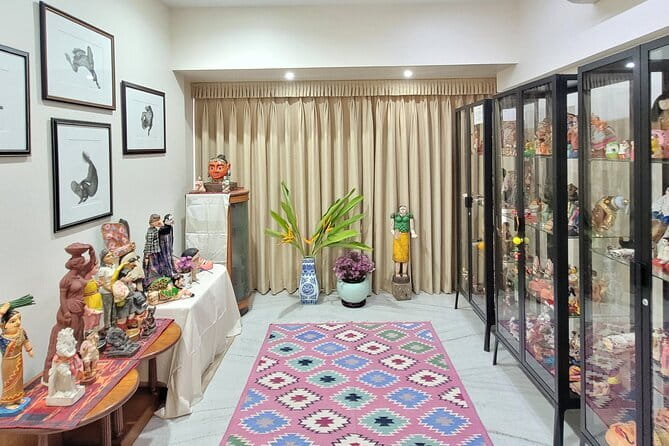
- About 300 artifacts on display inside glass cabinets, so you’re seeing a serious collection, not a quick photo stop
- Two-part format: objects first, then themed drawings with conversation that connects art to life
- Diversity of origins including dolls from Japan, Iran, Nepal, Bhutan, Indonesia, and Ukraine alongside Indian pieces
- Crafts with urgency: the tour specifically points out some forms that are on the brink of extinction
- Story-led explanations that connect history, geography, tribes, customs, and textiles without turning into a lecture
Worli apartment studio: how this works in real life
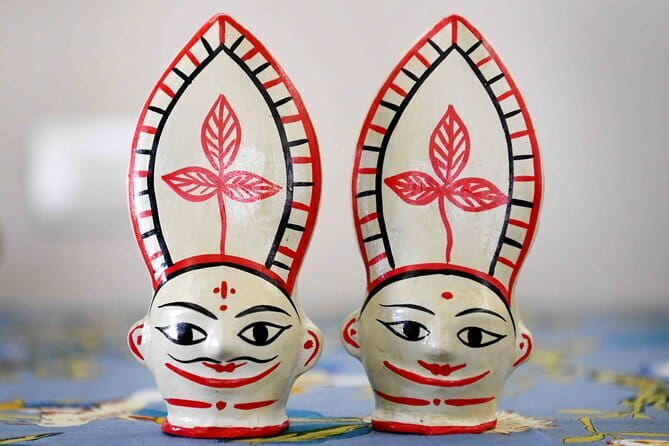
This is one of those experiences that feels more like visiting a careful collector than touring a big public museum. You meet at a coworking space in Worli—then the experience shifts into a small studio inside a residential apartment. Expect a calm, focused setting with glass cabinets and a guide who talks through what you’re looking at.
Because it’s private, you don’t have to fight for a look or rush past the good parts. You also get better questions answered. If you care about how culture shows up in clothing, symbols, or everyday objects, this format really supports that kind of attention.
Timing matters here. The tour is about 3 hours, split into two parts. If you arrive late, you’ll feel it, because there is no room for skipping sections. A mobile ticket is used, so make sure your phone battery is happy and your ticket is easy to pull up.
Also, note the age restriction: entry is restricted for children under 10 due to the fragile nature of the exhibits. If you’re traveling with younger kids, plan around it.
You can also read our reviews of more tours and experiences in Mumbai.


Part one in glass cabinets: dolls, masks, and figurines across India
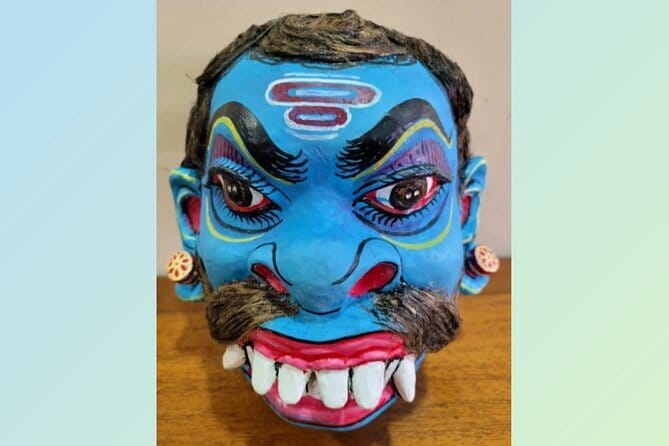
The first half is the centerpiece: the private collection of dolls, masks, and figurines. The studio has about 300 pieces displayed inside glass cabinets, and the guide walks you through what each object represents.
What makes this part more than a display is the way the explanations connect the items to real cultural systems:
- Historical context: where the craft tradition sits in time and how it reflects the communities that created it
- Geographical context: how place shapes materials, styles, and what stories get shown
- Social and cultural context: what people believed, practiced, or celebrated—and how objects fit those beliefs
- Religious and folk context: how legends and folk stories give meaning to masks and figures
You’ll also hear about craft forms that are linked to indigenous tribes. The point isn’t to turn them into curios. It’s to show how crafts carry identity, memory, and social roles.
One standout detail for context-hungry people: the collection doesn’t stop at India. Alongside Indian pieces, you’ll see dolls from Japan, Iran, Nepal, Bhutan, Indonesia, and Ukraine, among others. That gives you a useful comparison point. Even if the object design looks different, the underlying question stays similar: why do humans make figures and masks, and what job do those objects do in a community?
The glass-cabinet setup is also worth mentioning. You’re close enough to study, but you should treat it like a shrine: listen, don’t lean on cabinets, and follow the guide’s pace.
Beyond looks: folk stories, tribes, and textiles that explain the meaning
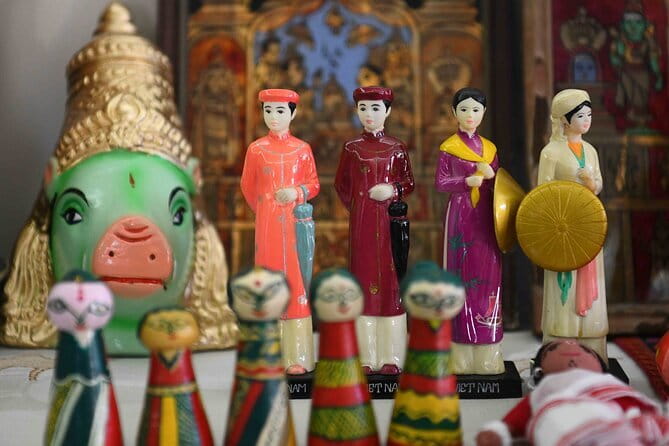
The second thing that elevates this tour is the narrative layer. Instead of speaking only about shape, pattern, or age, the guide ties the collection to folk stories, legends, indigenous tribes, and textiles.
Here’s the practical value for you: many museum labels tell you what something is. This experience works to tell you what it meant. When an artifact connects to a story or a community practice, it becomes easier to remember. It also becomes easier to understand why certain designs repeat—like symbols that show up again and again across regions.
Textiles come up as a theme, too. You’ll likely hear how fabric choices and weaving traditions relate to identity and function. That matters in places like India, where clothing often signals region, role, and occasion. Even when you’re looking at dolls or masked figures, fabric and ornament can tell you who the maker was serving—religious life, seasonal rituals, storytelling traditions, or social norms.
The tour also highlights crafts that are at risk. That adds weight to what you see. It’s not just “cool objects.” It’s a reminder that preserving a craft tradition can be hard when demand changes, when younger makers shift to other work, or when cultural practices evolve.
And yes, the stories themselves are the reason this lands well for a broad range of ages. In the experiences people have shared, the storytelling was repeatedly described as what brought the exhibits to life—and that matches what you can expect from this kind of object-focused session.
Part two: themed drawings that talk about motherhood, the mind, and isolation

After the object section, you move into drawings on different themes. This second half keeps the same spirit—art as a window into lived experience—but it shifts the medium from sculpture-like pieces to visual storytelling on paper.
The themes include:
- Motherhood
- the explosiveness of the mind
- isolation experienced during the recent pandemic
- drawings inspired by travels through rural pockets of the country
If you like art that reacts to life (not art that only decorates), you’ll probably enjoy this part a lot. The drawings add a modern thread to the craft history you just heard in the first half. You can see a line from traditional symbolism to contemporary reflection: people still use visual language to process belonging, fear, creativity, and change.
Also, drawings tend to make conversations easier. You can react with your own questions fast: What’s the story here? Why this theme? How does the artist’s travel show up in the marks? That kind of back-and-forth often makes the second half feel less like “another room” and more like a dialogue.
If you’re coming from a traditional-crafts angle, the drawings can feel like a payoff: you stop thinking of culture as something frozen in glass cabinets and start seeing it as something ongoing.
Price and duration: why $54 feels fair for a 3-hour private session
At $54 for about 3 hours, this sits in a reasonable middle ground for Mumbai cultural experiences—especially because you’re not doing a quick stop. You’re getting two distinct segments and a focused, private presentation.
The value comes from a few things you can’t fake:
- Volume of objects: around 300 pieces is a serious amount to interpret
- Context per object: the guide doesn’t just point; you get cultural meaning tied to history, place, and beliefs
- Two mediums: crafts and drawings give you more than one way to understand the culture
In other words, you’re paying for understanding, not just access. If you’re the type who likes museum time when someone explains why an artifact matters, this is the kind of experience that usually feels worth it.
If, however, you mainly want a stroll and photos, you might feel the pace is more intentional than casual. This tour rewards patience and listening.




Who this studio tour suits best (and who should pass)

This is ideal if you’re a culture lover who likes your art with explanations. You’ll probably be happiest if you enjoy:
- craft traditions and symbolic objects
- storytelling tied to culture and community practices
- textiles and the way clothing and ornament communicate identity
- conversations about how art responds to modern life, including themes like isolation
It’s also a solid option for families where kids are old enough to handle fragile displays. Remember: under 10 is restricted, so plan for that.
If you want a huge, famous landmark experience with lots of walking and wide open sightlines, this isn’t that. It’s small on purpose. The intimacy is the point.
Practical tips to make your visit smoother
A few small things can make this go better.
- Arrive on time for the WeWork meeting point in Worli, then settle into the apartment-studio setting without rushing.
- Keep your mobile ticket ready on your phone.
- Plan for a structured ~3-hour flow: object portion first, drawings second.
- If you’re with kids, double-check the under-10 restriction.
- Because exhibits are fragile, follow the guide’s instructions on how close to stand and when to move.
Also, go with a curious mindset. Ask questions about the symbolism, the regional links, or how textiles show up in the objects. The experience is built for that.
Should you book this Mumbai studio tour?

I’d book it if you want a different side of Mumbai—one that trades crowds and big-ticket attractions for a focused room where art and meaning are spoken out loud. It’s especially worth it if you love crafts, masks, and dolls, and you also like seeing how modern artists and themes connect to cultural memory.
Skip it only if you dislike small spaces, fragile exhibit settings, or you’re looking for a casual photo walk. This is a listening-and-learning kind of experience, and it works best when you lean into that.
If that sounds like your style, this studio tour is a strong pick.
FAQ
How long is the tour?
It lasts about 3 hours.
Where do we meet in Mumbai?
Meet at WeWork, 1st floor, 264–265, Dr Annie Besant Rd, Municipal Colony, Worli Shivaji Nagar, Worli, Mumbai, Maharashtra 400025, India.
What happens during the tour?
The experience has two parts: first, a guided walkthrough of dolls, masks, and figurines (about 300 pieces) in the studio collection, and second, a walkthrough of drawings on themes such as motherhood, the mind, pandemic isolation, and rural travel inspiration.
Is this a private tour?
Yes. Only your group participates.
Is there an age limit?
Entry is restricted for children under 10 because the exhibits are fragile.
Can I cancel for free?
Yes. You can cancel for a full refund if you cancel at least 24 hours before the experience starts.